

Are you looking for easy, delicious meals that save you time and fit your vegetarian lifestyle? Slow cooker recipes might be exactly what you need.
Imagine coming home to a warm, flavorful dish that’s ready without any last-minute fuss. You’ll discover simple vegetarian slow cooker meals that make cooking stress-free and tasty. Get ready to transform your mealtime with recipes designed just for you. Keep reading to find your new favorite slow cooker dishes!
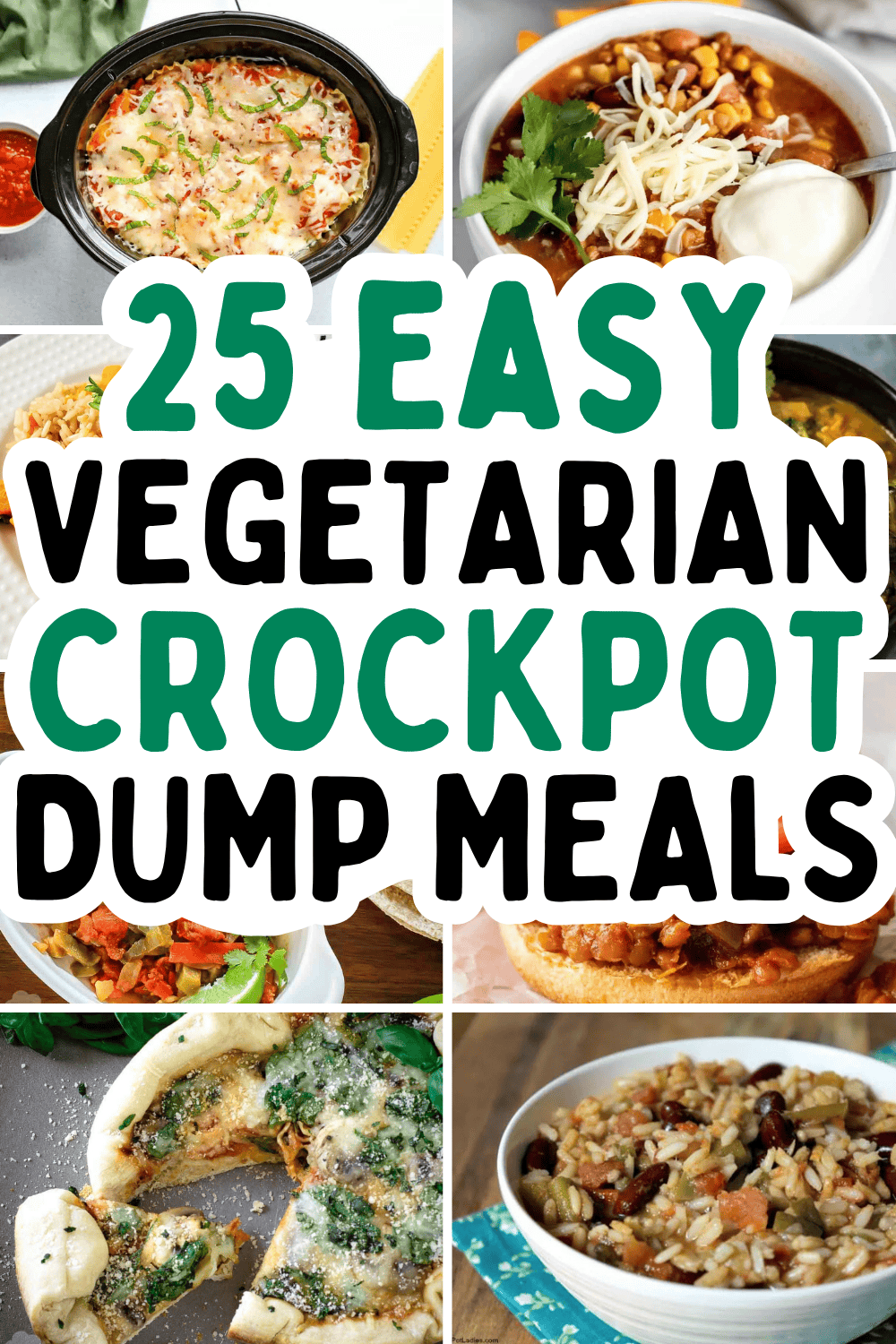
Credit: www.unexpectedlydomestic.com
Benefits Of Vegetarian Slow Cooker Meals
Choosing vegetarian slow cooker meals can change your daily routine and health in surprising ways. These meals offer more than just convenience—they bring a blend of nutrition and flavor that can brighten your table and support your well-being.
Time-saving Advantages
Imagine coming home to a hot, ready meal without spending time chopping or stirring. Slow cookers let you prepare ingredients quickly, then do the cooking for you. This means you can focus on other tasks or simply relax while your meal cooks all day.
Have you tried starting your day by tossing beans, veggies, and spices into the cooker? By the evening, you have a wholesome dish with minimal effort. This hands-off approach saves time and keeps your kitchen cool—no standing over a hot stove.
Nutritional Benefits
Vegetarian slow cooker meals often use whole foods like beans, lentils, and fresh vegetables. These ingredients provide fiber, vitamins, and minerals essential for your body. Slow cooking preserves nutrients better than some high-heat methods, meaning you get more from every bite.
Think about a slow cooker chili loaded with beans and colorful veggies. The long cooking time breaks down tough fibers, making nutrients easier to digest and absorb. This gentle cooking method supports your digestive health and sustains your energy.
Enhanced Flavors
Slow cooking allows flavors to develop deeply and blend naturally. Instead of rushing, the ingredients mingle over hours, creating rich and satisfying tastes. You might find yourself craving dishes you never thought you’d enjoy.
Have you noticed how spices and herbs intensify in slow cooker meals? This slow simmering unlocks layers of flavor that add complexity without extra salt or fat. It’s a simple way to make healthy eating feel indulgent and exciting.
Essential Ingredients For Slow Cooker Recipes
Creating delicious vegetarian slow cooker meals is all about the ingredients. Using the right ingredients can make your dishes flavorful and nutritious. Here are some essential ingredients to consider for your slow cooker recipes.
Vegetables That Work Best
Certain vegetables hold up well in a slow cooker. Root vegetables like carrots, potatoes, and sweet potatoes are ideal. They maintain their texture and absorb flavors well. Bell peppers and onions add sweetness and depth to your dishes. Mushrooms give a meaty texture and rich umami flavor. Always chop vegetables evenly for consistent cooking.
Beans And Legumes
Beans and legumes are protein-packed and filling. Lentils cook quickly and do not require soaking. They blend perfectly in soups and stews. Chickpeas are hearty and absorb flavors beautifully. Black beans and kidney beans are great for chili and casseroles. Always rinse canned beans to reduce sodium content.
Herbs And Spices
Herbs and spices enhance the flavor profile of your meals. Garlic and ginger add warmth and depth. Cumin and coriander bring an earthy aroma. Dried herbs like thyme, rosemary, and oregano are robust and withstand long cooking times. Fresh herbs like basil and parsley can be added at the end for a fresh taste.
Top Easy Recipes To Try
Slow cooker meals save time and effort while creating delicious, comforting dishes. Vegetarian slow cooker recipes are perfect for busy days. They use simple ingredients and require minimal preparation. These recipes fill your home with inviting aromas and warm your body with every bite.
Try these easy recipes for a tasty, healthy meal. Each dish is full of flavor and nutrients. They are great for beginners and experienced cooks alike.
Hearty Vegetable Stew
This stew combines potatoes, carrots, and green beans with fresh herbs. The slow cooker blends the flavors perfectly. It creates a rich, thick broth that comforts the soul. Serve it with crusty bread for a full meal.
- Chop vegetables into bite-sized pieces.
- Add vegetable broth and seasonings.
- Cook on low for 6-8 hours.
Chickpea Curry
Chickpeas simmer with tomatoes, onions, and spices in this curry. The slow cooker tenderizes the chickpeas for a creamy texture. This dish pairs well with rice or flatbread. It offers a spicy, satisfying taste that fills you up.
- Mix chickpeas with curry powder and coconut milk.
- Add chopped tomatoes and onions.
- Cook on low for 6 hours.
Lentil And Sweet Potato Chili
This chili blends lentils and sweet potatoes with chili spices. The slow cooker develops deep, bold flavors over time. It is thick, hearty, and perfect for chilly evenings. Top with avocado or shredded cheese for extra taste.
- Combine lentils, diced sweet potatoes, and chili seasoning.
- Add vegetable broth and crushed tomatoes.
- Cook on low for 7-8 hours.
Tips For Perfect Slow Cooker Results
Getting the best results from your vegetarian slow cooker meals is easier than you might think. A few simple adjustments to how you prepare and manage your ingredients can transform your dishes from good to outstanding. Let’s look at some practical tips that will help you maximize flavor and texture every time you use your slow cooker.
Layering Ingredients
How you place your ingredients inside the slow cooker affects the cooking process significantly. Denser vegetables like carrots and potatoes should go at the bottom, where heat is strongest.
Lighter or quicker-cooking items, such as leafy greens or softer vegetables, belong on top. This prevents overcooking and keeps textures just right.
Think about layering like building a flavor foundation—each layer cooks differently and contributes uniquely to the final taste.
Cooking Times And Temperatures
Adjusting cooking times and temperatures is key to avoiding mushy or underdone meals.
Most slow cooker recipes work well on low for 6-8 hours or high for 3-4 hours, but vegetables vary widely. For example, beans need longer cooking, while zucchini cooks quickly.
Try checking your dish 30 minutes before the suggested time to see if it’s done to your liking. Do you prefer your vegetables firmer or softer? Adjust accordingly.
Avoiding Common Mistakes
- Don’t overfill: Leave about an inch of space at the top for heat circulation. Overfilling can slow cooking and affect texture.
- Skip lifting the lid: Each time you open the cooker, heat escapes and extends cooking time. Trust the slow cooker to do its job.
- Be cautious with dairy: Adding milk or cheese too early can cause curdling. Stir these in near the end of cooking for creamy results.
Have you noticed your slow cooker meals turning out too watery or bland? These common pitfalls might be the reason—and now you know how to fix them.
Meal Prep And Storage Ideas
Preparing vegetarian slow cooker meals in advance can save you time and reduce stress during busy weekdays. Smart meal prep and storage help keep your dishes fresh and tasty for days. Let’s look at some practical ideas that make your cooking easier and your eating more enjoyable.
Batch Cooking Tips
Batch cooking is your best friend for slow cooker meals. Cook large portions at once, then divide into smaller containers. This approach not only saves time but also helps you stick to your healthy eating goals.
Use clear containers to easily spot what’s inside. Label each container with the meal name and date. This simple step prevents food waste and keeps you organized.
Freezing And Reheating
Freezing slow cooker meals is a great way to extend their shelf life. Make sure your dishes cool completely before freezing to avoid ice crystals forming. Use airtight containers or freezer bags to maintain flavor and texture.
When reheating, thaw meals overnight in the fridge or use the defrost setting on your microwave. Reheat gently on low heat to keep the vegetables tender and the flavors balanced. Have you tried reheating your meals directly in the slow cooker? It’s a game changer for even warming.
Portion Control
Controlling portion sizes helps you manage calorie intake without sacrificing satisfaction. Use smaller containers or bowls to serve your meals. This way, you avoid overeating and can easily save leftovers for another meal.
Consider weighing your portions if you’re tracking macros. It might feel tedious at first, but it becomes second nature and helps you stay on track. How do you decide what the right portion size is for your meals?

Credit: vancouverwithlove.com
Customizing Recipes For Dietary Needs
Customizing vegetarian slow cooker meals helps meet personal dietary needs. Everyone’s body and taste are different. Making simple changes keeps meals enjoyable and healthy. Tailoring recipes allows better control over ingredients. It ensures meals fit specific health goals or restrictions.
Gluten-free Options
Many slow cooker recipes use ingredients with gluten. Swap out regular pasta or soy sauce with gluten-free versions. Use gluten-free grains like quinoa or rice instead of wheat. Check labels carefully to avoid hidden gluten sources. Beans, vegetables, and most spices are naturally gluten-free. This keeps meals safe for people with gluten intolerance or celiac disease.
Low-sodium Alternatives
Sodium can sneak into many slow cooker dishes. Choose low-sodium or no-salt-added canned beans and vegetables. Use fresh herbs and spices to add flavor without salt. Replace salty condiments with vinegar or lemon juice. Prepare homemade broth to control salt levels. These swaps help reduce sodium intake while keeping taste strong.
Protein Boosts
Vegetarian meals sometimes need extra protein for energy and fullness. Add lentils, chickpeas, or black beans to recipes. Use tofu or tempeh for a hearty texture and protein punch. Nuts and seeds provide healthy fats and protein. Consider adding quinoa or amaranth for a grain-based boost. These choices increase protein without sacrificing flavor or ease.
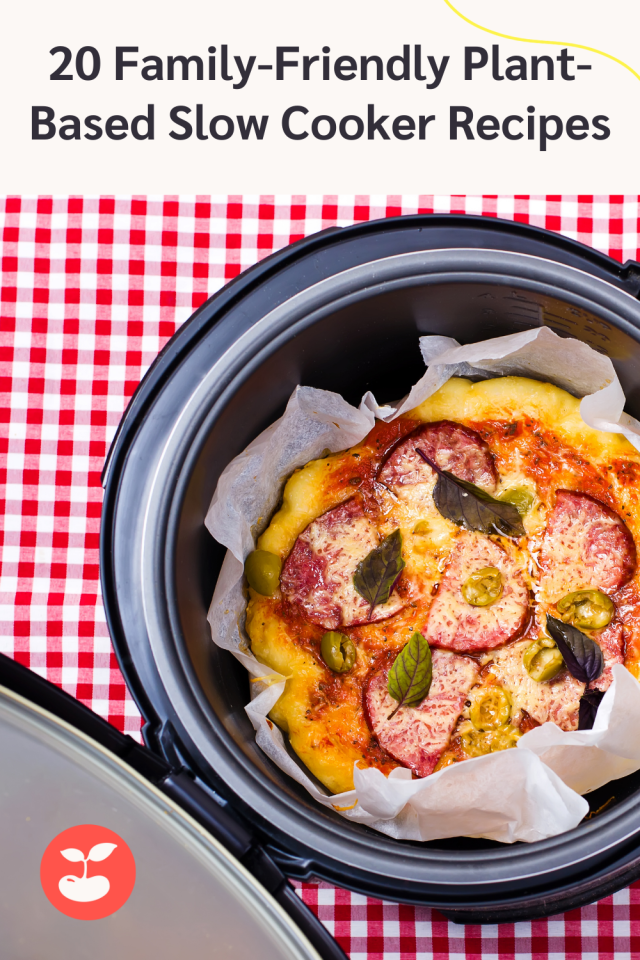
Credit: tinybeans.com
Frequently Asked Questions
What Are The Best Vegetarian Slow Cooker Meals?
The best vegetarian slow cooker meals include chili, lentil stew, vegetable curry, and bean soups. These recipes are hearty, nutritious, and easy to prepare. They use simple ingredients and require minimal hands-on time, perfect for busy days.
How Long Do Vegetarian Slow Cooker Meals Take?
Vegetarian slow cooker meals typically take 4 to 8 hours on low heat. Cooking time varies by recipe and ingredients. Slow cooking allows flavors to develop deeply, making meals tasty and tender without constant supervision.
Can I Use Frozen Vegetables In Slow Cooker Recipes?
Yes, you can use frozen vegetables in slow cooker recipes. They retain nutrients and cook well in slow cookers. Add frozen veggies directly without thawing, but adjust cooking time slightly to avoid overcooking.
Are Slow Cooker Vegetarian Meals Healthy?
Slow cooker vegetarian meals are healthy and nutrient-rich. They often include vegetables, legumes, and whole grains, providing fiber and essential vitamins. Slow cooking preserves nutrients better than some high-heat methods, promoting balanced eating.
Conclusion
Vegetarian slow cooker meals save time and taste great. They use simple ingredients anyone can find. You can enjoy healthy, warm dishes every day. Cooking becomes easy with set-it-and-forget-it recipes. These meals fit busy schedules and picky eaters. Try different veggies, beans, and spices for variety.
Slow cooking brings out rich, deep flavors. Start with these recipes and explore your favorites. Enjoy delicious, comforting food without stress or fuss.

Hi, I’m Daniel Brooks—a food lover and kitchen gear enthusiast. I enjoy testing cookware, utensils, and gadgets to see what really works in everyday cooking. At PlugChef.com, I share honest reviews, comparisons, and simple guides to help you choose the best tools for a safer, smarter, and more enjoyable kitchen.
Related posts:
 What Type of Cooking Utensils are Safe: Expert Picks
 What Innovations Could Blenders Make: Unleashing Future Tech
 Smart Strategies to Organize a Small Kitchen: Maximize Space
 How to Organize a Kitchen Cabinet: Expert Tips & Tricks
 How to Organize Kitchen Drawers: Expert Tips and Tricks
 How to Organize a Corner Kitchen Cupboard: Expert Tips

