

When it comes to choosing the right oil for your cooking, you might feel overwhelmed by the options. Vegetable oil and corn oil are two of the most common choices, but do you really know which one is better for your health and your kitchen?
Understanding the differences can help you make smarter decisions for your meals and your well-being. Keep reading, and you’ll discover the key facts that will make picking the perfect oil easier than ever. Your next cooking choice just got a whole lot clearer.

Credit: www.everydayhealth.com
Nutritional Profiles
Nutritional profiles help compare vegetable oil and corn oil. They show what each oil offers for health and cooking. Both oils contain fats, vitamins, and calories but differ in amounts and types.
Understanding these differences supports better choices for diet and recipes.
Fat Composition
Vegetable oil usually contains a mix of fats. It has more polyunsaturated and monounsaturated fats. These fats help lower bad cholesterol and support heart health.
Corn oil is rich in polyunsaturated fats, especially omega-6 fatty acids. It has less saturated fat than many other oils. Too much omega-6 may cause inflammation if not balanced with omega-3 fats.
Vitamin And Mineral Content
Both oils contain vitamin E, a powerful antioxidant. Vitamin E helps protect cells from damage.
Corn oil tends to have higher vitamin E levels than vegetable oil. Neither oil provides significant minerals like calcium or iron.
Caloric Values
| Oil Type | Calories per Tablespoon |
|---|---|
| Vegetable Oil | 120 |
| Corn Oil | 120 |
Both oils have the same calorie count. Portion control is important to avoid excess calorie intake.
Health Benefits Of Vegetable Oil
Vegetable oil offers several health benefits that support overall well-being. It contains essential nutrients and healthy fats that the body needs. Using vegetable oil in daily cooking can promote better health in multiple ways.
Heart Health
Vegetable oil is rich in unsaturated fats. These fats help lower bad cholesterol levels. Lower cholesterol reduces the risk of heart disease. It also supports healthy blood flow and blood pressure. Including vegetable oil can improve heart function and protect the cardiovascular system.
Anti-inflammatory Effects
Many vegetable oils contain antioxidants and vitamin E. These compounds fight inflammation in the body. Reducing inflammation lowers the chance of chronic diseases. It also helps with joint pain and swelling. Using vegetable oil may support a healthier immune response.
Skin And Hair Benefits
Vegetable oil nourishes the skin and hair deeply. It keeps skin soft and moisturized. The vitamins in the oil help repair skin damage. For hair, vegetable oil adds shine and reduces dryness. Regular use can improve the overall look and health of skin and hair.
Health Benefits Of Corn Oil
Choosing the right cooking oil can be a game-changer for your health. Corn oil, often overlooked, packs a punch when it comes to health benefits. Let’s dive into why you might want to consider adding corn oil to your pantry.
Cholesterol Management
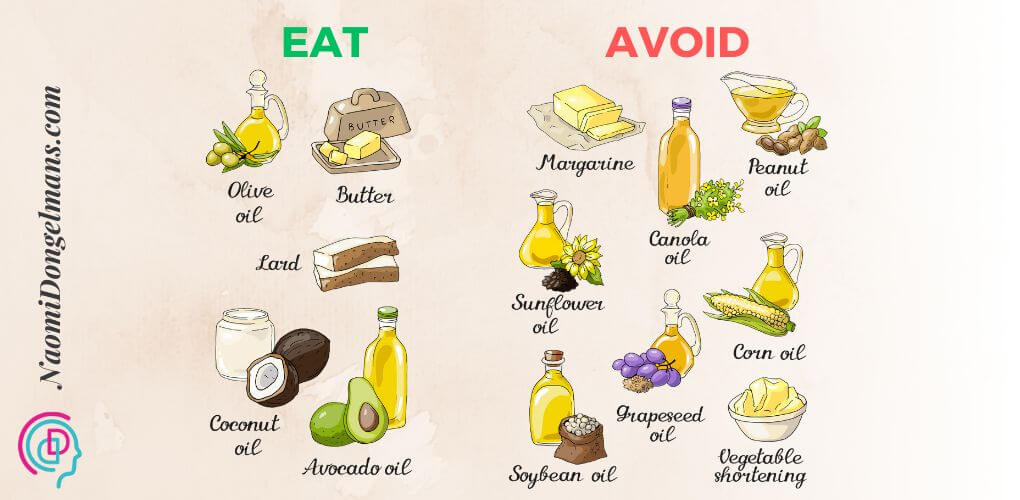
Corn oil is rich in plant sterols, which are known for their cholesterol-lowering properties. Studies have shown that corn oil can help reduce LDL, or “bad” cholesterol, levels in your blood. Have you considered how a simple switch in your cooking oil could impact your heart health?
Antioxidant Properties
Loaded with Vitamin E, corn oil is a powerhouse for fighting free radicals. These antioxidants play a crucial role in protecting your cells from damage. Using corn oil in your daily cooking might just be the small change your body needs to stay resilient.
Potential Brain Health Support
Omega-6 fatty acids found in corn oil are essential for brain health. They help in cell function and growth, which is vital for cognitive performance. Could this mean a sharper mind just by choosing the right oil for your salad dressing?
Credit: naomidongelmans.com
Comparing Cooking Uses
Choosing between vegetable oil and corn oil depends on how you plan to use them in cooking. Both oils have unique qualities. Understanding these differences helps select the right oil for your dishes. This section explores their smoke points, flavors, and best cooking methods.
Smoke Points
Smoke point is the temperature when oil starts to burn and smoke. Vegetable oil usually has a smoke point between 400°F and 450°F. Corn oil has a smoke point around 450°F. Both oils handle high heat well. This makes them good for frying and sautéing without burning.
Flavor Profiles
Vegetable oil has a very mild, neutral taste. It does not change the flavor of food. Corn oil has a light, slightly sweet flavor. It adds a subtle corn taste to dishes. Use vegetable oil when you want the main flavors to shine. Choose corn oil to add a mild, natural sweetness.
Best Cooking Methods
- Vegetable oil works well for frying, baking, and grilling.
- Its neutral flavor suits salad dressings and sauces.
- Corn oil is good for frying and roasting due to its high smoke point.
- It complements dishes like cornbread or vegetables with a hint of sweetness.
- Both oils are great for deep frying because they stay stable under heat.
Potential Risks And Concerns
Choosing between vegetable oil and corn oil might seem simple, but both come with potential risks you should know about. These oils are common in many kitchens, yet their impact on your health can vary significantly. Understanding these concerns helps you make smarter choices for your diet and well-being.
Omega-6 Fatty Acid Balance
Both vegetable oil and corn oil are high in omega-6 fatty acids. While omega-6 is essential, too much can upset your body’s balance between omega-3 and omega-6 fats.
An imbalanced intake may promote inflammation, increasing risks for heart disease and other health problems. Ask yourself: Are you getting enough omega-3s to counterbalance the omega-6 from these oils?
Processing And Refinement
Vegetable and corn oils often go through heavy processing, including chemical extraction and bleaching. This can strip away natural nutrients and introduce harmful compounds.
Some refined oils contain trace amounts of trans fats, which are linked to heart issues. Choosing less processed or cold-pressed oils might be a healthier alternative you want to consider.
Allergic Reactions
Corn oil can trigger allergic reactions in people sensitive to corn products. Symptoms can range from mild skin irritation to severe respiratory problems.
Vegetable oil blends might include soy or peanut oils, which are common allergens. If you have food allergies, carefully read labels and test small amounts to avoid unexpected reactions.
Environmental Impact
Understanding the environmental impact of vegetable oil and corn oil helps make better choices. Both oils affect nature differently from how they are grown to how they reach your table. This section breaks down their effects on the environment in clear terms.
Sustainability Of Production
Vegetable oil often comes from multiple crops like soybeans and sunflower seeds. Crop rotation used in vegetable oil farming helps keep soil healthy. Corn oil mainly depends on corn farming, which can strain the soil if overused.
Vegetable oil production tends to support more diverse farming systems. Corn oil farming may lead to monocultures, reducing biodiversity. Sustainable farming practices vary widely for both oils.
Resource Usage
Corn requires more water compared to many other crops used for vegetable oil. Growing corn also needs more fertilizer and pesticides. Vegetable oil crops generally use less water and chemicals.
High water and chemical use can harm local ecosystems. Choosing oils with lower resource demands can lessen environmental stress.
Carbon Footprint
Carbon emissions differ between vegetable oil and corn oil production. Corn farming often releases more greenhouse gases due to intensive land use. Vegetable oil crops can have a smaller carbon footprint if grown sustainably.
Transportation and processing add to the total emissions for both oils. Reducing emissions in farming and transport helps protect the climate.
Choosing The Right Oil
Choosing the right oil can make a big difference in your cooking and health. Both vegetable oil and corn oil have their own strengths. Understanding your needs will help you pick the best option for your kitchen and lifestyle.
Dietary Needs
Think about your health goals. If you want to reduce saturated fat intake, both vegetable oil and corn oil are good choices since they are low in saturated fat. However, corn oil has more polyunsaturated fats, which may help lower bad cholesterol.
Are you concerned about omega-6 fatty acids? Corn oil contains higher amounts, which might cause inflammation if consumed excessively. Vegetable oil often blends different oils, sometimes balancing omega-6 and omega-3 better.
Cooking Preferences
What kind of cooking do you do most? Vegetable oil has a neutral taste, making it versatile for frying, baking, and sautéing. Corn oil offers a slightly sweeter flavor that can enhance certain dishes like stir-fries or dressings.
Consider smoke points too. Both oils have high smoke points—around 400°F for vegetable oil and 450°F for corn oil—so they work well for high-heat cooking. But if you often cook at very high temperatures, corn oil might hold up a bit better.
Budget Considerations
Price matters, especially if you use oil frequently. Vegetable oil is generally less expensive because it’s a blend of different oils, which can lower production costs. Corn oil tends to be a bit pricier but still affordable for most budgets.
Think about value over time. Sometimes paying a little more for corn oil’s flavor and nutritional profile pays off if it improves your meals and health. What’s more important to you: cost or quality?

Credit: kaynutrition.com
Frequently Asked Questions
What Is The Main Difference Between Vegetable Oil And Corn Oil?
Vegetable oil is a blend of various plant oils, while corn oil is extracted specifically from corn kernels. Corn oil has a higher smoke point and distinct flavor, making it ideal for frying. Vegetable oil is more versatile and neutral in taste.
Which Oil Is Healthier: Vegetable Oil Or Corn Oil?
Both oils contain healthy fats, but corn oil has more omega-6 fatty acids. Excess omega-6 can cause inflammation if not balanced with omega-3s. Vegetable oil blends vary, so check labels for healthier options with balanced fats.
Can I Use Corn Oil Instead Of Vegetable Oil In Cooking?
Yes, corn oil can substitute vegetable oil in most recipes. Corn oil’s high smoke point suits frying and sautéing. However, flavor differences might affect the dish’s taste slightly, so choose based on recipe needs.
Is Vegetable Oil Or Corn Oil Better For Frying?
Corn oil is better for frying due to its higher smoke point (about 450°F). It resists burning and produces crispier results. Vegetable oil varies but generally has a lower smoke point, making it less ideal for high-heat frying.
Conclusion
Choosing between vegetable oil and corn oil depends on your cooking needs. Both oils have different flavors and smoke points. Vegetable oil is usually milder and good for everyday cooking. Corn oil has a slightly stronger taste and works well for frying.
Nutritional differences are small but worth noting. Reading labels helps you pick the best option. Try both to see which you prefer. Healthy cooking is about balance, not just oil choice. Simple swaps can make a difference in your meals.
Keep your cooking easy and tasty.

Hi, I’m Daniel Brooks—a food lover and kitchen gear enthusiast. I enjoy testing cookware, utensils, and gadgets to see what really works in everyday cooking. At PlugChef.com, I share honest reviews, comparisons, and simple guides to help you choose the best tools for a safer, smarter, and more enjoyable kitchen.
Related posts:
 What Type of Cooking Utensils are Safe: Expert Picks
 What Innovations Could Blenders Make: Unleashing Future Tech
 Smart Strategies to Organize a Small Kitchen: Maximize Space
 How to Organize a Kitchen Cabinet: Expert Tips & Tricks
 How to Organize Kitchen Drawers: Expert Tips and Tricks
 How to Organize a Corner Kitchen Cupboard: Expert Tips