
Are you looking for a comforting meal that’s easy to make and full of flavor? Tuna Noodle Casserole with sour cream might just become your new favorite dish.
This creamy, savory recipe combines tender noodles, flaky tuna, and the tangy richness of sour cream to create a dish that warms both your heart and your kitchen. If you want a simple, satisfying dinner that feels like a hug on a plate, keep reading—your next go-to comfort food is waiting.
Classic Tuna Noodle Casserole
The classic tuna noodle casserole is a comforting dish loved by many. It combines simple ingredients into a creamy, hearty meal. This casserole has been a family favorite for decades. It offers a perfect balance of flavors and textures. The creamy sour cream adds richness to the traditional recipe. It is easy to prepare and great for busy weeknights.
Key Ingredients
- Tuna – canned, drained, and flaked
- Egg noodles – cooked until tender
- Sour cream – adds creaminess and tang
- Condensed cream of mushroom soup – for smooth texture
- Frozen peas – for a touch of sweetness and color
- Shredded cheddar cheese – melts perfectly on top
- Breadcrumbs – for a crunchy topping
- Onion – finely chopped for mild flavor
Traditional Preparation
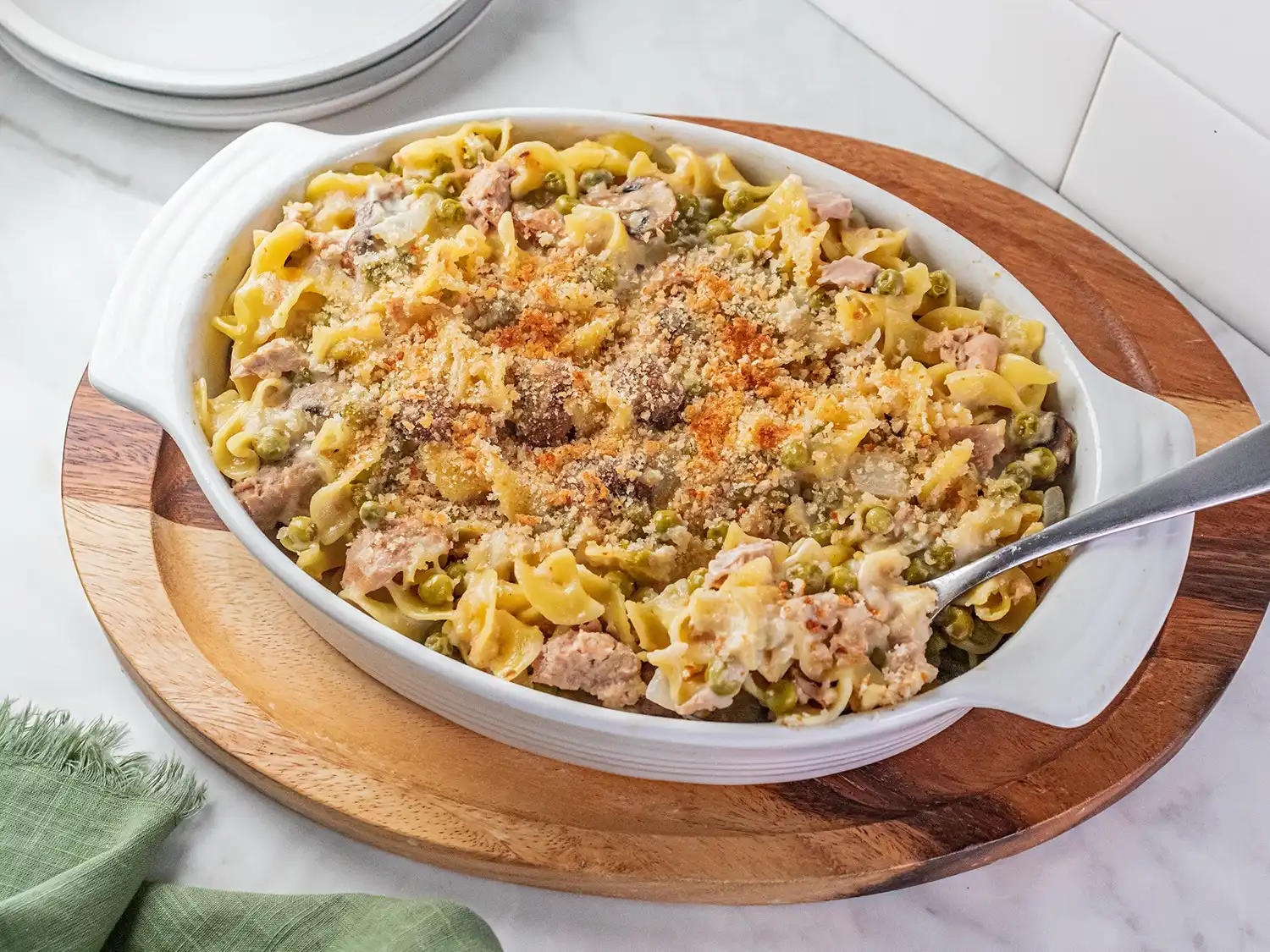
Start by boiling the egg noodles until soft but firm. Drain and set aside. Mix the tuna, sour cream, cream of mushroom soup, and peas in a large bowl. Stir in the cooked noodles and chopped onion. Pour the mixture into a baking dish. Spread shredded cheddar cheese evenly on top. Sprinkle breadcrumbs to add crunch. Bake in a preheated oven at 350°F (175°C) for 25 to 30 minutes. The casserole should be bubbly and golden brown. Let it cool slightly before serving to enjoy the full flavors.
Role Of Sour Cream
Sour cream plays a key role in making Tuna Noodle Casserole truly special. It’s not just a creamy addition; it transforms the texture and flavor in ways that other ingredients can’t match. Understanding how sour cream works can help you perfect this classic dish and make it your own.
Adding Creaminess
Sour cream adds a rich, velvety texture that coats the noodles and tuna beautifully. Unlike milk or plain yogurt, it has just the right thickness to hold the casserole together without making it runny. This creamy layer keeps every bite smooth and satisfying.
Think about your last casserole—did it feel dry or crumbly? A dollop of sour cream can fix that instantly. It melts into the sauce, creating a luxurious mouthfeel that makes the dish comforting and indulgent.
Enhancing Flavor
The tanginess of sour cream brightens the overall taste of Tuna Noodle Casserole. It cuts through the richness of the tuna and cheese, balancing savory flavors with a subtle zing. This slight acidity adds complexity, making each bite more interesting.
Have you noticed how some casseroles taste flat? Sour cream prevents that by adding depth without overpowering the other ingredients. It’s a simple way to elevate your casserole from good to memorable.
Choosing The Right Noodles
Selecting the ideal noodles is key for a creamy tuna noodle casserole with sour cream. Egg noodles blend well, providing a comforting texture. Opt for medium or wide noodles for the best mix with the sauce.
Choosing the right noodles for your Tuna Noodle Casserole with Sour Cream can elevate your dish from ordinary to extraordinary. The noodles you select will influence the texture and overall satisfaction of every bite. Whether you prefer something traditional or a bit more adventurous, there’s a perfect noodle waiting for your casserole.Best Pasta Types
Noodles with a good surface area are key. Egg noodles are a classic choice for their firm texture and ability to hold sauces well. Their slightly twisted shape captures the creamy sour cream mixture beautifully. If you’re looking for something different, fusilli or rotini can be excellent options. Their spiral shapes offer a delightful twist and help scoop up more of the savory tuna mixture. Whole wheat varieties add a nutty depth, but keep in mind they might not be as soft as their refined counterparts.Cooking Tips
Cook your noodles just shy of al dente. This means they should be slightly undercooked when you take them off the heat. Why? They’ll continue to cook in the oven, soaking up all the lovely flavors without becoming mushy. Add a generous pinch of salt to your boiling water. This simple step can significantly enhance the flavor of your noodles. Remember, noodles are the foundation of your casserole, so they need to be well-seasoned from the start. Have you ever considered rinsing your noodles after cooking? Skip this step for casseroles. You want the starches to remain so they can bind well with the other ingredients. It’s a small detail, but it makes a big difference. Choosing the right noodles might seem simple, but it’s these little choices that make your casserole memorable. What noodle will you try next?
Credit: www.tasteofhome.com
Tuna Selection Tips
Choosing the right tuna is key to making a tasty Tuna Noodle Casserole with sour cream. The type of tuna affects the dish’s texture and flavor. Picking the best option helps balance the creamy sauce and noodles. Consider freshness, taste, and convenience when selecting tuna for your recipe.
Canned Vs Fresh Tuna
Canned tuna is easy to use and lasts longer. It blends well with creamy ingredients like sour cream. Choose chunk light or solid white for different textures.
- Chunk light: softer, mild taste
- Solid white: firmer, stronger flavor
Fresh tuna has a firmer texture and richer taste. It needs quick cooking to stay tender. Use fresh tuna if you want a more gourmet casserole.
Flavor Considerations
Tuna varies in flavor from mild to strong. Pick a milder tuna to keep the casserole balanced. Avoid fishy or overly salty tastes. Taste and texture should complement sour cream and noodles.
- Look for clean, fresh smell
- Avoid overly oily or dry tuna
- Season lightly to enhance natural flavors
Creating The Creamy Sauce
Creating the creamy sauce is the heart of a delicious Tuna Noodle Casserole with sour cream. The sauce binds all the ingredients together and gives the dish its comforting texture. Getting the right balance and seasoning can turn a simple casserole into a memorable meal.
Balancing Sour Cream And Other Dairy
Sour cream adds a tangy richness that elevates the casserole’s flavor. But too much can overpower the dish, while too little makes it dry. Mixing sour cream with other dairy like cream cheese, milk, or even a bit of evaporated milk helps achieve a smooth, creamy texture without being too thick or runny.
Try starting with a base of sour cream and then add small amounts of milk or cream until you reach the perfect consistency. The sauce should coat the noodles well but still be easy to mix. Have you ever noticed how just a splash of milk can soften the tanginess and make the sauce silkier?
Seasoning Essentials
Seasoning is often overlooked but critical to bringing out the full flavor of your creamy sauce. A pinch of salt and pepper is a must, but don’t stop there. Adding garlic powder, onion powder, or a dash of mustard powder can add depth without overwhelming the sour cream’s flavor.
Fresh herbs like dill or parsley can brighten the sauce and complement the tuna perfectly. Consider a squeeze of lemon juice to cut through the richness and add a fresh twist. What unique seasoning could you add to make your casserole stand out on your next family dinner table?
Adding Vegetables And Extras
Adding vegetables and extras to your Tuna Noodle Casserole with sour cream can transform it from a simple dish into a vibrant meal packed with flavor and nutrition. These additions brighten up the casserole and give you a chance to customize it to your taste. Have you ever thought about how a few fresh veggies or a crunchy topping could change the whole eating experience?
Popular Vegetable Choices
Vegetables add color, texture, and nutrients. You can easily add peas, which bring a sweet pop with every bite. Chopped celery adds a subtle crunch and fresh flavor that balances the creaminess of the sour cream.
Carrots are another great option. They soften nicely and add a natural sweetness. Mushrooms offer an earthy depth, soaking up the sauce and making each mouthful more satisfying.
- Frozen peas – easy and quick, no chopping needed
- Celery – finely chopped for a fresh crunch
- Carrots – diced or shredded for sweetness
- Mushrooms – sliced and sautéed for richness
- Broccoli florets – add a healthy green and slight bite
Think about what vegetables you enjoy or have on hand. Adding what you like makes the casserole more personal and enjoyable.
Optional Crunchy Toppings
Crunchy toppings bring a satisfying contrast to the creamy base. Adding something crispy on top can make each spoonful more exciting to eat. Have you tried a crunchy crust on your casserole before?
Classic options like crushed potato chips or breadcrumbs are easy and delicious. Toasted almonds or pecans add a nutty flavor and extra texture. Even fried onions can elevate the dish with their crispy, savory bite.
- Crushed potato chips – salty and crispy
- Breadcrumbs – golden and crunchy when baked
- Toasted nuts – almonds or pecans for nutty crunch
- Fried onions – add a burst of flavor and texture
- Panko – light and extra crispy
Try mixing a few toppings to find your favorite combo. The crunch on top can turn an ordinary casserole into a crowd-pleaser.
Baking Techniques
Baking Tuna Noodle Casserole with sour cream involves simple but important techniques. These help create a dish that is creamy, warm, and perfectly cooked. Knowing the right oven settings and how to achieve the perfect texture makes all the difference.
Oven Settings
Set your oven to 350°F (175°C) for even baking. This temperature cooks the casserole gently. It melts the sour cream and blends flavors well. Avoid too high heat to prevent drying out the noodles. Use a middle rack to allow hot air to circulate. Cover the casserole with foil during the first half of baking. This keeps moisture inside. Remove the foil in the last 10 minutes to brown the top.
Achieving Perfect Texture
Mix the ingredients thoroughly before baking. This spreads the sour cream evenly. Cook noodles just until tender; they will cook more in the oven. Overcooked noodles turn mushy. Check casserole after 25 minutes to avoid overbaking. The top should be golden and bubbly. Let the casserole rest for 5 minutes before serving. This helps it set and makes serving easier.

Credit: themenumaid.com
Serving Suggestions
Serving Tuna Noodle Casserole with sour cream offers a comforting meal. The creamy texture and rich flavor blend well with various sides and drinks. Choosing the right accompaniments can enhance your dining experience.
Side Dishes
Light and fresh sides balance the casserole’s richness. Crisp green salads with lemon vinaigrette add brightness. Steamed or roasted vegetables like broccoli or green beans complement the creamy dish. Garlic bread or warm dinner rolls provide a satisfying, soft contrast. Simple coleslaw adds crunch and a hint of tang.
Pairing Drinks
Choose drinks that refresh the palate. A crisp white wine, such as Sauvignon Blanc, pairs nicely. Sparkling water with a slice of lemon keeps flavors clean. Light beers offer a mild contrast to the casserole’s richness. For a non-alcoholic option, iced tea with a touch of mint works well.
Variations And Twists
Tuna Noodle Casserole with sour cream is a comforting classic, but it doesn’t have to be the same every time. Tweaking the recipe can bring new life to your dish and keep your taste buds excited. Whether you want to eat healthier or just add a little extra flavor, these variations and twists can help you make the casserole your own.
Healthier Alternatives
Looking to make your tuna noodle casserole a bit lighter without losing its creamy goodness? Try swapping regular sour cream for Greek yogurt. It keeps the dish rich but adds protein and cuts down on fat.
You can also choose whole wheat or gluten-free noodles to fit your dietary needs. Adding more vegetables like spinach, peas, or mushrooms boosts nutrition and adds freshness.
Consider using low-sodium tuna and broth to control salt levels. These small changes can make a big difference in creating a healthier meal you’ll feel good about eating.
Flavor Enhancements
Want to surprise your family with a new twist? Add a pinch of smoked paprika or a dash of cayenne pepper to give your casserole a subtle kick. These spices add depth without overwhelming the classic taste.
Mix in fresh herbs like dill or thyme just before serving. They brighten the dish and add a burst of freshness that balances the creaminess.
For a crunchy topping, swap out the usual breadcrumbs for crushed almonds or panko mixed with Parmesan cheese. This adds texture and a toasty flavor that can make every bite more interesting.
Credit: greengiantvegetables.com
Frequently Asked Questions
What Makes Sour Cream Special In Tuna Noodle Casserole?
Sour cream adds creaminess and tang to tuna noodle casserole. It enhances texture and balances flavors, making the dish richer and more flavorful.
Can I Substitute Sour Cream In Tuna Noodle Casserole?
Yes, you can use Greek yogurt or cream cheese as substitutes. These options keep the creamy texture while adding a slight tangy flavor.
How To Store Leftover Tuna Noodle Casserole With Sour Cream?
Store leftovers in an airtight container in the refrigerator. Consume within 3-4 days for best taste and freshness.
Is Tuna Noodle Casserole With Sour Cream Healthy?
This casserole provides protein from tuna and calcium from sour cream. However, it can be high in calories and fat, so enjoy it in moderation.
Conclusion
Tuna noodle casserole with sour cream makes a tasty meal. It is simple to prepare and fills the kitchen with great smells. The creamy texture and rich flavors bring comfort in every bite. This dish works well for family dinners or quick lunches.
You can change ingredients to suit your taste. Try it once, and it may become a favorite in your home. Easy, delicious, and satisfying—what more could you want?

Hi, I’m Daniel Brooks—a food lover and kitchen gear enthusiast. I enjoy testing cookware, utensils, and gadgets to see what really works in everyday cooking. At PlugChef.com, I share honest reviews, comparisons, and simple guides to help you choose the best tools for a safer, smarter, and more enjoyable kitchen.
Related posts:
 What Type of Cooking Utensils are Safe: Expert Picks
 What Innovations Could Blenders Make: Unleashing Future Tech
 Smart Strategies to Organize a Small Kitchen: Maximize Space
 How to Organize a Kitchen Cabinet: Expert Tips & Tricks
 How to Organize Kitchen Drawers: Expert Tips and Tricks
 How to Organize a Corner Kitchen Cupboard: Expert Tips