

When you’re behind the wheel for hours on end, safety isn’t just about the road—it’s about being ready for anything. Your truck driver first aid kit isn’t just a box of supplies; it’s your lifeline in unexpected situations.
Imagine facing a minor injury or sudden illness far from help—would you have what you need to act fast and protect yourself? You’ll discover exactly what to pack, why each item matters, and how being prepared can give you peace of mind on every trip.
Keep reading to make sure your first aid kit is truly ready to keep you safe.
Credit: www.homedepot.com
Must-have Items In A First Aid Kit
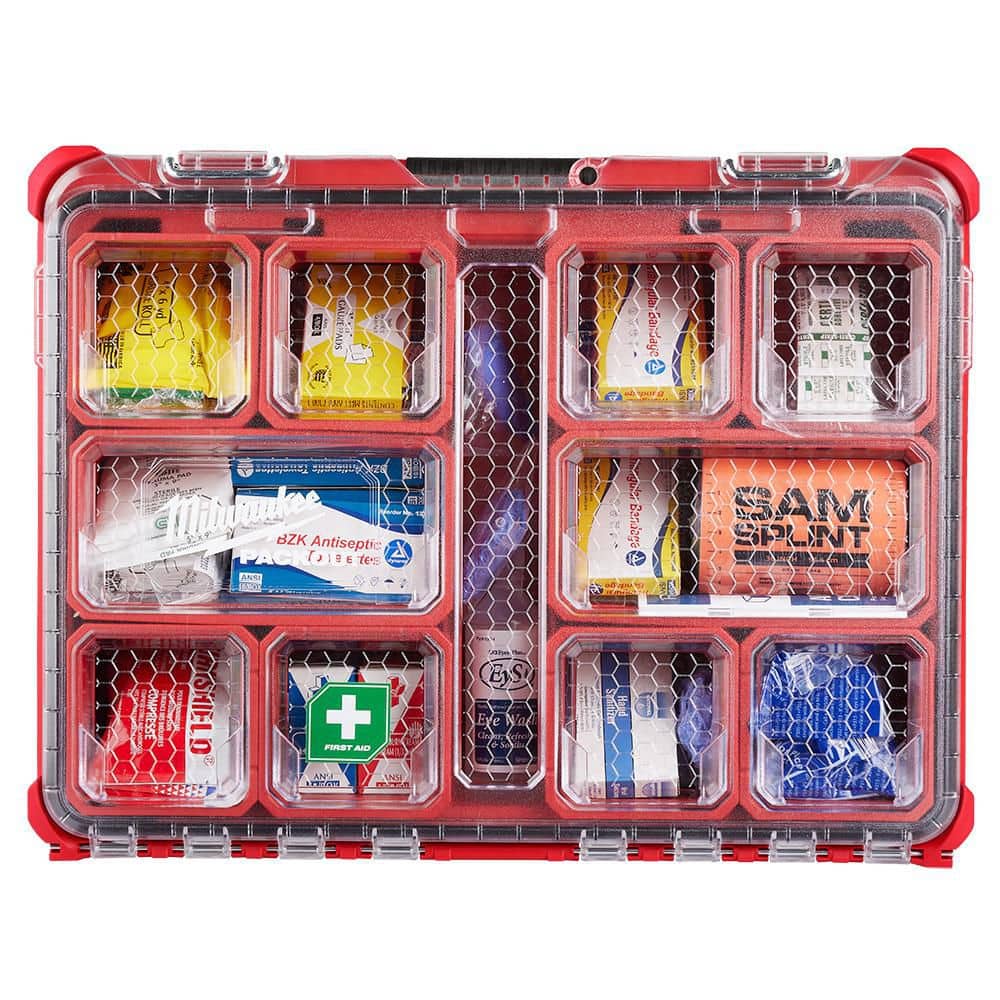
A truck driver’s first aid kit should include bandages, antiseptic wipes, pain relievers, and gloves. These items help treat cuts, burns, and minor injuries quickly on the road. Keeping these essentials ensures safety during emergencies.
Embarking on a long-haul journey as a truck driver means you are often miles away from immediate help. A well-stocked first aid kit is not just a practical necessity but a lifeline. Understanding the essential items to include can make the difference between a minor inconvenience and a major issue. Let’s delve into the crucial components every truck driver should have in their first aid kit.Basic Bandages And Dressings
A first aid kit is incomplete without bandages and dressings. Keep a variety of sizes to cater to different wounds. Include adhesive bandages for small cuts and gauze pads for larger wounds. These can prevent infections and help stop bleeding. Wrap bandages are useful for sprains or securing gauze pads. They provide support and reduce swelling, which is vital when you’re far from medical facilities.Antiseptics And Ointments
Keeping wounds clean is crucial, especially when you’re on the road for hours. Antiseptic wipes and solutions are essential for cleaning cuts and scrapes. Antibiotic ointments help prevent infections. They create a barrier that shields the wound from bacteria, ensuring faster healing. Consider including burn ointments. Burns can happen unexpectedly and require immediate care to prevent further damage.Tools And Instruments
Having the right tools can make administering first aid more efficient. Include scissors for cutting bandages and gauze. Tweezers are handy for removing splinters or debris from wounds. They can prevent complications and ensure a smoother recovery. A digital thermometer is useful for monitoring fevers. It’s a quick way to check if you need medical attention beyond your kit.Medications For Common Ailments
Long hours on the road can lead to headaches, allergies, or upset stomachs. Stock up on over-the-counter medications like pain relievers and antihistamines. Consider adding antacids for digestive issues. Long drives can upset your stomach, and relief is crucial when you’re on a tight schedule. Keep cold and flu medications handy. They allow you to manage symptoms and stay focused on driving safely. Are you prepared for unexpected health situations on the road? Having these essentials in your first aid kit can ensure you’re ready for anything that comes your way.
Credit: www.amazon.com
Choosing The Right First Aid Kit
Choosing the right first aid kit for truck drivers is crucial for safety on the road. The kit must fit the unique needs of long hauls and quick access during emergencies. A good first aid kit supports prompt care for injuries or sudden health issues. Consider several key factors to find the best option.
Size And Portability
The kit should be compact enough to store easily in the truck cabin. Portability allows quick access in case of an emergency. Avoid bulky kits that take up too much space or are hard to carry. A lightweight kit helps drivers keep it within reach at all times.
Durability And Storage
Choose a kit with a sturdy case to protect supplies from damage. A durable container keeps items safe from dust, moisture, and impact. Storage compartments help organize materials for faster use. Look for water-resistant or hard-shell cases for added protection.
Pre-packaged Vs Custom Kits
Pre-packaged kits offer convenience with ready-made supplies suited for common injuries. They save time and ensure essential items are included. Custom kits allow drivers to add specific items based on personal needs or routes. This option provides flexibility and tailored care options.
Legal Requirements For Truck Drivers
Truck drivers must carry a first aid kit that meets legal standards. These rules protect drivers and others on the road. Knowing the legal requirements helps avoid fines and keeps everyone safe.
Regulations By Region
Each region has its own rules for first aid kits in trucks. In the United States, the Federal Motor Carrier Safety Administration sets guidelines. Canada has similar rules under Transport Canada. European countries follow the European Agreement concerning the Work of Crews of Vehicles Engaged in International Road Transport (AETR).
These regulations often specify the items needed in the kit. They also define the minimum quantity of supplies. Truck drivers should check local laws before traveling across borders.
Company Policies
Many trucking companies require first aid kits beyond legal demands. Companies want to ensure driver safety and reduce risks. They may add extra items like burn cream or gloves. Some companies provide training on how to use the kit.
Following company policies can protect your job and health. Always check your employer’s rules before starting a trip.
Compliance Tips
- Keep the first aid kit in an accessible place in the truck.
- Check the kit regularly for expired or missing items.
- Update the kit according to regional laws and company rules.
- Learn how to use each item in the kit properly.
- Document inspections and replacements for proof of compliance.
Maintaining And Restocking Your Kit
Keeping your truck driver first aid kit well-maintained and fully stocked can make a crucial difference during emergencies on the road. A kit that’s missing essentials or filled with expired items won’t serve you when you need it most. Regular upkeep not only ensures your safety but also gives you peace of mind during long hauls.
Regular Inspections
Set a schedule to check your first aid kit often—monthly or after every long trip. Look through each item carefully to spot damages or missing supplies. Think about the last time you used the kit; was everything easy to find and in good condition?
Make a checklist of key items like bandages, antiseptic wipes, and pain relievers to verify during inspections. This habit helps you avoid surprises when an emergency arises. Have you ever opened a kit only to find it missing something vital? Avoid that frustration by inspecting regularly.
Replacing Expired Items
Medications and ointments lose their effectiveness past their expiration dates. Check the dates stamped on bottles and packages, and replace anything that’s expired or close to expiring. Your safety depends on having reliable, potent supplies.
Some items, like adhesive bandages and sterile gauze, don’t expire quickly but still need to be replaced if the packaging is damaged or opened. Keep a small notepad or digital note to track expiration dates and set reminders on your phone. How often do you think about the shelf life of your first aid supplies?
Storage Best Practices
Store your first aid kit in a cool, dry place inside your truck where it’s easy to access but protected from extreme temperatures. Avoid places where moisture or dirt can get in, as these can spoil your supplies. A sturdy, waterproof container with compartments works best.
Label the kit clearly and keep it within reach—near your driver’s seat or in the glove box. You want to grab it quickly without fumbling during an emergency. Have you arranged your kit so you can find what you need with your eyes closed?
First Aid Training For Truck Drivers
First aid training is essential for truck drivers who face unique challenges on the road. Knowing how to act quickly and confidently in emergencies can save lives. This training equips you with the skills needed to handle injuries and medical situations until professional help arrives.
Basic Life-saving Skills
Every truck driver should learn how to perform CPR and use an automated external defibrillator (AED). These skills can keep someone alive during cardiac arrest. You also need to know how to clear airways and control bleeding effectively.
Practicing these skills regularly builds confidence. Imagine encountering an accident and being the first person to step in—your knowledge could be the difference between life and death.
Handling Common Road Injuries
Road injuries often include cuts, burns, fractures, and shock. Learning how to clean wounds, apply bandages, and immobilize broken bones is crucial. You should also know how to spot signs of concussion or internal injuries.
Think about the last time you saw a roadside accident. How prepared were you to offer help? Training ensures you won’t freeze in such moments, enabling you to act swiftly and correctly.
Emergency Response Procedures
Knowing the correct steps after an accident can prevent chaos. Training covers how to assess the scene, call emergency services, and prioritize care. It also teaches you how to protect yourself and the injured from further harm.
Would you know how to stay calm and organized when seconds matter most? These procedures guide you to take control, ensuring help arrives promptly and everyone stays safe.

Credit: www.walmart.com
Additional Safety Gear To Consider
Truck drivers face many risks on the road. Beyond a first aid kit, extra safety gear can protect drivers and others. This gear helps manage emergencies better and keeps everyone safer.
Personal Protective Equipment
Personal protective equipment (PPE) is essential for truck drivers. Gloves protect hands from cuts and germs. Safety glasses shield eyes from dust and debris. High-visibility vests make drivers more visible in low light. Proper footwear prevents slips and falls during stops or loading.
Emergency Signaling Devices
Emergency signaling devices alert others to trouble. Reflective triangles warn oncoming traffic of a breakdown. Flares provide bright, visible signals at night. A whistle can call for help if needed. These tools increase safety during roadside emergencies.
Fire Extinguishers And Blankets
Fire extinguishers are critical for small fires. They help control fires before they spread. Fire blankets can smother flames quickly. Keeping both on board reduces damage and protects lives. Check expiration dates and replace gear regularly.
Frequently Asked Questions
What Essential Items Are In A Truck Driver First Aid Kit?
A truck driver first aid kit typically includes bandages, antiseptic wipes, gauze pads, adhesive tape, scissors, gloves, and pain relievers. These items help manage minor injuries and prevent infections during emergencies on the road.
How Often Should Truck Drivers Check Their First Aid Kits?
Truck drivers should inspect their first aid kits monthly to ensure all items are present and not expired. Regular checks keep the kit ready for emergencies and compliant with safety regulations.
Can A First Aid Kit Help In Road Accident Emergencies?
Yes, a first aid kit is crucial for treating injuries immediately after a road accident. It helps stabilize victims before professional medical help arrives, potentially saving lives.
Are There Legal Requirements For Truck Driver First Aid Kits?
Many regions require truck drivers to carry first aid kits meeting specific standards. These regulations ensure drivers can handle minor injuries and comply with transportation safety laws.
Conclusion
A truck driver first aid kit keeps you ready for small emergencies. It helps treat cuts, burns, and other injuries on the road. Carrying one shows you care about safety and health. Always check the kit and replace used items quickly.
A well-stocked kit can make a big difference in tough situations. Stay prepared and drive with peace of mind. Safety starts with simple steps like this. Keep your first aid kit close and know how to use it. Your health depends on it.

I’m Abby Lu, a passionate home cook who loves simplifying everyday meals. At PlugChef.com, I share product reviews and cooking guides to help you find the best tools for your kitchen.
Related posts:
 What Type of Cooking Utensils are Safe: Expert Picks
 What Innovations Could Blenders Make: Unleashing Future Tech
 Smart Strategies to Organize a Small Kitchen: Maximize Space
 How to Organize a Kitchen Cabinet: Expert Tips & Tricks
 How to Organize Kitchen Drawers: Expert Tips and Tricks
 How to Organize a Corner Kitchen Cupboard: Expert Tips

