

When you hit the trails, the last thing you want is to be caught unprepared. Imagine twisting an ankle or getting a cut far from help—how will you handle it?
That’s where your trail running first aid kit becomes your best companion. Having the right supplies with you isn’t just smart; it can make the difference between a quick recovery and a ruined run. Keep reading to discover exactly what you need to pack, so you can stay safe and confident every time you lace up your shoes.
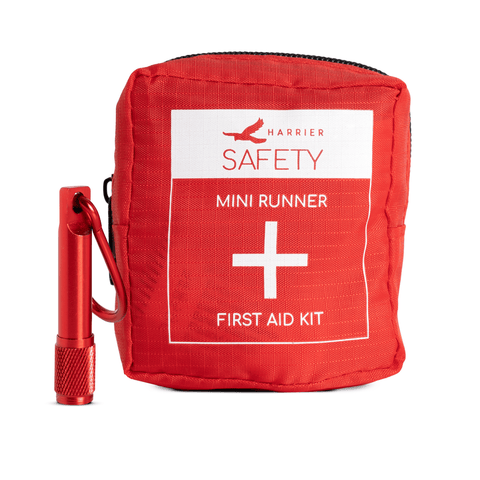
Credit: harrierrunfree.co.uk
Choosing The Right First Aid Kit
Choosing the right first aid kit for trail running is crucial for safety. A well-prepared kit handles minor injuries and emergencies on the trail. It must be compact, lightweight, and contain essential items for common trail injuries.
Each runner’s needs differ based on trail length, difficulty, and weather. Selecting the right kit means balancing completeness with portability. Overpacking can slow you down; underpacking leaves you unprepared.
Assessing Your Trail Running Needs
Consider the trail length and expected weather conditions. Long or remote trails require more supplies. Hot or cold climates may demand specific items like sunscreen or frostbite treatment.
Think about your personal health and past injuries. Include any special medications or allergy treatments. Match the kit contents to your specific risks and environment.
Essential Items For Trail Running First Aid Kits
- Adhesive bandages of various sizes
- Antiseptic wipes and ointments
- Sterile gauze pads and tape
- Blister treatment supplies
- Elastic bandage for sprains
- Tweezers and safety pins
- Pain relief tablets
- Emergency blanket
These items cover most common trail injuries like cuts, blisters, and sprains. Pack items that fit your trail environment and physical condition.
Size And Weight Considerations
Keep the kit light and compact to avoid burdening yourself. Small kits fit easily in running packs or pockets. Avoid bulky containers that add unnecessary weight.
Choose durable packaging to protect contents from water and dirt. A waterproof pouch or hard case works well for trail conditions.
Regularly Updating Your First Aid Kit
Check your kit before every run. Replace expired or used items promptly. Update the kit based on new trail challenges or health needs.
Maintaining a fresh kit ensures readiness for any trail emergency. A reliable kit supports safer, more confident running adventures.

Credit: harrierrunfree.co.uk
Basic First Aid Supplies
Having a basic first aid kit while trail running isn’t just smart—it can make a real difference when injuries happen far from help. Your kit should cover the essentials to treat minor cuts, scrapes, and blisters quickly. Knowing what to include ensures you’re prepared without carrying unnecessary weight.
Bandages And Dressings
Bandages and dressings are your frontline defense against bleeding and dirt getting into wounds. Pack a variety of sizes—small adhesive bandages for tiny cuts and larger sterile dressings for deeper scrapes. I once dealt with a runner’s scraped knee by quickly applying a dressing to stop the bleeding and prevent infection, which kept them comfortable until we got back to the trailhead.
Antiseptic Wipes And Ointments
Cleaning a wound properly can prevent infections that might ruin your entire run. Antiseptic wipes are compact and easy to use for immediate cleaning. Adding a small tube of antibiotic ointment helps protect the injury further. Have you ever ignored cleaning a small cut only to deal with swelling days later? These supplies can save you that trouble.
Adhesive Tape And Scissors
Adhesive tape secures dressings firmly in place, especially when you’re moving a lot. It’s also handy for supporting minor sprains or holding blister pads. A small pair of scissors lets you customize bandage sizes and cut tape precisely, which is crucial when time and dexterity are limited on the trail. Don’t underestimate how frustrating it is to manage tape without scissors—you want to avoid that hassle.
Tools For Outdoor Emergencies
When you’re out on the trail, unexpected situations can arise fast. Having the right tools for outdoor emergencies can make all the difference between a minor hiccup and a serious problem. These tools are compact, easy to carry, and designed to help you handle a range of challenges effectively.
Multi-tool Essentials
A good multi-tool is your all-in-one lifeline. It can include pliers, a knife, screwdrivers, and even scissors. I’ve found that carrying one saved me from a potential gear disaster when my shoe buckle broke mid-run.
Look for multi-tools that are lightweight but sturdy. The ability to fix equipment, cut bandages, or even open a can could prove invaluable. What would you do if your gear failed miles away from help?
Thermal Blanket For Hypothermia
Temperature changes on the trail can happen suddenly. A thermal blanket is compact and can trap your body heat to prevent hypothermia in cold or wet conditions. I once used one to stay warm while waiting for rescue after an unexpected storm.
Don’t underestimate how quickly your body can lose heat. Carrying a thermal blanket adds almost no weight but offers critical protection. How prepared are you to handle a drop in temperature on your next run?
Whistle For Signaling
A whistle is a simple but powerful tool for attracting attention. Unlike shouting, a whistle’s sound carries farther and requires less energy. I’ve heard stories of runners being located just because they had a whistle on hand.
Choose a whistle with a strong, high-pitched tone. Keep it accessible so you can reach it quickly if needed. Have you thought about how you would signal for help if you were injured or lost?
Managing Common Trail Injuries
Trail running exposes you to rough terrain and unpredictable conditions. Injuries like blisters, sprains, cuts, and scrapes are common. Carrying a first aid kit and knowing how to use it helps you manage these issues quickly. Proper care prevents infections and speeds up recovery. Here’s how to handle common trail injuries effectively.
Blister Treatment
Blisters form from friction and moisture during long runs. Clean the area gently with antiseptic. Avoid popping the blister to reduce infection risk. Cover it with a sterile, cushioned bandage or blister pad. Change the dressing regularly to keep the skin dry. Use moleskin or tape to protect hotspots before running.
Sprains And Strains Care
Sprains and strains cause pain and swelling in muscles or joints. Rest the injured area immediately. Apply a cold pack wrapped in cloth for 15-20 minutes to reduce swelling. Compress the area with an elastic bandage for support. Elevate the limb to minimize fluid buildup. Avoid putting weight on the injury until it feels better.
Dealing With Cuts And Scrapes
Cuts and scrapes happen from rocks, branches, or falls. Stop any bleeding by pressing gently with a clean cloth. Rinse the wound with clean water to remove dirt. Apply an antiseptic wipe or cream to prevent infection. Cover the injury with a sterile bandage or gauze. Change the dressing daily and watch for redness or swelling.
Handling Environmental Hazards
Trail running exposes you to many environmental hazards. These hazards can cause discomfort or serious injury. Carrying the right first aid items helps you stay safe and enjoy your run. Focus on sun protection, insect bites, and poisonous plants to handle common risks.
Sun Protection Gear
Sunburn can ruin your run and cause long-term skin damage. Pack sunscreen with at least SPF 30. Choose a broad-spectrum type to block UVA and UVB rays. Lip balm with SPF protects your lips. Wear a lightweight hat and UV-protection sunglasses. Long-sleeve shirts and pants shield your skin from direct sunlight.
Insect Bite Remedies
Insects can bite or sting, causing pain and swelling. Include insect repellent in your kit to keep bugs away. Antihistamine cream helps reduce itching and redness. Carry a small pair of tweezers to remove ticks safely. Calamine lotion soothes irritated skin after bites.
Poisonous Plants Precautions
Some plants cause rashes and allergic reactions. Learn to identify poison ivy, poison oak, and poison sumac. Avoid touching these plants during your run. Pack cleansing wipes or a bottle of water to wash your skin quickly. Hydrocortisone cream helps reduce itching from plant rashes.
Customizing Your Kit For Personal Needs
Every trail runner’s first aid kit should reflect their unique needs. Customizing your kit ensures you’re ready for the specific challenges you might face on the trail. Think about your health, the trail’s length, and where you’ll be running to pack smart and stay safe.
Medication For Allergies
Do you have allergies that could strike while you’re miles from help? Adding antihistamines or an epinephrine injector can be a lifesaver. Even if your allergies seem mild, the trail environment can trigger unexpected reactions.
Include medications for insect bites, pollen, or food allergies you know about. Don’t forget to check expiration dates regularly. Carrying these items might feel cautious, but it’s better than being caught unprepared.
Personal Health Considerations
Your health history shapes what your kit should hold. If you have asthma, pack your inhaler. If you’re prone to headaches or muscle cramps, bring pain relievers and electrolyte tablets.
I once skipped packing my migraine medication on a long run, thinking I wouldn’t need it. Midway, a headache hit hard and slowed me down. That experience taught me to always consider personal health conditions carefully when preparing.
Adjusting For Trail Length And Location
How long and remote is your run? For short, local trails, a basic kit might suffice. But longer or backcountry runs demand more supplies—extra bandages, antiseptic wipes, and even a compact emergency blanket.
Consider the environment too. Rocky trails increase the risk of scrapes and twisted ankles, so pack sturdy tape and a small splint. If you’re running in hot climates, add sunscreen and hydration aids. Tailor your kit to your trail’s challenges to stay confident on every step.
Maintaining And Updating Your Kit
Keeping your trail running first aid kit ready means more than just packing it once and forgetting about it. Regular maintenance ensures that every item inside is reliable when you need it most. A well-maintained kit can make a crucial difference during unexpected scrapes or injuries on the trail.
Regular Inventory Checks
Check your kit before every major run or at least once a month. Look for missing items or supplies that look worn out. It helps to keep a checklist handy so you don’t overlook essentials like bandages, antiseptic wipes, or pain relievers.
Ask yourself: Could you quickly find everything if you needed it right now? If not, reorganize and restock until you can.
Replacing Expired Items
Medicines and antiseptics lose effectiveness past their expiration dates. Using expired products can do more harm than good. Mark expiration dates on your calendar to remind yourself when to replace them.
Think about the last time you actually used your kit. Did you rely on items that might have been expired? If so, it’s time to update.
Adapting To Seasonal Changes
Your first aid needs change with the seasons. In summer, add extra sunscreen and insect repellent. During winter months, consider including items like lip balm and hand warmers.
Have you noticed how different weather affects your skin and muscles while running? Tailoring your kit for those changes can prevent small issues from becoming big problems.
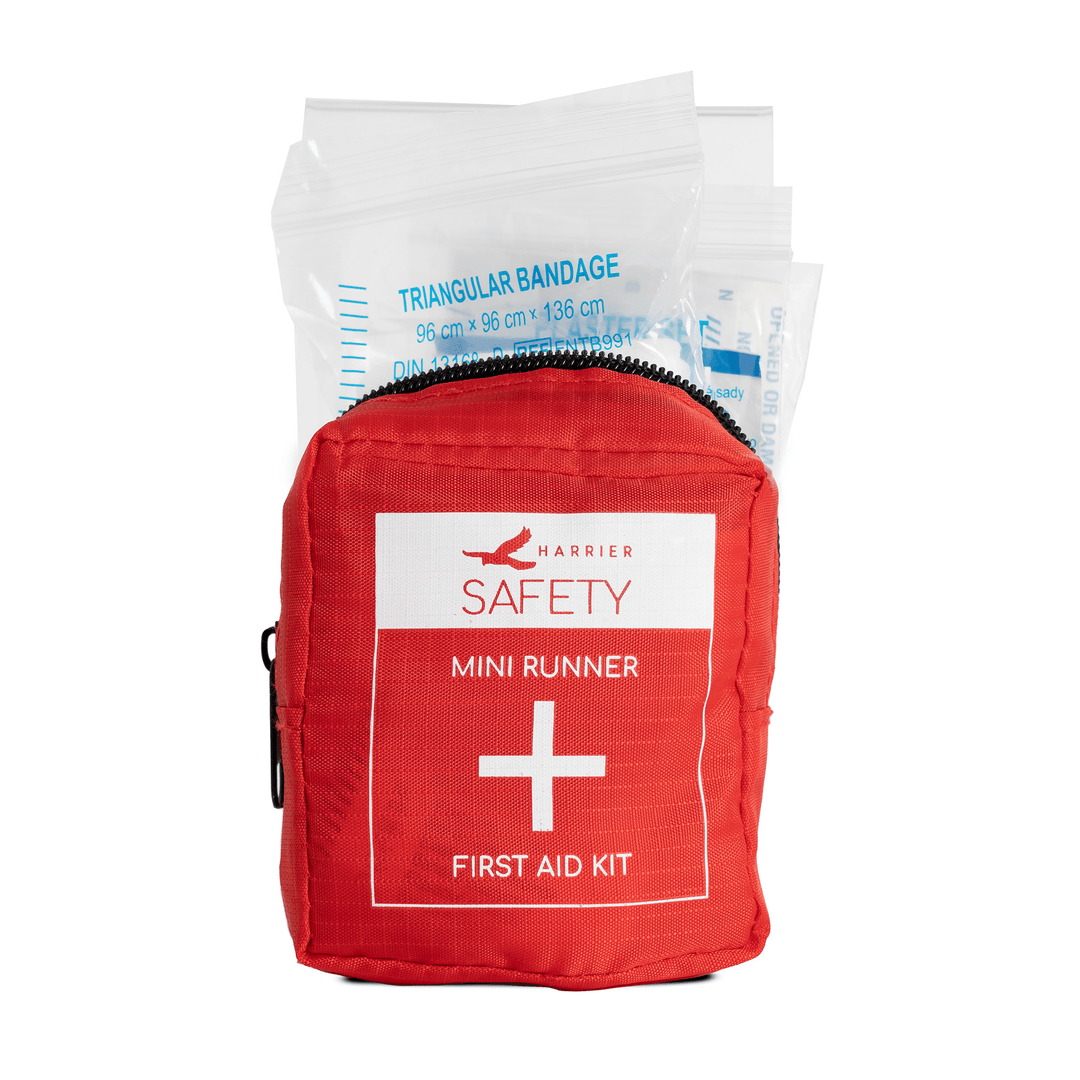
Credit: harrierrunfree.co.uk
Frequently Asked Questions
What Essential Items Should A Trail Running First Aid Kit Include?
A trail running first aid kit should include bandages, antiseptic wipes, blister treatment, pain relief, tweezers, and adhesive tape. These items address common injuries like cuts, scrapes, and blisters. Carrying a compact kit ensures quick and effective treatment on the trail.
How Do I Pack A Lightweight First Aid Kit For Trail Running?
Use small, multi-use items and travel-sized packaging to keep the kit light. Prioritize essentials like bandages, antiseptic, and painkillers. Avoid bulky or unnecessary items. A lightweight kit balances preparedness with comfort, making it easier to carry during runs.
Why Is A First Aid Kit Important For Trail Running Safety?
A first aid kit helps treat injuries promptly, preventing complications. Trails can cause cuts, blisters, and sprains, requiring immediate care. Having a kit enhances safety by enabling runners to manage emergencies until professional help arrives.
How Often Should I Check And Restock My First Aid Kit?
Check your kit before every trail run and restock after use. Inspect expiration dates on medications and replace used or outdated items promptly. Regular maintenance ensures your kit is always ready for emergencies.
Conclusion
A trail running first aid kit keeps you ready for small injuries. It helps treat cuts, scrapes, and blisters quickly. Carrying it adds safety and peace of mind. Choose lightweight, essential items that fit your needs. Check your kit before every run to stay prepared.
Trail running is fun but also requires caution. Stay safe, enjoy the trail, and run with confidence.

I’m Abby Lu, a passionate home cook who loves simplifying everyday meals. At PlugChef.com, I share product reviews and cooking guides to help you find the best tools for your kitchen.
Related posts:
 What Type of Cooking Utensils are Safe: Expert Picks
 What Innovations Could Blenders Make: Unleashing Future Tech
 Smart Strategies to Organize a Small Kitchen: Maximize Space
 How to Organize a Kitchen Cabinet: Expert Tips & Tricks
 How to Organize Kitchen Drawers: Expert Tips and Tricks
 How to Organize a Corner Kitchen Cupboard: Expert Tips