
Are you craving a pizza with a crispy, thin crust that melts in your mouth? You’re in the right place.
Making thin pizza dough at home might seem tricky, but with the right recipe, you’ll get that perfect crunch every time. Imagine biting into your own pizza, where the crust is light, crisp, and full of flavor. This recipe will show you exactly how to achieve that, step by step.
Ready to impress your taste buds and your guests? Keep reading, and your pizza nights will never be the same.

Credit: nourishedbynic.com
Choosing The Right Flour
Choosing the right flour is crucial for achieving the perfect thin pizza dough crust. The type of flour you pick affects the dough’s texture, chewiness, and how well it holds up during baking. Knowing which flour suits your style can make a noticeable difference in your homemade pizza.
All-purpose Vs. Bread Flour
All-purpose flour is a versatile choice, easy to find, and works well for most pizza doughs. It has a moderate protein content, usually around 10-12%, which gives a tender crust with a slight chew. If you prefer a softer, lighter crust, all-purpose flour might be your best bet.
On the other hand, bread flour contains more protein, generally 12-14%, which means more gluten development. This results in a chewier, more elastic dough that can stretch thin without tearing. If you like a crust that has some bite and structure, bread flour can be a game changer.
High-gluten Options
For those who want a truly thin and crispy crust, high-gluten flour is worth considering. It has an even higher protein content than bread flour, often above 14%, which helps build a strong gluten network. This makes the dough easier to stretch paper-thin and gives it a satisfying crunch after baking.
Have you experimented with different flours in your pizza making? Notice how the dough behaves differently? Using high-gluten flour requires a bit more kneading but can dramatically improve your thin crust’s texture and durability.
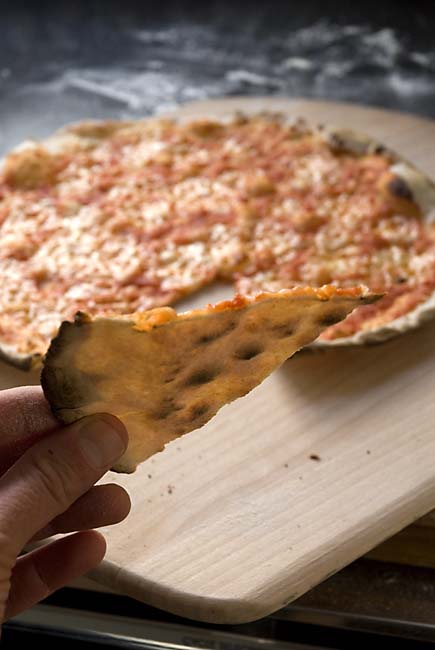
Credit: artisanbreadinfive.com
Essential Ingredients
Getting the essential ingredients right is the key to crafting a perfect thin pizza dough crust. Each component plays a specific role in texture, flavor, and overall dough behavior. Understanding these roles helps you control the dough and tailor it to your taste.
Yeast Types And Usage
Choosing the right yeast impacts how your dough rises and develops flavor. Active dry yeast is common and easy to find, but instant yeast works faster and can be mixed directly with flour. Fresh yeast offers a more traditional taste but needs careful handling and refrigeration.
Have you ever noticed how the dough’s rise changes with different yeasts? Testing each type can reveal which suits your baking style best.
Water Temperature Tips
Water temperature affects yeast activation and dough texture. Use water that feels warm but not hot—around 100°F (38°C) is ideal. Too hot water kills the yeast, too cold slows down fermentation.
Try using a kitchen thermometer to measure water temperature. This small step can make a big difference in your dough’s rise and elasticity.
Salt And Sugar Roles
Salt controls yeast activity and strengthens gluten, making the dough easier to handle. Sugar feeds the yeast, encouraging a quicker rise and adding a subtle sweetness. Both ingredients balance each other to enhance flavor and texture.
Have you experimented with reducing salt or sugar? Noticing how your dough reacts can help you find the perfect balance for your taste.
Olive Oil Benefits
Olive oil adds moisture and richness to the dough, making it easier to stretch thin without tearing. It also contributes a subtle flavor that complements the toppings. Adding oil helps create a tender, crisp crust once baked.
Consider using extra virgin olive oil for a more pronounced taste. Your dough will thank you with every bite.
Preparing The Dough
Preparing the dough is the heart of making a thin pizza crust. It requires careful attention to mixing, kneading, and letting the dough rest. Each step contributes to the final texture and flavor of your pizza base.
Mixing Techniques
Start by combining the flour, yeast, salt, and water in a bowl. Use a wooden spoon for initial mixing. Ensure all ingredients are well blended. The mixture should be slightly sticky. Avoid overmixing, which can toughen the dough. A gentle approach creates a balanced consistency.
Kneading For Texture
Transfer the dough onto a floured surface. Begin kneading by folding and pressing with your hands. Knead for about 10 minutes. This develops gluten, essential for elasticity. The dough should become smooth and elastic. If it feels sticky, sprinkle a bit more flour.
Resting And Proofing Times
Place the kneaded dough in a lightly oiled bowl. Cover it with a damp cloth. Allow it to rest in a warm spot. This resting period should last for about an hour. The dough will double in size. Proofing is crucial for flavor and texture. It allows the dough to relax.
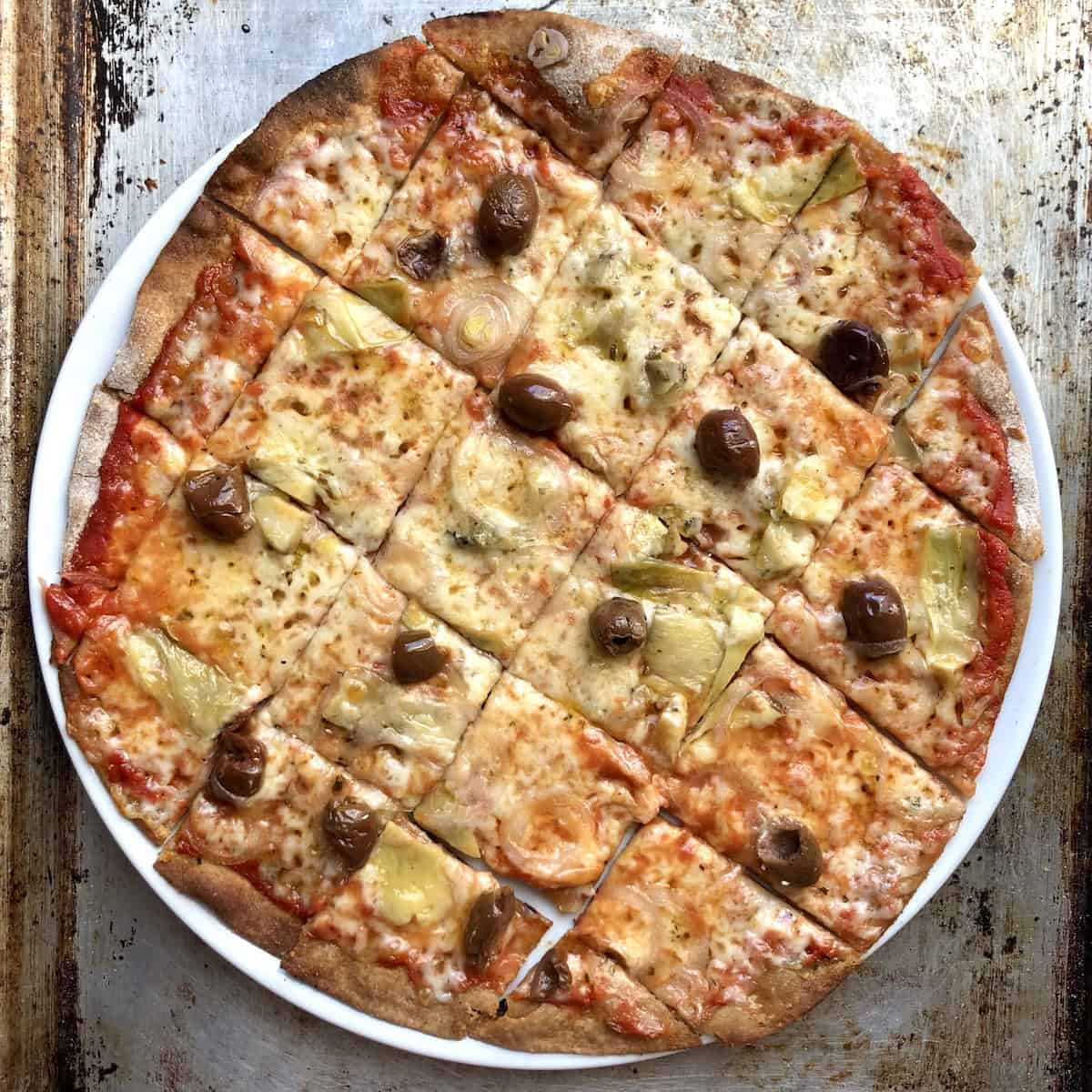
Credit: bitingatthebits.com
Shaping Thin Crust
Shaping thin crust pizza dough takes patience and care. It sets the base for a crispy and delicious pizza. The dough must be handled gently to keep it light and thin. Below are key tips to shape your dough perfectly without damaging it.
Stretching Vs. Rolling
Stretching dough by hand keeps air bubbles intact. It creates a lighter, chewier crust. Rolling dough with a pin can press out the air. This may cause a denser crust. Stretching allows more control over thickness. Rolling is faster but less delicate. Use stretching for a traditional thin crust. Rolling works if you want a uniform shape quickly.
Avoiding Dough Tears
Thin dough is easy to tear if pulled too hard. Let the dough rest before shaping to relax gluten. Work on a lightly floured surface to prevent sticking. Gently lift and stretch from the edges. Avoid pressing too hard in one spot. If a tear appears, patch it with a small dough piece. Pat the patch down softly to seal. Handle dough with soft hands and avoid sharp nails or rings.
Baking For Crispiness
Baking thin pizza dough to achieve a crispy crust requires attention to heat and surface. Crispiness depends on how well the dough cooks and dries out. Baking techniques can make a big difference in texture and taste.
Oven Temperature Settings
Set the oven to a high temperature, around 475°F to 500°F (245°C to 260°C). High heat cooks the dough quickly and crisps the edges. Avoid lower temperatures that make the crust soft and chewy. Use the upper end of your oven’s range for best results.
Using Pizza Stones Or Steel
A pizza stone or steel transfers heat evenly and fast. These tools mimic a brick oven floor. Place the stone or steel on the oven rack before heating. This helps the crust cook from the bottom and get crunchy. They hold heat longer than a baking sheet, improving crispiness.
Preheating Importance
Preheat the oven with the stone or steel inside for at least 30 minutes. This ensures the surface is very hot. Placing the dough on a cold surface will slow baking and soften the crust. Proper preheating creates a quick, intense bake that locks in crispness.
Topping Tips
Getting the toppings right on your thin pizza dough crust can make all the difference between a soggy mess and a perfectly crisp slice. Since the crust is delicate, the toppings need to complement it without weighing it down. Let’s look at how you can choose the best toppings and balance the sauce and cheese for an ideal bite every time.
Choosing Light Toppings
Heavy toppings can easily overwhelm thin crust, causing it to lose its crisp texture. Opt for lighter ingredients like fresh vegetables, thinly sliced meats, or small amounts of flavorful cheese.
Think about using toppings that release little moisture during baking, such as bell peppers, mushrooms, or arugula added after baking. Avoid piling on thick layers of sauce or dense toppings like large chunks of sausage which can make the crust soggy.
Have you tried experimenting with fresh herbs like basil or oregano? They add aroma and flavor without adding weight or moisture.
Balancing Sauce And Cheese
Too much sauce can soak into the thin dough, making it limp. Use just enough sauce to cover the surface lightly, creating a thin, even layer.
When it comes to cheese, less is more. Choose cheeses that melt well but don’t release excessive oil, such as fresh mozzarella or part-skim mozzarella.
Try blending cheeses for texture and flavor—adding a sprinkle of parmesan or pecorino on top can enhance taste without adding bulk.
Have you noticed how a perfectly balanced pizza allows the crust’s crispness to shine through? That’s the magic of the right sauce-to-cheese ratio.
Troubleshooting Common Issues
Making thin pizza dough crust can sometimes lead to unexpected results. Even with a great recipe, issues like sogginess, toughness, or overbaking can sneak in and affect your final pizza. Understanding how to troubleshoot these common problems will help you bake a perfect crust every time.
Avoiding Soggy Crust
Soggy crust usually happens when the dough absorbs too much moisture from toppings or sauce. Try using less sauce or a thicker, less watery tomato sauce to keep the crust crisp. You can also pre-bake the dough for a few minutes before adding toppings; this creates a barrier that prevents sogginess.
Another tip is to spread toppings evenly and avoid piling them too thickly. Have you noticed how some pizzerias pat dry fresh vegetables before using them? That’s a great trick to reduce excess moisture on your pizza.
Fixing Tough Dough
Tough dough often results from overworking or using too much flour. When you knead, aim for smooth and elastic dough but stop before it feels stiff. Adding a bit more water or olive oil can help keep the dough soft and pliable.
If your dough is already tough, let it rest longer. Resting relaxes the gluten, making the dough easier to roll out and less chewy after baking. How long you rest it can make a big difference—sometimes a quick 20-minute break isn’t enough.
Preventing Overbaking
Thin crust pizzas cook fast, so keeping an eye on the oven is crucial. Set a timer and check the pizza a few minutes before the suggested baking time to avoid burning. Remember, the crust should be golden and crispy but not dark brown or blackened.
Using a pizza stone or steel can help distribute heat evenly, preventing hot spots that cause overbaking. Have you tried lowering your oven temperature slightly and baking a little longer? This method can give you better control over doneness without sacrificing crispness.
Frequently Asked Questions
What Ingredients Make Thin Pizza Dough Crust?
Thin pizza dough crust uses flour, water, yeast, salt, and olive oil. These create a light, crispy base perfect for thin pizzas.
How To Roll Out Thin Pizza Dough Evenly?
Use a rolling pin and roll from the center outwards. Aim for a uniform thickness to ensure even cooking and crispiness.
Can I Use All-purpose Flour For Thin Crust Pizza?
Yes, all-purpose flour works well for thin crust dough. It provides a good balance of texture and chewiness for thin pizzas.
How Long Should I Bake Thin Pizza Dough Crust?
Bake thin crust pizza at 475°F (245°C) for 10-12 minutes. This temperature crisps the crust without drying out toppings.
Conclusion
Thin pizza dough crust makes a great base for tasty toppings. It cooks quickly and stays crispy outside, soft inside. This recipe is simple and uses common ingredients. You can enjoy fresh homemade pizza anytime. Try it and see how easy it is to make.
Perfect for family meals or a fun weekend treat. Baking your own pizza brings a special joy to the table. Give this thin crust recipe a try today. You won’t regret the delicious results.

Hi, I’m Daniel Brooks—a food lover and kitchen gear enthusiast. I enjoy testing cookware, utensils, and gadgets to see what really works in everyday cooking. At PlugChef.com, I share honest reviews, comparisons, and simple guides to help you choose the best tools for a safer, smarter, and more enjoyable kitchen.
Related posts:
 What Type of Cooking Utensils are Safe: Expert Picks
 What Innovations Could Blenders Make: Unleashing Future Tech
 Smart Strategies to Organize a Small Kitchen: Maximize Space
 How to Organize a Kitchen Cabinet: Expert Tips & Tricks
 How to Organize Kitchen Drawers: Expert Tips and Tricks
 How to Organize a Corner Kitchen Cupboard: Expert Tips