
Imagine transforming your kitchen into a space that not only looks beautiful but also aligns with your commitment to protecting the environment. Sustainable kitchen materials offer you the chance to do just that.
They promise durability and elegance while ensuring your choices are kind to our planet. As you explore these materials, you’ll discover how they can help reduce your carbon footprint without compromising on style or functionality. This is your opportunity to make impactful choices that resonate with your values and enhance your living space.
Dive in to find out how you can create a kitchen that truly reflects your eco-conscious lifestyle.
Credit: identity.ae
Natural Wood Options
Natural wood options offer an eco-friendly choice for kitchen materials. These woods provide durability and warmth, ensuring a sustainable and stylish kitchen space. Enhance your kitchen with renewable resources that blend beauty and responsibility.
Creating a sustainable kitchen involves thoughtful choices, particularly in selecting materials that respect our planet. Natural wood options stand out for their beauty and eco-friendliness. They offer warmth and character that synthetic materials can’t match. But how do you choose the right one for your kitchen?Bamboo Surfaces
Bamboo is not only fast-growing but also incredibly durable. Its rapid growth rate makes it a renewable resource, often maturing in just three to five years. This means you can enjoy a stylish kitchen without contributing to deforestation. Bamboo surfaces are easy to maintain. A simple wipe with a damp cloth keeps them looking fresh. Plus, they resist scratches and stains, making them ideal for busy kitchens. I recently installed bamboo countertops in my home. The natural grain patterns are stunning, and guests often compliment their unique look. Have you considered how bamboo might add a touch of elegance to your kitchen?Reclaimed Wood Benefits
Reclaimed wood offers a story with every plank. It’s wood that’s been repurposed from old barns, factories, or even wine barrels. This not only gives your kitchen a unique aesthetic but also reduces the need for new timber. Using reclaimed wood means less waste in landfills. You’re giving new life to materials that might otherwise be discarded. It’s an eco-friendly choice that speaks volumes about your commitment to sustainability. Each piece of reclaimed wood has character and history. In my own kitchen, the reclaimed wood shelves are a conversation starter. They spark curiosity about their past life and how they came to be part of my home. What stories will your kitchen tell with reclaimed wood? Choosing natural wood options for your kitchen isn’t just about aesthetics; it’s a step towards sustainability. Which wood option aligns with your values and vision for your kitchen?Recycled Materials
Sustainable kitchen design embraces recycled materials for a greener future. These materials reduce waste and conserve natural resources. Recycled elements add unique charm and eco-friendly benefits to kitchens.
Recycled Glass Countertops
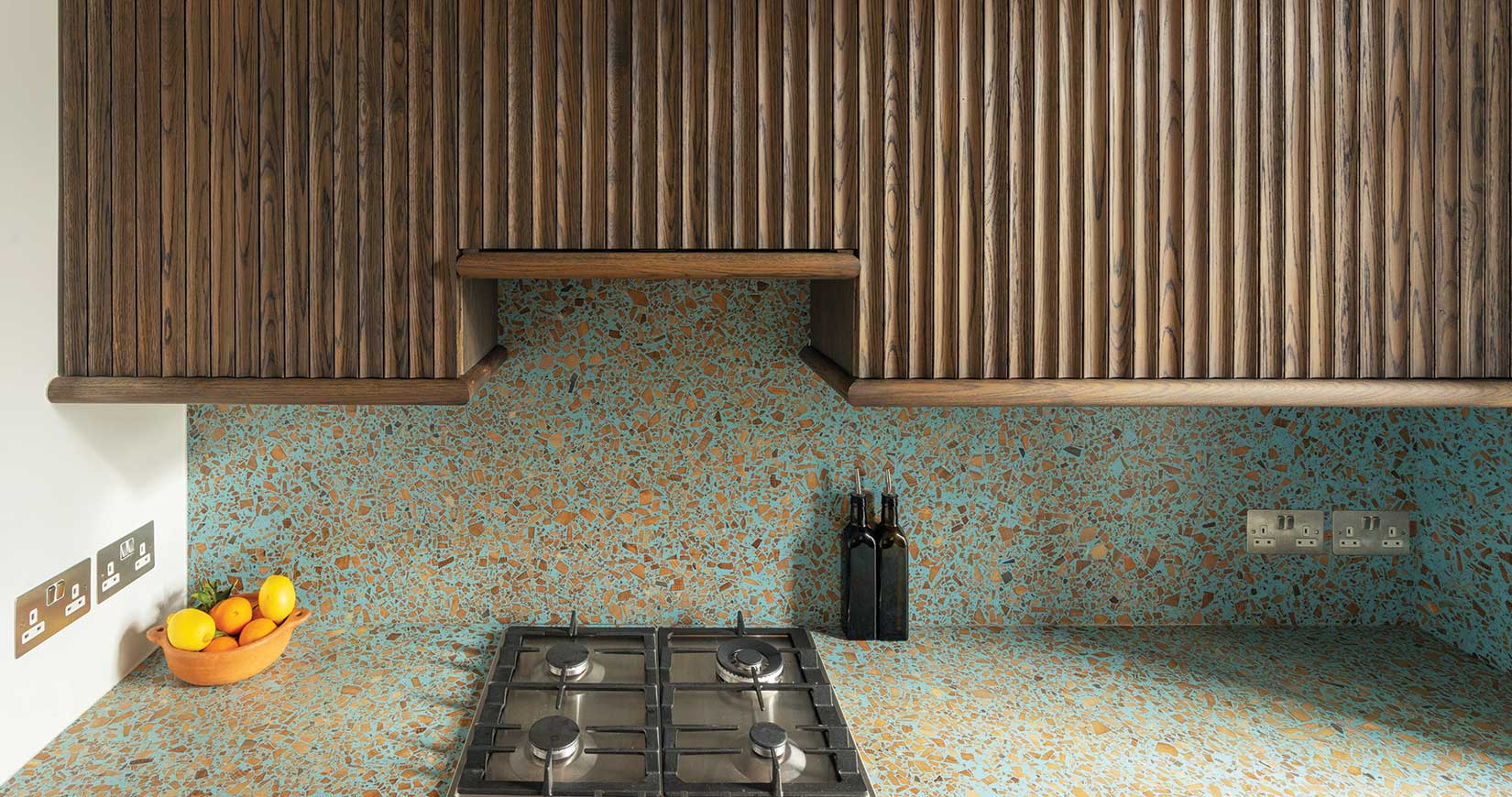
Recycled glass countertops combine beauty with sustainability. They use glass fragments from old bottles and windows. These countertops are durable and come in vibrant colors. Each piece tells a story through its unique patterns.
Easy to maintain, they resist stains and scratches. Their glossy surface brightens up any kitchen space. Choosing recycled glass supports environmental conservation efforts.
Repurposed Metal Fixtures
Repurposed metal fixtures bring industrial elegance to kitchens. Old metal parts find new life as stylish taps, handles, and light fittings. They offer durability and a rustic touch.
These fixtures often feature a unique patina. This adds character to any kitchen design. Using repurposed metals reduces the need for new materials. It contributes to a sustainable lifestyle.
Eco-friendly Flooring
Choosing eco-friendly flooring can transform your kitchen into a sustainable space. It’s a step towards reducing your carbon footprint. These materials offer durability and style while being kind to the planet. Let’s explore two popular options: cork and linoleum.
Cork Flooring Advantages
Cork flooring is a renewable resource. It’s made from the bark of cork oak trees. This process doesn’t harm the tree. Cork is naturally insulating, keeping your kitchen warm. It’s also soft underfoot, reducing strain on your legs. Cork is resistant to mold and mildew, ideal for kitchens. It absorbs noise, creating a quieter environment. Its unique texture adds a stylish touch. Cork flooring comes in various colors and patterns.
Linoleum Versus Vinyl
Linoleum is often confused with vinyl. Yet, they differ significantly. Linoleum is made from natural materials. It includes linseed oil, pine resin, and wood flour. It’s biodegradable and eco-friendly. Vinyl is synthetic, made from petroleum. Linoleum is more durable than vinyl. It can last up to 40 years. Vinyl may only last 10-20 years. Linoleum is also hypoallergenic, a benefit for allergy sufferers. It resists stains and scratches well. Linoleum offers a vibrant range of colors.
Credit: www.garnica.one
Non-toxic Finishes
Sustainable kitchen materials often feature non-toxic finishes, ensuring a safer environment for food preparation. These finishes help reduce exposure to harmful chemicals, promoting a healthier lifestyle. Eco-friendly choices like these support both personal well-being and environmental conservation.
Creating a sustainable kitchen involves more than just choosing eco-friendly appliances or energy-efficient lighting. The materials and finishes you select can significantly impact the health of your home and the environment. Non-toxic finishes are a crucial element in crafting a kitchen that is both safe and sustainable. By opting for finishes that emit fewer harmful chemicals, you contribute to a healthier indoor air quality and a cleaner planet. Let’s delve into some popular non-toxic finish options you can consider for your kitchen.Low-voc Paints
Low-VOC (Volatile Organic Compounds) paints are a fantastic choice for anyone looking to maintain a healthy home. These paints release fewer toxic chemicals into the air, reducing indoor pollution. You might be surprised at the variety of colors available in low-VOC options, offering you both style and sustainability. Switching to low-VOC paints can transform your kitchen without the headache of strong fumes. Imagine painting your kitchen on a Friday evening and enjoying your new space by the weekend. It’s a simple way to protect your family from harmful toxins while still achieving a modern look.Natural Oils And Waxes
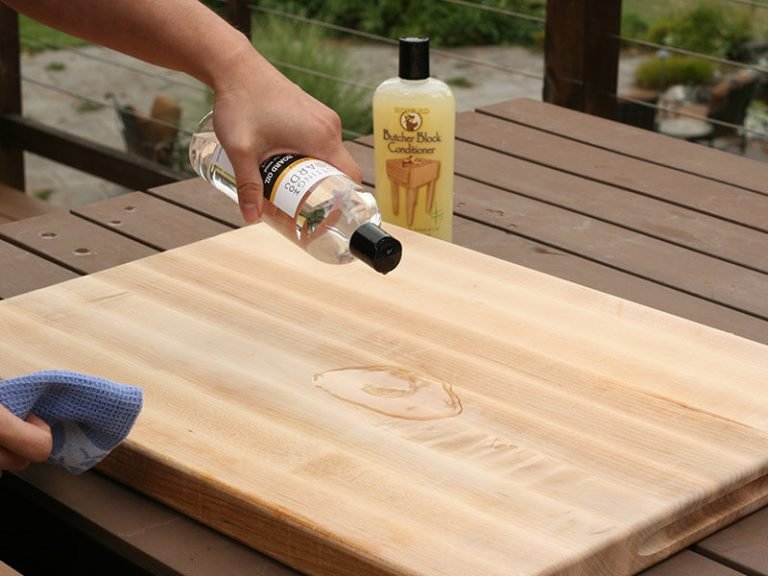
Natural oils and waxes offer a beautiful, non-toxic way to finish wood surfaces in your kitchen. Options like tung oil, linseed oil, and beeswax not only enhance the wood’s natural beauty but also provide a durable finish. These products penetrate deeply into the wood, offering protection without creating a plastic-like coating. Have you ever considered the impact of traditional finishes on your home’s air quality? By choosing natural oils and waxes, you’re opting for a finish that doesn’t compromise the air you breathe. Plus, these finishes are often easier to maintain and can be reapplied as needed to keep your kitchen looking fresh. Choosing non-toxic finishes is a small step with a big impact. As you consider your kitchen renovation or upgrade, ask yourself: Is the air in my home as clean as it could be? By selecting healthier options like low-VOC paints and natural oils, you make a positive choice for both your family and the environment.Sustainable Cabinetry
Sustainable cabinetry is an essential part of an eco-friendly kitchen design. Choosing materials that are kind to the environment benefits both your home and the planet. A focus on sustainable cabinets can make a significant impact on reducing waste and conserving resources. Let’s explore some environmentally-friendly options for your kitchen cabinets.
Formaldehyde-free Options
Many traditional cabinets contain formaldehyde, a harmful chemical. Formaldehyde-free options offer a safer alternative. These cabinets use non-toxic adhesives and finishes. They improve indoor air quality by reducing harmful emissions. Opt for these materials to create a healthier home.
Fsc-certified Wood
FSC-certified wood is a top choice for sustainable cabinetry. The Forest Stewardship Council certifies wood that meets strict environmental standards. This certification ensures responsible forest management. Choosing FSC-certified wood helps protect forests and wildlife. It also supports communities that rely on forests for their livelihood.
Energy-efficient Appliances
Opting for energy-efficient appliances enhances sustainable kitchen materials. These appliances reduce energy consumption, lowering costs and conserving resources. They complement eco-friendly countertops and cabinets, creating a greener kitchen space.
In today’s world, being eco-conscious isn’t just a trend—it’s a necessity. One of the best ways to make your home more sustainable is by focusing on energy-efficient appliances. They not only help you save on utility bills but also reduce your carbon footprint. As you update your kitchen, consider how the appliances you choose can impact both the environment and your wallet. Let’s dive into some key aspects to consider when selecting these energy-saving wonders for your kitchen.Energy Star Ratings
When you’re shopping for new appliances, keep an eye out for the Energy Star label. This trusted symbol indicates that the appliance meets strict energy efficiency guidelines set by the U.S. Environmental Protection Agency. Choosing products with this label can save you money in the long run by reducing energy consumption. Plus, many Energy Star appliances come with incentives or rebates, making them even more appealing.Smart Technology Integration
Imagine a kitchen where your refrigerator tells you when you’re out of milk or your oven preheats itself as you head home from work. Smart technology is not just about convenience; it’s a powerful tool for energy conservation. These appliances can optimize their energy use based on your habits, cutting down unnecessary electricity consumption. Consider integrating smart devices that can sync with your smartphone or home assistant, allowing you to monitor and control energy usage remotely. Energy-efficient appliances make your kitchen not only smarter but also kinder to the planet. As you consider your next upgrade, ask yourself how each choice can contribute to a more sustainable lifestyle. Will your future kitchen be a beacon of energy efficiency? The decision lies in your hands, and every small change counts.Water Conservation
Sustainable kitchen materials contribute to water conservation efforts. Bamboo utensils and recycled glass countertops reduce water usage during production. These choices promote eco-friendly living and help preserve precious water resources.
Water conservation is a crucial aspect of sustainable kitchen design. With the increasing scarcity of water resources, adopting practices that reduce water usage is essential. You can make impactful changes in your kitchen without sacrificing functionality or convenience.Low-flow Faucets
Low-flow faucets are a simple yet effective way to conserve water. These faucets limit the water flow to reduce usage without affecting performance. Imagine cutting your water bill just by swapping out a faucet! Many models now offer aerators that mix air with water, maintaining pressure while using less water. This means you can wash your hands or rinse vegetables without wasting gallons. Have you ever thought about how much water you save in a year just from this small change?Efficient Dishwashers
Modern dishwashers are designed to use water efficiently. They use sensors to determine the load size and adjust water accordingly. An efficient dishwasher can use less water than washing dishes by hand, especially with a full load. Look for models with Energy Star ratings, as these are certified to save both water and energy. Have you ever considered how much time and water you can save by letting a machine do the work? It’s a win-win for you and the planet.By focusing on these small but significant changes, you’re taking steps toward a more sustainable kitchen. What other simple changes can you make in your daily routine to conserve water?

Credit: shopequo.com
Local Sourcing
Local sourcing stands at the heart of sustainable kitchen materials. Choosing materials from nearby locations not only enhances the local economy but also supports environmental efforts. This approach aligns with eco-friendly practices, reducing the need for long-distance transportation. Local sourcing fosters a deeper connection to the community and promotes regional craftsmanship. It’s a step towards a more sustainable kitchen environment.
Benefits Of Local Materials
Local materials often come with higher quality assurance. They are crafted by local artisans who understand regional needs. This often results in durable and reliable kitchen products. Choosing local materials also means supporting local businesses. This can lead to a positive economic impact on the community. Local sourcing often brings unique materials not found elsewhere. This adds a distinctive touch to your kitchen’s design.
Reducing Carbon Footprint
Local sourcing significantly cuts down the carbon footprint. Shorter transportation distances reduce emissions associated with shipping. This means less pollution and a cleaner environment. Using local materials can also mean fewer packaging materials. This further reduces waste and environmental impact. In addition, local sourcing minimizes energy used in storage and logistics. This is a direct benefit to our planet’s health.
Frequently Asked Questions
What Are Eco-friendly Kitchen Products?
Eco-friendly kitchen products include reusable, biodegradable, or sustainably sourced items like bamboo utensils, glass containers, and cloth towels. These products minimize waste and reduce environmental impact by avoiding plastics and harmful chemicals. Opting for energy-efficient appliances also supports an eco-friendly kitchen.
What Are The Sustainable Materials For Kitchen Countertops?
Sustainable kitchen countertop materials include recycled glass, bamboo, reclaimed wood, and concrete. These materials are eco-friendly and durable. Recycled paper-based composites and stainless steel are also popular. They offer a stylish, sustainable choice for modern kitchens. Consider local sourcing to further reduce environmental impact.
What Are The Most Sustainable Kitchen Utensils?
Bamboo, stainless steel, and silicone utensils are the most sustainable. They are durable, eco-friendly, and biodegradable. Choose utensils with minimal plastic components to reduce environmental impact. Opt for locally sourced materials to further enhance sustainability.
What Are The Most Environmentally Friendly Kitchen Cabinets?
Bamboo, reclaimed wood, and FSC-certified wood cabinets are eco-friendly options. They use sustainable materials and non-toxic finishes. Opt for low-VOC paints and formaldehyde-free adhesives for a greener choice. Prioritize cabinets that reduce environmental impact and promote healthy indoor air quality.
Conclusion
Choosing sustainable kitchen materials benefits both our planet and our health. Eco-friendly options often last longer. They reduce waste and save money over time. Natural materials like bamboo and cork bring warmth and beauty. These choices create a healthier kitchen environment.
Small steps lead to big changes. So start with one sustainable swap today. Embrace the journey towards a greener home. Every little effort counts. Your kitchen can be stylish and kind to Earth. Make a difference with mindful decisions. Sustainable materials make your kitchen a better place.

I’m Abby Lu, a passionate home cook who loves simplifying everyday meals. At PlugChef.com, I share product reviews and cooking guides to help you find the best tools for your kitchen.
Related posts:
 What Type of Cooking Utensils are Safe: Expert Picks
 What Innovations Could Blenders Make: Unleashing Future Tech
 Smart Strategies to Organize a Small Kitchen: Maximize Space
 How to Organize a Kitchen Cabinet: Expert Tips & Tricks
 How to Organize Kitchen Drawers: Expert Tips and Tricks
 How to Organize a Corner Kitchen Cupboard: Expert Tips