
Are you tired of your potatoes sprouting or going bad too quickly? How you store them can make all the difference.
Using paper bags to keep your potatoes fresh is a simple trick that many people overlook. It’s easy, affordable, and can save you money by reducing waste. You’ll discover why paper bags are one of the best ways to store your potatoes and how to do it right.
Keep reading to learn the secret to longer-lasting, fresher potatoes every time.

Credit: www.youtube.com
Benefits Of Using Paper Bags
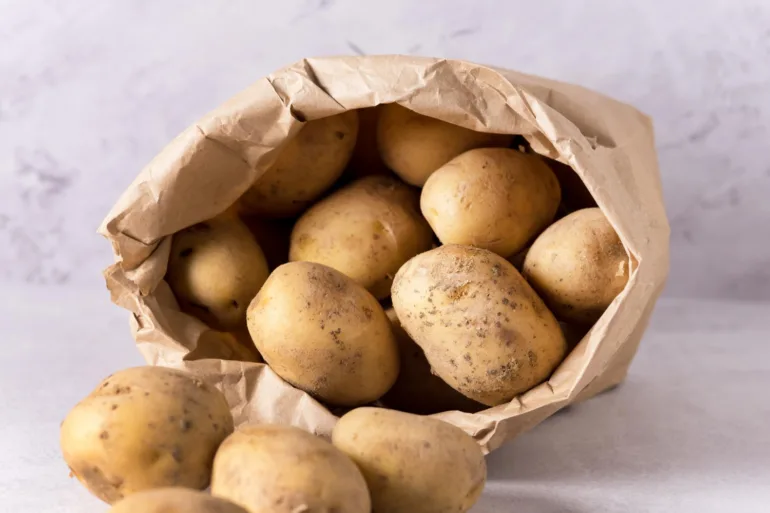
Using paper bags to store potatoes offers several practical benefits. These bags help keep potatoes fresh for longer periods. They create the right environment to avoid spoilage and sprouting. Paper bags also provide a simple, natural way to store potatoes without extra effort.
Breathability And Moisture Control
Paper bags allow air to circulate around the potatoes. This breathability prevents moisture build-up, which can cause rot. The bags absorb excess moisture, keeping potatoes dry. Dry potatoes last longer and stay firm. This natural moisture control is ideal for storing potatoes safely.
Eco-friendly Storage Option
Paper bags are biodegradable and recyclable. They reduce plastic waste and help protect the environment. Using paper bags supports a greener lifestyle. These bags come from renewable resources, unlike plastic alternatives. Choosing paper bags for potato storage is a small, positive step for the planet.
Choosing The Right Paper Bag
Choosing the right paper bag is key to storing potatoes properly. The bag must protect potatoes while allowing air flow. This helps keep potatoes fresh longer. Picking the best bag depends on size, thickness, and quality.
Size And Thickness Considerations
Select a bag that fits the potato quantity comfortably. Too small a bag can cause bruising. Too large a bag may let potatoes dry out.
Thicker paper bags offer better durability. They protect potatoes from light and damage. Thin bags tear easily and reduce storage life.
- Choose bags with enough room for air circulation.
- Look for durable paper that resists tearing.
- Ensure bags block light to prevent greening.
Where To Find Quality Bags
Quality paper bags are available at garden centers and home stores. Craft stores often carry strong paper bags too.
Online shops offer a wide range of sizes and thickness. Check product reviews to confirm bag strength and durability.
- Visit local gardening or hardware stores.
- Explore craft and packaging supply shops.
- Search online for paper bags made for produce storage.
Preparing Potatoes For Storage
Preparing potatoes for storage is a crucial step to keep them fresh and tasty. Proper preparation helps prevent spoilage and sprouting. It also protects potatoes from moisture and light, which can cause damage.
Taking time to prepare potatoes correctly extends their shelf life. It ensures you enjoy them longer without waste. The right preparation also makes storage easier and more effective.
Cleaning Without Washing
Remove dirt using a soft brush or cloth. Avoid washing potatoes with water before storing. Water causes moisture build-up, leading to rot and mold. Gently brush off soil while keeping the skin dry. This keeps potatoes fresh and ready for storage.
Sorting And Inspecting For Damage
Sort potatoes by size and quality before storing. Check each potato carefully for cuts, bruises, or soft spots. Damaged potatoes spoil faster and can infect others. Separate any potatoes with signs of damage or decay. Store only healthy potatoes to ensure longer freshness.
Storing Potatoes Properly
Storing potatoes properly can make a big difference in how long they stay fresh and tasty. It’s not just about putting them somewhere dark; the right temperature and environment matter a lot. Using paper bags is a smart choice because they allow air to circulate, helping prevent moisture buildup that causes rot.
Ideal Temperature And Location
Potatoes last longest when kept cool but not cold. Aim for a temperature between 45°F and 55°F (7°C to 13°C). Too cold, like in a refrigerator, and the starches turn into sugars, making your potatoes taste sweet and gritty.
Choose a dry, well-ventilated spot like a pantry, cellar, or a cool corner of your kitchen. Avoid places near heat sources like ovens or direct sunlight, which speed up sprouting and spoilage. I once stored potatoes in a warm cupboard and ended up tossing half of them in a week—trust me, it’s worth finding a cooler spot.
Avoiding Light Exposure
Potatoes exposed to light can turn green and develop solanine, a bitter toxin that can cause stomach discomfort. Paper bags are perfect because they block light but still allow air flow, unlike plastic bags which trap moisture and promote decay.
Keep your paper-bagged potatoes in a dark place, checking them weekly for any green spots or sprouts. If you spot any, remove them immediately to protect the rest. Have you noticed how a little light can ruin a whole batch? This simple step can save you from wasted food and money.
Common Mistakes To Avoid
Storing potatoes in paper bags can lead to sprouting if kept in warm places. Avoid damp spots to prevent rotting and mold growth. Ensure good air circulation to keep potatoes fresh longer.
Storing potatoes correctly can make a big difference in their freshness and longevity. Common mistakes can lead to sprouting, spoilage, or even a kitchen full of unpleasant odors. Knowing what to avoid is just as crucial as knowing the right steps. Let’s dive into some frequent errors that could be sabotaging your potato storage efforts.Using Plastic Instead Of Paper
Many people mistakenly use plastic bags for storing potatoes, thinking it will keep them fresh. However, plastic traps moisture, leading to mold and decay. Paper bags allow potatoes to breathe, reducing the risk of rot. Next time you reach for a storage option, choose paper to keep your spuds in top shape.Storing Near Onions Or Fruits
Have you ever noticed potatoes sprouting faster than expected? Storing them near onions or fruits could be the culprit. Onions and many fruits release ethylene gas, which speeds up the ripening process. Keep your potatoes separate to prevent unnecessary sprouting and spoilage. Are you guilty of these storage missteps? Adjusting your habits can lead to fresher potatoes and fewer trips to the grocery store.
Credit: sloely.com
Signs Of Spoilage To Watch For
Potatoes stored in paper bags can last longer if checked regularly for spoilage. Early signs help prevent waste and keep your potatoes fresh. Watch for changes in texture, color, and smell. Spotting these signs early protects the rest of your stored potatoes.
Soft Spots And Sprouts
Soft spots on potatoes mean they are starting to rot. These areas feel mushy and may leak liquid. Sprouts show that the potato is trying to grow new plants. Small sprouts are safe but large ones should be removed. Potatoes with many sprouts or soft spots should be used soon or discarded.
Discoloration And Odor
Dark patches or green areas indicate spoilage or exposure to light. Green color means the potato has produced a toxin called solanine. Avoid eating green potatoes. A sour or musty smell means the potato is bad. Fresh potatoes have a neutral, earthy scent. Throw out any potato with a strong, unpleasant odor.
Extending Freshness With Additional Tips
Storing potatoes in paper bags is a great start to keeping them fresh longer, but a few extra steps can make a big difference. These additional tips help maintain the right environment and catch early signs of spoilage before it spreads. Paying attention to small details can save you from tossing out a whole batch of potatoes.
Using Newspaper Liners
Placing a layer of newspaper inside your paper bag adds an extra shield against moisture. The newspaper absorbs any excess dampness, which helps prevent potatoes from sprouting or rotting prematurely.
Try folding a few sheets and lining the bottom and sides of the bag. This simple trick keeps potatoes dry and extends their shelf life significantly.
Regularly Checking Stored Potatoes
Check your stored potatoes every few days. Look for soft spots, dark patches, or sprouting eyes that signal spoilage.
Removing any damaged potatoes immediately protects the rest from going bad. Have you noticed how one bad potato can quickly ruin the entire batch? Staying vigilant keeps your supply fresh much longer.
Credit: citymagazine.si
Frequently Asked Questions
Why Store Potatoes In Paper Bags?
Paper bags allow air circulation, preventing moisture buildup. This reduces sprouting and rotting, keeping potatoes fresh longer. Unlike plastic, paper absorbs excess moisture, which helps maintain an ideal storage environment for potatoes.
How Long Can Potatoes Last In Paper Bags?
Potatoes can last 3 to 5 weeks in paper bags if stored in a cool, dark place. Proper ventilation from the bag prevents moisture and mold, extending their shelf life effectively.
Can Paper Bags Prevent Potato Sprouting?
Yes, paper bags help reduce sprouting by maintaining dry conditions. They limit exposure to light and moisture, two main causes of sprouting in stored potatoes.
Should Potatoes Be Washed Before Storing In Paper Bags?
No, potatoes should not be washed before storing. Washing adds moisture, increasing the risk of rot. Brush off dirt gently and store dry potatoes in paper bags.
Conclusion
Storing potatoes in paper bags keeps them fresh longer. The bags let air flow and stop moisture build-up. This method helps prevent sprouting and rotting. Keep bags in a cool, dark place for best results. Check potatoes regularly to remove any bad ones.
Simple steps like these save money and reduce waste. Try paper bags for easy, effective potato storage. You will notice the difference in freshness and quality. A small change can make a big impact on your kitchen.

Hi, I’m Daniel Brooks—a food lover and kitchen gear enthusiast. I enjoy testing cookware, utensils, and gadgets to see what really works in everyday cooking. At PlugChef.com, I share honest reviews, comparisons, and simple guides to help you choose the best tools for a safer, smarter, and more enjoyable kitchen.
Related posts:
 What Type of Cooking Utensils are Safe: Expert Picks
 What Innovations Could Blenders Make: Unleashing Future Tech
 Smart Strategies to Organize a Small Kitchen: Maximize Space
 How to Organize a Kitchen Cabinet: Expert Tips & Tricks
 How to Organize Kitchen Drawers: Expert Tips and Tricks
 How to Organize a Corner Kitchen Cupboard: Expert Tips