

When you’re out on the field or court, injuries can happen in a flash. Having the right sports first aid kit can make all the difference between a quick recovery and a long pause from the game you love.
But what exactly should you have in your kit to be prepared for any situation? This guide will walk you through the essential sports first aid kit contents list, so you can stay confident and ready to handle minor injuries right when they happen.
Keep reading to make sure your kit has everything you need to protect yourself and your teammates.
Importance Of A Sports First Aid Kit
A Sports First Aid Kit is essential for every athlete and coach. Injuries happen quickly during sports activities. Having the right supplies can reduce pain and prevent complications. A well-stocked kit helps provide immediate care on the field or court.
Quick treatment speeds up recovery and reduces downtime. It also supports safety and confidence for players. Knowing a first aid kit is nearby brings peace of mind. It ensures minor injuries don’t turn into major problems.
Immediate Response To Injuries
Sports injuries require fast attention. Cuts, sprains, and bruises need care right away. A first aid kit contains tools to clean wounds and apply bandages. This helps stop bleeding and lowers infection risk. Immediate care also limits swelling and pain.
Prevention Of Serious Damage
Some sports injuries can worsen without proper treatment. A first aid kit allows early action to stabilize injuries. Items like cold packs reduce inflammation. Supports and wraps protect injured joints. Early care prevents long-term damage and speeds healing.
Support For Different Types Of Injuries
Sports injuries vary widely. A first aid kit covers many needs. It includes supplies for cuts, bruises, sprains, and muscle strains. Items like antiseptic wipes, bandages, and tape help manage these injuries. A kit prepares you to handle different situations.
Boosting Safety Awareness
Having a first aid kit promotes a safety culture. It reminds players and coaches to be cautious. The kit encourages prompt injury reporting and care. This mindset reduces risk and promotes healthier play.
Basic First Aid Kit Items
Having the right basic first aid kit items on hand during sports activities can make a big difference. These essentials help you manage minor injuries quickly and prevent them from worsening. You might be surprised how a well-stocked kit can ease stress and speed up recovery.
Bandages And Dressings
Bandages and dressings are your first line of defense against cuts and scrapes. Stock your kit with various sizes of adhesive bandages and sterile gauze pads. They protect wounds from dirt and bacteria, reducing infection risk.
Think about a time you or someone else got a small cut during a game. Having the right bandage at that moment can stop bleeding and allow play to continue safely. Don’t forget elastic bandages too—they provide support for sprains and strains.
Antiseptic Wipes And Creams
Cleaning a wound immediately is crucial to prevent infection. Antiseptic wipes are easy to use and perfect for quick cleaning on the field. Keep individually wrapped wipes in your kit for convenience.
Antiseptic creams or ointments help kill germs and speed up healing. Applying a thin layer after cleaning can make a big difference. Have you ever noticed how a simple cream can reduce pain and redness?
Adhesive Tape
Adhesive tape secures dressings and holds bandages in place. Choose a tape that sticks well but is gentle on the skin. It’s also useful for taping fingers or toes to prevent further injury during sports.
Sometimes, you need to create custom-sized bandages or support joints. Adhesive tape lets you do that easily. Do you have a favorite tape brand that stays put even during intense activity?
Advanced Medical Supplies
Advanced medical supplies in a sports first aid kit go beyond basic bandages and antiseptics. These items prepare you to handle more serious injuries right on the field. Having the right tools can make a critical difference when quick action is needed.
Splints And Supports
Splints stabilize broken or sprained limbs to prevent further damage. They come in various forms, like rigid plastic or inflatable types. Including adjustable supports helps you tailor the fit for different injuries, ensuring better immobilization.
Think about how a simple splint saved a teammate’s ankle during a weekend soccer match. Without it, the injury could have worsened before professional help arrived. Would you feel confident managing such situations without these essential items?
Cold And Heat Packs
Cold packs reduce swelling and numb pain immediately after an injury. Heat packs, on the other hand, help relax muscles and improve blood flow during recovery. Carry reusable packs to save space and cut costs while maintaining readiness.
Knowing when to apply cold or heat can speed up healing and reduce discomfort. Have you ever treated a muscle strain incorrectly, prolonging recovery? These packs give you the tools to act wisely and fast.
Elastic Wraps
Elastic wraps support injured joints and muscles by applying compression. They limit movement to protect healing tissues but remain flexible enough for comfort. Different widths of wraps allow you to address various body parts effectively.
Using elastic wraps helped me manage a wrist sprain during an intense basketball game. It kept the joint stable and allowed me to continue playing safely. What injuries in your sport could benefit from this kind of support?
Emergency Equipment
Emergency equipment is vital in any sports first aid kit. It helps manage serious injuries quickly. These tools protect both the injured person and the helper. Including the right items can save lives and reduce harm during sports activities.
Cpr Mask
A CPR mask is essential for safe rescue breaths. It creates a barrier between the rescuer and the injured person. This reduces the risk of infection. Most CPR masks have a one-way valve. This valve allows air to flow to the patient but blocks fluids and germs from coming back.
Using a CPR mask increases the chances of successful resuscitation. It also gives confidence to the person giving aid. Always keep the mask clean and ready for use.
Emergency Blanket
An emergency blanket keeps an injured person warm. It helps prevent shock caused by cold or wet conditions. These blankets are lightweight and compact. They reflect body heat back to the person.
Emergency blankets are easy to carry in any sports first aid kit. They can also provide shelter from wind and rain. Quick warmth support can improve recovery chances after injury.
Whistle
A whistle is a simple but powerful signaling tool. It helps call for help from a distance. Loud sounds can attract attention fast, especially in noisy or crowded places. It also helps keep the injured person calm by signaling that help is coming.
Whistles are small and easy to carry. They do not need batteries or fuel. Every sports first aid kit should include a whistle for emergencies.
Personal Protection
Personal protection is a key part of any sports first aid kit. It keeps both you and the injured person safe from infections and further harm. Without these items, treating injuries can become risky and less effective.
Disposable Gloves
Disposable gloves protect your hands from blood, sweat, and other bodily fluids. They create a barrier that reduces the chance of infection for both you and the athlete. Always keep multiple pairs in your kit because you might need to change them between treating different injuries.
Have you ever faced a situation where you had to treat multiple players quickly? Gloves help you do that without spreading germs.
Face Masks
Face masks guard against airborne germs and protect you from inhaling dust or sprays during treatment. They are especially useful if the injury involves bleeding or coughing. Make sure your kit includes masks that fit comfortably and cover the nose and mouth fully.
Think about how close you get to someone when helping them on the field. A mask can make that close contact safer for both of you.
Eye Protection
Eye protection like goggles or safety glasses shield your eyes from splashes of blood, sweat, or other fluids. Sports injuries sometimes cause unexpected sprays, and your eyes are very vulnerable. Including eye protection in your kit means you can stay focused on helping without worrying about eye injuries.
Have you ever considered how quickly an accident can send fluids flying? Eye protection stops those surprises from becoming serious problems.

Credit: www.amazon.ca
Additional Helpful Items
Adding a few extra items to your sports first aid kit can make a big difference in handling unexpected injuries. These additional tools and supplies help you respond faster and more effectively, whether you’re on the sidelines or out on the field. Think about what small extras could save time or reduce discomfort in a real emergency.
Tweezers And Scissors
Tweezers are essential for removing splinters, ticks, or debris that can cause infections if left untreated. A good pair of scissors helps you cut tape, bandages, or clothing quickly and cleanly.
Choose sturdy, sharp tools that won’t bend or dull easily. You’ll appreciate having them when you need to make precise cuts or extract tiny objects from skin.
Instant Ice Packs
Instant ice packs are a game-changer when you don’t have access to a freezer. They activate with a simple squeeze or shake and provide cold therapy right away.
Cold treatment reduces swelling and numbs pain fast. Keep a few packs handy to cool down sprains, bruises, or muscle strains as soon as they happen.
Hydration Solutions
Hydration is often overlooked but crucial during sports. Include electrolyte powders or ready-made sports drinks to help replace lost fluids and minerals quickly.
Dehydration can sneak up on you and worsen injuries or fatigue. Having these on hand ensures you or your teammates stay energized and recover faster.
Organizing And Maintaining The Kit
Keeping your sports first aid kit well-organized and maintained is crucial for quick and effective response during emergencies. If your supplies are scattered or expired, you could waste precious time or even cause harm. A clean, orderly kit helps you stay confident and ready whenever injuries occur.
Regularly Check And Replace Expired Items
Expired items lose their effectiveness and can be unsafe to use. Make it a habit to check your kit every month. Look for expiration dates on ointments, medications, and adhesive products.
Replace anything that’s past its date or looks damaged. Even if an item seems fine, don’t hesitate to swap it out if it’s been in the kit for a long time. Your safety depends on fresh, reliable supplies.
Use Clear Labels And Separate Compartments
Labels save time when you’re in a hurry. Use clear, waterproof labels for each section or container. Group similar items together—bandages in one spot, antiseptics in another.
Consider small pouches or plastic containers inside the main kit. This prevents mixing and helps you find what you need instantly. Have you ever fumbled through a jumble of supplies when seconds counted? Proper organization avoids that stress.
Keep An Inventory List Inside The Kit
Include a simple checklist of all items in your kit. This makes restocking easier and ensures nothing important is missing. You can tick off items as you use them or when checking expiration dates.
Place the list in a waterproof sleeve or laminate it for durability. This way, you always know exactly what’s inside without digging through every pocket.
Store The Kit In An Accessible, Consistent Location
Your first aid kit is useless if you can’t find it quickly. Pick a specific, easy-to-remember place—like a locker, a sports bag, or a designated shelf. Make sure all team members or family know where it is.
Keep it away from extreme heat or moisture to preserve the supplies. Would you trust your kit if it sat forgotten in a damp corner? Keep it visible and ready for action.

Credit: www.walmart.com
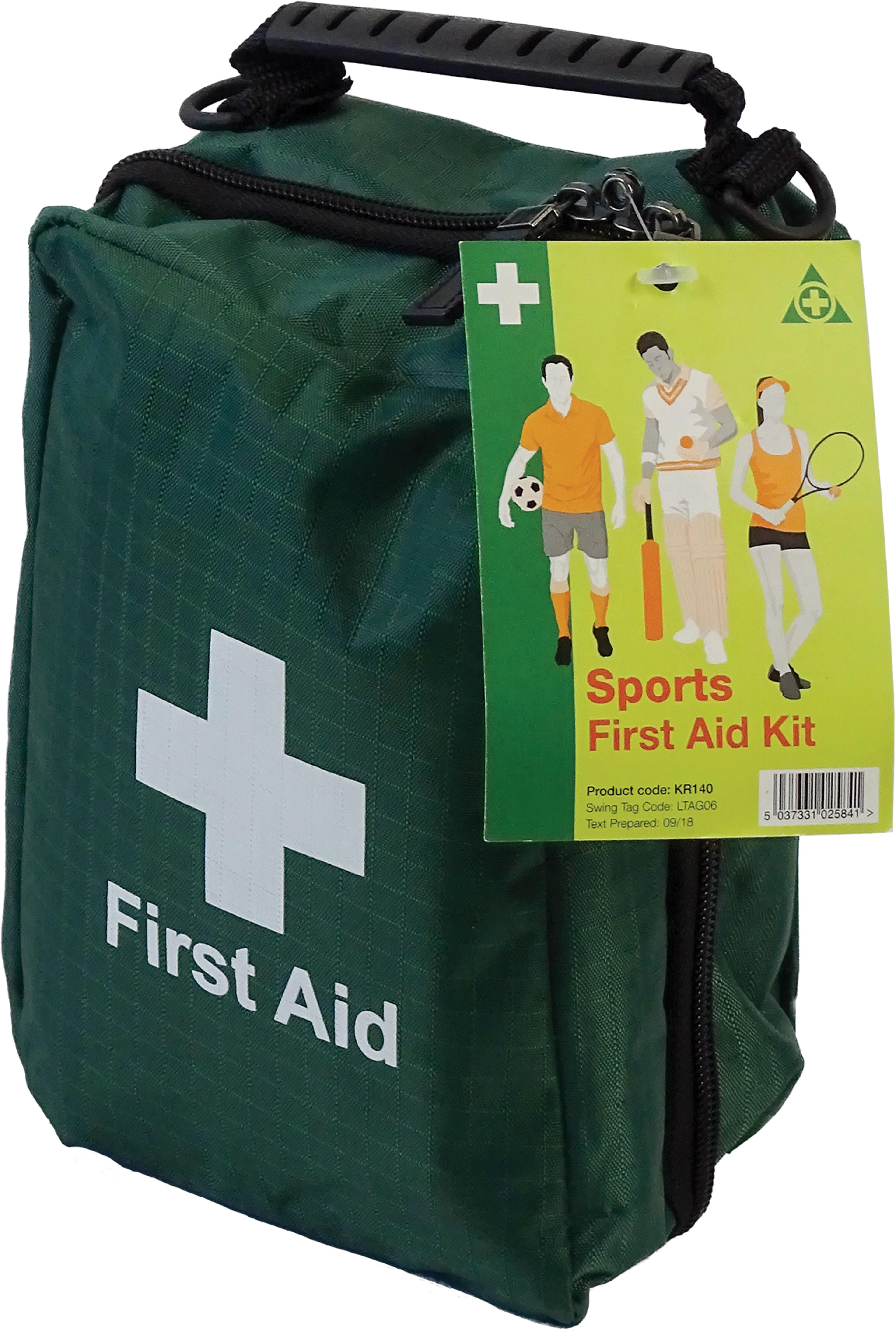
Credit: www.glsed.co.uk
Frequently Asked Questions
What Are The Essential Items In A Sports First Aid Kit?
A sports first aid kit should include adhesive bandages, antiseptic wipes, athletic tape, ice packs, scissors, and pain relievers. These items help treat minor injuries and manage pain quickly during sports activities.
How Do I Choose The Right First Aid Kit For Sports?
Choose a kit based on the sport’s risk level and participant number. Ensure it contains supplies for cuts, sprains, and bruises. Compactness and portability are also important for easy access during games.
Why Is Athletic Tape Important In Sports First Aid Kits?
Athletic tape supports injured joints and muscles, preventing further damage. It stabilizes sprains and strains, allowing athletes to continue safely or recover faster. It’s a must-have for injury prevention and quick treatment.
How Often Should I Check And Restock My Sports First Aid Kit?
Check your sports first aid kit monthly to replace used or expired items. Regular restocking ensures readiness for emergencies. Always keep supplies fresh and complete before every game or practice session.
Conclusion
A well-stocked sports first aid kit is essential for safety. It helps treat injuries quickly and reduces pain. Basic items like bandages, antiseptics, and tape are must-haves. Knowing what to include prepares you for common sports accidents. Keep your kit organized and check supplies often.
Being ready can make a big difference during emergencies. Stay safe and enjoy sports with confidence.

I’m Abby Lu, a passionate home cook who loves simplifying everyday meals. At PlugChef.com, I share product reviews and cooking guides to help you find the best tools for your kitchen.
Related posts:
 What Type of Cooking Utensils are Safe: Expert Picks
 What Innovations Could Blenders Make: Unleashing Future Tech
 Smart Strategies to Organize a Small Kitchen: Maximize Space
 How to Organize a Kitchen Cabinet: Expert Tips & Tricks
 How to Organize Kitchen Drawers: Expert Tips and Tricks
 How to Organize a Corner Kitchen Cupboard: Expert Tips

