

Have you ever wondered if there’s a simple trick to make your apples fresher and tastier? Soaking apples in salt water might sound unusual, but it’s a clever method that can change how you enjoy this everyday fruit.
If you want to keep your apples crisp longer, remove unwanted residues, or even reduce bitterness, this easy step could be exactly what you need. Keep reading to discover how soaking apples in salt water can improve your fruit experience and why you should try it today.
Benefits Of Soaking Apples
Soaking apples in salt water offers several benefits. It helps clean the fruit deeply and improves its quality. This simple step can make apples fresher and safer to eat. Here are some key advantages of soaking apples in salt water.
Enhancing Freshness
Salt water slows down the decay of apples. It helps keep the skin firm and the fruit crisp. Soaking removes dirt and germs that cause spoilage. This keeps apples fresh for a longer time.
Reducing Pesticide Residue
Many apples carry pesticide residues on their surface. Salt water can help break down these chemicals. Soaking apples reduces harmful substances that plain water might miss. This makes the fruit healthier to consume.
Improving Taste And Texture
Salt water soaks remove bitterness and any unwanted flavors. The process refreshes the apple’s natural sweetness. It also helps maintain a crunchy texture. The result is a better-tasting apple every time.
Credit: www.lemon8-app.com
Why Salt Water Works
Soaking apples in salt water is a simple trick that many people overlook. But why does this method work so well to clean your fruit? Understanding the science behind salt water can help you appreciate its effectiveness and decide if it’s right for your kitchen routine.
Salt’s Role In Cleaning
Salt is a natural cleanser. When dissolved in water, salt creates an environment that helps loosen dirt and debris on the apple’s surface.
It works by breaking down the waxy layer that often coats apples, making it easier to wash away grime. You might notice your apples look cleaner and feel smoother after a quick soak.
Effect On Bacteria And Chemicals
Salt water also helps reduce bacteria on the apple’s skin. The salt draws moisture out of bacteria cells, weakening or killing them.
This simple soak can reduce harmful germs without harsh chemicals. Plus, salt water can help wash off some pesticide residues, making your fruit safer to eat.
Comparison With Other Methods
Compared to plain water, salt water cleans more thoroughly. Vinegar soaks work too but often leave a strong taste behind.
Commercial fruit washes can be effective but may contain additives you don’t want on your food. Salt water offers a natural, inexpensive, and quick alternative that many find easier to use regularly.
How To Soak Apples Correctly
Soak apples in a salt water solution for 5 to 10 minutes to remove dirt and pesticides. Rinse well with clean water before eating or cooking. This simple step helps keep apples fresh and safe.
Soaking apples in salt water is a simple yet effective way to keep them fresh and prevent browning. Whether you’re prepping for a party or just want to extend the shelf life of your apples, learning how to soak them correctly can make a big difference. Let’s dive into the specifics of choosing the right salt, setting the appropriate water temperature, and understanding the right soaking duration.Choosing The Right Salt
Not all salts are created equal. Opt for a fine-grain table salt for the soaking process as it dissolves quickly and evenly. Avoid coarse salts like sea salt or kosher salt, which may not dissolve completely and could leave gritty residues on the apples.Water Temperature And Duration
The temperature of the water plays a crucial role. Lukewarm water is ideal because it helps the salt dissolve quickly without cooking the apples. Soak the apples for no more than 10 minutes to achieve the best results without compromising their texture.Step-by-step Soaking Process
- Fill a large bowl with lukewarm water.
- Add a tablespoon of table salt and stir until fully dissolved.
- Submerge the apples completely in the salt water.
- Let them soak for about 10 minutes.
- Rinse the apples under cold running water to remove any salt residue.
- Pat them dry with a clean towel before serving or storing.
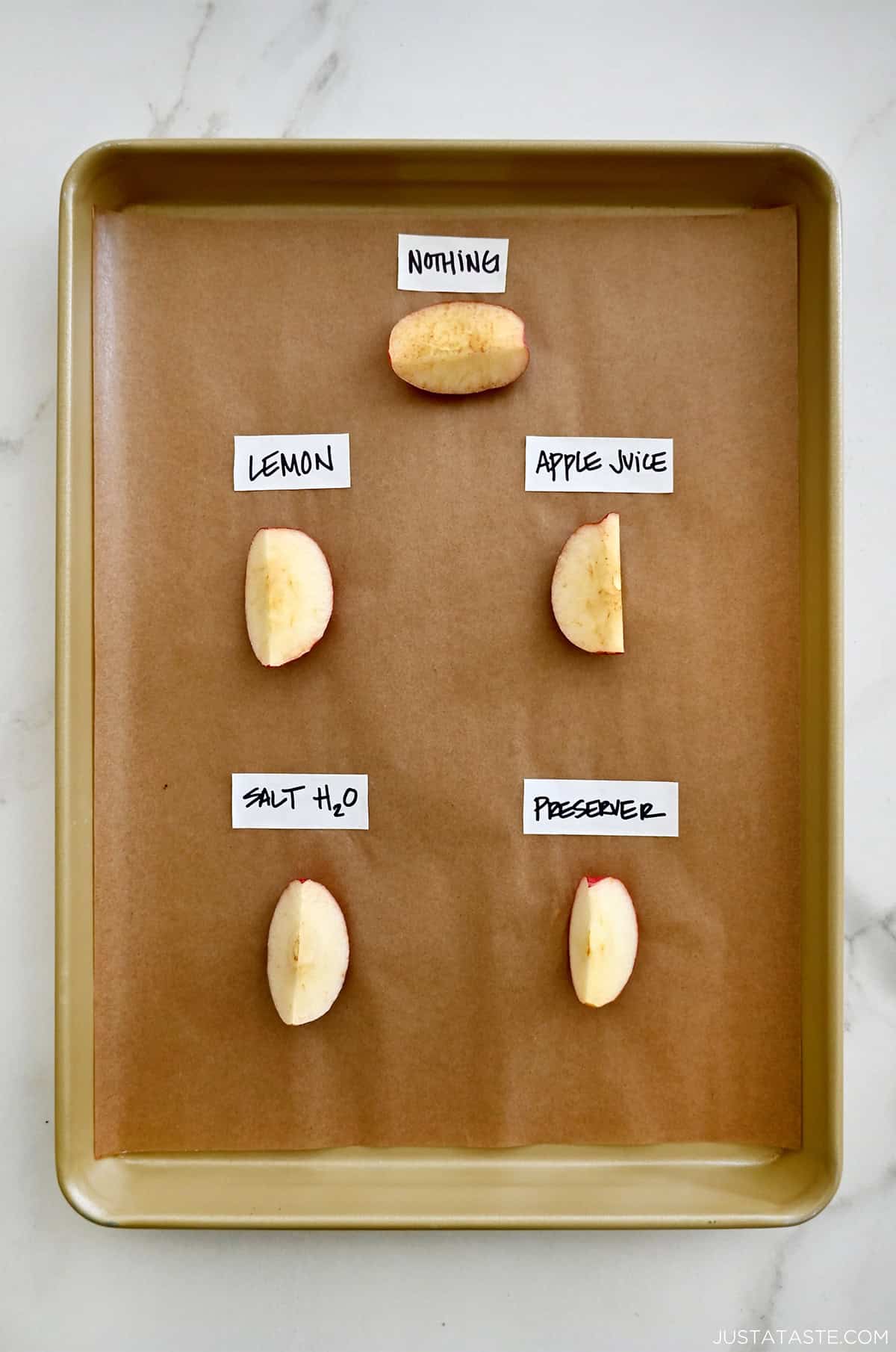
Credit: www.justataste.com
Tips For Better Apple Cleaning
Cleaning apples properly can make a big difference in taste and safety. Soaking them in salt water is a good start, but there are extra steps you can take to get the best results. Here are some tips that help you clean your apples more effectively and keep them fresh longer.
Using Baking Soda Or Vinegar
Baking soda and vinegar are natural cleaners that help remove dirt and pesticides from apples better than plain water. Try adding a teaspoon of baking soda to a bowl of water and soak your apples for 10-15 minutes. Vinegar works well too—mix one part vinegar with three parts water for a quick soak.
Both options can break down wax coatings and stubborn residues. After soaking, scrub the apples gently with your hands or a soft brush. Have you noticed how much cleaner apples feel after using these simple kitchen ingredients?
Rinsing And Drying Properly
Rinsing apples thoroughly after soaking is crucial. Use cold running water to wash off any leftover salt, baking soda, or vinegar. This step ensures no taste lingers and removes any loosened dirt or chemicals.
Dry the apples with a clean cloth or paper towel to prevent moisture buildup. Moisture can speed up spoilage, so drying is just as important as washing. Do you pay attention to drying your fruits after washing them?
Storing Apples After Soaking
Once cleaned and dried, store your apples in a cool, dry place to keep them fresh longer. A perforated plastic bag in the fridge works well to maintain moisture balance without trapping excess water. Avoid piling apples too tightly to prevent bruising.
Keeping apples properly stored after cleaning preserves their crispness and flavor. What’s your favorite way to store apples to keep them fresh?
Safety Considerations
Soaking apples in salt water can be a helpful step to clean and preserve them, but it’s important to keep safety in mind. How long you soak and when you choose to do it can affect both the fruit and your health. Understanding these safety considerations helps you get the best results without any unwanted side effects.
Avoiding Over-soaking
Soaking apples for too long can cause the fruit to become mushy and lose its crispness. This happens because salt water draws moisture out of the apple’s cells, breaking down its texture. Try to limit soaking time to around 5-10 minutes to keep the apple fresh and firm.
Have you ever left fruit soaking overnight and ended up with a soggy mess? That’s a clear sign you went too far. Keeping an eye on the clock prevents this common mistake and keeps your apples enjoyable to eat.
Potential Impact On Nutrients
Salt water soaking can sometimes wash away water-soluble nutrients like vitamin C. While the effect is usually small during short soaks, extended soaking might reduce the apple’s nutritional value. If you want to preserve nutrients, stick to brief soaking periods and rinse the apples with fresh water afterward.
Do you prioritize nutrition over cleaning? You might skip soaking or try alternative methods like using a vinegar rinse instead. Balancing cleanliness and nutrient retention is key when preparing your fruit.
When To Skip Soaking
Not every apple needs a salt water soak. If you buy organic apples or plan to peel them, soaking may be unnecessary. Also, avoid soaking if the apple is already bruised or damaged, as salt water can speed up spoilage in those areas.
Consider the source and condition of your apples before soaking. Sometimes, a quick rinse under running water is enough. Could skipping soaking save you time without compromising safety?

Credit: food52.com
Other Fruits To Soak In Salt Water
Soaking apples in salt water is a popular trick to remove pesticides and keep them fresh longer. But apples aren’t the only fruit that can benefit from this simple step. Many other fruits respond well to a gentle salt water soak, improving both cleanliness and taste. Curious which fruits you can safely soak without damaging their texture or flavor? Let’s take a closer look.
Common Candidates
Several fruits are ideal for soaking in salt water due to their firm skins and texture. Citrus fruits like oranges and lemons work well because the salt helps loosen dirt and residues on their peels. Pears and peaches also respond nicely; their skin is sturdy enough to handle a brief soak without becoming mushy.
Berries, however, are a different story. Strawberries and blueberries are delicate and absorb water quickly, so a quick rinse rather than a soak is better. Grapes, on the other hand, are perfect candidates since their skin holds up, and soaking helps remove surface wax and pesticides.
Adjusting Soaking Times
Not all fruits need the same soaking time. For instance, citrus fruits and grapes can usually stay in salt water for 5 to 10 minutes. This timeframe is enough to clean without affecting texture.
Firmer fruits like pears might tolerate a slightly longer soak, up to 15 minutes, but keep an eye on them to avoid sogginess. If you try soaking softer fruits, reduce the time drastically or stick to a quick rinse instead. Have you ever left fruit soaking too long and noticed a change in taste or texture? That’s your cue to adjust the timing.
Benefits Across Different Produce
Salt water soaking does more than just clean fruit—it can enhance shelf life and reduce unwanted bitterness. For instance, soaking citrus can mellow out some of their harsh pith, making them more enjoyable to eat. Removing surface contaminants also helps fruits last longer in your fridge, reducing waste.
When you soak fruits like pears or peaches, you might notice they stay firmer longer, which is great for salads or snacking. Plus, the salt water can help reduce tiny insects or larvae that sometimes hide in crevices. How often do you consider this extra step before eating fresh fruit?
Frequently Asked Questions
Why Soak Apples In Salt Water Before Eating?
Soaking apples in salt water removes dirt, bacteria, and pesticides. It also prevents browning and keeps apples fresh longer. This simple step improves safety and taste.
How Long Should Apples Soak In Salt Water?
Apples should soak in salt water for 5 to 10 minutes. This time effectively cleans the surface without affecting the apple’s flavor or texture.
Does Salt Water Affect Apple Taste Or Texture?
No, salt water briefly soaks apples without changing their taste or texture. Rinsing after soaking removes any salty residue, keeping apples fresh and crisp.
Can Soaking Apples In Salt Water Prevent Browning?
Yes, salt water slows oxidation, reducing apple browning after cutting. It helps maintain the apple’s natural color and freshness for longer periods.
Conclusion
Soaking apples in salt water helps remove dirt and bugs. It also keeps apples fresh longer. This simple step improves apple taste and safety. Anyone can do it easily at home. Try it next time before eating apples. Small habits like this protect your health.
Clean apples make snacks and meals better. Salt water is cheap and natural. Give your apples a quick soak today. You will notice the difference. Healthy eating starts with clean fruit.

Hi, I’m Daniel Brooks—a food lover and kitchen gear enthusiast. I enjoy testing cookware, utensils, and gadgets to see what really works in everyday cooking. At PlugChef.com, I share honest reviews, comparisons, and simple guides to help you choose the best tools for a safer, smarter, and more enjoyable kitchen.
Related posts:
 What Type of Cooking Utensils are Safe: Expert Picks
 What Innovations Could Blenders Make: Unleashing Future Tech
 Smart Strategies to Organize a Small Kitchen: Maximize Space
 How to Organize a Kitchen Cabinet: Expert Tips & Tricks
 How to Organize Kitchen Drawers: Expert Tips and Tricks
 How to Organize a Corner Kitchen Cupboard: Expert Tips

