
Are you thinking about adding a sink grid to your kitchen but unsure if it’s the right choice? Sink grids can protect your sink and keep your dishes safe, but they also come with some downsides you should know about.
Before you make a decision, it’s important to weigh the pros and cons carefully. You’ll discover what a sink grid can really do for you—and what it might cost you in convenience or style. Keep reading to find out if a sink grid is the smart upgrade your kitchen needs.
Credit: thesinkboutique.com
Benefits Of Sink Grids
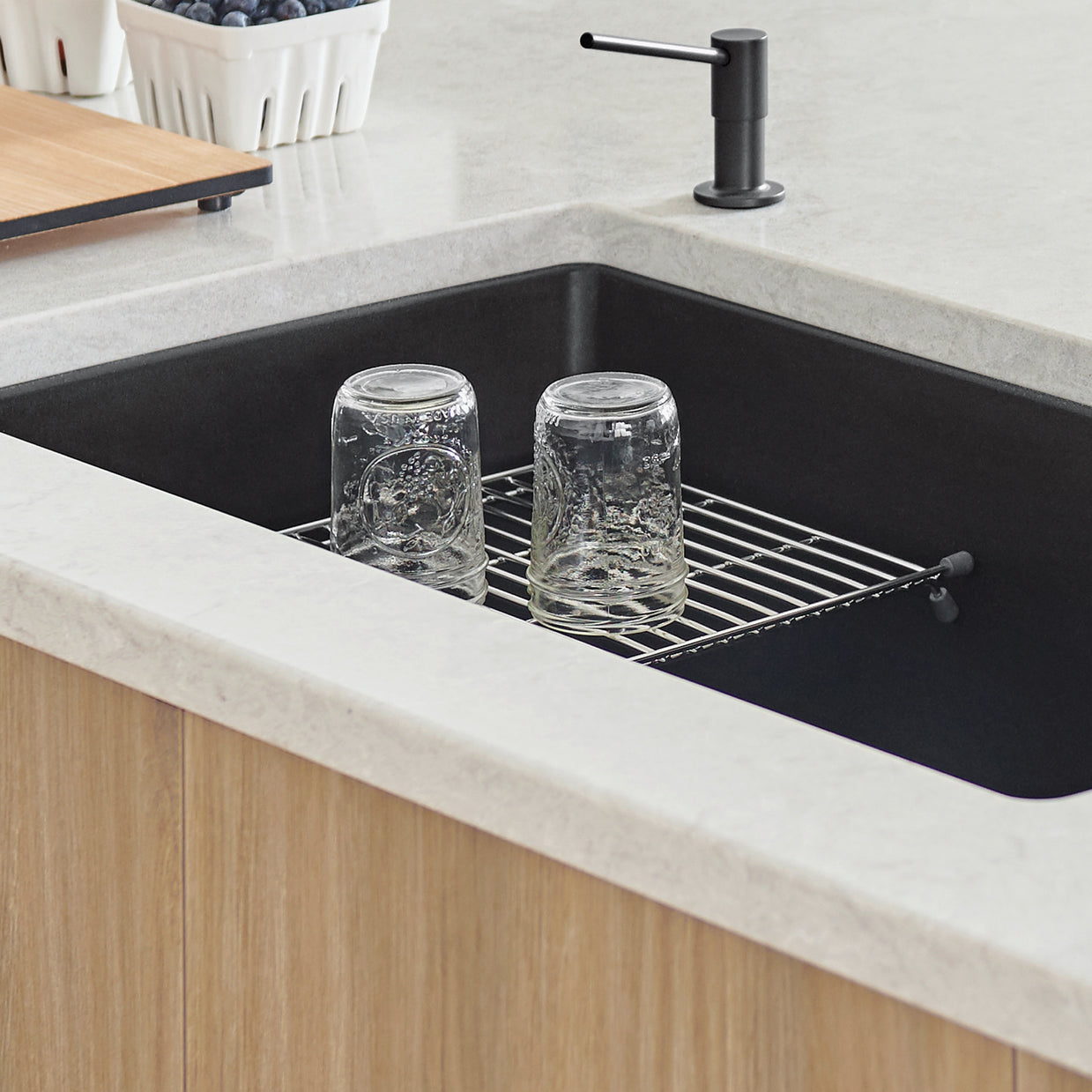
Sink grids offer several practical advantages that can make your kitchen tasks easier and protect your sink investment. They serve more than just a decorative purpose—they actively safeguard your sink and enhance its functionality. Understanding these benefits can help you decide if a sink grid is a worthy addition to your kitchen setup.
Protecting Sink Surfaces
Sink grids act as a shield between your sink’s surface and heavy pots or sharp utensils. They help prevent chips, scratches, and dents that can occur during everyday kitchen activities. If you’ve ever accidentally dropped a metal pan into your sink, you know how easily the surface can get damaged—sink grids minimize this risk effectively.
Enhancing Drainage
One of the biggest annoyances in the kitchen is standing water in the sink. Sink grids lift dishes and utensils above the sink bottom, allowing water to drain freely. This setup reduces the chance of water pooling, which can speed up drying times and keep your sink cleaner.
Preventing Scratches And Dents
Repeated contact with pots, pans, and utensils can wear down your sink’s finish over time. A sink grid acts like a buffer, absorbing impacts and preventing direct contact with the sink surface. This is especially useful if you have a stainless steel sink that shows scratches easily.
Improving Kitchen Hygiene
Sink grids improve hygiene by keeping food scraps and debris from sitting directly on the sink surface. They make it easier to rinse away particles and reduce the buildup of bacteria in hard-to-clean areas. If you want a cleaner, more sanitary sink environment, a grid can be a simple yet effective tool.
Drawbacks Of Sink Grids
Sink grids offer protection for your sink, but they come with some drawbacks. Understanding these downsides helps you decide if a sink grid fits your kitchen needs.
Potential For Water Trapping
Sink grids can block water flow, causing water to pool underneath. Standing water may lead to mold or mildew growth. This trapped moisture can damage the sink surface over time.
Cleaning Challenges
Sink grids have many small parts and corners. Food particles and debris can get stuck easily. Cleaning these grids often takes more time and effort than a bare sink.
Fit And Compatibility Issues
Not all sink grids fit every sink shape or size. An ill-fitting grid can slide or wobble during use. This can be annoying and reduce the grid’s protective effect.
Cost Considerations
Sink grids add extra cost to your kitchen setup. High-quality grids with durable materials can be pricey. Some cheaper options may wear out faster and need replacement.
Materials Used In Sink Grids
Sink grids protect sinks from scratches and dents. They also help water drain away from dishes. Different materials offer unique benefits and drawbacks. Let’s explore the options available.
Stainless Steel Options
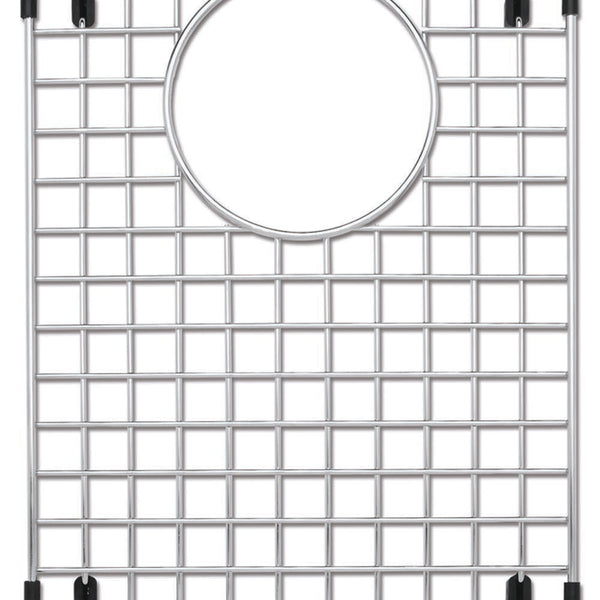
Stainless steel grids are durable and long-lasting. They resist rust and corrosion. These grids maintain their appearance over time. They are easy to clean with mild soap and water. Their sleek design suits modern kitchens. They might be noisier if not padded underneath.
Rubber And Silicone Variants
Rubber and silicone grids offer excellent protection for delicate dishes. They cushion against impacts, reducing breakage. These materials are quiet and prevent noise during use. They come in various colors, adding a touch of style. They may not last as long as metal options.
Plastic And Composite Choices
Plastic and composite grids are budget-friendly. They are lightweight and easy to handle. These grids come in many colors and designs. They are less durable than metal or silicone options. Heat can warp plastic, so caution is needed with hot items.
Credit: thesinkboutique.com
Choosing The Right Sink Grid
Choosing the right sink grid can make a big difference in how you use your kitchen sink every day. It’s not just about protection; it’s about finding the perfect fit and style that matches your sink and lifestyle. Let’s look at the key factors to consider before making your choice.
Measuring Your Sink
Start by measuring the bottom of your sink carefully. You want the grid to fit snugly without sliding around or leaving large gaps. Use a tape measure to get the length and width, and check if your sink has any curves or corners that might affect the fit.
Remember, a grid that’s too small won’t protect your sink properly, and one that’s too large may block the drain. Have you ever bought something only to find it doesn’t fit right? Avoid that frustration here by measuring twice before you buy.
Matching Material To Sink Type
The material of your sink grid should complement your sink’s material for both function and appearance. Stainless steel grids work great with stainless steel sinks because they resist rust and last long. But if you have a porcelain or composite sink, consider rubber or plastic-coated grids to prevent scratching.
Think about how you use your sink. If you wash a lot of heavy pots, a durable metal grid is better. But for gentle use, softer materials can protect the sink surface more effectively.
Considering Design And Style
Your sink grid doesn’t have to be purely functional—it can also enhance your kitchen’s look. Some grids have raised feet or special patterns that improve water flow and keep dishes dry. Others come in sleek finishes that match your faucet or countertop.
Ask yourself: Do you want the grid to blend in or stand out as a design feature? Choosing a style that fits your kitchen’s vibe can make everyday chores a little more enjoyable.
Installation And Maintenance Tips
Installing and maintaining a sink grid properly ensures it lasts longer and works well. Small mistakes during installation can cause damage or reduce its usefulness. Good care keeps the grid clean and prevents stains or rust.
Follow simple tips for placement and cleaning to protect your sink grid. Avoid common errors that can shorten its life or make it less effective. Proper attention helps keep your kitchen neat and your sink grid in top shape.
Proper Placement Techniques
- Place the sink grid so it covers the bottom evenly.
- Ensure the rubber feet sit flat on the sink surface.
- Keep the grid away from the drain opening to avoid blocking water flow.
- Check that the grid does not touch the sink sides tightly to prevent scratches.
Regular Cleaning Methods
- Remove the grid and rinse it with warm water daily.
- Use mild dish soap and a soft sponge to clean dirt and grime.
- Soak the grid in vinegar for 15 minutes to remove hard water stains.
- Dry the grid completely to prevent rust after washing.
Avoiding Common Mistakes
- Do not use harsh chemicals that can damage the grid’s finish.
- Avoid placing very heavy pots or sharp objects on the grid.
- Do not ignore buildup under the grid as it can cause odors.
- Never force the grid into a sink that is too small for it.

Credit: www.amazon.com
Alternative Sink Protection Methods
Protecting your sink doesn’t always mean choosing a sink grid. There are several alternative options that can help prevent scratches, dents, and other damages while adding convenience to your kitchen routine. Let’s take a closer look at some practical alternatives to sink grids that might fit your needs better.
Sink Mats Vs. Sink Grids
Sink mats are soft, flexible pads that sit at the bottom of your sink. They cushion your dishes and prevent sharp objects from scratching the sink’s surface. Unlike metal grids, mats don’t elevate your dishes above the sink base, which means water might pool more easily.
On the other hand, sink grids lift your dishes off the sink’s surface, allowing water to drain freely and reducing the chance of standing water. However, grids can sometimes trap food debris underneath, requiring regular cleaning. Have you noticed how mats tend to wear out faster but feel gentler on delicate glassware?
Using Cutting Boards
Many kitchens use cutting boards as a sink protector by placing them over the sink or nearby counter space. This prevents knives from damaging the sink and keeps food prep organized. You can find cutting boards designed specifically to fit over sinks, which saves counter space and creates a stable work surface.
Think about how often you prep vegetables or meat—could a cutting board bridge the gap between protection and practicality in your kitchen? Using boards can also reduce the number of cleaning tasks by containing mess in one spot.
Diy Protection Ideas
If you like a hands-on approach, DIY options can offer affordable and customizable sink protection. Some people use silicone baking mats cut to size as soft, non-slip liners. Others create protective layers with felt pads or rubber shelf liners.
What materials do you have at home that could serve double duty as sink protection? Trying out your own designs lets you tailor the fit and look exactly to your taste. Plus, DIY solutions can be easily replaced or refreshed without breaking the bank.
Frequently Asked Questions
What Are The Main Benefits Of Using A Sink Grid?
A sink grid protects your sink from scratches and dents. It allows water to drain freely and keeps dishes elevated. This helps maintain sink cleanliness and extends its lifespan, making it a practical accessory for kitchen maintenance.
Do Sink Grids Affect Water Drainage Efficiency?
Sink grids improve drainage by lifting dishes above the sink base. This prevents water pooling and allows debris to wash away easily. Properly designed grids ensure water flows smoothly, reducing clogs and keeping the sink area hygienic.
Are Sink Grids Compatible With All Sink Types?
Most sink grids fit standard kitchen sinks but may not suit custom or undermount sinks. It’s important to measure your sink dimensions before purchasing. Compatibility depends on size, shape, and sink material for optimal fit and function.
How Do Sink Grids Impact Cleaning And Maintenance?
Sink grids simplify cleaning by preventing direct contact with the sink surface. They reduce scratches and stains, making the sink easier to maintain. Regularly rinsing and wiping the grid helps keep it free from food buildup and bacteria.
Conclusion
Sink grids offer both benefits and drawbacks to consider. They protect your sink and help drain water well. But, they can be hard to clean sometimes. Choosing the right sink grid depends on your needs and habits. Think about how often you cook and clean.
A good sink grid can make your kitchen work easier. Yet, it requires regular care to last long. Weigh these points before buying. This way, you get the best fit for your kitchen. Simple and practical choices work best.

I’m Abby Lu, a passionate home cook who loves simplifying everyday meals. At PlugChef.com, I share product reviews and cooking guides to help you find the best tools for your kitchen.
Related posts:
 What Type of Cooking Utensils are Safe: Expert Picks
 What Innovations Could Blenders Make: Unleashing Future Tech
 Smart Strategies to Organize a Small Kitchen: Maximize Space
 How to Organize a Kitchen Cabinet: Expert Tips & Tricks
 How to Organize Kitchen Drawers: Expert Tips and Tricks
 How to Organize a Corner Kitchen Cupboard: Expert Tips