
Are you looking for easy, tasty meals that save you time and effort? Simple vegetarian slow cooker recipes are exactly what you need.
Imagine coming home to a warm, delicious meal waiting for you without any last-minute cooking stress. These recipes use everyday ingredients and require little prep, so you can enjoy healthy, satisfying dishes without the hassle. Keep reading, and discover how you can make your life easier while enjoying flavorful vegetarian meals that everyone will love.
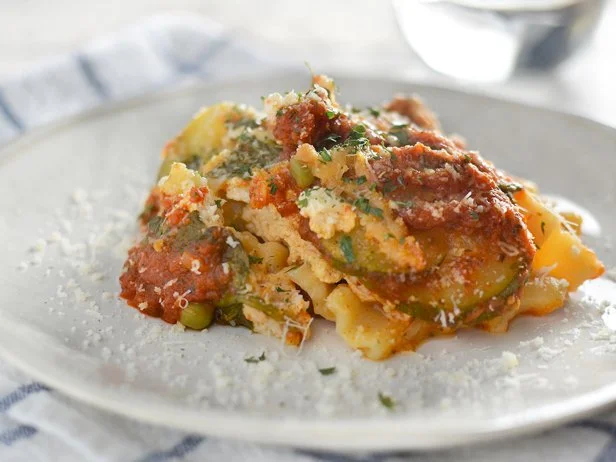
Credit: www.foodnetwork.com
Benefits Of Slow Cooker Meals
Slow cooker meals offer many benefits for busy people and home cooks. They simplify meal preparation and help create delicious vegetarian dishes. These meals save time, improve flavor, and keep nutrients intact.
Time-saving Cooking
Slow cookers allow you to prepare meals in advance. Simply add ingredients and set the timer. The appliance does the cooking while you focus on other tasks. This reduces kitchen time and stress. No need to watch the stove or stir constantly.
Enhanced Flavors
Slow cooking lets ingredients blend fully over hours. Vegetables and spices release deep, rich flavors. The low heat helps soften textures without burning. Meals taste richer and more satisfying. This method suits hearty, comforting vegetarian recipes well.
Nutrient Retention
Slow cookers use gentle heat, preserving vitamins and minerals. Quick high heat can destroy some nutrients. Slow cooking retains the natural goodness of vegetables and legumes. This keeps meals healthy and nourishing for your body.

Credit: food52.com
Essential Ingredients For Vegetarian Slow Cooking
Essential ingredients create the foundation for tasty vegetarian slow cooker meals. These ingredients cook well over hours and develop deep flavors. Using a mix of vegetables, beans, grains, and spices makes dishes hearty and nutritious. Choosing the right ingredients ensures every slow cooker recipe turns out delicious and satisfying.
Common Vegetables
Vegetables add flavor, texture, and color to slow cooker dishes. They soften beautifully during long cooking times. Root vegetables and sturdy greens work best.
- Carrots
- Potatoes
- Sweet potatoes
- Onions
- Bell peppers
- Zucchini
- Tomatoes
- Spinach
Beans And Legumes
Beans and legumes provide protein and fiber. They become tender and creamy in the slow cooker. Dried or canned options both work well.
- Chickpeas
- Black beans
- Lentils
- Kidney beans
- White beans
Grains And Pasta
Grains and pasta add substance to vegetarian meals. Slow cookers soften grains nicely without extra effort. Use whole grains for better nutrition.
- Brown rice
- Quinoa
- Barley
- Pasta (add near the end)
- Couscous
Herbs And Spices
Herbs and spices bring dishes to life with aroma and taste. Fresh herbs add brightness, dried spices deepen flavor. Use freely to suit your palate.
- Garlic
- Bay leaves
- Cumin
- Thyme
- Oregano
- Parsley
- Chili powder
Top Simple Recipes To Try
Simple vegetarian slow cooker recipes make meal prep easy and tasty. These dishes save time and bring warm, comforting flavors to your table. Perfect for busy days or relaxed weekends.
Looking to simplify your meal prep while keeping it delicious and nutritious? Slow cooker recipes are the perfect solution for busy days when you want to come home to a warm, comforting meal. Whether you’re a seasoned vegetarian or just exploring plant-based meals, these top simple vegetarian slow cooker recipes are sure to become your new favorites. Let’s dive into these mouth-watering dishes!Hearty Lentil Stew
Lentils are a fantastic source of protein and fiber, making them a staple in any vegetarian kitchen. This hearty lentil stew is not only satisfying but also incredibly easy to prepare. Simply toss lentils, carrots, celery, and your favorite herbs into the slow cooker with vegetable broth. Let it cook on low for 6-8 hours, and you’ll have a stew that’s both nourishing and delicious.Creamy Mushroom Stroganoff
Missing the creamy comfort of stroganoff? This vegetarian version uses mushrooms to create a rich, flavorful dish that rivals any classic beef stroganoff. Add sliced mushrooms, onions, garlic, and a splash of white wine to your slow cooker. Top it off with a dollop of sour cream before serving for that creamy finish. Pair it with pasta or rice for a complete meal.Vegetable Chili
Chili is a crowd-pleaser and can easily be made vegetarian without losing any of its bold flavors. Combine beans, bell peppers, tomatoes, and spices in your slow cooker. Cook on low for 8 hours and enjoy a hearty, warming dish that’s perfect for chilly days. Want to add a bit of heat? Sprinkle in some cayenne pepper or diced jalapeños.Butternut Squash Curry
This butternut squash curry is a vibrant dish that brings a touch of exotic flair to your dinner table. Cube butternut squash and combine it with coconut milk, curry paste, and chickpeas in the slow cooker. Let the flavors meld together over 6 hours on low, resulting in a creamy, aromatic curry that’s sure to impress. Consider serving it with naan or basmati rice for an authentic experience. These recipes not only simplify your cooking routine but also showcase how versatile and delicious vegetarian meals can be. Which recipe will you try first?Tips For Perfect Slow Cooker Results
Perfect results from a slow cooker depend on a few simple tips. These tips help every meal turn out flavorful and well-cooked. Understanding how to layer ingredients, adjust cooking times, and use the right produce makes all the difference.
Small changes can improve texture and taste. These guidelines ensure your vegetarian dishes come out just right every time.
Layering Ingredients
Place dense vegetables like carrots and potatoes at the bottom. They need more heat to cook properly. Softer items such as tomatoes and spinach should go on top. This stops them from turning mushy.
Layering also affects how flavors blend. Put herbs and spices near the top or middle to release aroma slowly.
Adjusting Cooking Times
Slow cookers vary, so check food a bit before the end time. Cooking on low heat takes longer than on high. Most recipes work well between 4 to 8 hours.
For softer vegetables, reduce cooking time slightly. Harder vegetables may need the full time or more. Use a timer to keep meals on schedule.
Avoiding Overcooking
Overcooked vegetables lose texture and nutrients. Stop cooking once ingredients are tender but still hold shape. Avoid opening the lid too often; it lowers temperature.
Use a fork to test softness. If it slides in easily, the dish is ready. Turn off the slow cooker and let food sit for a few minutes.
Using Fresh Vs. Frozen Produce
Fresh vegetables give better texture and flavor. Frozen produce can work but may add extra water. Thaw frozen items before adding to reduce moisture.
Adjust cooking time slightly when using frozen vegetables. They cook faster and may overcook if not timed well.
Meal Prep And Storage Ideas
Preparing simple vegetarian slow cooker meals ahead saves time and stress. Proper meal prep and storage keep food fresh and tasty. It helps you enjoy healthy meals all week without extra cooking. Organizing batches, freezing, and controlling portions makes meal planning easier and waste-free.
Batch Cooking Strategies
Cook large amounts of slow cooker recipes at once. Use bigger slow cookers to make more servings. Prepare different meals on separate days for variety. Label containers with meal names and cooking dates. Store meals in airtight containers to keep flavors fresh. Plan meals with ingredients that store well for several days.
Freezing And Reheating Tips
Freeze slow cooker meals in freezer-safe containers or bags. Leave space for food to expand while freezing. Cool meals to room temperature before freezing to avoid ice crystals. Thaw meals in the fridge overnight for best results. Reheat on low heat in the slow cooker or microwave. Stir meals well after reheating to distribute heat evenly.
Portion Control
Divide meals into single or family-sized portions before storing. Use clear containers to see contents easily. Measure portions to avoid overeating and food waste. Label containers with portion size and calories if needed. Store smaller portions for lunches and larger ones for dinners. Freeze extra portions to keep meals ready for busy days.
Customizing Recipes For Dietary Needs
Customizing vegetarian slow cooker recipes makes them fit your health needs and taste. Simple changes can keep meals enjoyable and safe for everyone. Adjusting ingredients helps avoid allergens, lower carbs, or skip gluten.
These tweaks do not need complex cooking skills. They keep meals fresh, healthy, and exciting. You can tailor dishes to suit your lifestyle and diet without losing flavor or ease.
Gluten-free Options
Many slow cooker recipes use soy sauce or broth that contain gluten. Choose gluten-free tamari or coconut aminos instead. Read labels carefully to avoid hidden gluten in canned beans and spices.
Replace wheat pasta with gluten-free pasta or rice noodles. Use quinoa or rice as side dishes. These swaps keep the dish hearty and safe for gluten-sensitive diets.
Low-carb Variations
Vegetables like potatoes and corn add carbs to slow cooker meals. Swap these with cauliflower, zucchini, or mushrooms. These vegetables are low in carbs but high in fiber and flavor.
Use tofu or tempeh for extra protein. Avoid adding sugar or sweet sauces. Herbs and spices add taste without extra carbs.
Allergy-friendly Swaps
Common allergens include nuts, soy, and dairy in vegetarian recipes. Replace nut butters with sunflower seed butter or tahini. Use coconut or oat milk instead of cow’s milk.
For soy allergy, use beans, lentils, or chickpeas as protein. Choose allergy-friendly spices and check labels for hidden allergens. Simple swaps keep meals safe and tasty for all.
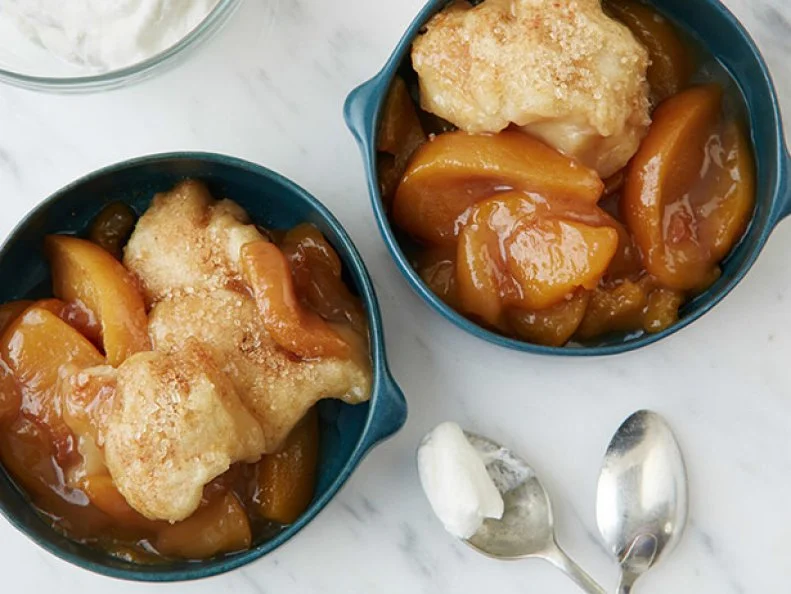
Credit: www.foodnetwork.com
Frequently Asked Questions
What Are Easy Vegetarian Slow Cooker Recipes?
Easy vegetarian slow cooker recipes use simple ingredients and minimal prep. They include soups, stews, and casseroles. These meals save time and enhance flavors with slow cooking. They are perfect for busy weekdays or meal prepping.
How To Make Slow Cooker Vegetarian Meals Tasty?
Use fresh herbs, spices, and vegetable broth for flavor. Add umami ingredients like mushrooms or soy sauce. Layer ingredients properly and avoid overcooking vegetables. These tips boost taste and texture in vegetarian slow cooker meals.
Can I Use Frozen Vegetables In Slow Cooker Recipes?
Yes, frozen vegetables work well in slow cooker recipes. They save prep time and retain nutrients. Add them later in the cooking process to avoid mushiness. Frozen veggies are convenient and perfect for vegetarian slow cooking.
Are Slow Cooker Vegetarian Recipes Healthy?
Yes, slow cooker vegetarian recipes are healthy. They use whole vegetables, legumes, and grains. Slow cooking preserves nutrients and reduces oil use. These meals support a balanced diet with high fiber and vitamins.
Conclusion
Simple vegetarian slow cooker recipes save time and taste great. They make cooking easy for busy days. You can enjoy healthy meals without much effort. These recipes use common ingredients you can find anywhere. Try them to add variety to your dinner plans.
Cooking this way helps you eat more vegetables every day. Give these recipes a chance and enjoy warm, tasty food. Slow cooking brings out rich flavors in simple dishes. Start with one recipe and see how easy it is. Enjoy the comfort of homemade vegetarian meals anytime.

Hi, I’m Daniel Brooks—a food lover and kitchen gear enthusiast. I enjoy testing cookware, utensils, and gadgets to see what really works in everyday cooking. At PlugChef.com, I share honest reviews, comparisons, and simple guides to help you choose the best tools for a safer, smarter, and more enjoyable kitchen.
Related posts:
 What Type of Cooking Utensils are Safe: Expert Picks
 What Innovations Could Blenders Make: Unleashing Future Tech
 Smart Strategies to Organize a Small Kitchen: Maximize Space
 How to Organize a Kitchen Cabinet: Expert Tips & Tricks
 How to Organize Kitchen Drawers: Expert Tips and Tricks
 How to Organize a Corner Kitchen Cupboard: Expert Tips