
Are you craving a dish that’s both comforting and fresh? Imagine tender shrimp and crisp asparagus tossed in a rich, creamy sauce, all wrapped around perfectly cooked pasta.
This Shrimp and Asparagus Pasta Creamy recipe is exactly what your taste buds need. It’s simple to make, packed with flavor, and just the right balance of indulgence and lightness. Keep reading to discover how you can create this delicious meal that will impress your family or guests—and satisfy your hunger like never before.

Credit: www.silviacooks.org
Ingredients For Creamy Shrimp And Asparagus Pasta
Choosing the right ingredients shapes the success of your creamy shrimp and asparagus pasta. Each component plays a vital role in balancing flavors and textures. Getting these basics right will make your dish both delicious and memorable.
Fresh Shrimp Selection
Opt for shrimp that are firm and have a mild ocean scent—avoid any with a strong fishy odor. Fresh shrimp often come with shells on, which help lock in flavor during cooking. You can peel them yourself or buy pre-peeled; just make sure they’re deveined for a cleaner taste.
Frozen shrimp can work too, but thaw them slowly in the fridge. This preserves their texture better than quick defrosting. Have you noticed how fresh shrimp add a subtle sweetness that frozen ones sometimes lack?
Choosing The Best Asparagus
Look for bright green stalks with tight tips and firm texture. Thin to medium-thick asparagus cooks evenly and blends well with creamy sauces. If the ends are woody, snap them off before cooking—you’ll be surprised how much this improves the bite.
Did you know fresher asparagus tastes less bitter and complements creamy dishes beautifully? Try to buy it locally or from the farmers’ market for the best quality.
Creamy Sauce Components
The heart of this pasta is its luscious sauce. Heavy cream or half-and-half provides richness without overpowering the shrimp and asparagus. Adding garlic and a touch of white wine lifts the flavors, while Parmesan cheese rounds it out with umami.
Butter adds silkiness, and a pinch of nutmeg can enhance the creaminess subtly. What’s your go-to ingredient to boost a creamy sauce?
Pasta Varieties That Work
Choose pasta shapes that hold the sauce well, like fettuccine, linguine, or penne. Thin strands allow the creamy sauce to cling perfectly, while tubes like penne trap bits of shrimp and asparagus inside for bursts of flavor.
Cooking pasta al dente gives a nice texture contrast to the tender shrimp and crisp asparagus. Have you experimented with different pasta types to see which pairs best with creamy seafood dishes?
Preparing Shrimp And Asparagus
Shrimp and asparagus cook quickly, making them perfect for creamy pasta dishes. Sauté shrimp until pink and tender, then add asparagus until crisp-tender. This simple prep keeps flavors fresh and texture just right.
Preparing shrimp and asparagus is a key step in crafting a delicious creamy pasta. Fresh ingredients make all the difference in taste and texture. Proper preparation enhances flavors and ensures a delightful dining experience.Cleaning And Deveining Shrimp
Start by rinsing the shrimp under cold water. Remove the shell gently, keeping the tail intact for presentation. To devein, make a shallow cut along the back. Use a toothpick or knife to lift out the vein. Rinse once more and set aside.Trimming And Blanching Asparagus
Snap off the woody ends of each asparagus stalk. This removes the tough part. Cut the asparagus into bite-sized pieces for even cooking. Bring a pot of water to boil. Add asparagus for two minutes until bright green. Transfer to ice water to stop cooking.Tips For Perfect Texture
Cook shrimp until pink and opaque, about two minutes per side. Avoid overcooking to keep them tender. For asparagus, blanching preserves color and crunch. Balance textures by timing cooking steps carefully. Enjoy the harmony of flavors and textures in your dish.Making The Creamy Sauce
Making the creamy sauce for your shrimp and asparagus pasta is where the magic happens. It’s not just about pouring cream into a pan; it’s about building layers of flavor that complement the seafood and fresh vegetables perfectly. The sauce should feel rich but light enough to let the other ingredients shine.
Choosing The Right Cream
Picking the right cream sets the foundation for your sauce. Heavy cream gives a thick, luxurious texture that clings beautifully to pasta. If you want a lighter option, half-and-half works well but be careful—it can separate if overheated.
Think about the richness you prefer. Full-fat cream delivers indulgence, while lighter creams keep the dish fresher. Have you noticed how the type of cream changes the mouthfeel of your pasta? It’s subtle but impactful.
Incorporating Garlic And Herbs
Garlic is a must for that punch of flavor in your creamy sauce. Sauté it gently in butter or olive oil first to avoid bitterness and bring out its sweetness. Fresh herbs like thyme or parsley add brightness and a touch of earthiness that balances the cream.
Try adding garlic early and herbs toward the end of cooking. This keeps their flavors vibrant and prevents them from overpowering the sauce. What herbs do you find elevate seafood dishes the most?
Balancing Flavors With Cheese And Lemon
Cheese and lemon are your secret weapons for flavor balance. A sprinkle of Parmesan adds a salty, nutty depth that enhances the sauce’s creaminess. Lemon juice or zest cuts through the richness with a fresh, tangy kick.
Be cautious with quantities—too much cheese can weigh the sauce down, and too much lemon can make it sour. Add gradually and taste as you go. Have you ever tried finishing your sauce with a squeeze of lemon? It’s a simple step that brightens every bite.
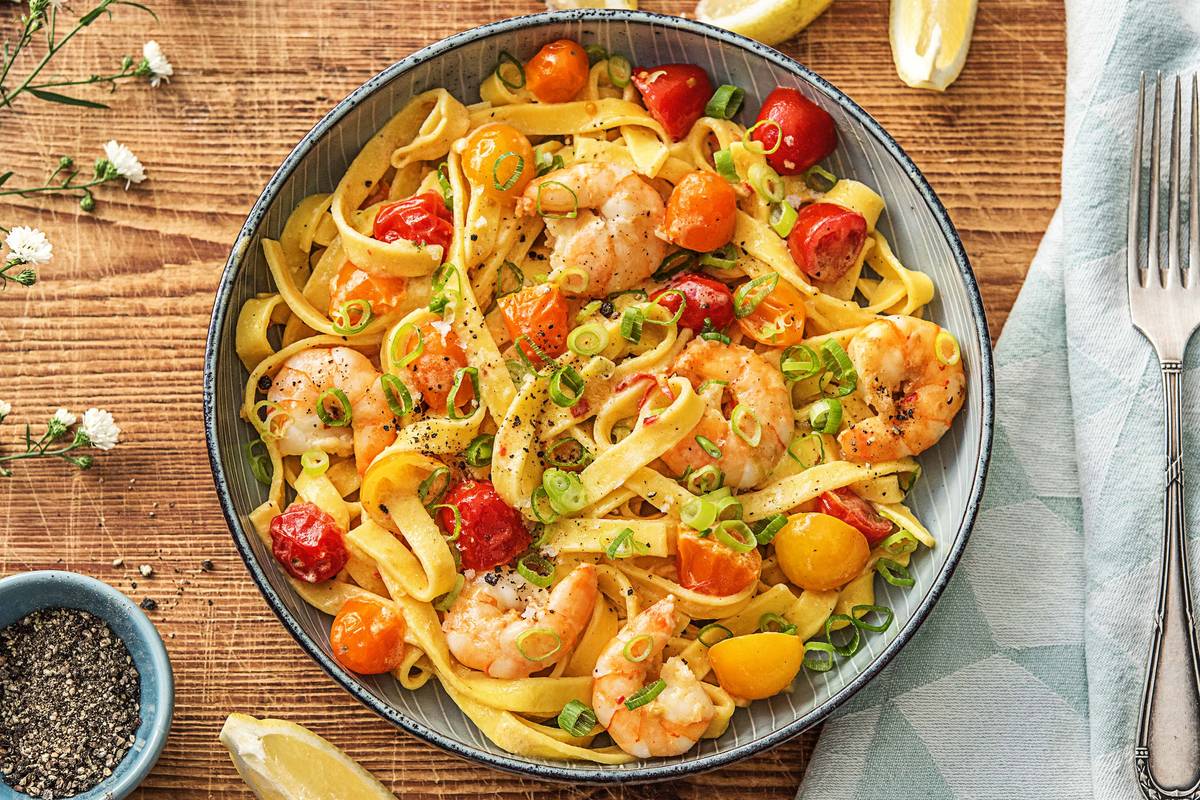
Credit: www.hellofresh.com
Cooking Pasta To Perfection
Cooking pasta perfectly can make or break your shrimp and asparagus pasta creamy dish. Achieving the right texture is key to balancing the creamy sauce and tender shrimp. Let’s dive into some practical tips that will elevate your pasta game.
Boiling Tips For Al Dente
Start with a large pot of salted water—think about the ocean’s saltiness but less intense. This seasons the pasta from within as it cooks. Bring the water to a rolling boil before adding your pasta to prevent it from sticking together.
Stir your pasta occasionally. This stops clumping and ensures even cooking. The goal is al dente, which means the pasta should be firm to the bite but not hard or mushy. Test it a minute or two before the package instructions say—you might find your perfect texture earlier than expected.
Saving Pasta Water For Sauce
Don’t drain all the pasta water away. That starchy water is liquid gold for your sauce. It helps the sauce cling to the pasta, making every bite creamy and flavorful.
Reserve about a cup of pasta water before draining. Add it gradually to your sauce to adjust thickness. This little trick can turn a good sauce into a silky, cohesive masterpiece.
Combining Pasta With Sauce
After draining, immediately toss your pasta with the creamy sauce and cooked shrimp and asparagus. Warm pasta absorbs the sauce better than cold pasta. Mixing everything in the pan over low heat helps the flavors meld together beautifully.
Use tongs or a large spoon to gently fold the pasta, so you don’t break the noodles. Ask yourself: Is every strand coated evenly? If not, add a splash more reserved pasta water to bring it all together.
Bringing It All Together
Bringing together shrimp, asparagus, and creamy pasta means balancing flavors and textures perfectly. Each element needs careful cooking to keep its best taste and texture. The shrimp should be tender and juicy. The asparagus must stay crisp and vibrant. The creamy sauce needs to coat every bite smoothly. Combining these parts creates a rich and satisfying dish.
Sautéing Shrimp And Asparagus
Start by heating oil in a pan over medium heat. Add shrimp with a pinch of salt and pepper. Cook until they turn pink and firm, about 2-3 minutes per side. Remove shrimp and set aside. In the same pan, add chopped asparagus. Sauté for 3-4 minutes until tender but still crisp. This quick cooking keeps the asparagus bright and fresh.
Mixing Ingredients Seamlessly
Lower the heat and pour the creamy sauce into the pan. Stir gently to warm the sauce without boiling. Return shrimp and asparagus to the pan. Toss everything together to coat well. Add cooked pasta and mix until pasta is evenly covered. The sauce should cling to each strand, blending all flavors smoothly.
Garnishing And Serving Ideas
- Sprinkle chopped fresh parsley for a fresh, herbal note.
- Add grated Parmesan cheese for extra richness.
- Use lemon zest or a small squeeze of lemon juice for brightness.
- Serve with crusty bread to soak up the creamy sauce.
Present the pasta in warm bowls for the best taste experience. The garnishes add color and an extra layer of flavor. This final touch makes the dish inviting and delicious.
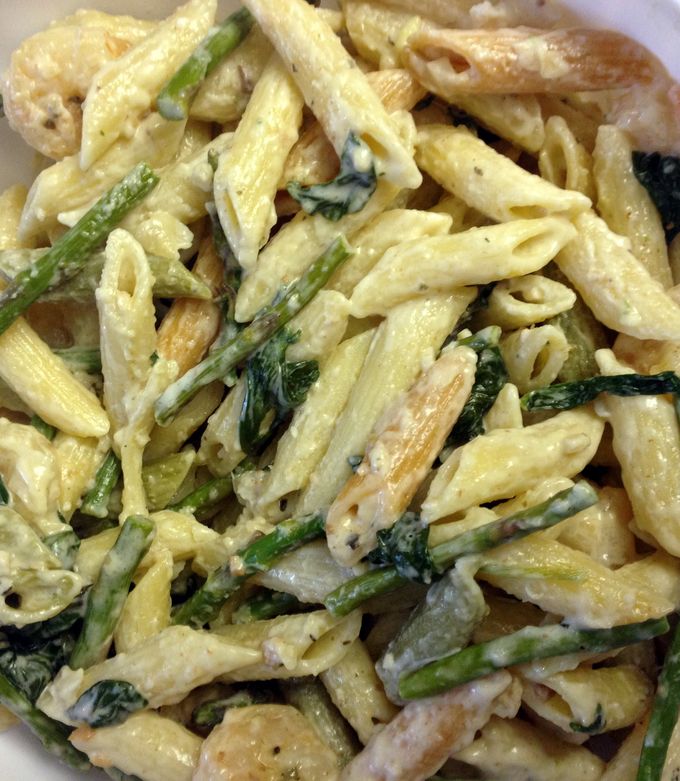
Credit: cookpad.com
Flavor Variations And Enhancements
Exploring flavor variations and enhancements can transform Shrimp and Asparagus Pasta Creamy into a new experience every time. Small changes bring fresh tastes and exciting twists. These tweaks let you customize the dish to your mood and preference.
Adding Spices And Heat
Spices bring warmth and depth to the creamy pasta. Try crushed red pepper flakes for a mild kick. Paprika adds smoky notes that complement shrimp well. A pinch of cayenne pepper can boost heat for spice lovers. Fresh garlic and black pepper enhance overall flavor without overpowering.
Using Different Cheeses
Cheese changes the dish’s richness and texture. Parmesan offers a sharp, nutty taste that melts smoothly. Pecorino Romano provides a saltier, tangy flavor. For creaminess, add mascarpone or cream cheese. Mixing cheeses creates layers of taste and a velvety sauce.
Incorporating Wine Or Broth
Liquids like wine or broth lift the sauce’s taste. White wine adds a light, fruity acidity that brightens the cream. Chicken or vegetable broth deepens the flavor without extra fat. Simmer the liquid before adding cream for a richer, well-rounded sauce. Both options keep the pasta moist and flavorful.
Tips For Leftovers And Storage
Leftovers from your creamy shrimp and asparagus pasta can be just as delicious the next day—if you store and reheat them properly. Handling your leftovers with care helps keep the sauce smooth and the shrimp tender. Let’s look at some practical tips to keep your dish tasting fresh and creamy even after refrigeration or freezing.
Reheating Without Losing Creaminess
Reheating creamy pasta dishes can be tricky because the sauce may separate or dry out. To avoid this, add a splash of milk or cream before warming. Heat the pasta gently on low heat, stirring often to bring back that smooth texture.
If you use a microwave, cover the dish and stop every 30 seconds to stir. This helps distribute heat evenly and prevents overheating. Have you noticed how quickly creamy sauces can turn grainy? Slow and steady warming keeps your sauce silky.
Freezing Guidelines
Freezing creamy shrimp pasta isn’t ideal because the sauce might split, but you can still freeze it if done right. Freeze the pasta without sauce if possible, then add fresh sauce when reheating. If freezing the whole dish, cool it completely before sealing tightly to avoid ice crystals.
Use your freezer within 1-2 months for best flavor. Label your container with the date to keep track. Did you know that shrimp texture can change after freezing? It’s best to eat frozen creamy pasta within a reasonable time to enjoy the shrimp at its best.
Best Containers For Storage
Choosing the right container is key to maintaining freshness. Airtight containers prevent moisture loss and protect flavors. Glass containers with tight lids work best because they don’t absorb odors and can go from fridge to microwave safely.
- Use shallow containers to cool food quickly and evenly.
- Divide large portions into smaller servings for easy reheating.
- Label each container with contents and date for quick identification.
Have you tried vacuum-sealing your leftovers? It can extend freshness even further and reduce freezer burn. Proper storage not only saves your food but also saves you from wasting that delicious creamy pasta!
Frequently Asked Questions
What Ingredients Are Essential For Creamy Shrimp Asparagus Pasta?
The essential ingredients include shrimp, fresh asparagus, pasta, heavy cream, garlic, Parmesan cheese, and olive oil. These create the creamy texture and rich flavor of the dish. Fresh herbs like parsley can enhance taste and presentation.
How Do You Cook Shrimp For Creamy Pasta Perfectly?
Cook shrimp in a hot skillet with olive oil until pink and opaque. Avoid overcooking to keep shrimp tender. Season with salt, pepper, and garlic for flavor. Add shrimp to pasta sauce last to maintain their texture.
Can I Use Different Pasta Types For This Recipe?
Yes, you can use fettuccine, penne, linguine, or spaghetti. Choose pasta that holds creamy sauces well. Adjust cooking times according to the pasta type to ensure perfect texture. Fresh or dried pasta both work great.
How Do I Make The Sauce Creamy Without Heavy Cream?
Use alternatives like coconut milk, cashew cream, or Greek yogurt. These provide creaminess with fewer calories or dairy-free options. Add slowly and stir well to avoid curdling. Adjust seasoning to balance flavors.
Conclusion
This creamy shrimp and asparagus pasta is a quick, tasty meal. It mixes fresh flavors with smooth sauce perfectly. You can make it any night for dinner. Cooking this dish brings a cozy, homemade feeling. Try it and enjoy a simple, healthy dinner option.
Perfect for those who love easy, delicious food. Give your taste buds a treat with this recipe. Simple ingredients, rich taste—what more do you need?

Hi, I’m Daniel Brooks—a food lover and kitchen gear enthusiast. I enjoy testing cookware, utensils, and gadgets to see what really works in everyday cooking. At PlugChef.com, I share honest reviews, comparisons, and simple guides to help you choose the best tools for a safer, smarter, and more enjoyable kitchen.
Related posts:
 What Type of Cooking Utensils are Safe: Expert Picks
 What Innovations Could Blenders Make: Unleashing Future Tech
 Smart Strategies to Organize a Small Kitchen: Maximize Space
 How to Organize a Kitchen Cabinet: Expert Tips & Tricks
 How to Organize Kitchen Drawers: Expert Tips and Tricks
 How to Organize a Corner Kitchen Cupboard: Expert Tips