

Are you tired of unevenly shredded vegetables or spending too much time prepping your meals? Your food processor’s shredding blade could be the secret to faster, cleaner results.
Choosing the right shredding blade doesn’t just save time – it transforms your cooking experience, making every dish look and taste better. You’ll discover how the right shredding blade can upgrade your kitchen skills and help you get the perfect shred every time.
Keep reading to find out what makes a shredding blade stand out and how to pick the best one for your food processor.

Credit: www.walmart.com
Types Of Shredding Blades
Shredding blades are essential parts of any food processor. They come in various types to suit different food preparation needs. Choosing the right blade affects the texture and quality of shredded food. Understanding the differences helps you pick the best tool for your kitchen tasks.
Coarse Vs Fine Blades
Coarse blades create larger, thicker shreds. They are ideal for salads, cheese, and vegetables like cabbage. Fine blades produce smaller, thinner shreds. Use them for dishes needing delicate textures, such as baked goods or garnishes. Each blade type offers unique results depending on the recipe.
Material And Durability
Most shredding blades are made from stainless steel. This material resists rust and maintains sharpness longer. Some blades have coatings to reduce sticking and improve cutting. Durable blades last through many uses without dulling. Always check the blade’s quality before buying.
Blade Design Variations
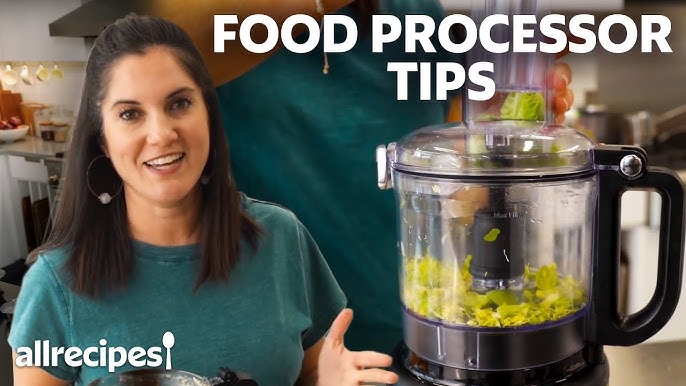
Blades come in different shapes and styles. Some have straight edges for smooth shredding. Others feature serrated edges to grip and cut tougher foods. Certain designs offer multi-functional use, combining shredding with slicing. The blade’s design impacts performance and ease of cleaning.
Credit: www.youtube.com
Choosing The Right Blade
Choosing the right shredding blade for your food processor can make a big difference in your kitchen results. The right blade helps you get the texture and size you want, making food prep faster and more enjoyable. Knowing what to look for saves you from frustration and wasted time.
Matching Blades To Food Types
Different foods need different blades. Hard vegetables like carrots or potatoes require a sturdy, sharp blade that can handle tough textures without bending or dulling quickly. Softer foods like cheese or tomatoes do better with thinner, finer blades that prevent crushing or mashing.
Think about what you shred most often. If you regularly prepare salads with cabbage and carrots, a medium-thickness blade with sharp edges works well. If you’re shredding nuts or chocolate, choose a blade designed for delicate, precise shredding to avoid turning them into powder.
Compatibility With Food Processors
Your food processor’s brand and model limit your blade choices. Not every blade fits every machine, so check compatibility before buying. Using an incompatible blade can damage your processor or result in poor shredding performance.
Look for blades that specifically mention your processor’s make and model. Some manufacturers offer universal blades, but these may not work as smoothly or efficiently. Always prioritize blades designed for your processor to maintain safety and effectiveness.
Blade Size And Thickness
Blade size affects the shredding width and the final texture of your food. Larger blades create wider shreds, which are great for dishes like coleslaw or stir-fries. Smaller blades produce finer shreds, ideal for garnishes or smoother textures in recipes.
Thickness matters too. Thicker blades hold up better with tough foods but can produce coarser results. Thinner blades give finer shreds but may wear down faster. Consider your cooking style and how often you shred to decide the best balance.
Blade Maintenance Tips
Keep shredding blades clean and dry to prevent rust and dullness. Regularly check for damage and sharpen blades carefully to maintain cutting efficiency. Store blades safely to avoid accidents and extend their lifespan.
Blade maintenance is crucial for a food processor’s optimal performance. Proper care ensures that the shredding blade remains sharp and effective. Regular maintenance extends the blade’s lifespan and keeps food preparation smooth.Cleaning Techniques
Clean the blade after each use to prevent rust. Rinse under warm water to remove food particles. Use a soft brush for stubborn bits. Avoid abrasive cleaners to protect the blade’s surface. Dry thoroughly with a soft cloth to prevent moisture damage.Sharpening Methods
A dull blade reduces efficiency and increases prep time. Sharpen the blade with a sharpening stone for precision. Hold the blade at a 20-degree angle and glide it across the stone. Repeat until sharp. Use a honing rod for minor touch-ups between sharpenings.Storage Recommendations
Store the shredding blade in a dry, safe place. Use blade guards for added protection. Keep it away from other utensils to prevent dulling. Consider a dedicated storage box to avoid accidental contact. Proper storage reduces the risk of damage and maintains sharpness.
Credit: www.amazon.ca
Common Shredding Issues
Using a shredding blade in a food processor can simplify many kitchen tasks. Still, some common issues affect the shredding quality and user experience. These issues range from uneven cuts to blade dulling and food jamming. Identifying these problems helps keep your food processor working smoothly.
Uneven Cuts
Uneven cuts happen when the blade does not shred food consistently. This issue may arise from improper food placement or blade alignment. Food pieces may be too large or irregular, causing inconsistent shredding. Also, a loose or damaged blade can contribute to uneven results.
Blade Dulling
Shredding blades lose sharpness over time. Dull blades make shredding harder and less efficient. They can crush or tear food rather than slicing it cleanly. Regular use without maintenance speeds up dulling. Using the right cleaning tools can help keep blades sharp longer.
Food Jamming Solutions
Food jamming occurs when shredded pieces block the blade or chute. This stops the shredding process and may damage the machine. To avoid jamming:
- Cut food into smaller pieces before shredding
- Do not overload the food processor bowl
- Pause and clear the blade area if food clogs
- Use a spatula to gently push food toward the blade
Proper technique and care reduce food jamming and improve shredding results.
Enhancing Cutting Performance
Enhancing the cutting performance of your shredding blade can transform your food preparation experience. It not only saves time but also ensures consistent, clean cuts that improve the texture and appearance of your dishes. Paying attention to a few key factors can make a big difference in how effectively your food processor works.
Proper Food Preparation
Preparing your ingredients correctly helps your shredding blade work smoothly. Cut vegetables or fruits into uniform sizes before processing to avoid uneven shredding or blade jams.
Harder foods like carrots or cheese benefit from being chilled or slightly softened, respectively. This small adjustment can reduce stress on the blade and improve cut quality.
Optimal Processor Settings
Choosing the right speed and pulse settings on your food processor maximizes shredding efficiency. High speeds work well for softer items, while firmer foods often require slower, steady pulses.
Experiment with settings to find what suits your specific ingredients and blade type. Have you noticed how adjusting speed can either crush or perfectly shred your food?
Safety Measures
Handling the shredding blade with care protects both you and your equipment. Always ensure the blade is securely attached before use to prevent accidents.
Wear cut-resistant gloves when cleaning or installing the blade, as its edges are extremely sharp. Keeping your workspace clutter-free also helps you avoid mishaps during food processing.
Popular Brands And Models
Choosing the right shredding blade for your food processor can make a huge difference in your kitchen tasks. With many brands and models available, it’s essential to know which ones deliver quality, durability, and efficiency. Let’s look at some popular options to help you find the blade that fits your needs and budget.
Top Rated Shredding Blades
Many users praise blades from brands like Cuisinart and KitchenAid for their sharpness and long-lasting performance. The Cuisinart DLC-10 and KitchenAid KFP0733 shredding discs are especially popular for their consistent results and easy attachment. These blades handle vegetables, cheese, and fruits smoothly, saving you time and effort.
Have you noticed how some blades dull quickly, making shredding frustrating? Investing in top-rated blades often means fewer replacements and better food texture every time.
Budget-friendly Options
If you’re watching your spending, brands like Hamilton Beach and Black+Decker offer shredding blades that deliver decent performance without breaking the bank. These models are perfect for occasional shredding tasks and smaller food processors.
- Hamilton Beach’s 70725 shredding blade fits many models and gets the job done well.
- Black+Decker’s blades are affordable and easy to clean, ideal for simple shredding needs.
While these blades may not last as long as premium ones, they provide good value for casual cooks. Are you someone who shreds only once in a while? These options might be just right for your kitchen.
Premium Choices
If you shred frequently or prepare large batches, premium blades from brands like Breville and Braun offer superior build quality and precision. Their stainless steel shredding discs resist rust and maintain sharpness through heavy use.
Breville’s BFP800XL shredding blade stands out for its professional-grade sharpness and easy interchangeability. Braun’s MultiQuick series includes blades designed for efficiency and safety, perfect for home chefs who value performance.
Think about how often you shred and the types of foods you prepare. Premium blades might seem costly upfront but can save you frustration and time in the long run.
Diy And Replacement Blades
DIY and replacement blades keep your food processor working well. Sharp blades make shredding easy and quick. Over time, blades wear down and lose their edge. Knowing when and how to replace or customize blades saves money and effort.
Understanding blade care helps maintain food quality. Safe and sharp blades reduce the risk of accidents. DIY blade options allow personalization based on cooking needs.
When To Replace Blades
Blades dull with use and lose cutting power. Signs include uneven shredding or crushed food. Rust or chips mean immediate replacement is needed. A blade that vibrates or wobbles is unsafe. Regularly check blades for damage or wear.
Finding Compatible Replacements
Compatibility depends on the food processor model. Use the model number to find exact parts. Many brands offer universal blades for multiple models. Choose blades made from stainless steel for durability. Avoid cheap copies as they wear out fast.
Customizing Blades
Some users sharpen blades at home with a sharpening tool. Custom blades can be crafted for special shredding sizes. You can combine blades for thicker or thinner slices. Experimenting with blade types improves recipe results. Always ensure custom blades fit securely and safely.
Frequently Asked Questions
What Is A Shredding Blade For Food Processors?
A shredding blade is an attachment designed to slice vegetables or cheese into thin, uniform strips. It fits into food processors for quick, consistent shredding. This blade saves time and effort compared to manual shredding, enhancing kitchen efficiency.
How Do I Choose The Best Shredding Blade?
Choose a blade compatible with your food processor model. Consider the blade material, sharpness, and thickness of shreds needed. Stainless steel blades offer durability and precision. Reading user reviews also helps find a reliable, high-quality shredding blade.
Can Shredding Blades Handle Hard Foods?
Yes, shredding blades can slice hard foods like carrots and firm cheese. However, ensure the blade is sharp and sturdy. Avoid forcing very tough items to prevent damage to the blade or food processor.
How Do I Maintain And Clean Shredding Blades?
Clean blades immediately after use with warm, soapy water to remove food residue. Use a brush to avoid cutting yourself. Dry thoroughly to prevent rust. Regular maintenance ensures longevity and optimal performance of the shredding blade.
Conclusion
A shredding blade makes food prep faster and easier. It cuts vegetables and cheese into even pieces. Using the right blade keeps your food processor working well. Clean the blade carefully after each use to keep it sharp. Choosing a good shredding blade helps you save time in the kitchen.
Small tools can make a big difference in cooking. Try different blades to find what suits your needs best. Cooking becomes more fun with the right equipment.

I’m Abby Lu, a passionate home cook who loves simplifying everyday meals. At PlugChef.com, I share product reviews and cooking guides to help you find the best tools for your kitchen.
Related posts:
 What Type of Cooking Utensils are Safe: Expert Picks
 What Innovations Could Blenders Make: Unleashing Future Tech
 Smart Strategies to Organize a Small Kitchen: Maximize Space
 How to Organize a Kitchen Cabinet: Expert Tips & Tricks
 How to Organize Kitchen Drawers: Expert Tips and Tricks
 How to Organize a Corner Kitchen Cupboard: Expert Tips

