
When you step onto a shooting range, safety should always be your top priority. But accidents can happen, even when you’re careful.
That’s why having the right first aid kit with you is more than just a good idea—it’s a must. Imagine facing a minor injury and not having the tools to handle it quickly. How would you feel? This guide will help you understand exactly what your shooting range first aid kit needs to include, so you’re prepared for any situation.
Keep reading to make sure you never leave your safety to chance.
Essential Components
Having the right first aid kit at a shooting range is vital. Injuries can happen fast and need quick care. The essential components in a first aid kit help manage wounds and prevent infections. Every item should be easy to use and effective.
These key supplies prepare you to handle common shooting range accidents. They focus on stopping bleeding, cleaning wounds, and protecting injuries. Knowing what each component does can save time and lives.
Bandages And Dressings
Bandages and dressings cover cuts and bruises. They stop dirt from entering wounds. Common types include adhesive bandages, gauze pads, and elastic wraps. These keep wounds clean and help control bleeding. Sterile dressings reduce infection risks. Choose different sizes for various injuries.
Antiseptic Solutions
Antiseptic solutions clean wounds quickly and safely. They kill germs and lower infection chances. Common antiseptics are iodine wipes, alcohol pads, and hydrogen peroxide. These solutions prepare the skin before applying bandages. Always use antiseptics that do not irritate the skin.
Emergency Bleeding Control
Emergency bleeding control items stop heavy bleeding fast. Tourniquets and pressure dressings are crucial here. Tourniquets tighten around limbs to cut off blood flow. Pressure dressings apply strong pressure to wounds. Both tools can save lives in severe injuries. Keep these tools ready and easy to reach.

Credit: refugemedical.com
First Aid Tools
First aid tools are essential in any shooting range first aid kit. They help you respond quickly and effectively to injuries, which can happen unexpectedly. Having the right tools on hand can make a real difference in managing wounds and stabilizing someone until professional help arrives.
Tweezers And Scissors
Tweezers are perfect for removing small debris like splinters or fragments from a wound. They allow you to clean the injury without causing further damage. Scissors come in handy for cutting bandages, clothing, or tape quickly, especially in emergencies.
Choose scissors with blunt tips to avoid accidental cuts. Compact, stainless-steel tools last longer and are easier to sterilize. Have you ever struggled to cut clothing fast during an injury? Good scissors solve that problem immediately.
Cpr Mask
A CPR mask is crucial if someone suffers a breathing emergency or cardiac arrest at the range. It protects you from direct contact while giving rescue breaths safely. This simple tool can boost your confidence and effectiveness during life-saving attempts.
Look for masks with a one-way valve to prevent contamination. Many models fold flat, making them easy to carry in your kit. Can you imagine staying calm and ready to help because you have the right protective gear? That readiness can save lives.
Thermal Blanket
A thermal blanket keeps injured persons warm by retaining body heat. Shock and blood loss can cause rapid body temperature drops, making warmth vital. This lightweight, compact item is a must-have for stabilizing victims before emergency services arrive.
Its reflective surface also helps signal rescuers if needed. You might not expect cold-related issues at a shooting range, but injuries can quickly lead to hypothermia. Keeping a thermal blanket handy prepares you for these hidden risks.
Safety Gear
Safety gear is essential at any shooting range. It protects you from common hazards. Wearing the right gear lowers the risk of injury. It also helps you stay focused and confident while shooting.
Eye Protection
Eye protection guards against flying debris and hot shell casings. Safety glasses or goggles with impact resistance are best. Clear lenses work well indoors. Tinted lenses help in bright sunlight. Choose gear that fits snugly and feels comfortable. Good eye protection prevents serious eye injuries.
Hearing Protection
Shooting creates loud noises that can damage hearing. Earplugs or earmuffs reduce noise levels effectively. Some models combine both for extra safety. Pick hearing protection that blocks harmful sounds but allows communication. Comfortable fit is important for long sessions. Protect your ears to avoid permanent hearing loss.
Protective Gloves
Gloves shield your hands from hot gun parts and sharp edges. They also improve grip on firearms and gear. Look for gloves made from durable materials like leather or synthetic fabrics. Ensure gloves fit well and allow finger movement. Wearing gloves can prevent burns, cuts, and blisters at the range.
Emergency Procedures
Emergencies at a shooting range demand quick thinking and precise action. Knowing the right steps can make a critical difference in outcomes. Your first aid kit is only as effective as your ability to use it correctly in those tense moments.
Assessing The Situation
Start by quickly evaluating the scene. Is the area safe for you to approach? Look for any ongoing hazards like live firearms or unstable surroundings.
Check the injured person’s responsiveness and breathing. These initial observations guide your next moves. You don’t want to rush in without a clear understanding of the risks involved.
Calling For Help
Once you confirm someone needs medical attention, call emergency services immediately. Provide clear, concise information including your exact location and the nature of the injury.
Don’t hang up until the dispatcher tells you to. They might guide you through steps while help is on the way. Imagine how valuable that guidance could be if you’re unsure what to do next.
Administering First Aid
Use your first aid kit to address injuries based on what you’ve assessed. Stop any bleeding by applying pressure with sterile gauze. If there’s a deep wound, avoid probing or removing objects embedded in the skin.
Keep the injured person calm and still. If they are unconscious but breathing, position them on their side to keep airways clear. Your calm presence combined with basic first aid can stabilize them until professionals arrive.
Training And Preparedness
Being prepared at a shooting range goes beyond just having the right equipment. It means knowing how to respond quickly and effectively in an emergency. Training and preparedness ensure that you and those around you can handle injuries or accidents confidently, minimizing risks and enhancing safety for everyone involved.
First Aid Training
Having a first aid kit is important, but knowing how to use it is critical. Taking a certified first aid course tailored to shooting incidents can make a big difference. You learn essential skills like controlling bleeding, treating shock, and managing gunshot wounds.
Think about it: if a friend is injured, will you freeze or act? Training gives you the confidence to step in immediately. It also helps you understand when to call for professional medical help, which can save lives.
Regular Kit Maintenance
Your first aid kit must be ready to go at all times. Check it regularly to replace expired items and restock supplies after use. A well-maintained kit means no surprises when seconds count.
Set reminders to inspect your kit monthly. Look for:
- Expired medications and ointments
- Used or damaged bandages
- Non-functional tools like scissors or tweezers
Keeping your kit in top condition shows you value safety and responsibility.
Practice Drills
Practice makes perfect, especially when lives are on the line. Organize regular first aid drills with your shooting group to simulate real emergencies. This helps everyone stay sharp and familiar with the kit’s contents.
During drills, role-play different scenarios like accidental discharge or severe bleeding. Ask yourself: would you know the fastest way to stop the bleeding or how to keep the victim calm? Practicing these skills builds muscle memory and reduces panic during actual emergencies.
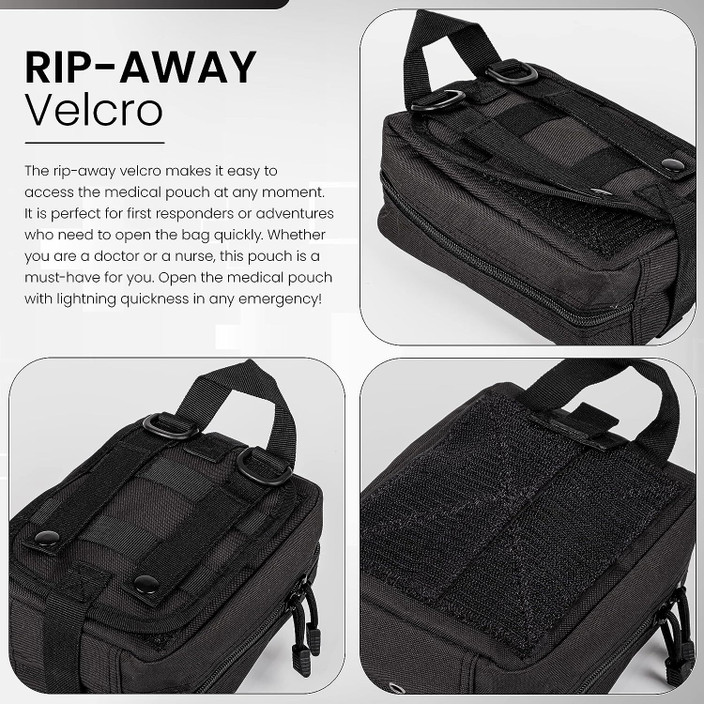
Credit: www.flipkart.com
Legal And Ethical Considerations
Having a first aid kit at the shooting range isn’t just about safety; it also brings legal and ethical responsibilities. Understanding these concerns helps you act properly during emergencies and protects everyone involved. Let’s dive into the key points you need to consider.
Liability Concerns
Who is responsible if someone gets hurt at the range? This question matters a lot when you have a first aid kit on site. If you provide help, you could face liability issues if things go wrong.
To reduce risks, keep your first aid kit stocked and up to date. Also, consider getting training in basic first aid and CPR. Knowing what you’re doing protects both you and the injured person.
Have you checked if your range insurance covers first aid incidents? This small step can save you from costly legal troubles later.
Consent And Privacy
Before assisting an injured person, always ask for their consent if they are conscious. Respecting their permission is a legal and ethical must.
Keep in mind that personal medical information is private. Avoid sharing details about the injury with others unless absolutely necessary or authorized.
This respect builds trust and keeps you within legal boundaries. How comfortable are you with handling sensitive information during emergencies?
Reporting Injuries
Accurate reporting of any injury at the shooting range is crucial. It helps in tracking safety issues and prevents future accidents.
Make sure to document the incident with clear facts: what happened, who was involved, and how it was handled. Share this report with range management promptly.
Don’t forget that some injuries might require notification to local authorities or health agencies. Are you aware of your area’s reporting requirements?

Credit: mymedic.com
Frequently Asked Questions
What Essential Items Belong In A Shooting Range First Aid Kit?
A shooting range first aid kit should include bandages, antiseptic wipes, gloves, tourniquets, gauze pads, and burn cream. These items help treat cuts, burns, and bleeding injuries common at ranges. Having a compact, well-stocked kit ensures quick response to accidents.
How Do I Maintain My Shooting Range First Aid Kit?
Regularly check and replace expired or used supplies. Store the kit in a dry, accessible location. Keep it organized to quickly find items during emergencies. Updating the kit ensures readiness and safety for all shooting range users.
Why Is A Tourniquet Important In Shooting Range First Aid?
A tourniquet controls severe bleeding from gunshot wounds or deep cuts. It can save lives by stopping blood loss until professional help arrives. Including a tourniquet in your first aid kit is crucial for effective emergency response.
Can A Shooting Range First Aid Kit Treat Gunshot Wounds?
Yes, it provides initial care for gunshot wounds, such as controlling bleeding and preventing infection. Immediate treatment can stabilize victims before emergency services arrive. However, professional medical attention is always necessary after initial first aid.
Conclusion
A well-stocked shooting range first aid kit saves lives. It helps treat injuries quickly and reduces risks. Everyone at the range should know its location. Keep the kit updated with essential supplies at all times. Regular checks ensure nothing is missing or expired.
Safety is a shared responsibility for all shooters. Prepare now, so emergencies do not catch you off guard. Stay safe, stay ready.

I’m Abby Lu, a passionate home cook who loves simplifying everyday meals. At PlugChef.com, I share product reviews and cooking guides to help you find the best tools for your kitchen.
Related posts:
 What Type of Cooking Utensils are Safe: Expert Picks
 What Innovations Could Blenders Make: Unleashing Future Tech
 Smart Strategies to Organize a Small Kitchen: Maximize Space
 How to Organize a Kitchen Cabinet: Expert Tips & Tricks
 How to Organize Kitchen Drawers: Expert Tips and Tricks
 How to Organize a Corner Kitchen Cupboard: Expert Tips