

Have you ever wondered how long your fire extinguisher can keep you safe? Knowing the shelf life of a fire extinguisher isn’t just useful—it could save your home, your business, or even your life.
Imagine needing it in an emergency, only to find it’s expired or won’t work. That’s why understanding when to replace or maintain your extinguisher is crucial. You’ll discover everything you need to know about the shelf life of a fire extinguisher, so you can stay prepared and confident when it matters most.
Keep reading to protect what’s important to you.
Fire Extinguisher Types
Understanding the different types of fire extinguishers is key to knowing their shelf life and maintenance needs. Each type contains unique chemicals or agents designed for specific fire classes. Knowing what’s inside your extinguisher helps you keep it effective and safe over time.
Dry Chemical
Dry chemical extinguishers are the most common. They use a powder that smothers flames by interrupting the chemical reaction of a fire. You’ll find them in homes, offices, and vehicles because they work on multiple fire types like wood, flammable liquids, and electrical fires.
These extinguishers generally have a shelf life of 5 to 15 years, but you should check the pressure gauge regularly. If the powder clumps or the gauge drops, it’s time for servicing or replacement. Have you ever tried to use one only to find it clogged or empty? That’s why routine checks matter.
Co2
CO2 extinguishers release carbon dioxide gas that displaces oxygen, suffocating the fire. They’re ideal for electrical fires and flammable liquids but don’t work well on solid combustibles like paper or wood. Their lifespan can be 10 years or more if stored correctly.
CO2 units don’t have a pressure gauge, so inspecting the weight is crucial. If it feels lighter than usual, the cylinder might be leaking. Do you know where your CO2 extinguisher is and if it’s fully charged?
Water And Foam
Water extinguishers cool down fires involving wood, paper, and textiles. Foam extinguishers combine water with foam to cover flammable liquid fires, preventing re-ignition. Both types require careful storage to avoid freezing or corrosion, which can reduce their effectiveness.
The shelf life for these extinguishers typically ranges from 5 to 10 years. Regular inspections should include checking the container for rust and ensuring the foam solution is not separated. When was the last time you inspected the extinguisher near your kitchen or garage?
Wet Chemical
Wet chemical extinguishers are specially designed for kitchen fires, especially those involving cooking oils and fats. They work by creating a soap-like layer that cools and smothers the fire. These extinguishers usually have a shelf life of around 5 years.
Because they contain liquids, wet chemical extinguishers need regular checks for leaks and pressure loss. If you cook often, having one nearby and knowing its condition could prevent a disaster. Have you considered the type of extinguisher best suited for your home’s fire risks?
Factors Affecting Shelf Life
Understanding the factors affecting the shelf life of a fire extinguisher can help you ensure it works perfectly when you need it most. Various elements play a role in how long your extinguisher remains reliable. Let’s take a closer look at what influences this important safety device’s lifespan.
Material Composition
The materials used in a fire extinguisher significantly impact its durability. Extinguishers made with high-quality metals and corrosion-resistant coatings tend to last longer. On the other hand, cheaper materials may degrade faster, especially under harsh conditions.
Consider the type of extinguishing agent inside as well. For example, dry chemical extinguishers often have a longer shelf life compared to those using foam or water-based agents, which can deteriorate or freeze.
Storage Conditions
Where and how you store your fire extinguisher matters a lot. Exposure to extreme temperatures, humidity, and direct sunlight can weaken its components or cause the extinguishing agent to break down.
Think about your home or workplace environment. Is your extinguisher kept in a cool, dry place away from corrosive chemicals? If not, its shelf life may be shorter than expected.
Regular Maintenance
Routine checks and maintenance extend the life of your fire extinguisher. Simple actions like inspecting the pressure gauge, checking for dents or rust, and ensuring the nozzle is clear can prevent unexpected failures.
Have you ever skipped these checks and later found your extinguisher unusable? Taking a few minutes regularly to maintain your extinguisher could save you from costly replacements and keep you safe.
Expiration Indicators
Knowing when your fire extinguisher expires is crucial for safety. Expiration indicators help you spot if your extinguisher is still reliable or if it’s time to replace it. Paying attention to these signs can prevent a dangerous situation where your extinguisher fails during an emergency.
Inspection Tags
Inspection tags are your extinguisher’s report card. They show the last date it was checked and by whom. If the tag is missing, outdated, or shows more than a year since the last inspection, it’s a strong sign your extinguisher might not be fully functional.
Have you ever found an extinguisher with a tag from several years ago? That’s a clear expiration indicator. Regular inspections keep your extinguisher ready to use and compliant with safety standards.
Physical Damage
Look closely at the extinguisher’s body for dents, rust, or corrosion. These physical damages can weaken the container and cause leaks or malfunctions. Even small cracks or peeling paint might suggest the extinguisher has been compromised.
Think about whether your extinguisher has been stored in a harsh environment, like a damp basement. Such conditions can speed up damage, making your extinguisher unreliable even before the official expiration date.
Pressure Gauge Readings
The pressure gauge is a quick way to check if your extinguisher is still pressurized correctly. The needle should be in the green zone; if it’s in red or yellow, the extinguisher may be under-pressurized or over-pressurized. Both conditions mean it won’t work properly when needed.
Have you ever ignored the gauge because the extinguisher looked fine? Don’t. A glance at the gauge can save your life by alerting you to a problem before it’s too late.

Credit: www.facebook.com
Maintenance Practices
Maintaining your fire extinguisher is key to ensuring it works effectively when you need it most. Ignoring maintenance can shorten its shelf life and put your safety at risk. Regular care helps you spot problems early and keeps your extinguisher ready for action.
Routine Checks
Check your fire extinguisher every month. Look for signs of damage like dents, rust, or corrosion. Make sure the pressure gauge needle is in the green zone — if it’s not, the extinguisher might not work properly.
Also, confirm the safety pin is intact and the nozzle is clear. Have you noticed any leaks or unusual sounds? These small observations can save you from bigger problems later.
Professional Servicing
Schedule professional inspections annually. Experts can test the internal components and replace worn-out parts. They also verify that your extinguisher meets current safety standards.
Many people skip this step, but professional servicing can extend the extinguisher’s life significantly. Ask your service provider what they check during the inspection to understand its importance better.
Refilling And Recharging
After any use, even a small discharge, refill or recharge your extinguisher immediately. A partially used extinguisher may not be effective in another emergency. Refilling restores its full capacity and pressure.
Keep track of the last refill date and never attempt to refill it yourself unless you are trained. Proper refilling requires specialized equipment and knowledge to ensure safety and compliance.
Legal And Safety Standards
Understanding the legal and safety standards around the shelf life of fire extinguishers is crucial for your safety and compliance. Fire extinguishers don’t last forever, and using one past its effective life can put you at risk during an emergency. Knowing the rules helps you keep your equipment reliable and avoid penalties.
Regulatory Guidelines
Fire extinguishers must meet specific regulatory guidelines set by authorities like the National Fire Protection Association (NFPA) or local fire departments. These regulations specify how long a fire extinguisher can remain in service before it needs inspection, maintenance, or replacement. Typically, most fire extinguishers have a shelf life of 5 to 15 years, depending on the type and manufacturer’s instructions.
Have you checked your extinguisher’s manufacturing date lately? It’s often stamped on the cylinder and can help you track when the extinguisher is due for servicing or replacement.
Compliance Requirements
Maintaining compliance means more than just having a fire extinguisher on hand—it’s about ensuring it functions properly when needed. This involves regular inspections, refills, and professional maintenance according to legal standards.
- Monthly visual inspections by you or your safety officer
- Annual professional maintenance checks
- Replacing extinguishers that fail tests or exceed shelf life
If you run a business, failing to comply can result in hefty fines or voided insurance claims. Don’t let a simple oversight put your safety and finances at risk.
Safety Protocols
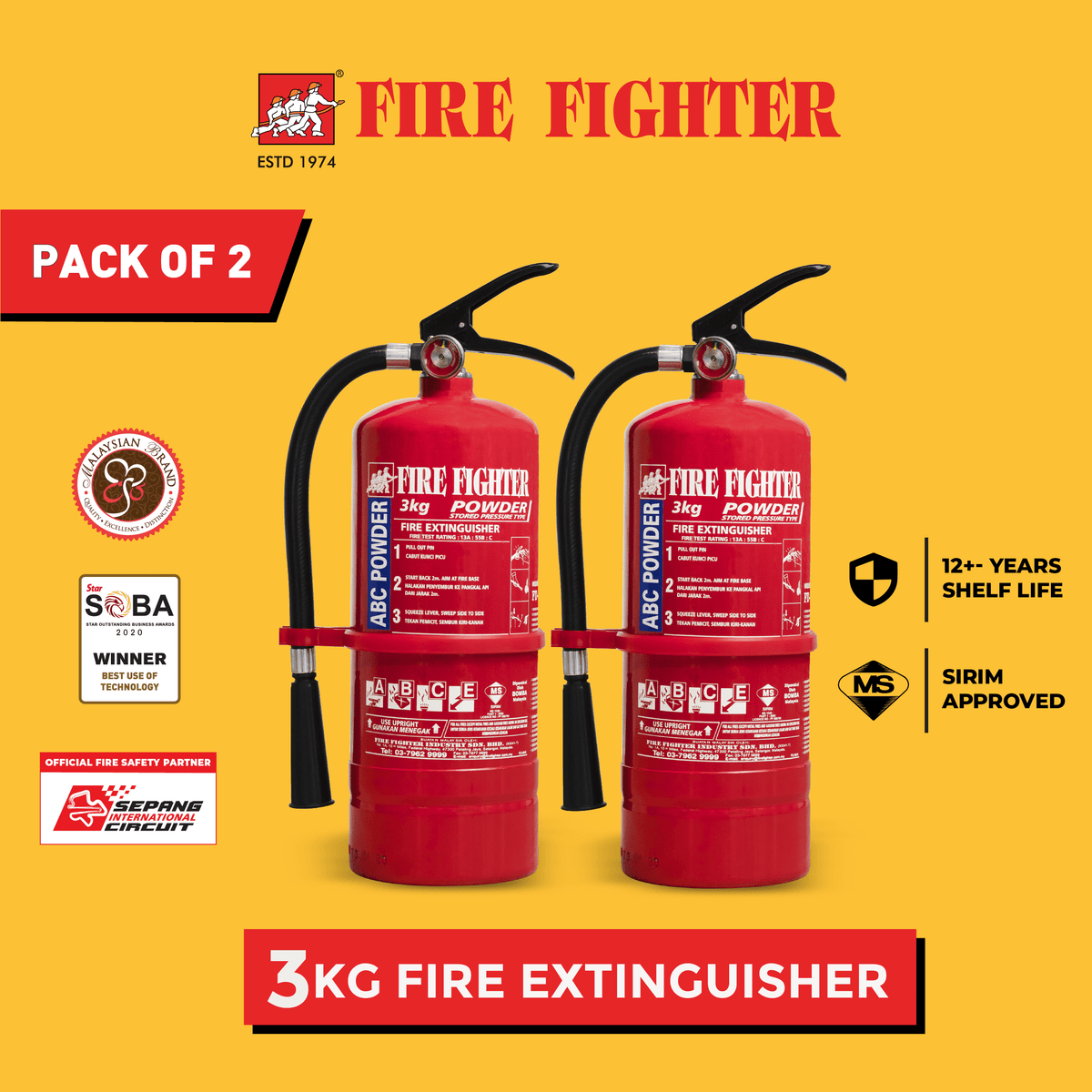
Following safety protocols means storing and handling your fire extinguishers correctly to extend their shelf life. Extreme temperatures, humidity, or physical damage can degrade the extinguisher’s chemicals or mechanism.
Keep your extinguisher mounted where it’s easy to access but away from direct sunlight and moisture. Regularly check the pressure gauge and ensure the pin and tamper seal are intact.
Would you trust your extinguisher to work in a crisis if you haven’t checked it in months? Safety depends on vigilance and understanding the lifespan of your equipment.
Credit: www.firefighter.com.my
Disposal And Replacement
Knowing when to dispose of a fire extinguisher is crucial for safety. Extinguishers lose pressure or chemicals over time. Old or damaged units may not work during emergencies. Proper disposal and replacement keep your environment safe and compliant with regulations.
Safe Disposal Methods
Fire extinguishers contain chemicals and metals that need careful handling. Do not throw them in regular trash. Contact local fire departments or hazardous waste centers for guidance. Many offer collection programs for used extinguishers. Remove the pressure by discharging the unit outside, if safe. Follow local laws for disposal to avoid fines or hazards.
Choosing A New Extinguisher
Select an extinguisher that fits your needs and space. Check the type suitable for your fire risks: Class A, B, C, or multipurpose. Look for units with clear labels and easy operation. Confirm it has a recent manufacturing date and certification marks. Consider size and weight for quick handling during emergencies. Regularly inspect the new extinguisher to maintain readiness.
Environmental Considerations
Extinguishers contain substances that can harm the environment. Proper disposal prevents soil and water contamination. Use recycling programs that separate metals and chemicals safely. Avoid releasing chemicals into drains or open air. Opt for eco-friendly models when replacing extinguishers. These choices help reduce environmental impact while ensuring safety.

Credit: www.fireproductsdirect.com.au
Frequently Asked Questions
How Long Does A Fire Extinguisher Last?
A typical fire extinguisher lasts 5 to 15 years. Regular inspections ensure it remains functional and safe. Check the manufacturer’s label for exact lifespan details.
How Do I Know If My Extinguisher Expired?
Check the pressure gauge and inspection tag. Expired extinguishers may show low pressure or rust. Replace if beyond the manufacturer’s recommended date.
Can I Extend My Fire Extinguisher’s Shelf Life?
Proper storage in a cool, dry place helps. Routine maintenance and professional servicing also extend lifespan. Avoid exposure to heat and moisture.
What Happens If A Fire Extinguisher Is Expired?
Expired extinguishers may fail or discharge improperly during emergencies. Using one can be dangerous and ineffective. Always replace expired units promptly for safety.
Conclusion
Fire extinguishers lose effectiveness over time. Check the expiration date regularly. Replace old or damaged units immediately. Proper maintenance keeps them ready for use. Store extinguishers in easy-to-reach places. Knowing their shelf life can save lives. Stay safe by inspecting your extinguisher yearly.
Don’t wait until an emergency strikes. A working extinguisher is a simple safety step. Keep your home and workplace protected.

Hi, I’m Daniel Brooks—a food lover and kitchen gear enthusiast. I enjoy testing cookware, utensils, and gadgets to see what really works in everyday cooking. At PlugChef.com, I share honest reviews, comparisons, and simple guides to help you choose the best tools for a safer, smarter, and more enjoyable kitchen.
Related posts:
 What Type of Cooking Utensils are Safe: Expert Picks
 What Innovations Could Blenders Make: Unleashing Future Tech
 Smart Strategies to Organize a Small Kitchen: Maximize Space
 How to Organize a Kitchen Cabinet: Expert Tips & Tricks
 How to Organize Kitchen Drawers: Expert Tips and Tricks
 How to Organize a Corner Kitchen Cupboard: Expert Tips

