
Are you looking for an easy and delicious way to cook salmon without spending hours in the kitchen? Imagine coming home to perfectly tender, flavorful salmon that practically cooks itself.
Using a crock pot to prepare salmon is a game-changer for anyone who wants a healthy meal with minimal effort. You’ll discover simple tips and tricks to get the best results, plus mouthwatering recipes that will make your taste buds sing.
Ready to transform your dinner routine with salmon in a crock pot? Keep reading—you won’t want to miss what’s coming next.
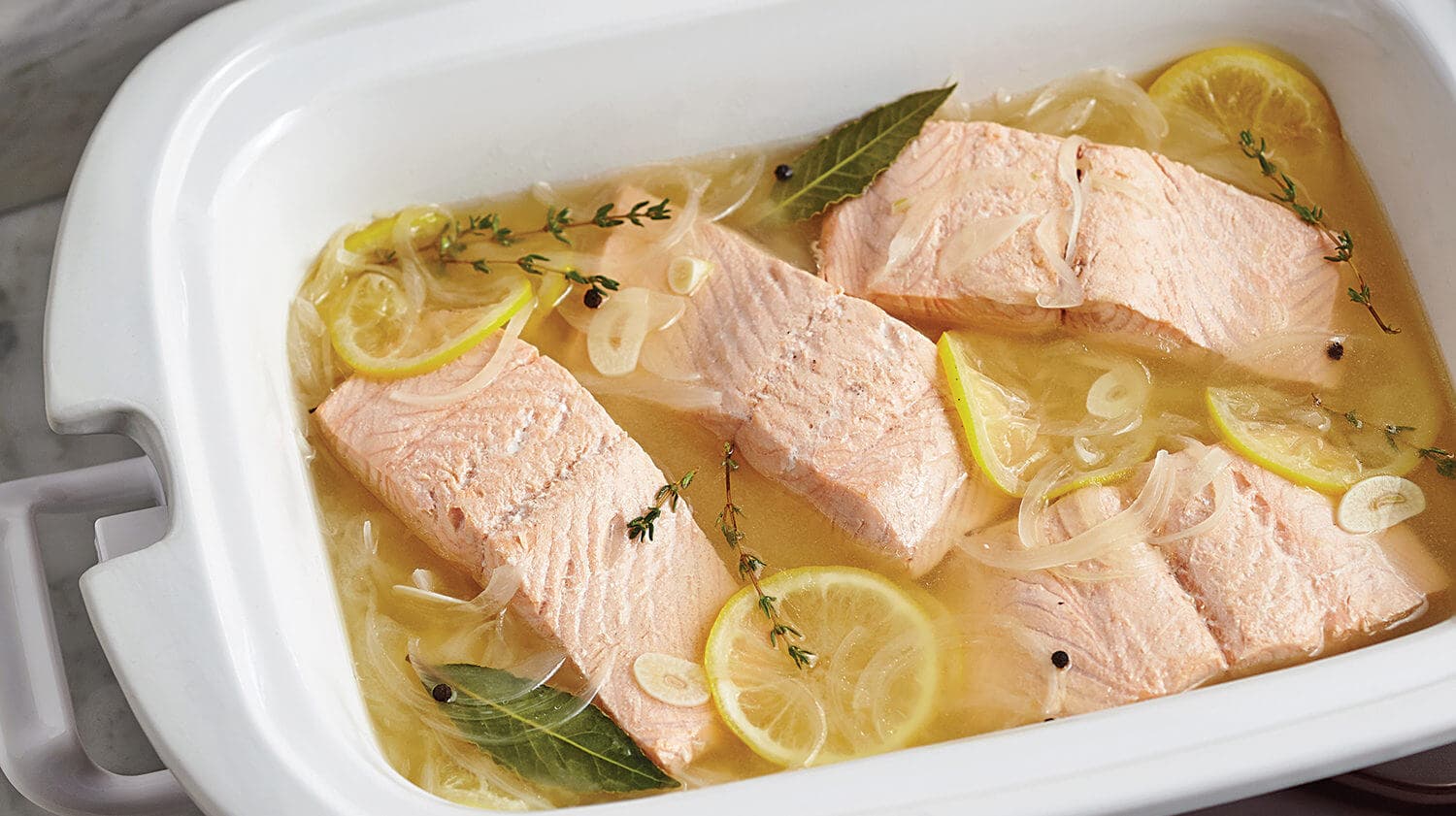
Credit: www.sobeys.com
Choosing The Right Salmon
Choosing the right salmon makes a big difference in your crock pot recipe. Salmon varies in taste, texture, and cooking time. Picking the best type helps you get tender, flavorful results. Understanding fresh versus frozen options also affects the final dish. Portion sizes and cuts impact cooking speed and presentation.
Types Of Salmon For Crock Pot
Several types of salmon work well in a crock pot. Atlantic salmon is mild and oily. It stays moist during slow cooking. Sockeye salmon has a deep red color and firm texture. It has a stronger flavor. Coho salmon is mild and delicate. It cooks quickly and stays tender. Choose based on flavor preference and availability.
Fresh Vs Frozen Salmon
Fresh salmon offers a brighter taste and softer texture. It cooks evenly and absorbs flavors well. Frozen salmon is convenient and often more affordable. Thaw it slowly in the fridge for best results. Avoid refreezing to keep quality high. Both fresh and frozen can work well in slow cooking.
Portion Sizes And Cuts
Salmon portions affect cooking time in the crock pot. Fillets cook faster than whole sides or steaks. Smaller pieces allow for quicker and even cooking. Skin-on fillets help retain moisture and flavor. Boneless cuts make serving easier. Match portion sizes to your meal needs and crock pot capacity.
Preparing Salmon For Slow Cooking
Preparing salmon for slow cooking is a crucial step that sets the stage for a flavorful and tender meal. Taking the time to clean, trim, and season your fish properly ensures it cooks evenly and absorbs the flavors you want. Have you ever noticed how a well-prepared salmon fillet can transform a simple crock pot recipe into a gourmet experience?
Cleaning And Trimming
Start by rinsing the salmon under cold water to remove any surface debris. Pat it dry with paper towels to help the seasonings stick better. Check for any remaining pin bones by running your fingers over the flesh; use tweezers to pull them out gently.
Trim away any dark or fatty areas if you prefer a milder taste, but keep some fat for moisture during slow cooking. Removing the skin is optional, but leaving it on can help hold the fish together and add flavor.
Seasoning Basics
Salt and pepper are your best friends for enhancing the natural flavor of salmon. Sprinkle salt evenly over both sides to draw out moisture and improve texture. Don’t be shy with pepper—it adds a subtle kick that pairs well with slow cooking.
You can also add simple herbs like dill, parsley, or thyme. These herbs hold up well over long cooking times and complement the fish without overpowering it. Think about how you want your final dish to taste—fresh or smoky—and choose your seasonings accordingly.
Marinade Ideas
Marinating salmon can infuse it with exciting flavors and keep it moist during slow cooking. Try a mix of soy sauce, lemon juice, garlic, and a touch of honey for a sweet and tangy profile. Or blend olive oil, fresh herbs, and lemon zest for a light, aromatic marinade.
- Use acidic ingredients like citrus or vinegar to tenderize the fish gently.
- Keep the marinating time short—30 minutes to an hour—to avoid breaking down the flesh too much.
- Reserve some marinade to spoon over the salmon during or after cooking for extra flavor.
What marinade flavors excite you most? Experimenting with different combinations can turn slow-cooked salmon into your signature dish.
Crock Pot Techniques For Salmon
Salmon cooks gently in a crock pot, keeping it moist and tender. Use low heat and simple seasonings for the best flavor. Slow cooking saves time and makes a healthy meal easy.
Crock pots offer a simple way to cook delicious salmon. Cooking salmon in a crock pot enhances its flavor and keeps it moist. Use some basic techniques for the best results.Setting The Right Temperature
Choose the low setting for gentle cooking. This helps the salmon retain its nutrients and moisture. High temperatures can make salmon dry and overcooked. A low, steady heat is ideal.Cooking Time Guidelines
Cook salmon for 1.5 to 2 hours on low. Time may vary based on the thickness of the fillet. Thicker pieces need a bit more time. Check doneness after 1.5 hours. The fish should flake easily with a fork.Using Foil Or Parchment
Line the crock pot with foil or parchment paper. This prevents sticking and makes cleanup easy. Wrap the salmon in foil or parchment to lock in flavors. It also helps keep the fish moist during cooking.Easy Salmon Recipes
Salmon in a crock pot offers a simple way to enjoy healthy meals. These easy salmon recipes use everyday ingredients. Each dish cooks slowly, locking in flavor and moisture. Perfect for busy days or a relaxed dinner. Try these tasty options to add variety to your menu.
Lemon Garlic Salmon
Fresh lemon juice brightens the rich taste of salmon. Garlic adds a warm, savory touch. Place salmon in the crock pot. Pour lemon juice and minced garlic over the fish. Sprinkle with salt and pepper. Cook on low until tender and flaky. Serve with steamed vegetables or rice for a complete meal.
Honey Soy Glazed Salmon
This recipe blends sweet and salty flavors. Mix honey, soy sauce, and ginger in a bowl. Pour the mixture over the salmon in the crock pot. Add sliced green onions for extra aroma. Cook slowly to let the glaze thicken. The result is sticky, tasty salmon that pairs well with noodles or greens.
Herb Butter Salmon
Herbs and butter create a rich, comforting flavor. Place salmon in the crock pot. Top with pats of butter and a mix of fresh herbs like dill, parsley, and thyme. Add a pinch of salt and pepper. The butter melts slowly, infusing the fish with herb flavor. Serve with mashed potatoes or a light salad for a satisfying dish.
Adding Vegetables And Sides
Adding vegetables and sides to your salmon cooked in a crock pot can transform a simple dish into a complete meal. It’s not just about tossing in whatever is available; choosing the right vegetables and sides can enhance flavors and textures that complement the tender salmon perfectly. Have you ever wondered which veggies hold up best during slow cooking or what sides keep the meal balanced and satisfying?
Best Vegetables For Slow Cooking
Vegetables like carrots, potatoes, and green beans are excellent choices because they stay firm and absorb flavors well. Root vegetables, in particular, develop a rich sweetness after hours in the crock pot, adding depth to your salmon dish.
On the other hand, leafy greens such as spinach or kale can turn mushy if cooked too long. Adding these in the last 30 minutes preserves their texture and nutrients. Think about layering the vegetables at the bottom to create a flavorful bed for your salmon to rest on.
Incorporating Rice Or Potatoes
Rice and potatoes make great sides that can cook alongside your salmon, absorbing juices and spices. If you choose rice, use brown or wild rice for a nuttier flavor and better texture, but remember to add extra liquid as rice soaks it up fast.
Potatoes, whether diced or sliced, work well too. They offer a comforting balance and soak up the salmon’s natural oils and seasoning. Ever tried sweet potatoes with salmon? Their natural sweetness pairs surprisingly well and adds a vibrant color to your plate.
Flavor Boosting Tips
Adding fresh herbs like dill, parsley, or thyme can elevate the taste without overpowering the salmon. Use lemon slices or a splash of white wine to brighten the flavors and cut through the richness.
Don’t forget to season your vegetables and sides with salt, pepper, and a hint of garlic or onion powder. These simple touches bring the whole dish together and make your crock pot salmon meal truly memorable. Have you experimented with spices before? What’s your favorite way to add a little extra flavor?
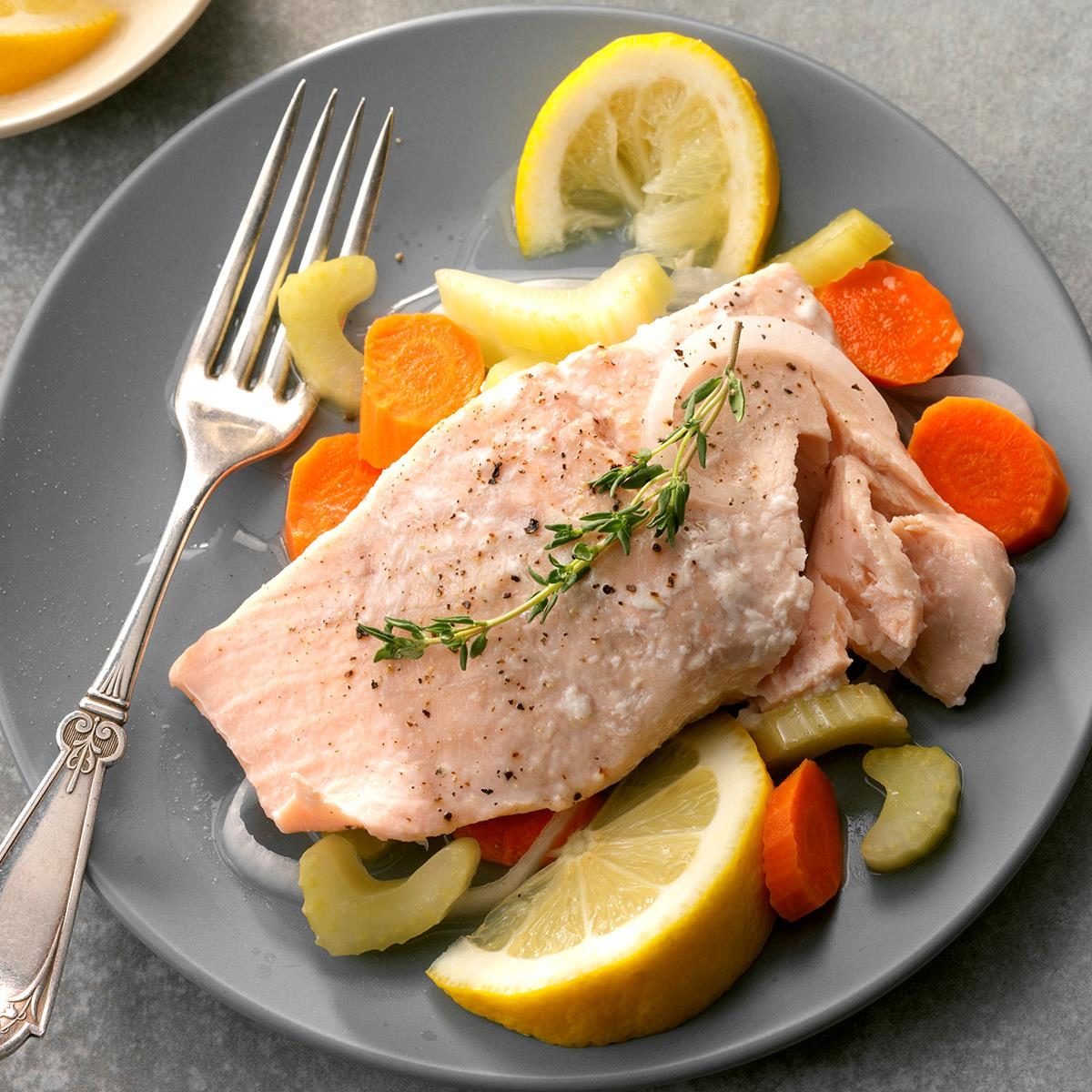
Credit: www.tasteofhome.com
Troubleshooting Common Issues
Cooking salmon in a crock pot is simple but can sometimes lead to issues. These problems often affect taste and texture. Knowing how to fix them saves time and makes meals better. This section helps solve common problems for perfect slow-cooked salmon.
Preventing Overcooking
Salmon cooks fast even in a crock pot. Too much heat or time makes it dry and tough. Use low heat settings for gentle cooking. Set the timer to 1 to 2 hours only. Check salmon early to avoid overcooking. Adding liquid like broth or lemon juice helps keep moisture inside. Avoid lifting the lid too often; it lowers temperature and extends cooking time.
Avoiding Fishy Smell
A strong fishy smell can turn off diners. Fresh salmon has a mild scent. Rinse fish under cold water before cooking. Use fresh herbs like dill or parsley to mask odor. Add lemon slices or vinegar to the crock pot to reduce smell. Proper ventilation in the kitchen helps air flow. Store salmon properly before cooking to prevent smell buildup.
Fixing Texture Problems
Salmon can become mushy or rubbery if not cooked right. Avoid overcooking to keep firm texture. Use foil or parchment paper to wrap salmon in the crock pot. This protects the fish from direct heat and keeps it tender. Adding a little oil or butter improves texture and flavor. Stir gently after cooking to keep salmon flakes intact.
Serving And Storing Tips
Serving and storing salmon cooked in a crock pot requires a bit of care to keep the flavors fresh and the texture just right. How you present your dish can elevate a simple meal into something special. Likewise, proper storage preserves the taste and prevents waste, so you can enjoy your salmon again without losing its appeal.
Plating Ideas
Think about color and texture when plating your salmon. Pair it with vibrant roasted vegetables or a fresh salad to add contrast.
You can drizzle a light lemon butter sauce over the fish to enhance its natural flavors without overpowering them. A sprinkle of fresh herbs like dill or parsley brings a pop of green that looks as good as it tastes.
Serving salmon on a bed of quinoa or wild rice adds a hearty element that complements the softness of the fish. Have you tried adding a side of creamy avocado? It balances the richness perfectly.
Leftover Storage
Cool your salmon completely before storing to avoid sogginess. Place leftovers in an airtight container to maintain moisture and prevent odors from other foods.
Label your container with the date to keep track of freshness. Salmon stored properly in the refrigerator will stay good for up to 3 days.
If you want to save it longer, freezing is an option. Wrap the salmon tightly in plastic wrap and then foil, or use a freezer-safe bag to avoid freezer burn.
Reheating Methods
Reheat your salmon gently to keep it moist and flaky. Using a microwave on low power with a damp paper towel over the fish helps retain moisture.
Alternatively, warm it in the oven at 275°F (135°C) wrapped in foil for about 15 minutes. This method prevents drying out and helps maintain flavor.
Have you ever tried reheating salmon in a skillet? Heat it slowly on low heat with a small splash of olive oil for a crisp outside and tender inside.
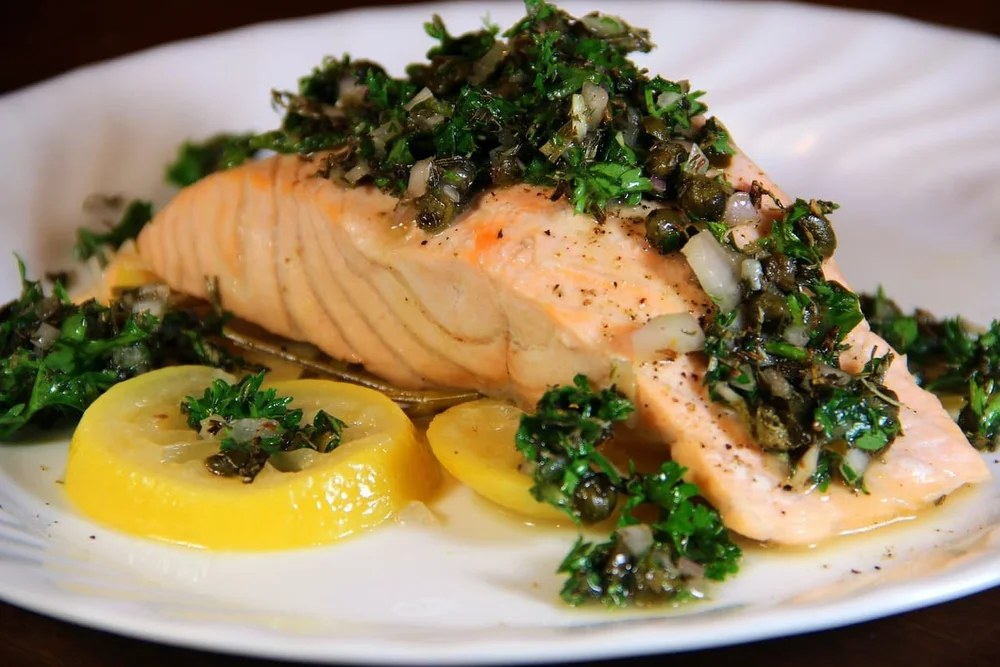
Credit: smartslowcooker.com
Frequently Asked Questions
How Long To Cook Salmon In A Crock Pot?
Cook salmon in a crock pot on low for 1 to 2 hours. Avoid overcooking to keep it tender and moist. Check for doneness by flaking with a fork.
What Temperature Is Best For Crock Pot Salmon?
Use the low heat setting, around 190°F to 200°F. This gentle heat cooks salmon evenly without drying it out. High heat may overcook and toughen the fish.
Can I Add Vegetables With Salmon In Crock Pot?
Yes, add firm vegetables like potatoes, carrots, or green beans. Place them under the salmon to cook evenly. This creates a flavorful, one-pot meal.
Should Salmon Be Thawed Before Crock Pot Cooking?
It’s best to use thawed salmon for even cooking. Frozen salmon can cook unevenly and increase cooking time. Thaw in the fridge overnight before adding to the crock pot.
Conclusion
Salmon in a crock pot makes cooking easy and tasty. You only need a few ingredients and little effort. The slow cooker keeps the fish moist and full of flavor. This method saves time and lets you do other tasks.
Try different herbs or sauces to change the taste. Perfect for quick dinners or meal prep. Enjoy healthy, delicious salmon without stress or mess. Give this simple recipe a try soon!

I’m Abby Lu, a passionate home cook who loves simplifying everyday meals. At PlugChef.com, I share product reviews and cooking guides to help you find the best tools for your kitchen.
Related posts:
 What Type of Cooking Utensils are Safe: Expert Picks
 What Innovations Could Blenders Make: Unleashing Future Tech
 Smart Strategies to Organize a Small Kitchen: Maximize Space
 How to Organize a Kitchen Cabinet: Expert Tips & Tricks
 How to Organize Kitchen Drawers: Expert Tips and Tricks
 How to Organize a Corner Kitchen Cupboard: Expert Tips