
Your safety and hygiene are more important than you might realize. Every choice you make can protect you and those around you from harm and illness.
Imagine feeling confident that your environment is clean and safe, giving you peace of mind every single day. You’ll discover simple yet powerful ways to boost your safety and hygiene. Keep reading to learn how small changes can make a big difference in your health and well-being.
Importance Of Safety And Hygiene
Understanding the importance of safety and hygiene is crucial in every aspect of life, whether at work, home, or public places. Neglecting these can lead to health risks, accidents, and long-term consequences. How often do you pause to think about the small steps that keep you safe and healthy each day?
Protecting Your Health
Safety and hygiene directly affect your well-being. Simple habits like washing hands regularly or wearing protective gear can stop germs and injuries before they happen. Imagine avoiding a common illness just by adopting one small change in your routine.
Creating A Safe Environment For Everyone
Your actions impact those around you. Maintaining cleanliness and following safety rules helps prevent the spread of infections and accidents. Have you considered how your behavior influences the safety of your family, coworkers, or community?
Boosting Productivity And Comfort
A clean and safe environment makes it easier to focus and perform tasks efficiently. Discomfort from unsafe conditions or poor hygiene can lower your energy and motivation. What improvements could you make today to create a more comfortable space for yourself and others?
Building Trust And Reputation
People notice when safety and hygiene are priorities. Whether at a business or home, it shows respect and responsibility. How might your commitment to these values strengthen your relationships and credibility?

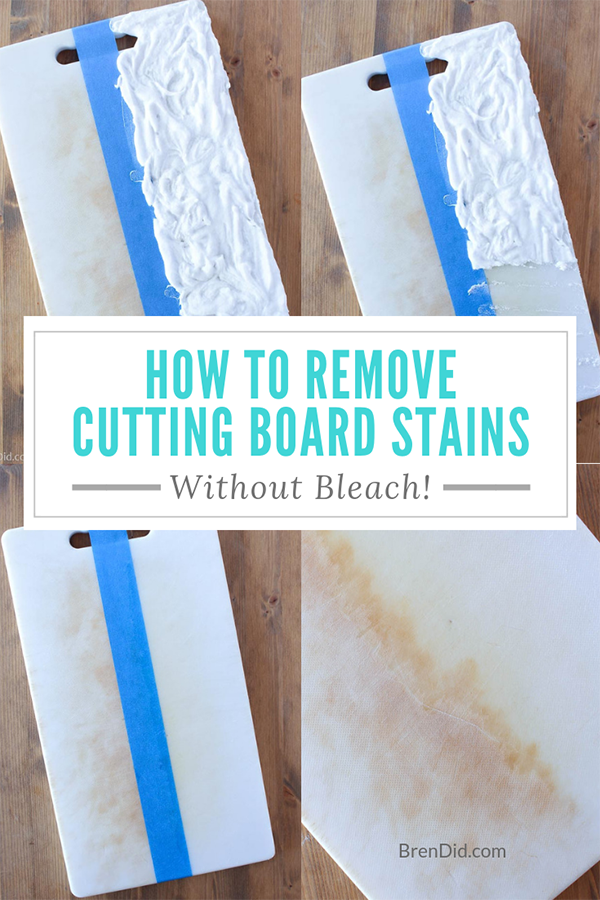
Credit: www.teacherspayteachers.com
Personal Hygiene Practices
Personal hygiene practices form the foundation of your overall health and well-being. Taking care of your body daily helps prevent illness and boosts your confidence. Simple habits done right can make a significant difference in how you feel and how others perceive you.
Handwashing Techniques
Proper handwashing is more than just a quick rinse. Wet your hands with clean water and apply enough soap to cover all surfaces. Rub your hands palm to palm, between fingers, under nails, and the backs of your hands for at least 20 seconds.
Rinse thoroughly under running water and dry with a clean towel or air dryer. Remember, skipping any area can leave harmful germs behind. Have you ever noticed how often you touch your face? Clean hands reduce the risk of transferring bacteria to your eyes, nose, and mouth.
Oral Care Routine
Your mouth is a gateway to your health. Brushing twice a day removes plaque and prevents cavities. Use a soft-bristled toothbrush and fluoride toothpaste to protect your teeth and gums.
Don’t forget to floss daily to clean areas your brush can’t reach. Mouthwash can help reduce bacteria and freshen breath, but it should not replace brushing or flossing. How often do you replace your toothbrush? Worn bristles miss cleaning effectively, so changing it every 3-4 months is key.
Skin Care Essentials
Healthy skin acts as a barrier against infections. Cleanse your skin gently with a mild soap or cleanser suitable for your skin type. Avoid harsh scrubbing that can strip natural oils and cause irritation.
Moisturize daily to keep your skin hydrated and prevent dryness. Applying sunscreen every day protects you from harmful UV rays, even when it’s cloudy. Have you ever checked the ingredients in your skincare products? Choosing those without irritants can prevent allergic reactions and keep your skin calm.
Home Hygiene Strategies
Keeping your home clean and safe is more than just a chore—it’s about protecting your health every day. Effective home hygiene strategies help reduce the risk of illness and create a comfortable living space. You might be surprised how small changes in your routine can make a big difference in preventing germs and pests.
Cleaning And Disinfecting
Cleaning removes dirt and grime, but disinfecting kills the germs that can cause sickness. Use soap and water first to clean surfaces, then apply a disinfectant to high-touch areas like doorknobs, light switches, and kitchen counters.
Choose disinfectants approved by health authorities and follow the instructions carefully. For example, letting the disinfectant sit for the recommended time ensures it works effectively.
Have you noticed how often you touch your phone or remote control? These items should get regular attention too, as germs can easily transfer from hands to surfaces you use daily.
Safe Food Handling
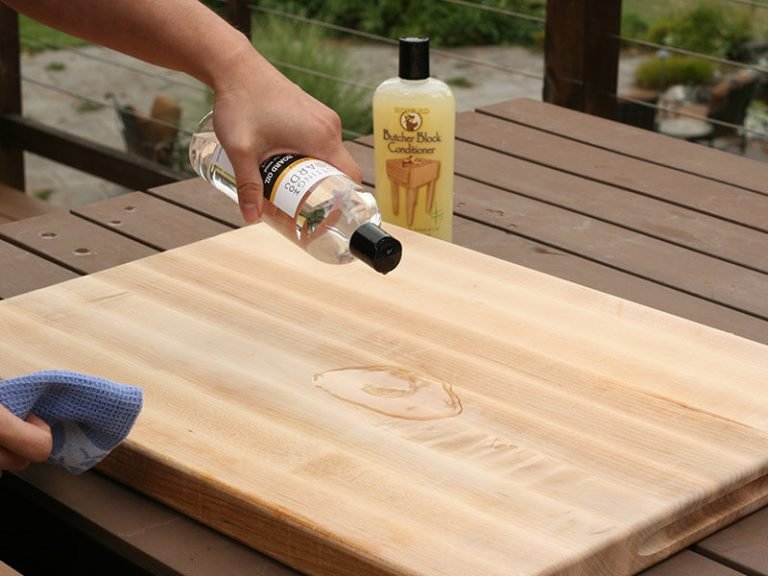
Food safety starts with clean hands and clean surfaces. Wash your hands before cooking or eating, and make sure cutting boards and utensils are thoroughly cleaned after each use.
Keep raw meat separate from other foods to prevent cross-contamination. Store leftovers in airtight containers and refrigerate them promptly.
Have you ever tasted food that was left out too long? It’s a common mistake that can lead to foodborne illness. Using a food thermometer can help you avoid undercooked meals that might harbor harmful bacteria.
Pest Control Measures
Pests like rodents and insects can carry diseases and contaminate food. Seal cracks and holes in walls, doors, and windows to block their entry points.
Keep your home tidy by promptly cleaning crumbs and spills, especially in the kitchen. Consider natural repellents or traps as safer alternatives to harsh chemicals.
Have you checked your home recently for signs of pests? Early detection makes it easier to handle the problem before it escalates and puts your family’s health at risk.
Workplace Safety Measures
Workplace safety measures are essential to protect you and your colleagues from accidents and health risks. A safe work environment boosts productivity and keeps stress levels low. Paying attention to safety every day can make a big difference in how you feel and perform at work.
Ergonomic Practices
Ergonomics is about designing your workspace to fit your body’s needs. Simple changes like adjusting your chair height or positioning your computer screen at eye level can prevent strain. Have you noticed how much less tired your neck feels after a small adjustment? Little tweaks can save you from long-term pain.
Try to take short breaks to stretch your hands and back. Using ergonomic keyboards and mouse devices can also reduce the risk of repetitive strain injuries. Your comfort matters because it directly affects your focus and energy throughout the day.
Preventing Workplace Injuries
Injuries happen when hazards are ignored or overlooked. You can prevent many accidents by keeping walkways clear and storing heavy items at waist level. Are you aware of the common hazards in your workspace?
- Wear personal protective equipment (PPE) like gloves and helmets where required.
- Report any faulty equipment immediately to avoid accidents.
- Follow proper lifting techniques to protect your back.
Small actions like these can keep you and your team safe. Always stay alert and think ahead about potential risks in your tasks.
Emergency Preparedness
Emergencies can happen without warning, so being prepared is crucial. Know the emergency exits and the location of first aid kits in your workplace. Have you ever participated in a fire drill or emergency training session at work?
Practice helps you react quickly and calmly. Make sure you understand the evacuation plan and who to contact during an emergency. Being prepared isn’t just about following rules; it’s about protecting your life and those around you.
Outdoor Safety Tips
Spending time outdoors is refreshing, but it comes with its own set of challenges. You need to stay alert and prepare well to keep yourself safe and healthy. Here are some practical tips to help you enjoy the outdoors without unnecessary risks.
Weather-related Precautions
Check the weather forecast before heading out. Sudden changes in weather can catch you off guard and create dangerous situations.
Dress appropriately for the conditions. Lightweight, breathable clothes work well for hot weather, while waterproof jackets are a must during rain.
Always carry essentials like sunscreen, hats, and water. These help protect you from sunburn and dehydration even on mild days.
Safe Travel Guidelines
Plan your route carefully and share it with someone you trust. This simple step can make a big difference if you get lost or injured.
Stick to marked trails and avoid risky shortcuts. Familiar paths reduce the chance of accidents and getting disoriented.
Keep your phone charged and carry a portable charger. Communication is key in emergencies, and a dead phone won’t help you.
Protective Gear Usage
Wear helmets, knee pads, or other gear appropriate to your activity. A small injury can ruin your day or worse if you ignore protective equipment.
Choose gear that fits well and is in good condition. Loose or damaged equipment won’t provide the protection you need.
Don’t underestimate the power of gloves and sturdy footwear. They protect your hands and feet from sharp objects and uneven terrain.

Credit: www.facebook.com
Mental Health And Hygiene
Mental health is an essential part of overall hygiene that often gets overlooked. Just like washing your hands keeps germs away, caring for your mind helps prevent stress and emotional fatigue. Paying attention to your mental hygiene ensures you stay balanced and resilient in daily life.
Stress Management
Stress can build up quietly until it affects your well-being. Recognizing your stress triggers is the first step to managing them effectively. Simple actions like taking short breaks during work or practicing deep breathing can reduce tension fast.
Think about a time when you felt overwhelmed. Did stepping away for a few minutes help you regain focus? Try setting small, realistic goals each day to avoid feeling swamped.
Mindfulness Techniques
Mindfulness helps you stay present and fully aware of your thoughts and feelings without judgment. You can start by paying attention to your breath or noticing the sensations in your body.
Even a few minutes of mindfulness daily can calm your mind and improve concentration. Have you noticed how your mood shifts when you pause and tune into the moment?
- Practice mindful eating by focusing on the taste and texture of your food.
- Try a body scan meditation to release physical tension.
- Use guided mindfulness apps if you need structure.
Digital Detox Practices
Constant screen time can drain your mental energy and increase anxiety. Taking intentional breaks from devices helps refresh your mind and improve sleep quality.
Challenge yourself to unplug for set periods each day. Notice how stepping away from social media or emails affects your mood and productivity.
- Set a daily no-screen hour before bedtime.
- Engage in offline hobbies like reading or walking.
- Turn off non-essential notifications to reduce distractions.
Community Health Initiatives
Community health initiatives play a vital role in promoting safety and hygiene. These efforts bring people together to improve overall health standards. They focus on preventing diseases and encouraging healthy habits.
Strong community programs help reduce health risks. They provide resources and support for safe living. Engaged communities become healthier and more informed.
Public Health Campaigns
Public health campaigns spread important safety and hygiene messages. They use posters, social media, and local events to reach many people. These campaigns teach simple steps like handwashing and proper waste disposal.
Clear information helps people protect themselves and others. Campaigns often focus on issues like vaccination, clean water, and disease prevention. Regular reminders keep health habits fresh in mind.
Volunteer Opportunities
Volunteering offers a way to support community health directly. Volunteers help organize cleanups, distribute hygiene kits, and assist at health clinics. This hands-on work strengthens community bonds and health awareness.
Volunteers also share knowledge with neighbors and encourage safe practices. Their efforts create a safer and cleaner environment for everyone. Joining volunteer programs builds skills and makes a real difference.
Education And Awareness Programs
Education programs teach people about hygiene and safety basics. Schools, community centers, and local groups host these sessions. They use simple language and visuals to explain key concepts clearly.
Awareness efforts focus on topics like nutrition, disease signs, and first aid. Understanding these helps people make better health choices every day. Programs often include demonstrations and interactive activities to engage all ages.
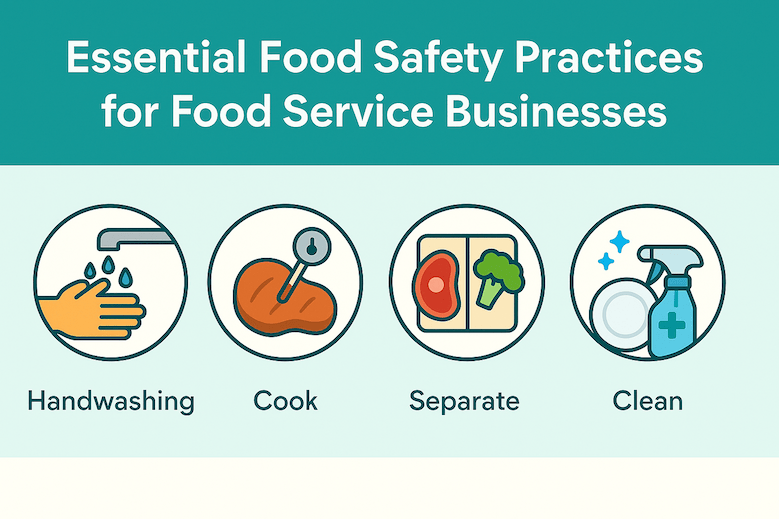
Credit: www.foodsafesystem.com
Frequently Asked Questions
What Are The Basic Safety Measures Everyone Should Follow?
Basic safety measures include wearing protective gear, following instructions, and keeping emergency contacts handy. Always stay alert and report hazards immediately.
How Does Personal Hygiene Impact Overall Health?
Personal hygiene prevents infections and diseases by reducing germs. Regular handwashing, bathing, and clean clothes help maintain good health and boost immunity.
Why Is Workplace Hygiene Important For Safety?
Workplace hygiene reduces illness and accidents by keeping the environment clean. It improves productivity and creates a safer, healthier workspace for everyone.
What Are Effective Ways To Maintain Hygiene At Home?
Regular cleaning, disinfecting surfaces, proper waste disposal, and ventilation are key. Maintaining hygiene at home prevents infections and promotes a healthy living space.
Conclusion
Safety and hygiene keep us healthy every day. Clean hands stop many germs from spreading. Wearing masks and keeping distance protect others too. Simple habits create a safer place for all. Everyone’s effort matters in staying safe and clean. Small actions make a big difference in health.
Let’s all choose safety and hygiene in our lives. Stay aware. Stay careful. Stay well.

I’m Abby Lu, a passionate home cook who loves simplifying everyday meals. At PlugChef.com, I share product reviews and cooking guides to help you find the best tools for your kitchen.
Related posts:
 What Type of Cooking Utensils are Safe: Expert Picks
 What Innovations Could Blenders Make: Unleashing Future Tech
 Smart Strategies to Organize a Small Kitchen: Maximize Space
 How to Organize a Kitchen Cabinet: Expert Tips & Tricks
 How to Organize Kitchen Drawers: Expert Tips and Tricks
 How to Organize a Corner Kitchen Cupboard: Expert Tips