
Have you ever found yourself craving the sweet, nutty flavor of roasted butternut squash but didn’t have fresh squash on hand? What if you could skip the thawing and peeling hassle and still enjoy a delicious, perfectly roasted dish?
Roasting butternut squash from frozen is easier than you think, and it saves you time without sacrificing taste. You’ll discover simple steps and tips to turn frozen squash into a mouthwatering meal that feels fresh and homemade. Keep reading to unlock the secret to quick, flavorful roasting that fits right into your busy life.
Choosing The Right Butternut Squash
Choosing the right butternut squash is key for a tasty roast. Squash varies in texture, sweetness, and cooking time. Picking the best one makes your dish shine. This section helps you decide between fresh and frozen squash. It also covers how to select quality squash for roasting.
Fresh Vs Frozen
Fresh butternut squash has firm skin and weighs heavy. It offers more control over texture and seasoning. Frozen squash saves time and effort. It comes peeled and cut, ready to roast.
Frozen squash can be soft after thawing. Roasting from frozen keeps it tender and sweet. Both fresh and frozen work well. Choose based on your cooking style and schedule.
Selecting Quality Squash
Pick squash with smooth, unblemished skin. Avoid soft spots or cracks. A heavy squash means it holds more moisture. Check the stem; it should be dry and firm.
Smaller squash tend to be sweeter and less fibrous. Larger ones might have stringy texture inside. Choose squash with a deep, even color. Bright orange flesh signals ripeness and sweetness.

Credit: makeitdairyfree.com
Preparing Frozen Butternut Squash
Preparing frozen butternut squash for roasting is simple and fast. It saves time while still delivering delicious results. Proper preparation helps the squash cook evenly and develop great flavor.
Thawing Methods
Thawing frozen butternut squash is optional but helpful. It allows better seasoning and even cooking.
- Place the frozen squash in the fridge overnight for slow thawing.
- Use a microwave on the defrost setting for quick thawing.
- Leave the squash in a colander at room temperature for 30-60 minutes.
Thawed squash roasts faster and crisps better. If short on time, roast directly from frozen but increase cooking time.
Cutting And Seasoning Tips
Frozen butternut squash often comes pre-cut. Check the size and cut pieces if needed.
- Cut larger chunks into 1-inch cubes for even roasting.
- Dry pieces with a paper towel to remove excess moisture.
- Coat the squash with olive oil to enhance browning.
- Season with salt, pepper, and spices like cinnamon or paprika.
Proper cutting and seasoning create a tasty, caramelized crust. Avoid overcrowding the pan for best results.
Roasting Techniques
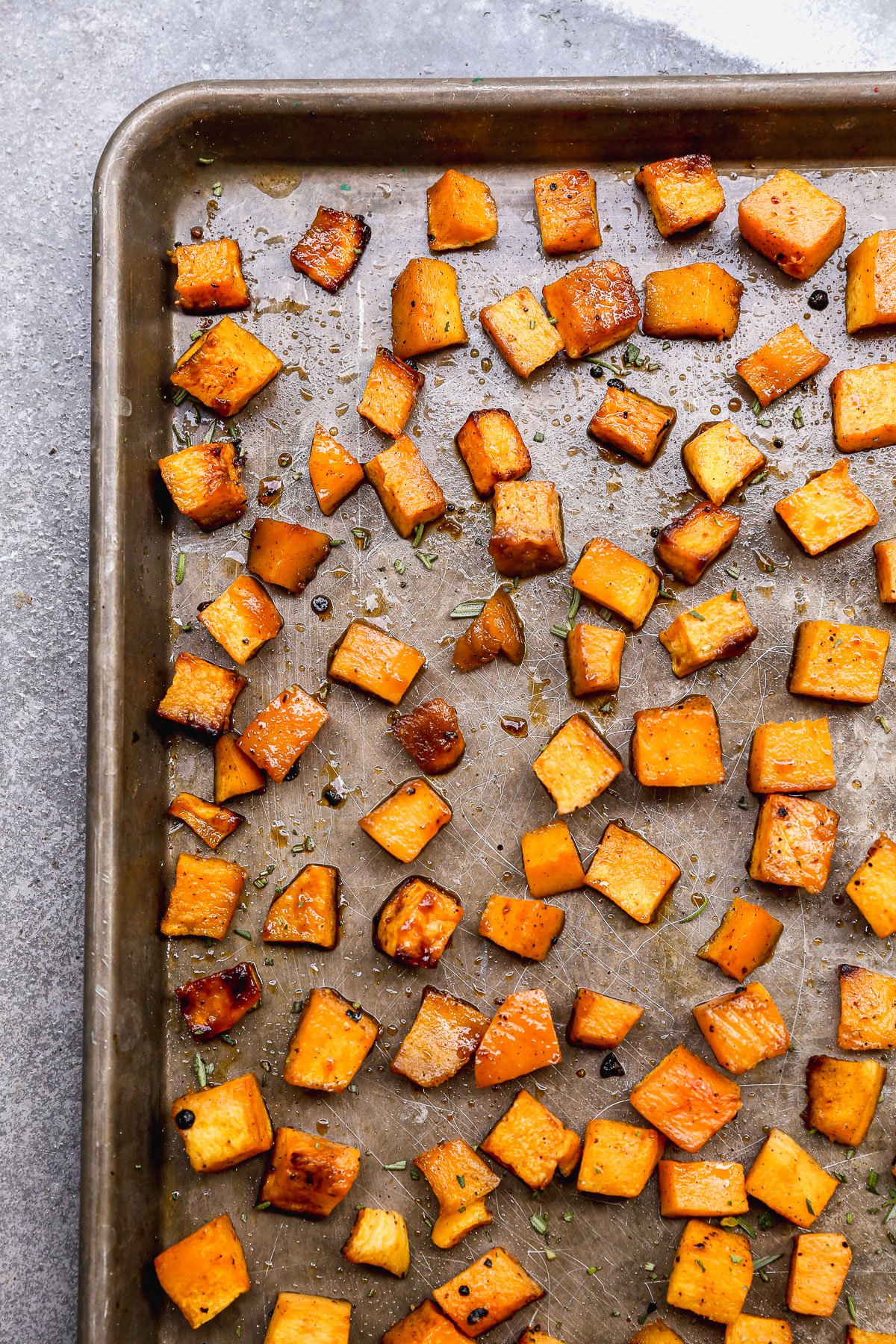
Roasting butternut squash from frozen keeps it tender and flavorful. Spread cubes evenly on a baking sheet and roast at high heat until golden brown. This method saves time and locks in natural sweetness.
Roasting Techniques for frozen butternut squash can enhance its natural sweetness. Achieving the perfect roast requires understanding the right techniques. The texture and flavor depend on several factors. From oven temperature to choosing the right roasting surface, each detail matters.Optimal Oven Temperature
Set your oven to 425°F (220°C) for best results. This temperature caramelizes the squash beautifully. It gives a slight crisp without burning. Lower temperatures might result in a mushy texture. Higher temperatures can burn the edges while leaving the inside undercooked.Using Parchment Vs Foil
Choose parchment paper for a non-stick surface. It allows even cooking and easy cleanup. Foil can be used for a different effect. It traps moisture, creating a steaming effect. This method results in a softer texture. Both options offer unique benefits.Roasting Time Guidelines
Roast frozen butternut squash for about 30-40 minutes. Check after 20 minutes and stir them. This ensures even browning on all sides. For smaller cubes, reduce the time slightly. Larger pieces might need a few extra minutes. Always test with a fork for tenderness.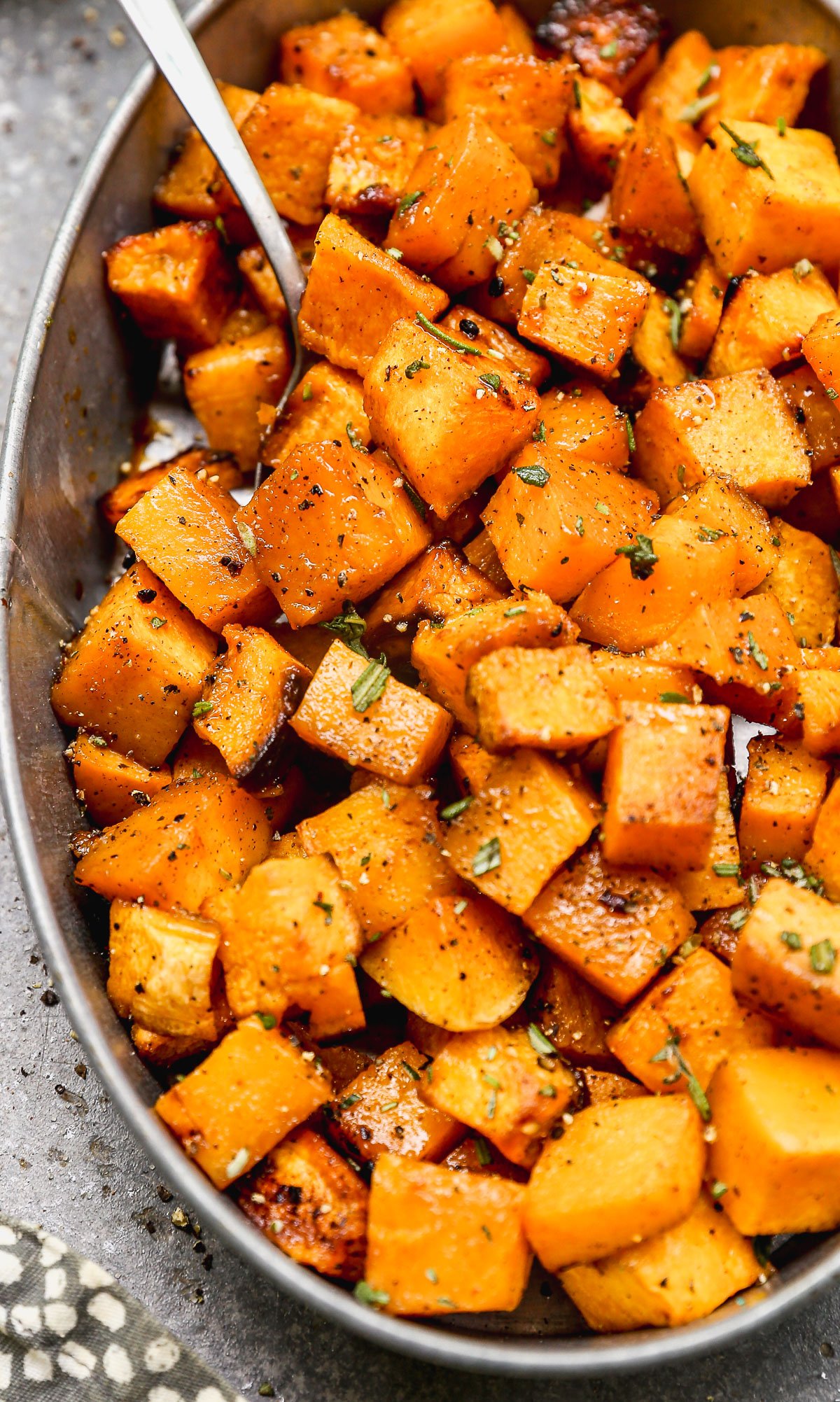
Credit: www.wellplated.com
Flavor Enhancements
Roasting butternut squash from frozen is a convenient way to enjoy this delicious vegetable any time of the year. But to make the flavor truly pop, you’ll want to enhance it with the right seasonings and pairings. Let’s look at how spices, herbs, and clever sweet-savory combinations can elevate your roasted squash to the next level.
Spices And Herbs
Adding spices and herbs to frozen butternut squash before roasting can transform its natural sweetness into something more complex and interesting. Think about sprinkling cinnamon or nutmeg for a warm, cozy touch that complements the squash’s creamy texture perfectly.
Herbs like rosemary, thyme, or sage bring an earthy, aromatic depth. A simple mix of olive oil, salt, pepper, and fresh thyme can turn your squash into a side dish worthy of any dinner table.
Don’t hesitate to experiment with smoked paprika or cumin for a hint of smokiness and subtle heat. What flavors have surprised you the most when paired with butternut squash?
Sweet And Savory Combinations
Balancing sweet and savory elements can make your roasted butternut squash truly unforgettable. Try drizzling a bit of maple syrup or honey over the squash before roasting to caramelize the edges and add a touch of sweetness.
Pair this sweetness with savory ingredients like crumbled feta, toasted walnuts, or crispy bacon bits. The contrast between crunchy, salty, and sweet textures keeps each bite exciting.
Adding a splash of balsamic vinegar or a squeeze of fresh lemon juice right after roasting can brighten the flavors and add a subtle tang. Have you ever tried mixing sweet and savory on your plate? You might be surprised how well it works with frozen butternut squash.
Serving Suggestions
Roasted butternut squash from frozen is easy to serve in many tasty ways. Its sweet and nutty flavor fits well with many dishes. This section shows simple ideas to enjoy it fully.
Side Dishes Pairings
Roasted butternut squash pairs well with many side dishes. Try these combinations:
- Green salads with a light vinaigrette
- Steamed broccoli or green beans
- Quinoa or couscous for a grain option
- Mashed potatoes or cauliflower mash
- Roasted carrots or Brussels sprouts
These sides balance the squash’s sweetness and add freshness.
Incorporating Into Meals
Use roasted butternut squash to boost meals easily. Add it to:
- Warm grain bowls with kale and chickpeas
- Pasta dishes with sage and brown butter
- Soups, blended for creaminess and flavor
- Salads with nuts, cheese, and dried fruit
- Tacos or wraps as a veggie filling
It adds color, texture, and nutrients to any dish.
Credit: www.wellplated.com
Storage And Reheating
Storing and reheating roasted butternut squash helps keep its taste fresh and texture pleasant. Proper storage stops it from spoiling quickly. Good reheating brings back its natural flavors without drying it out.
Storing Roasted Squash
Let the roasted squash cool down completely before storing. Use airtight containers or resealable bags to keep air out. Store in the refrigerator for up to 4 days. For longer storage, freeze in portion sizes. Label containers with the date for easy tracking.
Best Reheating Practices
Reheat roasted squash gently to keep it moist. Use an oven or toaster oven at 350°F (175°C) for about 10 minutes. Microwave on medium power in short bursts, stirring in between. Avoid overheating to prevent mushiness. Add a small splash of water or oil before reheating to maintain texture.
Frequently Asked Questions
Can You Roast Butternut Squash Directly From Frozen?
Yes, you can roast butternut squash from frozen. Simply spread the frozen cubes on a baking sheet. Roast at 400°F for 25-30 minutes until tender and caramelized. This method saves thawing time and maintains great texture and flavor.
How Long Does Frozen Butternut Squash Take To Roast?
Frozen butternut squash typically takes 25-30 minutes to roast. Bake at 400°F, turning halfway for even cooking. Cooking time may vary slightly depending on cube size and oven type. Check for softness and golden edges before serving.
Should You Thaw Butternut Squash Before Roasting?
Thawing butternut squash before roasting is optional. Roasting from frozen works well and saves time. If thawed, squash may roast faster and brown evenly. Both methods yield delicious results, so choose based on your schedule.
What Temperature Is Best For Roasting Frozen Squash?
Roast frozen butternut squash at 400°F for optimal texture. This temperature caramelizes edges and cooks squash evenly. Lower heat may result in soggy squash; higher heat could burn edges. Maintain consistent oven temperature for best results.
Conclusion
Roasting butternut squash from frozen saves time and effort. You get tender, sweet squash without thawing first. Just toss it with oil and spices, then roast until golden. This method keeps the squash soft inside and slightly crispy outside. It fits busy days and simple meals well.
Try it for a quick, healthy side dish. Enjoy the natural flavors with less prep. Cooking from frozen can be easy and tasty. Give it a try and see how it works for you.

I’m Abby Lu, a passionate home cook who loves simplifying everyday meals. At PlugChef.com, I share product reviews and cooking guides to help you find the best tools for your kitchen.
Related posts:
 What Type of Cooking Utensils are Safe: Expert Picks
 What Innovations Could Blenders Make: Unleashing Future Tech
 Smart Strategies to Organize a Small Kitchen: Maximize Space
 How to Organize a Kitchen Cabinet: Expert Tips & Tricks
 How to Organize Kitchen Drawers: Expert Tips and Tricks
 How to Organize a Corner Kitchen Cupboard: Expert Tips