
Are you confused about choosing between roaster chicken and fryer chicken for your next meal? You’re not alone.
Both types of chicken have their unique flavors, textures, and cooking styles that can change the way your dish turns out. Understanding the difference can help you cook better and enjoy your food more. Keep reading, and you’ll discover which chicken suits your taste and needs perfectly.
This simple guide will make your decision easy and delicious.
Roaster Chicken Basics
Roaster chickens are a popular choice for many cooks and chefs. They have unique qualities that set them apart from fryer chickens. Understanding the basics of roaster chickens helps in choosing the right type for cooking. This section explores the size, age, and common uses of roaster chickens.
Size And Weight
Roaster chickens are larger than fryer chickens. They usually weigh between 5 to 7 pounds. Their size makes them ideal for roasting whole. The extra meat offers more servings for family meals or gatherings.
Age And Growth
Roasters are older birds, typically 8 to 12 weeks old. They grow slower than fryer chickens. This slower growth leads to firmer and more flavorful meat. The texture is different, making them better for roasting and slow cooking.
Common Uses
Roaster chickens suit recipes that need longer cooking times. They are perfect for roasting, baking, and slow cooking. The meat holds up well in stews and soups. Roasters provide a rich taste and tender texture after cooking.
Fryer Chicken Essentials
Understanding fryer chicken is key to choosing the right poultry for your cooking needs. Fryer chickens offer unique qualities that affect flavor, texture, and cooking time. Knowing these essentials will help you make better decisions in the kitchen.
Size And Weight
Fryer chickens typically weigh between 2.5 to 4 pounds. This size makes them perfect for quick cooking methods like frying or roasting whole.
Their smaller size means they cook evenly and faster than larger birds. Have you noticed how a fryer chicken fits neatly in your skillet or oven tray?
Age And Growth
These chickens are usually around 6 to 8 weeks old at the time of processing. This young age ensures the meat remains tender and juicy.
The rapid growth of fryer chickens results in a delicate texture that many cooks prefer. Would you expect a bird this young to deliver such flavor?
Common Uses
Fryer chickens shine in recipes requiring quick cooking. They are ideal for frying, grilling, or roasting whole.
- Deep-fried chicken pieces with crispy skin
- Grilled chicken breasts or thighs for salads
- Oven-roasted whole chicken for a quick family meal
Think about the last time you cooked a whole chicken that was done perfectly in under an hour. That was likely a fryer chicken at work.
Texture And Flavor Differences
Roaster chicken has firmer meat and a richer flavor due to its older age and longer cooking time. Fryer chicken is tender and mild, perfect for quick meals with a softer texture. Each offers a unique taste experience for different dishes.
Roaster chicken and fryer chicken may seem similar at first glance, but their texture and flavor differences are notable. These differences can significantly impact your culinary experience and choice for various dishes. Whether you’re planning a family dinner or a quick meal, understanding these distinctions can enhance your cooking decisions.Meat Tenderness
Roaster chickens, typically older and larger, offer a firmer texture. This makes them ideal for slow-cooked meals, where the meat can tenderize over time. Fryer chickens, being younger, present a softer, more tender bite, perfect for quick grilling or frying.Fat Content
Roaster chickens often have a higher fat content due to their age and size. This extra fat can create a richer and more succulent dish, especially when roasted slowly. Fryer chickens, on the other hand, are leaner, making them a healthier choice for those watching their fat intake.Taste Profiles
The flavor of roaster chicken is deep and robust, often described as more developed due to the bird’s maturity. This makes it a favorite for hearty recipes that require a strong poultry flavor. Fryer chickens, with their mild and delicate taste, adapt well to a variety of seasonings and marinades, letting you experiment with different culinary styles. Have you noticed these differences in your cooking adventures? Choosing between roaster and fryer chicken can be as much about personal preference as it is about the recipe itself. What will you choose for your next dish?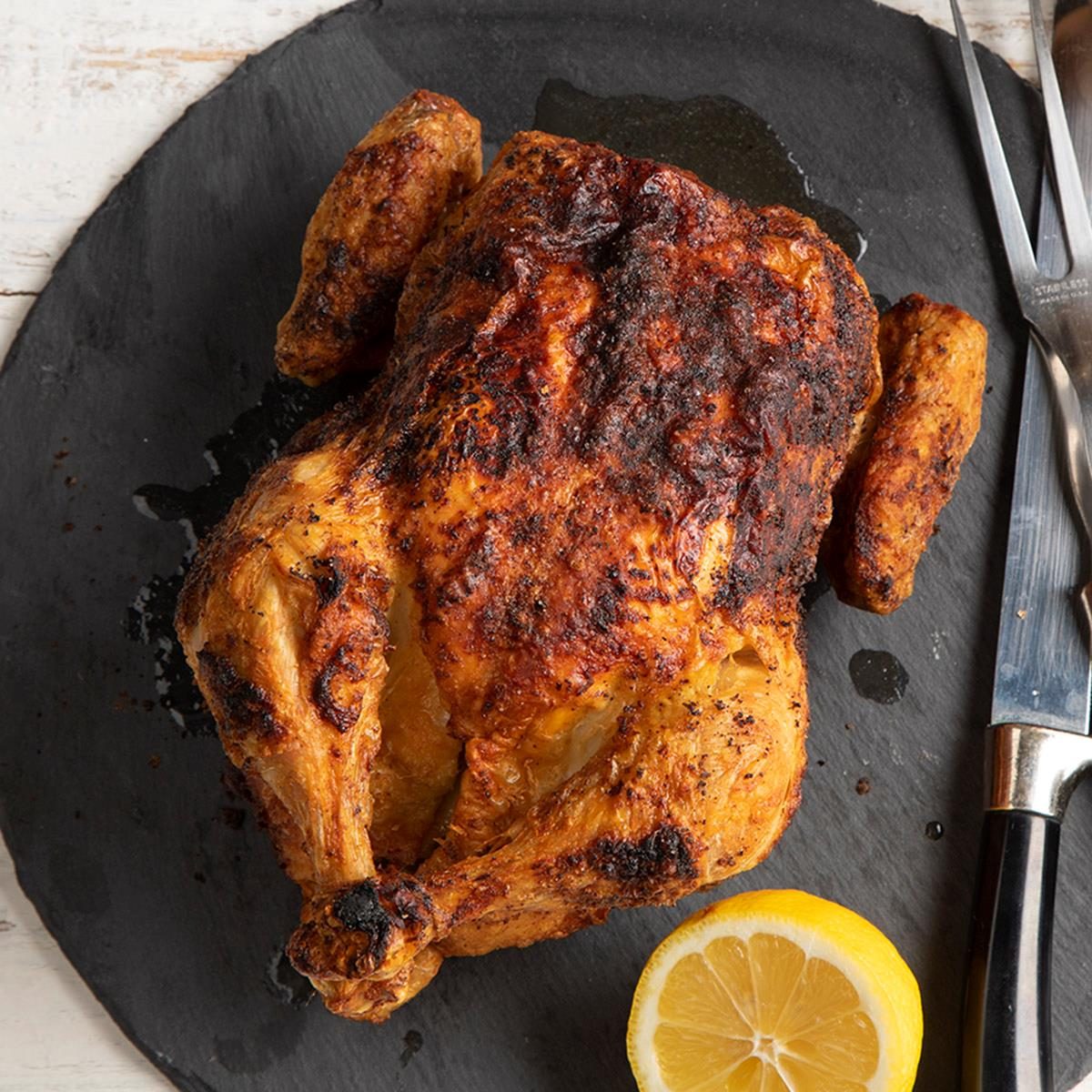
Credit: www.tasteofhome.com
Cooking Methods
Understanding the cooking methods for roaster and fryer chickens can change how you prepare your meals and the flavors you get. Each type of chicken benefits from techniques that suit its size and texture. Knowing these methods helps you make the most of your chicken, whether for a family dinner or a special occasion.
Best Techniques For Roasters
Roaster chickens are larger and have more developed muscles, which means they need longer cooking times to become tender. Slow roasting at a moderate temperature allows the meat to cook evenly without drying out.
- Season the chicken inside and out to enhance flavor deeply.
- Use a roasting pan with a rack to let air circulate around the bird.
- Baste occasionally with pan juices or butter to keep the skin crisp and moist.
- Cook at around 325°F (160°C) for 20 minutes per pound, then check the internal temperature to reach 165°F (74°C).
Have you ever noticed how a slow roast brings out richer flavors than a quick cook? Giving your roaster chicken time to cook gently can transform it into a juicy centerpiece.
Best Techniques For Fryers
Fryer chickens are smaller and more tender, making them perfect for quicker cooking methods. They respond well to high heat that seals in juices fast.
- Consider frying whole or cutting into pieces for even cooking.
- Marinate or brine briefly to add moisture and flavor.
- Use oil heated to 350°F (175°C) for frying to get a crispy exterior without greasiness.
- Cook smaller pieces for 8-12 minutes, turning once, until golden brown and the inside is fully cooked.
Why not try frying a fryer chicken for your next meal? The quick cooking time means you can enjoy a crispy, delicious meal without long waits or complicated prep.
Nutritional Comparison
Understanding the nutritional differences between roaster chicken and fryer chicken helps in making better food choices. Both types offer valuable nutrients but vary in calorie content, protein, fat, and vitamins. Knowing these details supports a balanced diet and fits different health needs.
Calorie Count
Roaster chicken usually has fewer calories per serving than fryer chicken. Roasters are older and have firmer meat with less fat. Fryer chicken is younger, often with more tender, fattier meat. This increases the calorie count in fryer chicken.
Here is a simple comparison:
| Type | Calories (per 100g) |
|---|---|
| Roaster Chicken | 165 |
| Fryer Chicken | 200 |
Protein And Fat
Roaster chicken tends to have more protein due to its mature muscle development. It offers leaner meat with moderate fat levels. Fryer chicken has slightly less protein but higher fat content, especially under the skin.
- Roaster chicken: higher protein, lower fat
- Fryer chicken: moderate protein, higher fat
Protein supports muscle growth and repair. Fat provides energy but should be consumed in balance.
Vitamins And Minerals
Both roaster and fryer chickens provide essential vitamins and minerals. These include B vitamins, iron, and zinc. Roaster chicken may contain slightly more iron due to older age. Fryer chicken offers a good amount of niacin and phosphorus.
- B vitamins help with energy and brain function
- Iron supports healthy blood cells
- Zinc aids immune system strength

Credit: www.express.co.uk
Choosing The Right Chicken
Choosing the right chicken can change the outcome of your meal dramatically. Roaster and fryer chickens look similar but serve different cooking needs. Knowing which one fits your recipe and lifestyle saves time and elevates your dish.
Purpose And Recipe
Roaster chickens are larger and meatier, making them perfect for slow roasting or dishes that require longer cooking times. Their size allows for juicy, tender meat that holds up well to bold seasonings. Fryer chickens, smaller and more tender, cook quickly and are ideal for frying, grilling, or quick sautés.
Think about what you want to make. Are you roasting a whole bird for a family dinner or frying pieces for a quick weeknight meal? Your choice affects not just cooking time but also texture and flavor.
Budget Considerations
Fryer chickens usually cost less due to their smaller size and faster growth. If you’re feeding a few people on a budget, fryer chickens offer good value without sacrificing taste. Roasters, being larger, often come with a higher price tag but can feed more people or provide leftovers for another meal.
Ask yourself if the extra cost aligns with your meal plans. Sometimes spending a bit more on a roaster can reduce waste and extend your dining options.
Availability
Fryer chickens are more commonly found in grocery stores year-round, making them a convenient choice. Roasters might be seasonal or require a special order at some markets. This can affect your meal planning, especially if you prefer fresh, whole birds.
Check your local stores or farmers’ markets regularly. Sometimes, availability can guide your choice just as much as the recipe itself.
Credit: www.cuisinart.com
Frequently Asked Questions
What Is The Main Difference Between Roaster And Fryer Chicken?
Roaster chickens are older and larger, typically 8-12 weeks old. Fryer chickens are younger, usually 6-8 weeks, and smaller in size. This affects texture, flavor, and cooking time.
Which Chicken Is Better For Roasting?
Roaster chickens are ideal for roasting due to their size and meat texture. They develop a richer flavor and stay juicy during slow cooking.
Are Fryer Chickens Suitable For Frying Or Grilling?
Yes, fryer chickens are perfect for frying or grilling. Their tender meat cooks quickly and remains moist, making them ideal for fast cooking methods.
How Does Cooking Time Differ Between Roaster And Fryer Chickens?
Roaster chickens require longer cooking times because of their size and density. Fryer chickens cook faster due to their smaller size and tender meat.
Conclusion
Roaster chicken and fryer chicken serve different needs. Roaster chickens are bigger and great for slow cooking. Fryer chickens are smaller and cook faster. Both types offer tasty meals, depending on your plan. Choose roaster for family dinners and fryer for quick meals.
Each has its own flavor and texture. Understanding these differences helps you pick the best chicken. Enjoy your cooking, no matter which you select. Simple choices lead to delicious results every time.

I’m Abby Lu, a passionate home cook who loves simplifying everyday meals. At PlugChef.com, I share product reviews and cooking guides to help you find the best tools for your kitchen.
Related posts:
 What Type of Cooking Utensils are Safe: Expert Picks
 What Innovations Could Blenders Make: Unleashing Future Tech
 Smart Strategies to Organize a Small Kitchen: Maximize Space
 How to Organize a Kitchen Cabinet: Expert Tips & Tricks
 How to Organize Kitchen Drawers: Expert Tips and Tricks
 How to Organize a Corner Kitchen Cupboard: Expert Tips