

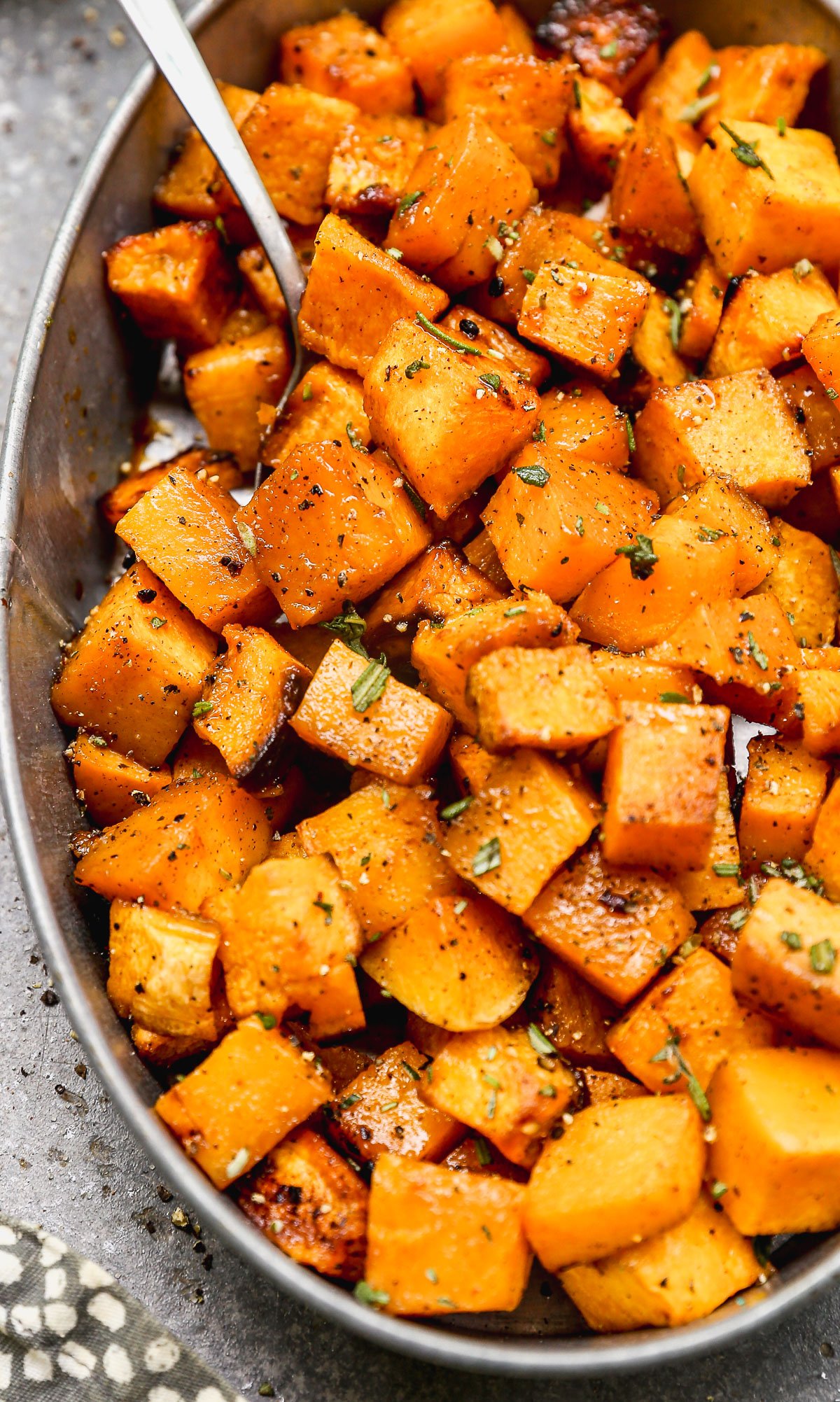
Are you craving a warm, tasty side dish but don’t have fresh vegetables on hand? Roasted butternut squash from frozen is your new best friend.
It’s easy, quick, and delivers that sweet, nutty flavor you love—without the hassle of peeling and cutting. Imagine popping frozen squash straight into the oven and ending up with perfectly caramelized, tender bites every time. Stick with me, and I’ll show you how to make this simple recipe a regular part of your cooking routine.
Your taste buds—and your schedule—will thank you.
Credit: www.wellplated.com
Benefits Of Using Frozen Butternut Squash
Frozen butternut squash offers a practical alternative to fresh, especially when you want to enjoy this vibrant vegetable without the hassle of peeling and chopping. Using frozen butternut squash can save you time and effort while still delivering delicious, nutritious results in your cooking. Let’s explore why frozen butternut squash might be the smart choice for your kitchen.
Convenience And Time-saving
Frozen butternut squash comes pre-cut and ready to use, so you skip the tedious peeling and dicing. This convenience lets you prepare meals faster, making it easier to whip up a healthy dish even on your busiest days. Have you ever struggled with tough squash skin? Frozen cuts that problem out completely.
Plus, it stores well in your freezer, so you always have some on hand. No more last-minute trips to the store or worrying about the squash going bad.
Nutritional Value Retention
Freezing butternut squash shortly after harvest locks in most of its nutrients. This means you can enjoy a vitamin-rich vegetable even months after picking. Studies show that frozen vegetables often retain more vitamins than fresh ones sitting in your fridge for days.
So, you’re not sacrificing health benefits when you choose frozen. It’s a win-win if you want a quick, nutritious ingredient that supports your wellness goals.
Cost-effectiveness
Frozen butternut squash is generally less expensive than fresh, especially out of season. Buying frozen helps you avoid food waste since you only use what you need and keep the rest frozen. This saves money and reduces the stress of planning meals around ingredient freshness.
Have you noticed how fresh squash prices spike in winter? Frozen options keep your budget steady and your meals tasty all year long.
Preparing Frozen Butternut Squash For Roasting
Preparing frozen butternut squash for roasting takes a few simple steps. These steps help bring out the best flavors and textures. Proper preparation ensures the squash roasts evenly and tastes delicious.
Frozen squash holds moisture, so drying and seasoning are key. Choosing the right oil also affects the final taste and crispiness. Follow these tips for tasty roasted butternut squash from frozen.
Thawing Methods
Thawing frozen butternut squash before roasting helps it cook evenly. You can thaw it in the refrigerator overnight for a slow, safe thaw. For a quicker option, place the squash in a sealed bag and submerge it in cold water for 30 minutes.
Microwaving works too. Use short bursts on low power to avoid cooking the squash. Pat the pieces dry with paper towels to remove excess water before roasting. This step prevents sogginess and promotes browning.
Seasoning Tips
Seasoning frozen butternut squash enhances its natural sweetness and flavor. Use simple herbs and spices like salt, pepper, garlic powder, or paprika. A pinch of cinnamon or nutmeg adds warmth and depth.
Mix the seasonings evenly with the squash pieces. Toss well to coat all sides. Avoid over-seasoning, as frozen squash can absorb flavors quickly. Fresh herbs like rosemary or thyme can be added after roasting for a fresh touch.
Choosing The Right Oil
Choosing the right oil impacts texture and flavor. Use oils with a high smoke point to avoid burning. Good choices include olive oil, avocado oil, or sunflower oil.
Lightly coat the squash pieces with oil to help them roast crisp and golden. Avoid heavy oils like coconut oil, which may overpower the squash’s flavor. A drizzle of oil also helps the seasoning stick better during roasting.
Basic Roasting Technique
Roasting frozen butternut squash brings out its natural sweetness and soft texture. Spread the cubes evenly on a baking sheet and roast until golden and tender. Simple seasoning with oil, salt, and pepper enhances the flavor perfectly.
Roasting butternut squash from frozen might sound like a shortcut, but it can be a game-changer in the kitchen. You don’t need to thaw it, making it a time-saver for busy weeknights. The trick lies in mastering a few simple techniques to turn these frosty cubes into golden, caramelized delights.Optimal Oven Temperature
Set your oven to 425°F (220°C). This high heat is essential for evaporating excess moisture quickly. It helps the squash caramelize, rather than steam.Roasting Time Guidelines
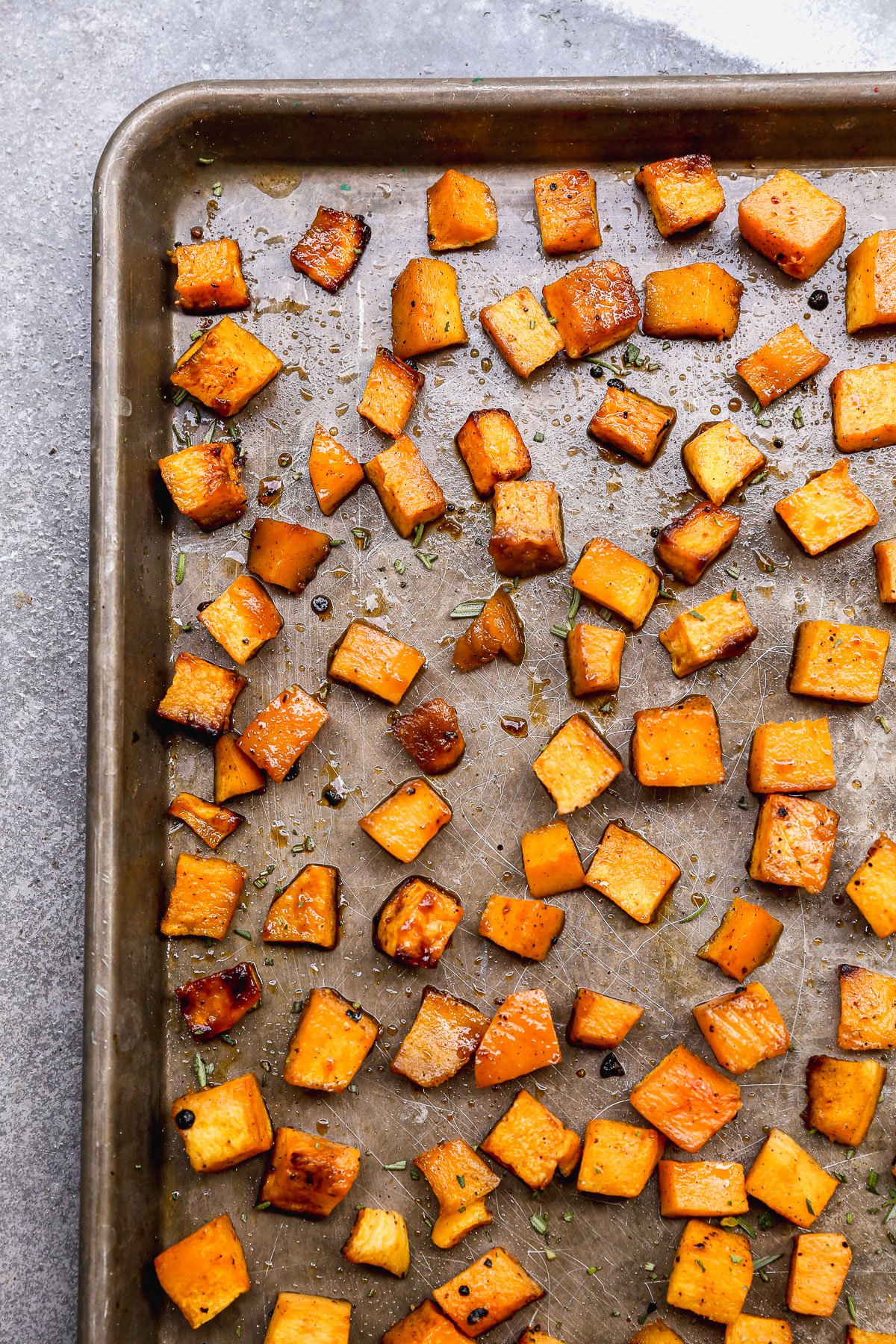
Aim for a roasting time of about 25-30 minutes. Start checking for doneness at around 20 minutes. You’ll know it’s ready when the squash is fork-tender and has a slight char on the edges.Achieving Crispy Edges
To get those coveted crispy edges, spread the squash out on the baking sheet. Make sure there’s enough space between pieces for air to circulate. Drizzle with olive oil and sprinkle with salt and pepper before roasting. Experiment with different seasonings to add a personal touch. Try adding a pinch of cinnamon or a sprinkle of paprika for added flavor. What unique twist will you bring to your roasted butternut squash?Flavor Variations To Try
Roasted butternut squash from frozen is a convenient base that welcomes all kinds of flavor twists. You can transform this simple ingredient into a star dish by mixing up the seasonings and toppings. Trying different flavor profiles not only keeps your meals exciting but also helps you discover new favorites.
Savory Herb Blends
Herbs add depth and freshness to roasted butternut squash. Try tossing your frozen cubes with rosemary, thyme, and a pinch of garlic powder before roasting. These herbs bring out a woodsy aroma that pairs beautifully with the squash’s natural sweetness.
Adding a sprinkle of salt and cracked black pepper enhances the savory notes without overpowering the dish. You might find that a dash of smoked paprika or cumin introduces a subtle warmth that makes your taste buds sit up and take notice.
Sweet And Spicy Options
If you enjoy a little kick, sweet and spicy combos are your go-to. Drizzle the squash with honey or maple syrup, then sprinkle chili flakes or cayenne pepper on top. The contrast between sweet and heat creates an exciting balance that keeps each bite interesting.
Think about adding a squeeze of fresh lime juice after roasting to brighten the flavors even more. This variation is perfect if you want a side dish that feels both comforting and lively.
Cheesy Toppings
Cheese can turn roasted butternut squash into a rich, indulgent treat. Sprinkle grated Parmesan or crumbled feta over the hot squash just before serving. The cheese melts slightly, adding a creamy texture and salty punch.
For extra flair, mix in some toasted pine nuts or chopped fresh basil. This simple addition can make your dish feel special without extra effort.
Quick Recipes With Frozen Butternut Squash
Frozen butternut squash offers a fast and easy way to enjoy a nutritious meal. It saves time on peeling and chopping. You can roast it directly from frozen for delicious results. These quick recipes show simple ways to make tasty roasted butternut squash snacks or sides.
Roasting frozen butternut squash brings out its natural sweetness. It creates a tender texture with a slight crisp outside. These recipes use basic ingredients you may already have. They are perfect for busy weeknights or quick meal prep.
Simple Roasted Squash
- Preheat oven to 425°F (220°C).
- Spread frozen butternut squash on a baking sheet.
- Drizzle with olive oil and sprinkle salt and pepper.
- Toss to coat evenly.
- Roast for 25-30 minutes, stirring halfway through.
- Serve warm as a side dish or salad topping.
Spicy Roasted Squash Bites
- Preheat oven to 425°F (220°C).
- Place frozen squash on a baking sheet.
- Drizzle with olive oil.
- Sprinkle with chili powder, paprika, and cayenne pepper.
- Add salt to taste.
- Mix well and roast for 25-30 minutes.
- Enjoy as a spicy snack or side.
Maple-glazed Squash
- Set oven to 425°F (220°C).
- Arrange frozen squash on a baking tray.
- Mix maple syrup, olive oil, and a pinch of salt.
- Brush the mixture over the squash.
- Roast for 25-30 minutes, turning once.
- Serve sweet and tender roasted squash.
Credit: www.wellplated.com
Serving Suggestions
Roasted butternut squash from frozen is a versatile ingredient that fits many dishes. It brings a sweet, nutty flavor and soft texture. Use it to enhance meals and add color and nutrients.
Here are simple ideas to serve roasted butternut squash that suit different tastes and occasions.
Side Dish Ideas
- Toss roasted squash with olive oil and herbs for a quick side.
- Mix with sautéed kale and garlic for a healthy vegetable medley.
- Combine with quinoa and toasted nuts to make a warm grain bowl.
- Serve alongside roasted chicken or pork to balance flavors.
Incorporating Into Salads
- Add cooled roasted squash cubes to spinach or arugula salads.
- Mix with goat cheese, dried cranberries, and walnuts for sweetness.
- Include in grain salads with farro or couscous for texture.
- Drizzle with balsamic glaze to enhance the natural sweetness.
Adding To Soups And Stews
- Stir roasted butternut squash into creamy soups for extra flavor.
- Use as a hearty ingredient in vegetable or chicken stews.
- Blend with broth and spices for a smooth, warming puree.
- Add at the end of cooking to keep some texture and color.
Tips For Storing And Reheating
Storing and reheating roasted butternut squash from frozen can be tricky if you want to keep its natural sweetness and tender texture. The right techniques will help you enjoy your squash as if it was freshly roasted. Let’s dive into some practical tips that make a difference in taste and texture.
Proper Storage Techniques
Start by cooling your roasted butternut squash completely before freezing. Moisture is the enemy here; excess moisture can make your squash mushy upon reheating.
- Use airtight containers or heavy-duty freezer bags to prevent freezer burn.
- Label the containers with the date to keep track of freshness—aim to use within 3 months.
- Separate portions in small batches so you only thaw what you need.
I once stored a large batch in a single container and found it difficult to reheat evenly. Smaller portions make reheating quicker and preserve quality.
Reheating Without Losing Texture
Reheating frozen roasted butternut squash without turning it into mush requires gentle heat and patience.
- Oven reheating works best—spread the squash on a baking sheet and heat at 350°F (175°C) for 10-15 minutes.
- Check halfway through and toss gently to ensure even warming.
- Avoid microwaving directly from frozen; if you must, use short bursts and stir in between.
Have you noticed how microwaving can sometimes make the squash watery? The oven’s dry heat helps maintain that perfect roasted texture you love.
Try these tips next time you store or reheat your butternut squash and see how much better it tastes and feels.

Credit: www.yahoo.com
Frequently Asked Questions
Can You Roast Butternut Squash Directly From Frozen?
Yes, you can roast butternut squash from frozen. Just increase cooking time by 5-10 minutes. It’s convenient and preserves flavor.
How Do You Season Frozen Butternut Squash For Roasting?
Toss frozen butternut squash with olive oil, salt, pepper, and herbs. This enhances flavor and creates a crispy texture.
What Temperature Is Best For Roasting Frozen Butternut Squash?
Roast frozen butternut squash at 400°F (200°C). This temperature cooks evenly and develops a caramelized exterior.
Does Roasting Frozen Squash Affect Its Texture?
Roasting frozen squash slightly softens texture but keeps it tender. Proper roasting avoids mushiness and maintains a pleasant bite.
Conclusion
Roasting butternut squash from frozen saves time and effort. It keeps the squash tender and full of flavor. You can add your favorite spices or herbs for a tasty dish. This method works well for quick meals or side dishes.
Try it soon and enjoy a warm, healthy treat. Simple, fast, and delicious every time.

I’m Abby Lu, a passionate home cook who loves simplifying everyday meals. At PlugChef.com, I share product reviews and cooking guides to help you find the best tools for your kitchen.
Related posts:
 What Type of Cooking Utensils are Safe: Expert Picks
 What Innovations Could Blenders Make: Unleashing Future Tech
 Smart Strategies to Organize a Small Kitchen: Maximize Space
 How to Organize a Kitchen Cabinet: Expert Tips & Tricks
 How to Organize Kitchen Drawers: Expert Tips and Tricks
 How to Organize a Corner Kitchen Cupboard: Expert Tips

