

When you run a restaurant, safety is more than just a priority—it’s a necessity. Accidents can happen anytime, whether it’s a small kitchen burn or a more serious injury.
That’s why having the right first aid kit is crucial for your restaurant. But what exactly should be inside? Knowing the essential items and legal requirements can save you time, money, and most importantly, keep your staff and customers safe.
Keep reading to discover everything you need to meet restaurant first aid kit requirements and be fully prepared for any emergency.
Legal Regulations
Understanding the legal regulations around restaurant first aid kits is essential for keeping your staff and customers safe. These rules are designed to ensure quick and effective responses during emergencies. Ignoring them could lead to fines or worse, putting lives at risk.
Mandatory Contents Of A First Aid Kit
Most health and safety authorities specify what items must be included in a restaurant’s first aid kit. Common essentials are adhesive bandages, sterile gauze pads, antiseptic wipes, and gloves. You might be surprised how often these simple items make a big difference in managing minor injuries quickly.
Have you checked recently if your kit meets these standards? Keeping your kit fully stocked and updated is not just about compliance—it’s about readiness.
Regulatory Bodies And Their Requirements
Different regions have different agencies overseeing first aid regulations for restaurants. For example, OSHA in the United States sets clear guidelines on first aid supplies and training. Local health departments might also impose additional rules tailored to your area.
Understanding which body governs your location helps you avoid costly mistakes. Have you contacted your local health department to confirm the latest requirements?
Training And Accessibility Rules
Having a first aid kit is not enough; staff must know how to use it. Regulations often require designated personnel to undergo certified first aid training. This ensures that emergencies are handled confidently and correctly.
Accessibility is another key factor. The kit must be easy to find and reachable within a short time. Ask yourself: Is your first aid kit stored where everyone can access it quickly during an emergency?
Record-keeping And Inspection
Many regulations require restaurants to keep records of first aid treatments administered on-site. Documentation helps track incidents and improves future safety measures. Inspections by health officials may check these records and the condition of your kit.
Do you maintain a clear log of first aid incidents? This simple habit can prove your commitment to safety and legal compliance.

Credit: www.papeterieatlas.com
Core Components
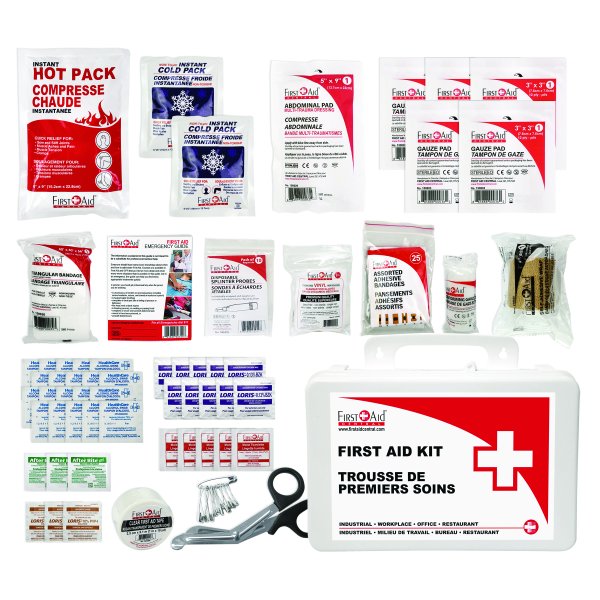
A well-stocked first aid kit is vital for any restaurant. It ensures quick care for minor injuries and keeps the workplace safe. The core components cover basic needs and help handle common accidents.
These essential items must be easy to find and use. Proper organization speeds up response time during emergencies. Each component has a specific role in treating wounds, burns, or cuts.
Bandages And Dressings
- Adhesive bandages in various sizes for small cuts
- Sterile gauze pads to cover larger wounds
- Roller bandages to secure dressings in place
- Butterfly closures to close small, shallow cuts
- Non-stick dressings to avoid pain during removal
These items protect wounds from dirt and infection. They also help control bleeding quickly.
Antiseptics And Ointments
- Antiseptic wipes or solutions to clean wounds
- Antibiotic ointments to prevent infection
- Burn creams to soothe minor burns
- Hydrocortisone cream for skin irritation or rashes
Cleaning wounds properly is crucial to avoid infections. Applying ointments helps skin heal faster and reduces pain.
Tools And Instruments
- Disposable gloves to maintain hygiene
- Scissors to cut bandages or clothing
- Tweezers to remove splinters or debris
- Thermometer for checking body temperature
- CPR face shield for safe resuscitation
These tools assist in treating injuries effectively. Wearing gloves protects both staff and injured persons from germs.
Specialized Items
Specialized items in a restaurant first aid kit go beyond basic bandages and antiseptics. These supplies address the unique risks you face in a busy kitchen, where burns, eye injuries, and cardiac emergencies can happen without warning. Having the right tools ready can make the difference between a minor incident and a serious health crisis.
Burn Treatment Supplies
Burns are among the most common injuries in restaurants. Your first aid kit should include burn dressings, gel pads, and sterile gauze to cool and protect the affected area quickly.
Burn creams or aloe vera gel help soothe pain and reduce inflammation. Avoid using cotton balls on burns as fibers can stick to the wound.
Think about how fast you can reach these supplies when a hot oil splash occurs. Are you prepared to act immediately?
Eye Care Essentials
Kitchen accidents often involve splashes of hot liquids, cleaning chemicals, or food particles in the eyes. Your kit needs an eye wash solution or sterile saline to flush out irritants effectively.
Include eye pads and eye cups to protect the eye after rinsing. Having a small mirror can assist in checking for visible debris.
Do you know where your eye care items are during rush hours? Quick access could save someone from permanent damage.
Cpr And Resuscitation Tools
Cardiac emergencies can strike anyone at any time. Equip your first aid kit with a CPR face shield or mask to provide safe rescue breaths without direct contact.
A pocket mask with a one-way valve helps reduce the risk of infection while maintaining airflow. Consider adding disposable gloves and a pocket-sized CPR guide for quick reference.
Are your staff trained to use these tools? Having them is not enough if you don’t know how to apply them confidently in an emergency.

Credit: ninelife.jp
Kit Maintenance
Maintaining a first aid kit in a restaurant ensures quick response to injuries. A well-kept kit keeps staff safe and ready for emergencies. Regular attention to the kit prevents missing or expired items.
Regular Inspections
Check the first aid kit weekly. Look for used or damaged supplies. Confirm all items are clean and organized. Make sure the kit is easy to find and access. Assign a staff member to handle inspections.
Restocking Protocols
Restock the kit immediately after use. Keep a list of essential items for quick reference. Buy replacements in small batches to avoid waste. Store extra supplies near the kit for fast restocking. Train staff to report when items run low.
Expiry Date Checks
Check expiry dates monthly. Discard expired items safely and replace them. Use a calendar or reminder system to track dates. Expired supplies can be ineffective or unsafe. Keep the kit reliable with fresh materials.
Staff Training
Staff training is a vital part of maintaining a safe and responsive environment in your restaurant. Proper training ensures that your team can handle emergencies confidently and effectively. Without it, even the best stocked first aid kit can fall short when quick action is needed.
First Aid Certification
Encourage your staff to earn official first aid certification. Certified employees know how to use the contents of your first aid kit correctly and understand basic life-saving techniques.
Certification courses often cover CPR, wound care, and handling choking incidents. You’ll find that certified staff members feel more prepared and less stressed during emergencies. Have you checked if your team’s certification is up to date?
Emergency Response Drills
Practice makes perfect, especially when seconds count. Schedule regular emergency response drills that simulate real-life situations your restaurant could face.
These drills help staff become familiar with where the first aid kit is located and how to react under pressure. Try to include scenarios like burns, cuts, and allergic reactions to keep training relevant. How often do you practice these drills with your team?
Mock Scenarios
Use mock scenarios to test your team’s problem-solving and communication skills during emergencies. Create situations that require quick thinking and teamwork.
For example, simulate a customer fainting or slipping in the kitchen. Observe how your staff handles the situation and provide immediate feedback. This hands-on approach builds confidence and reveals areas needing improvement.
Emergency Contacts
Having a well-prepared restaurant first aid kit is crucial, but equally important is knowing who to contact in an emergency. Quick access to the right emergency contacts can save valuable time and potentially save lives. Make sure your emergency contact list is clear, up-to-date, and easy to find for all staff members.
Local Medical Facilities
Keep a list of nearby hospitals, urgent care centers, and clinics. Include their addresses, phone numbers, and directions if possible. This helps staff quickly decide where to go or call when medical help is needed.
Think about your own experience—have you ever had to rush someone to a hospital? Knowing the closest facility and how to reach it fast makes a big difference in stressful situations.
Poison Control Centers
Restaurants handle many ingredients and cleaning chemicals that can be hazardous if ingested or mishandled. Display the phone number for your local poison control center prominently near your first aid kit and in employee areas.
This number is a lifeline if someone accidentally swallows a toxic substance. Immediate expert advice can prevent panic and guide you through the right steps to take before help arrives.
Fire And Rescue Services
Fire hazards are a real risk in kitchens. Always have the contact number for your local fire department and rescue services readily available. Make sure every staff member knows how and when to call them.
Have you ever practiced what to do in case of a fire? Regular drills and clear contact information help everyone stay calm and act quickly when seconds count.
Location And Accessibility
Choosing the right location for your restaurant’s first aid kit is more than just ticking a box on a checklist. It directly impacts how quickly you can respond during an emergency. Accessibility and visibility can save crucial seconds when an accident happens in a busy kitchen or dining area.
Visibility And Signage
Your first aid kit should never be hidden away where only a few know its whereabouts. Clear, bold signage is essential to guide staff and even customers to its location swiftly.
Think about high-contrast colors for signs and placing them at eye level. Have you noticed how emergency exits have bright, unmistakable signs? Your first aid kit deserves the same attention.
Ease Of Access
Imagine a chef rushing to grab the kit with a knife cut—every second counts. The kit must be easy to open and reachable without obstacles.
Keep it unlocked or use a simple mechanism to avoid fumbling during stress. Avoid placing it inside locked cabinets or behind heavy doors, as this delays help.
Strategic Placement
Where you put the first aid kit should reflect the layout and flow of your restaurant.
- Near the kitchen and food prep areas where most injuries occur.
- Close to dining spaces for quick access if a customer needs assistance.
- In staff break rooms, so employees can check supplies regularly.
Ask yourself: Is the kit reachable by everyone, including during peak hours? Your placement strategy should account for busy times and high-traffic zones.
Credit: www.hbiop.com
Technology Integration
Technology has become a vital part of managing first aid kits in restaurants. It helps you keep everything organized, ready, and easy to access during emergencies. Integrating technology means you spend less time worrying about supplies and more time ensuring safety.
Mobile Apps For Emergencies
Mobile apps designed for emergencies can guide you step-by-step through first aid procedures. Imagine having clear instructions right on your phone when a sudden injury occurs in your restaurant. These apps often include videos, checklists, and quick access to emergency contacts, making your response faster and more confident.
Some apps also allow you to log incidents and track the use of first aid supplies. This way, you know exactly when to reorder items and keep your kit fully stocked without guesswork.
Digital Checklists
Keeping a digital checklist ensures your first aid kit is always complete. You can set reminders for checking expiration dates and restocking essential items like bandages and antiseptics. Digital checklists prevent human error—no more forgotten supplies or overdue inspections.
These checklists can be shared among your team, so everyone stays informed about the kit’s status. This shared responsibility encourages regular maintenance and reduces the risk of missing critical items when you need them most.
Automated Alerts
Automated alerts notify you when first aid supplies are running low or expired. This feature saves time and eliminates the hassle of manual checks. Imagine receiving a reminder on your phone or email right when you need to replace a product.
Automated alerts also help you stay compliant with health and safety regulations. This proactive approach can protect your restaurant from penalties and ensure your staff and customers remain safe.
Frequently Asked Questions
What Are The Essential Items In A Restaurant First Aid Kit?
A restaurant first aid kit must include bandages, antiseptic wipes, gloves, burn cream, scissors, and adhesive tape. These items address common injuries like cuts, burns, and scrapes efficiently.
How Often Should A Restaurant First Aid Kit Be Checked?
A restaurant first aid kit should be inspected monthly to ensure supplies are stocked and unexpired. Regular checks keep the kit ready for emergencies and compliant with safety regulations.
Are There Legal Requirements For Restaurant First Aid Kits?
Yes, many regions require restaurants to have a first aid kit meeting specific standards. Compliance ensures worker safety and avoids legal penalties.
Where Should A Restaurant First Aid Kit Be Placed?
Place the kit in an easily accessible, visible spot in the kitchen or staff area. Quick access is vital during emergencies to provide immediate care.
Conclusion
A well-stocked first aid kit keeps restaurant staff safe. It helps treat cuts, burns, and minor injuries fast. Knowing what items to include saves valuable time during emergencies. Regularly checking and refilling the kit prevents missing supplies. Training staff to use the kit boosts confidence and safety.
Prioritizing first aid shows care for employees and customers. A proper first aid kit is a smart restaurant choice. Simple steps protect everyone and keep your business running smoothly. Safety matters—make your first aid kit a priority today.

I’m Abby Lu, a passionate home cook who loves simplifying everyday meals. At PlugChef.com, I share product reviews and cooking guides to help you find the best tools for your kitchen.
Related posts:
 What Type of Cooking Utensils are Safe: Expert Picks
 What Innovations Could Blenders Make: Unleashing Future Tech
 Smart Strategies to Organize a Small Kitchen: Maximize Space
 How to Organize a Kitchen Cabinet: Expert Tips & Tricks
 How to Organize Kitchen Drawers: Expert Tips and Tricks
 How to Organize a Corner Kitchen Cupboard: Expert Tips

