
You’ve spent time cooking a whole brisket to perfection, and now you want to enjoy every last bite without losing its juicy flavor. But reheating brisket in the oven can be tricky—you want it warm, tender, and just as delicious as when it first came out of the smoker.
If you’ve ever ended up with dry, tough meat, you know how disappointing that can be. In this guide, you’ll discover simple, effective steps to reheat your whole brisket in the oven so it stays moist and flavorful. Keep reading to make sure your next meal tastes like it was freshly cooked.
Credit: www.thegrillcoach.com
Choosing The Right Brisket
Choosing the right brisket is key to making your reheated meal just as tasty as the first time you cooked it. The texture and flavor depend heavily on the quality and condition of the meat before it goes into the oven. Knowing how to select the brisket can save you from dry, tough bites and help you enjoy every slice.
Fresh Vs Leftover Brisket
Fresh brisket and leftover brisket require different approaches when reheating. Fresh brisket usually has more moisture and fat, which helps keep it juicy in the oven. Leftover brisket can dry out quickly, so you need to handle it with extra care.
If you’re reheating leftover brisket, think about adding a splash of beef broth or wrapping it tightly in foil. This traps steam and keeps the meat tender. Have you noticed how some reheated brisket tastes better when sliced thin? That’s because thinner slices warm evenly and stay moist.
Identifying Quality Cuts
Not all briskets are created equal. Look for briskets with a good amount of marbling—those thin streaks of fat running through the meat. Marbling melts during cooking and reheating, which adds flavor and juiciness.
A brisket with a thick fat cap on top also helps retain moisture during reheating. Avoid briskets that look dry or have uneven color, as these are signs of lower quality or poor storage. When you’re at the store or unpacking your leftovers, ask yourself: does this brisket look like it will stay tender after reheating?

Credit: argentineasado.com
Preparing The Brisket For Reheating
Preparing a whole brisket for reheating takes careful steps to keep it juicy and tender. Proper preparation helps the meat heat evenly without drying out. Follow these simple tips to get your brisket ready for the oven.
Proper Storage Before Reheating
Store the brisket in an airtight container or wrap it tightly with foil. Keep it in the refrigerator if you plan to reheat within a few days. For longer storage, freeze the brisket in a vacuum-sealed bag or heavy-duty freezer wrap. Proper storage prevents freezer burn and preserves flavor.
Label the package with the date. Use the brisket within 3-4 days if refrigerated. When frozen, consume it within 2-3 months for best taste and texture.
Bringing Brisket To Room Temperature
Remove the brisket from the fridge about 30 to 60 minutes before reheating. This step helps the meat warm evenly in the oven. Cold meat takes longer to heat and may dry out on the outside before warming inside.
Keep the brisket covered loosely with foil while it rests at room temperature. Avoid leaving it out for more than two hours to stay safe from bacteria.
Oven Settings And Temperature
Reheating a whole brisket in the oven requires a low temperature setting, around 325°F, for even warming. Wrapping the brisket in foil helps retain moisture and flavor, ensuring tender and juicy results.
Reheating a whole brisket in the oven requires attention to oven settings and temperature to maintain its juicy goodness. The right temperature can make the difference between a succulent, mouth-watering brisket and a dry disappointment. It’s all about precision and patience, so let’s dive into the details.Ideal Temperature For Juicy Results
To achieve that perfect, juicy brisket, set your oven to 250°F (121°C). This low and slow approach gently warms the meat, preserving its natural juices and flavors. A higher temperature might seem tempting to speed things up, but it often leads to a dry brisket. Maintain this temperature consistently. Use an oven thermometer if your oven’s built-in thermostat is unreliable.Using A Thermometer Effectively
A meat thermometer is your best friend in this process. Insert it into the thickest part of the brisket to get an accurate reading. Aim for an internal temperature of 165°F (74°C). This ensures the brisket is safely reheated without overcooking. Have you ever wondered why your brisket turned out dry even though you followed the recipe? It could be due to inaccurate temperature readings. Trust your thermometer, not your instincts, for the best results. Remember, reheating brisket is as much about precision as cooking it. By setting the oven correctly and using a thermometer, you’re on the path to delicious, juicy brisket every time.
Credit: www.reddit.com
Techniques To Retain Moisture
Keeping your whole brisket juicy while reheating can be tricky. Without the right technique, it easily turns dry and tough. Use these moisture-retaining methods to bring back the tenderness and flavor you enjoyed the first time.
Wrapping Methods
Wrapping your brisket tightly is a simple but powerful way to lock in moisture. Use butcher paper or aluminum foil to create a snug seal around the meat. This traps steam, preventing the brisket from drying out during reheating.
Try wrapping the brisket in foil first, then in a clean kitchen towel for extra insulation. This combo slows down heat exposure and keeps the meat moist longer. Have you noticed how brisket wrapped this way stays tender even after a couple of hours in the oven?
Adding Moisture With Liquids
Adding a little liquid before reheating can make a big difference. Pouring beef broth, water, or even a splash of barbecue sauce over the brisket adds steam inside the wrap. This keeps the meat juicy and enhances flavor.
Be careful not to add too much liquid—it should just lightly coat the brisket’s surface. Too much can cause sogginess or dilute the taste. What liquid would you try to complement your brisket’s original seasoning?
Using Foil Vs Baking Dish
Choosing between foil and a baking dish affects how moisture stays around the brisket. Foil creates a sealed environment that traps steam effectively. This method is great if you want to reheat brisket quickly and keep it moist.
On the other hand, reheating in a covered baking dish lets some steam escape but can prevent sogginess and keep the crust intact. If you prefer a slightly firmer outer texture, this might be your go-to. Have you experimented with both to find which suits your taste better?
Step-by-step Reheating Process
Reheating a whole brisket in the oven can bring back its juicy tenderness and rich flavors if done right. The key is to warm it slowly and evenly without drying it out. Let’s walk through the exact steps to ensure your brisket tastes just as good as when it was first cooked.
Preheating The Oven
Set your oven to a low temperature, around 250°F (120°C). This gentle heat prevents the brisket from drying out and helps maintain its tenderness.
While the oven warms up, take the brisket out of the fridge and let it sit at room temperature for about 20 minutes. This reduces temperature shock and promotes even reheating.
Placing The Brisket
Wrap the brisket tightly in aluminum foil to lock in moisture. You can add a splash of beef broth or a few tablespoons of water inside the foil to keep it extra juicy.
Place the wrapped brisket on a baking sheet or in a shallow roasting pan. This setup catches any drippings and makes it easier to handle.
Monitoring Cooking Time
The brisket will need about 1 hour per pound to reheat thoroughly, but keep an eye on it as ovens vary. Check the internal temperature with a meat thermometer; it should reach around 160°F (71°C) for safe eating.
Every 30 minutes, carefully open the foil to check the brisket’s moisture level. If it looks dry, add a little more broth before resealing to keep it tender.
Checking For Doneness
Checking for doneness is essential when reheating a whole brisket in the oven. It ensures the meat is heated thoroughly without drying out. Proper doneness keeps the brisket juicy and tender. Use simple tools and senses to confirm the brisket is ready to serve.
Internal Temperature Targets
Use a meat thermometer to check the brisket’s internal temperature. Insert it into the thickest part of the brisket. The ideal temperature for reheated brisket is about 165°F (74°C). This temperature ensures the meat is safely warmed and tender. Avoid overheating, which can make the brisket dry and tough.
Visual And Texture Cues
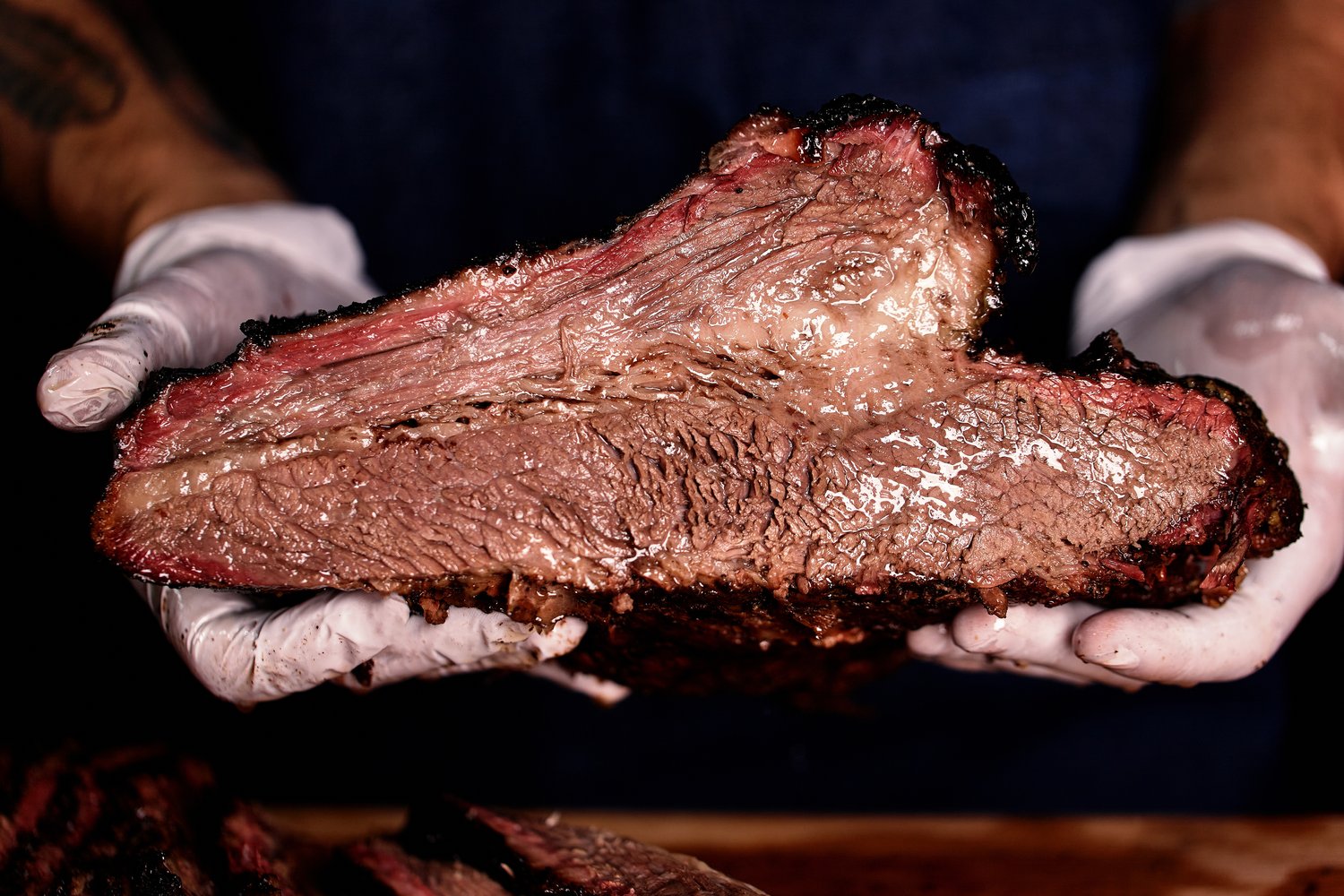
Look closely at the brisket’s surface and texture. The meat should appear moist and slightly shiny. If it looks dry or crumbly, it may be overcooked. Press the brisket gently with a fork or finger. It should feel soft but firm, not mushy or hard. These signs help confirm the brisket is heated just right.
Serving Tips For Best Flavor
Serving a reheated whole brisket with maximum flavor takes more than just warming it up. How you handle it right after reheating, how you slice it, and what you serve alongside can transform your meal from ordinary to unforgettable. Let’s dive into some simple yet effective tips to get the best taste and texture from your brisket.
Resting After Reheating
Let your brisket rest for at least 10 minutes after reheating. This pause allows the juices to redistribute, making every bite juicy rather than dry. If you cut into it immediately, the juices will escape, leaving your brisket less flavorful and tougher than it should be.
Cover the brisket loosely with foil during resting to keep it warm without steaming it. Have you noticed how resting a steak improves its taste? The same principle applies here, ensuring your brisket stays tender and moist.
Slicing Techniques
Always slice brisket against the grain. This breaks up the muscle fibers and results in a more tender bite. Look closely at the meat’s grain direction—cutting across it, not parallel, is key.
Use a sharp knife and make thin, even slices. Thick chunks can be chewy, while thin slices melt in your mouth. Think about how you enjoy deli meats; slicing brisket this way enhances the eating experience.
Complementary Sauces And Sides
Choose sauces that balance the rich, smoky flavor of brisket. A tangy barbecue sauce or a vinegar-based sauce can cut through the fattiness and add brightness. Don’t be afraid to try mustard or horseradish for a spicy kick.
Pair your brisket with sides that add texture and freshness. Creamy coleslaw, roasted vegetables, or a crisp green salad offer contrast. What sides do you usually enjoy with brisket? Experiment with what you have to find your perfect combination.
Common Mistakes To Avoid
Reheating a whole brisket in the oven needs care. Simple mistakes can spoil the texture and taste. Knowing what to avoid helps keep the brisket juicy and tender. These common errors often cause dry or tough meat.
Overheating And Drying Out
Brisket can dry out quickly if the oven is too hot. High heat removes moisture and toughens the meat. Keep the temperature low, around 250°F (120°C), to warm it gently. Cover the brisket with foil to lock in steam. Check the meat often to avoid overcooking.
Skipping Resting Time
Resting lets the juices spread inside the brisket. Cutting it too soon causes the juices to run out. After reheating, let the brisket rest covered for at least 15 minutes. This step makes the meat tender and flavorful. Patience here improves the eating experience.
Alternative Reheating Methods
Alternative reheating methods help keep brisket tender and juicy. They offer different ways to warm your meat without drying it out. These methods work well if you want to avoid the oven or have more time to reheat slowly. Both options maintain flavor and texture, making your brisket taste fresh again.
Slow Cooker Option
Using a slow cooker is a gentle way to reheat brisket. Place the meat inside and add a little beef broth or water. Cover and heat on low for 3 to 4 hours. This method keeps the brisket moist and soft. It also allows the flavors to blend nicely during reheating.
Sous Vide Reheating
Sous vide uses precise temperature control to warm brisket evenly. Seal the meat in a vacuum bag. Set the water bath to 140°F (60°C) and heat the brisket for 1 to 2 hours. This technique avoids overcooking and keeps the brisket juicy. The slow, steady heat preserves texture and taste perfectly.
Frequently Asked Questions
How Long To Reheat Whole Brisket In Oven?
Reheat whole brisket in a preheated oven at 250°F (120°C) for about 60-90 minutes. Wrap it in foil to retain moisture. Check the internal temperature reaches 140°F (60°C) for safe eating and optimal tenderness.
Should I Cover Brisket When Reheating In Oven?
Yes, always cover brisket with foil when reheating. Covering traps steam and prevents the meat from drying out. This keeps the brisket juicy and flavorful throughout the reheating process.
Can I Reheat Brisket Without Drying It Out?
To avoid dryness, reheat brisket slowly at low heat and wrap it in foil. Adding a splash of beef broth or water inside the foil helps maintain moisture. This method keeps the brisket tender and juicy.
What Temperature Is Best For Reheating Brisket?
Set your oven temperature to 250°F (120°C) for even reheating. Low and slow heating prevents overcooking and keeps the brisket tender. Avoid high heat to maintain moisture and flavor.
Conclusion
Reheating whole brisket in the oven keeps it juicy and tender. Set the oven to low heat to avoid drying out the meat. Wrap the brisket tightly in foil for best results. Check the temperature often to heat it evenly.
This method saves time and keeps the flavor fresh. Enjoy your brisket just like it was first cooked. Simple steps make a big difference in taste. Try this easy way next time you want leftovers warm.

I’m Abby Lu, a passionate home cook who loves simplifying everyday meals. At PlugChef.com, I share product reviews and cooking guides to help you find the best tools for your kitchen.
Related posts:
 What Type of Cooking Utensils are Safe: Expert Picks
 What Innovations Could Blenders Make: Unleashing Future Tech
 Smart Strategies to Organize a Small Kitchen: Maximize Space
 How to Organize a Kitchen Cabinet: Expert Tips & Tricks
 How to Organize Kitchen Drawers: Expert Tips and Tricks
 How to Organize a Corner Kitchen Cupboard: Expert Tips