
You’ve cooked or bought a delicious brisket, and now you’re ready to enjoy it again. But reheating brisket in the oven can be tricky.
You want it juicy, tender, and full of flavor—not dry or tough. If you’ve ever struggled with leftovers that don’t taste as good as the first time, this guide is for you. Keep reading to discover simple, effective tips that will bring your brisket back to life, making every bite just as mouthwatering as when it was freshly cooked.
Your next meal is about to get a whole lot better.
Choosing The Right Brisket
Choosing the right brisket for reheating in the oven makes a big difference. The type of brisket affects how well it heats up and stays juicy. Picking the proper cut and condition helps keep the flavor and texture. This section guides you on selecting the best brisket for reheating success.
Sliced Vs Whole Brisket
Sliced brisket heats faster than a whole piece. Thin slices warm evenly and are less likely to dry out. Whole brisket takes longer and needs careful heating to keep moisture. Choose sliced for quick meals. Pick whole brisket if you want to keep all the juices and flavor intact.
Checking For Moisture Content
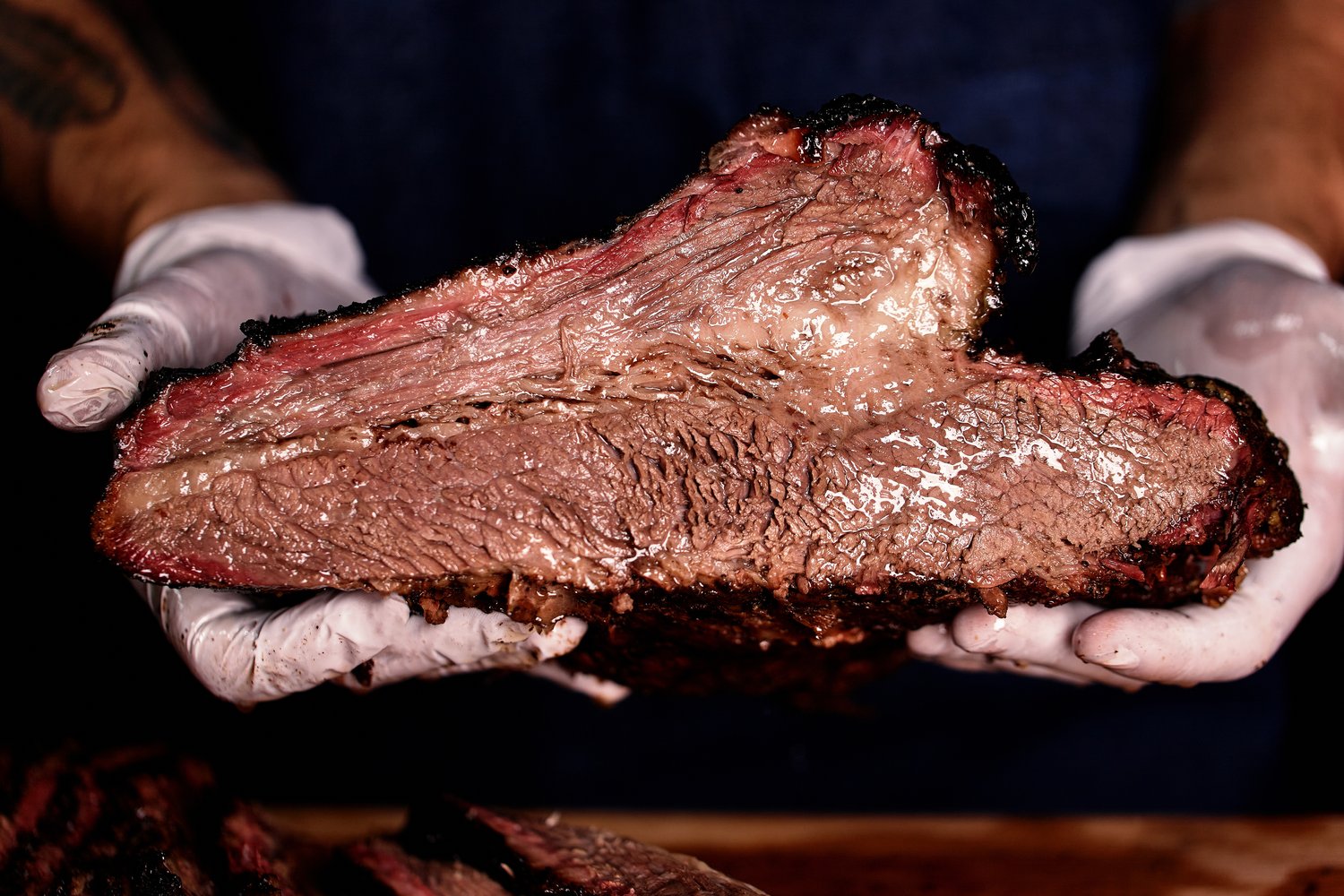
Moisture keeps brisket tender during reheating. Look for brisket that feels soft and slightly wet. Dry or crumbly brisket will become tougher after heating. You can add moisture with broth or water before reheating. Always avoid reheating dry brisket without adding liquid first.
Credit: www.thegrillcoach.com
Preparing Brisket For Reheating
Preparing brisket for reheating is key to keeping it tender and flavorful. This step protects the meat from drying out during the oven reheating process. Proper preparation also helps maintain the brisket’s original taste and texture.
Start by handling the brisket carefully. Avoid overexposing it to air, which causes dryness. Keep the meat wrapped or covered until ready to reheat. Small details here make a big difference in the final result.
Wrapping Techniques
Wrap the brisket tightly using aluminum foil. This traps heat and moisture inside. Use heavy-duty foil for better protection. Another option is to use a baking dish with a tight-fitting lid.
Seal the edges well to prevent steam from escaping. This helps the brisket reheat evenly. Avoid wrapping too loosely, as this can cause the meat to dry out. Proper wrapping keeps the brisket juicy and tender.
Adding Moisture
Add moisture to the brisket before wrapping it. This prevents the meat from becoming tough. Use beef broth, water, or a mix of both. Pour a small amount over the brisket, enough to cover the bottom of the foil or dish.
Moisture creates steam during reheating. Steam helps soften the meat fibers. This step is especially important for leftover brisket. It revives the brisket’s original tenderness and flavor.
Oven Temperature Settings
Setting the right oven temperature is crucial when reheating brisket. Too hot, and you risk drying it out; too low, and it might not warm evenly. Finding that sweet spot keeps your brisket juicy and tender, just like fresh off the smoker.
Ideal Heat Levels
The best oven temperature for reheating brisket is generally between 250°F and 300°F (120°C to 150°C). This low and slow approach allows the meat to warm through gently without losing moisture.
Using a temperature around 275°F is often perfect. It takes about 20 to 30 minutes to warm a thick slice thoroughly. If you go higher than 300°F, the brisket can start to dry out quickly.
Have you noticed how brisket feels different when reheated too fast? That’s because the fat and connective tissues don’t have time to soften again. Keeping the heat moderate helps preserve that melt-in-your-mouth texture.
Avoiding Overcooking
Overcooking is the biggest enemy when reheating brisket in the oven. Once the meat hits 165°F internally, it’s safe to eat and should be removed immediately.
Use a meat thermometer to check the temperature precisely. Guesswork often leads to dry, tough brisket.
Covering the brisket with foil also helps lock in moisture. It traps steam, creating a mini steam bath that prevents the meat from drying out while heating evenly.
Have you ever reheated brisket only to find it stringy and tough? Adjusting your oven temperature and covering the meat can make a surprising difference in texture and flavor.

Credit: argentineasado.com
Reheating Time Guidelines
Reheating brisket requires careful timing to keep it juicy and tender. Following proper reheating time guidelines ensures your brisket stays flavorful and moist. The time needed varies based on whether the brisket is sliced or whole.
Timing For Sliced Brisket
Sliced brisket reheats faster than a whole piece. Keep slices in a single layer on a baking sheet. Cover the brisket slices with foil to retain moisture.
- Preheat oven to 325°F (163°C).
- Reheat sliced brisket for about 20-30 minutes.
- Check temperature to reach 140°F (60°C) for best taste.
Timing For Whole Brisket
Whole brisket takes longer to heat through evenly. Wrap the brisket tightly in foil to trap steam and juices. Use a lower oven temperature to avoid drying out.
- Preheat oven to 300°F (149°C).
- Reheat whole brisket for about 1.5 to 2 hours.
- Heat until internal temperature reaches 140°F (60°C).
Using Foil And Baking Dishes
Cover the brisket with foil to keep it moist and prevent drying out. Place it in a baking dish to catch any drips and heat evenly. This method helps the meat stay tender during reheating.
Reheating brisket in the oven is a skill that can elevate your leftovers to gourmet levels. Using foil and baking dishes is a tried-and-true method that ensures your brisket remains juicy and flavorful. This approach not only locks in moisture but also allows for even heat distribution, making every bite as delicious as the first.Benefits Of Foil Wrapping
Foil wrapping acts as a protective layer, trapping moisture and preventing your brisket from drying out. By creating a sealed environment, the brisket retains its natural juices and tenderness. Have you ever noticed how much better brisket tastes when it’s been wrapped? That’s the magic of foil. Additionally, foil helps to evenly distribute heat throughout the brisket. This means no more hot spots or cold centers, just perfectly reheated meat. It’s a simple yet effective technique that saves time and enhances flavor.Choosing The Right Bakeware
Your choice of bakeware can make a significant difference. Opt for a baking dish that comfortably fits your brisket without leaving too much empty space. This helps in maintaining the heat close to the meat, ensuring it warms up evenly. Ceramic and glass dishes are excellent choices as they retain heat well, contributing to an even reheating process. Have you ever tried using a cast iron skillet? It’s another fantastic option that can add a slight crust to the edges of your brisket, enhancing texture. Consider the depth of the dish as well. A deeper dish can help in retaining more moisture, which is essential for reheating without drying out the brisket. So next time you reheat, think about how your choice of bakeware might impact the final result.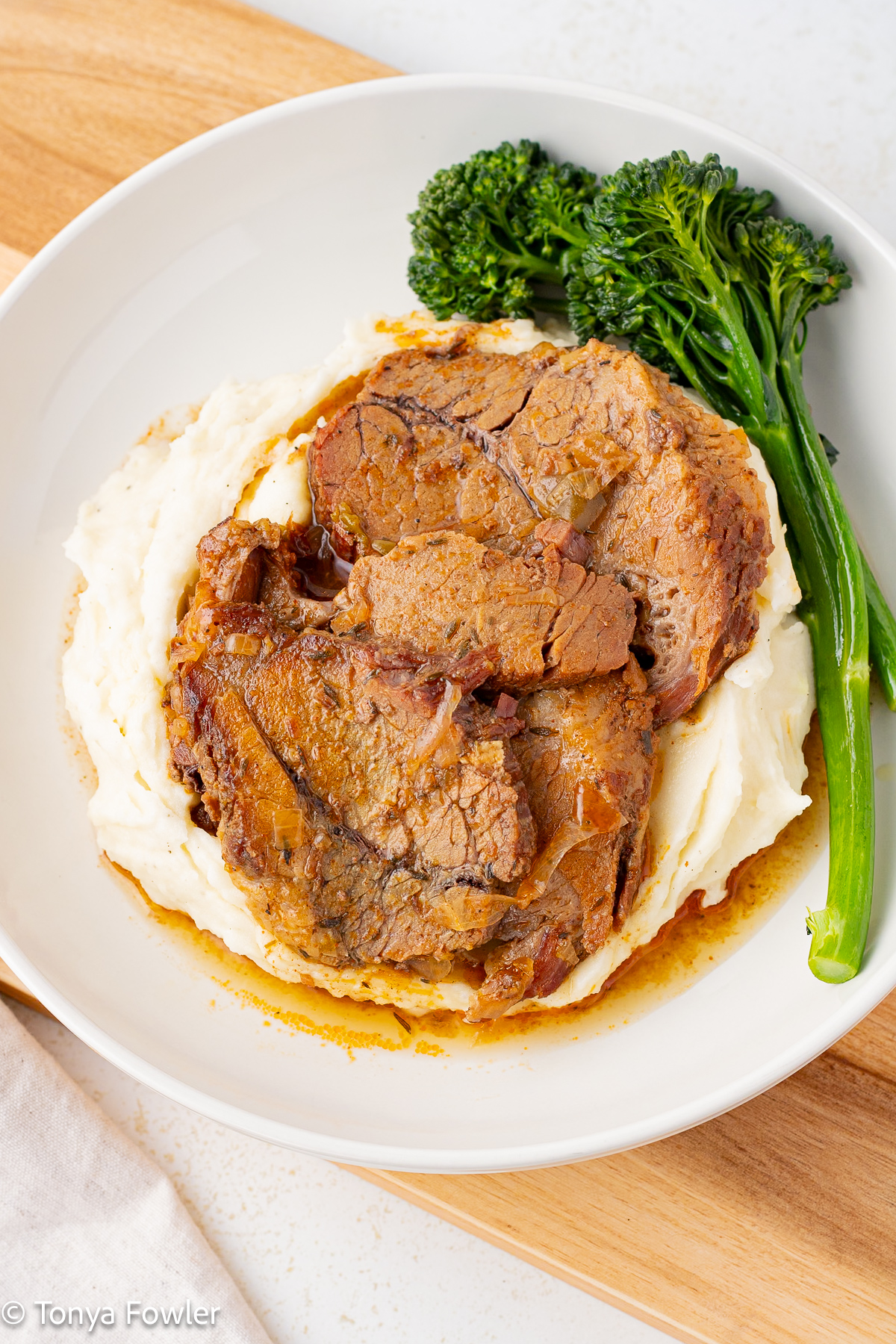
Credit: www.themidwestkitchenblog.com
Resting After Reheating
Resting after reheating brisket is a key step often missed. It allows the juices to settle and the meat to finish cooking gently. Skipping this step can lead to dry, tough brisket. Taking time to rest improves texture and flavor.
Maintaining Juiciness
Resting helps keep the brisket moist. During reheating, juices move toward the surface. Resting lets these juices redistribute evenly inside the meat. Cover the brisket loosely with foil to trap heat without steaming. Let it rest for 10 to 15 minutes before slicing.
Serving Tips
- Slice brisket against the grain for tender bites.
- Serve on warm plates to keep meat hot longer.
- Offer extra sauce or au jus on the side.
- Add a sprinkle of fresh herbs for color and flavor.
- Pair with simple sides like roasted vegetables or mashed potatoes.
Common Mistakes To Avoid
Reheating brisket in the oven can be tricky. Many make mistakes that dry out the meat or make it tough. Avoiding these errors helps keep the brisket juicy and flavorful. Here are common mistakes to watch out for.
Reheating At Too High Temperature
Oven heat that is too high cooks the brisket too fast. The outside can burn while the inside stays cold. High heat dries the meat quickly. Use a low temperature to warm the brisket evenly and gently.
Skipping Moisture Addition
Brisket loses moisture when reheated. Not adding liquid makes it dry and tough. Add broth, water, or sauce before heating. Cover the brisket tightly with foil to trap steam. This keeps the meat tender and moist.
Frequently Asked Questions
How Long Should I Reheat Brisket In The Oven?
Reheat brisket in the oven at 250°F for 20-30 minutes. Wrap it in foil to retain moisture. Check internal temperature; it should reach 140°F for safe serving.
Can I Reheat Brisket Without Drying It Out?
Yes, wrap brisket in foil and add a splash of broth. Heat at low temperature to keep it moist and tender.
What Temperature Is Best For Reheating Brisket?
Set your oven to 250°F for gentle reheating. This temperature warms brisket evenly without drying or overcooking it.
Should I Cover Brisket When Reheating In Oven?
Always cover brisket with foil to lock in moisture. This prevents the meat from drying out during reheating.
Conclusion
Reheating brisket in the oven keeps it juicy and tender. Use low heat and cover the meat to avoid drying. Take your time; rushing can make brisket tough. Check often to keep the right temperature. This simple method helps you enjoy leftover brisket fresh again.
A warm, flavorful meal is just minutes away. Try it next time you have leftover brisket. You’ll appreciate the easy and tasty result.

Hi, I’m Daniel Brooks—a food lover and kitchen gear enthusiast. I enjoy testing cookware, utensils, and gadgets to see what really works in everyday cooking. At PlugChef.com, I share honest reviews, comparisons, and simple guides to help you choose the best tools for a safer, smarter, and more enjoyable kitchen.
Related posts:
 What Type of Cooking Utensils are Safe: Expert Picks
 What Innovations Could Blenders Make: Unleashing Future Tech
 Smart Strategies to Organize a Small Kitchen: Maximize Space
 How to Organize a Kitchen Cabinet: Expert Tips & Tricks
 How to Organize Kitchen Drawers: Expert Tips and Tricks
 How to Organize a Corner Kitchen Cupboard: Expert Tips