
When was the last time you checked your first aid kit? If you’re like most people, it might be gathering dust, missing key items, or even expired.
But what if an emergency happens and you don’t have the right supplies? Refilling your first aid kit is not just about restocking—it’s about being prepared to protect yourself and your loved ones when it matters most. You’ll discover exactly what you need to keep your kit ready, why each item is important, and how easy it is to stay fully equipped.
Keep reading to make sure your first aid kit never lets you down.

Credit: www.amazon.com
Importance Of First Aid Kit Refills
First aid kits are essential for handling injuries quickly. Keeping them stocked is crucial to provide immediate care. Refilling first aid kits ensures supplies are fresh and ready to use.
Expired or missing items can delay treatment and cause complications. Regular refills help maintain the kit’s effectiveness. Everyone should check and restock their kits often.
Ensuring Readiness During Emergencies
Emergencies happen without warning. A well-stocked first aid kit allows fast action. Refills replace used or expired items. This readiness can reduce injury severity and prevent infections.
Maintaining Safety Standards
Medical supplies have expiration dates. Using expired items can be unsafe. Regular refills keep the kit compliant with safety rules. This ensures all materials work properly when needed.
Saving Time And Reducing Stress
Searching for supplies during an emergency wastes time. A refilled kit has everything organized and accessible. This reduces stress and helps you act calmly and efficiently.
Protecting Everyone At Home Or Work
First aid kits serve families, employees, and visitors. Refills guarantee protection for all. A stocked kit supports quick help for cuts, burns, or other injuries.
Extending The Life Of Your First Aid Kit
Regular refills prevent supplies from going bad. Proper storage and replacement keep the kit useful longer. This saves money and ensures the kit is always ready.
Commonly Used First Aid Supplies
Keeping your first aid kit stocked with the right supplies can make all the difference during an emergency. Knowing which items you use most often helps you refill your kit efficiently, so you’re never caught off guard. Let’s take a closer look at some of the commonly used first aid supplies that should always be within reach.
Bandages And Dressings
Bandages and dressings are the backbone of any first aid kit. They protect wounds from dirt and bacteria while helping to stop bleeding.
- Adhesive bandages:These come in various sizes and shapes, perfect for small cuts and scrapes.
- Gauze pads:Use these for larger wounds that need more coverage and absorption.
- Elastic bandages:Great for wrapping sprains or securing dressings in place.
Have you ever found yourself needing a specific size or type of bandage only to realize your kit didn’t have it? Keeping a variety of these supplies ensures you’re ready for different situations.
Antiseptics And Cleansers
Cleaning a wound quickly is essential to prevent infection. Antiseptics and cleansers help you do this safely and effectively.
- Alcohol wipes:Convenient for cleaning around wounds and sterilizing tools.
- Antiseptic creams or ointments:These reduce bacteria on the skin and promote healing.
- Hydrogen peroxide or saline solution:Useful for flushing out debris from cuts or scrapes.
Think about the last time you had to deal with a minor injury. Did you have the right cleanser on hand to avoid infection? If not, it’s time to add these essentials to your refill list.
Pain Relief Medications
Minor injuries often come with pain, and having pain relief medications in your kit can provide immediate comfort.
- Acetaminophen (Tylenol):Effective for reducing mild to moderate pain.
- Ibuprofen (Advil, Motrin):Helps with pain and also reduces inflammation.
- Aspirin:Besides pain relief, it’s useful in certain emergency heart situations, but check if it’s suitable for your needs.
Have you ever wished you had a painkiller handy but had to wait until you could get one? Keeping these medications up to date in your kit can make managing pain easier and faster.
Specialized Supplies For Specific Needs
Specialized supplies target unique health situations that basic first aid kits might miss. These items prepare you for specific emergencies. Keeping these refills ready can save critical time. They support different kinds of injuries and health conditions.
Burn Care Products
Burns require quick, careful attention to reduce pain and damage. Include burn dressings, gels, and cooling sprays in your kit. These help protect the skin and speed healing. Sterile burn pads prevent infection and ease discomfort.
Cpr Masks And Gloves
CPR masks protect both the rescuer and the victim during resuscitation. Choose masks with one-way valves for safety. Gloves are essential to prevent contact with blood and fluids. Nitrile gloves are durable and allergy-friendly.
Allergy Treatments
Severe allergies need immediate care to avoid serious reactions. Keep antihistamine tablets and epinephrine auto-injectors available. Allergy wipes and sting relief pads help soothe minor allergic reactions. These items can stabilize a person before medical help arrives.
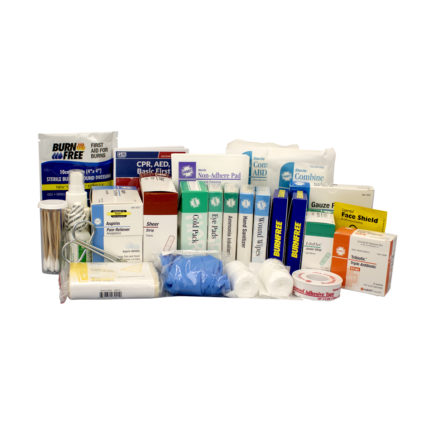
Credit: firstaidsuppliesonline.com
Choosing Quality Products
Choosing quality products for first aid kit refills ensures safety and reliability. The right supplies perform well during emergencies. Low-quality items may fail or cause harm. Focus on trusted sources and materials to build confidence in your kit. Proper selection saves lives and reduces risks.
Trusted Brands
Trusted brands have proven records of safety and effectiveness. They follow strict manufacturing standards. These brands often test their products rigorously. Choosing well-known names reduces the chance of faulty items. Check reviews and certifications to confirm reliability.
Expiration Dates
Always check expiration dates on first aid supplies. Using expired products can be ineffective or unsafe. Replace items before they expire to maintain readiness. Keep a log of refill dates for easy tracking. This habit ensures your kit stays fresh and functional.
Material Safety
Material safety matters in first aid products. Avoid items with harmful chemicals or allergens. Look for hypoallergenic and non-toxic materials. Safe materials reduce skin irritation and allergic reactions. Choose breathable, durable fabrics for bandages and tapes to improve comfort and healing.
Regular Maintenance And Checks
Regular maintenance and checks keep your first aid kit ready for use at all times. A well-maintained kit ensures safety and quick response during emergencies. Neglecting this task can lead to missing or expired supplies, which may cause delays when help is needed most.
Inventory Management
Track all items inside your first aid kit regularly. Use a checklist to note what you have and what is missing. This simple step prevents running out of essential supplies. Check for damaged packaging or opened items and remove them immediately. Keep an updated list to make refilling easier and faster.
Replacing Expired Items
Expired items lose effectiveness and may be unsafe to use. Check expiration dates on all medicines, ointments, and sterile products. Replace any item past its expiry date without delay. Mark future expiration dates on a calendar to help schedule timely replacements. This habit keeps your kit reliable and safe.
Organizing Your Kit
Organize your kit so you can find items quickly. Group similar items together, such as bandages, antiseptics, and tools. Use small containers or bags to separate categories inside the kit. Label compartments clearly for easy access. A neat kit saves valuable time during emergencies.
Where To Purchase Refills
Finding the right place to purchase refills for your first aid kit can make a big difference in how prepared you stay. You want quick access to quality supplies without breaking the bank or waiting too long. Knowing where to look can save you time and ensure your kit is always ready for any emergency.
Local Pharmacies
Local pharmacies are often the fastest way to restock your first aid kit. They carry essential items like bandages, antiseptic wipes, and pain relievers that you might need immediately. Plus, you can ask the pharmacist for advice on which products suit your specific needs.
Have you ever needed a bandage late at night? Many pharmacies now offer 24/7 service, which can be a lifesaver. Visiting in person also allows you to check expiration dates and product quality before buying.
Online Retailers
Shopping online offers a wider variety of refill options than most physical stores. Websites often provide detailed descriptions and customer reviews, helping you make informed choices. You can order in bulk, which is convenient if you want to keep multiple kits stocked.
Think about how much time you save by having supplies delivered to your door. Just be sure to check shipping times, especially if you need something urgently. Some online stores also offer subscription services to automatically send you refills on a schedule.
Specialty Medical Stores
Specialty medical stores provide professional-grade first aid supplies that you might not find elsewhere. These stores cater to healthcare professionals and serious home users, offering advanced items like trauma dressings and specialized tools. If you want higher-quality or specific items, this is a good place to look.
Visiting a specialty store can also give you the chance to get expert advice on restocking your kit. Do you know which items suit your lifestyle best? Talking to knowledgeable staff can help you customize your kit perfectly.

Credit: www.amazon.com
Frequently Asked Questions
What Are Essential Items For First Aid Kit Refills?
Essential refill items include bandages, antiseptic wipes, adhesive tape, gloves, and pain relief medication. Keeping these stocked ensures readiness for common injuries and emergencies.
How Often Should First Aid Kits Be Refilled?
First aid kits should be refilled every 6 to 12 months or after use. Regular checks help replace expired or used supplies for effective emergency response.
Where Can I Buy Quality First Aid Kit Refills?
Quality refills are available at pharmacies, medical supply stores, and online retailers. Choose reputable brands to ensure safety and reliability in emergencies.
Why Is It Important To Refill First Aid Kits Promptly?
Prompt refilling ensures you have necessary supplies during emergencies. It prevents delays in treatment and maintains the kit’s effectiveness and readiness.
Conclusion
Keeping your first aid kit stocked saves lives and prevents panic. Regularly check supplies and replace used or expired items. Simple refills like bandages, antiseptics, and gloves keep you ready. Everyone should have a well-prepared first aid kit at home or work.
Stay safe by staying prepared. Small steps today mean quick help tomorrow. Don’t wait for an emergency to update your kit. A little effort ensures peace of mind and safety for all.

I’m Abby Lu, a passionate home cook who loves simplifying everyday meals. At PlugChef.com, I share product reviews and cooking guides to help you find the best tools for your kitchen.
Related posts:
 What Type of Cooking Utensils are Safe: Expert Picks
 What Innovations Could Blenders Make: Unleashing Future Tech
 Smart Strategies to Organize a Small Kitchen: Maximize Space
 How to Organize a Kitchen Cabinet: Expert Tips & Tricks
 How to Organize Kitchen Drawers: Expert Tips and Tricks
 How to Organize a Corner Kitchen Cupboard: Expert Tips