

Are you looking for easy and delicious ways to boost your meals with extra nutrition? Bone broth is packed with vitamins, minerals, and collagen that can improve your health and add rich flavor to your dishes.
But maybe you’re not sure how to use it beyond just sipping it plain. This article will show you simple recipes that bring out the best in bone broth, turning everyday meals into nourishing delights. Ready to discover tasty ideas that make your cooking healthier and more satisfying?
Keep reading—you won’t want to miss these flavorful recipes made just for you.
Benefits Of Bone Broth In Cooking
Bone broth is a powerful ingredient in the kitchen. It brings many benefits beyond just taste. Using bone broth in cooking improves nutrition, adds rich flavors, and works well in many dishes. Its unique qualities make it a valuable addition to everyday meals.
Nutritional Advantages
Bone broth is rich in minerals like calcium, magnesium, and phosphorus. It contains collagen, which supports joint and skin health. The broth also has amino acids that help digestion and boost the immune system. Cooking with bone broth adds these nutrients to your dishes naturally.
Enhancing Flavor Profiles
Bone broth offers a deep, savory taste called umami. This flavor enhances soups, stews, and sauces. It adds warmth and richness without extra fat. Using bone broth instead of water or stock makes meals more satisfying and full-bodied.
Versatility In Recipes
Bone broth works well in many recipes. It can replace water in rice or grain cooking. Use it as a base for soups, gravies, and braises. It also blends smoothly into sauces and marinades. Its flexibility helps create wholesome dishes with ease.

Credit: food52.com
Soups And Stews With Bone Broth
Soups and stews become richer and more nutritious with bone broth. This broth adds deep flavor and health benefits. It works perfectly as a base for many recipes. Bone broth enhances the taste and makes dishes more comforting.
Try these simple recipes that highlight bone broth’s delicious qualities. Each one is easy to make and full of warmth.
Classic Chicken Soup
Use bone broth instead of plain water to cook chicken soup. It makes the broth thicker and more flavorful. Add shredded chicken, carrots, celery, and onions. Season lightly with salt and pepper. Simmer until vegetables are soft. Serve hot for a soothing meal.
Hearty Beef Stew
Start with bone broth to create a rich stew base. Brown chunks of beef, then add potatoes, carrots, and onions. Pour in the bone broth and herbs like thyme and bay leaves. Let it cook slowly until meat is tender. The broth gives the stew a deep, savory taste.
Vegetable And Bone Broth Blend
Combine fresh vegetables with bone broth for a healthy, light stew. Use zucchini, bell peppers, tomatoes, and spinach. Add garlic and onions for extra flavor. Simmer until all vegetables are soft. This stew is perfect for a quick, nourishing meal.
Bone Broth-based Sauces And Gravies
Bone broth adds rich flavor and nutrition to sauces and gravies. Simmer it with herbs and spices for a tasty, healthy base. Perfect for enhancing meats, vegetables, and comfort foods with natural depth.
Bone broth, rich in nutrients, enhances the taste of sauces and gravies. It adds depth and complexity to any dish. Use it to create flavorful culinary masterpieces in your kitchen.Rich Pan Sauces
Create a pan sauce by deglazing with bone broth. After cooking meat, remove it and use the drippings. Add a splash of bone broth to the pan. Stir and scrape up the tasty bits. Let it simmer until reduced. Finish with butter for a silky texture. Serve over meats or vegetables.Savory Gravies
Bone broth makes gravies rich and savory. Start with a roux of flour and butter. Gradually whisk in warm bone broth. Let it simmer until thickened. Season with salt and pepper. Perfect for mashed potatoes or roasted meats.Glazes For Meats
Create glazes using bone broth for added flavor. Combine bone broth with honey or maple syrup. Simmer until it thickens. Brush over meats during the last minutes of roasting. It adds a sweet, savory finish. Perfect for chicken, pork, or beef.
Credit: www.platingsandpairings.com
Using Bone Broth In Rice And Grains
Using bone broth instead of water or regular stock in cooking rice and grains adds a rich depth of flavor and extra nutrients to your meals. It transforms simple side dishes into something hearty and satisfying. You’ll find that bone broth enhances the texture and taste, making every bite more enjoyable.
Flavorful Rice Pilaf
Swap the water for bone broth when cooking rice pilaf to give it a savory boost. The broth seeps into each grain, creating a warm, comforting dish that pairs well with roasted vegetables or grilled chicken.
Try adding sautéed onions, garlic, and a pinch of herbs like thyme or parsley to your pilaf. This simple change can turn a basic rice dish into a standout part of your meal.
Quinoa And Barley Dishes
Quinoa and barley benefit greatly from cooking in bone broth. The nutty flavors of these grains blend perfectly with the rich, meaty undertones of the broth.
Consider mixing in chopped nuts, dried fruits, or fresh herbs to add texture and variety. Have you noticed how these additions bring a surprising complexity to your grain bowls?
Risotto With Bone Broth
Risotto demands a flavorful liquid, and bone broth is ideal for this creamy Italian dish. Using bone broth instead of plain stock or water gives your risotto a deep, satisfying taste.
Stir the broth gradually into the rice, letting each addition absorb fully before adding more. This technique, combined with the rich broth, results in a perfectly creamy and flavorful risotto every time.
Bone Broth In Slow-cooked Meals
Using bone broth in slow-cooked meals adds a rich, deep flavor that enhances every ingredient. It also boosts the nutritional value, making your dishes more satisfying and nourishing. If you want to make your slow cooker meals stand out, bone broth is a simple ingredient that delivers big results.
Slow Cooker Pot Roast
Swap water or store-bought broth for bone broth in your pot roast recipe. The broth infuses the meat with extra flavor while keeping it tender and juicy. Add root vegetables like carrots and potatoes, and let the slow cooker do its magic for 6-8 hours.
You’ll notice the meat pulls apart effortlessly, soaking up the savory broth. This method makes dinner prep easy and gives you a comforting meal that feels homemade and hearty.
Braised Vegetables
Vegetables braised in bone broth develop a richer taste than those cooked in plain water. Try braising tough vegetables like Brussels sprouts, cabbage, or mushrooms. The broth adds umami and depth, making even simple veggies exciting.
Just pour enough bone broth to cover the vegetables halfway, then cook slowly until they’re tender. This technique turns everyday sides into flavorful dishes that complement any main course.
Pulled Meat Recipes
Bone broth works wonders in pulled meat recipes such as pulled pork or chicken. Use the broth to keep the meat moist while it cooks low and slow. The collagen and minerals from the broth also help the meat stay juicy and tender.
Mix in your favorite spices and barbecue sauce after cooking for a balanced, flavorful finish. Have you ever thought about how much more tender your pulled meat could be just by changing the cooking liquid?
Creative Snacks And Light Meals
Bone broth is not just for soups and stews—it can transform your snacks and light meals with rich flavor and nutrition. Adding bone broth to everyday dishes can boost your energy and keep you full longer. Are you ready to discover simple ways to make your snacks and light meals more exciting and wholesome?
Bone Broth Smoothies
Think smoothies are only for fruits and yogurt? Try blending bone broth into your next smoothie for a savory twist. It adds protein and minerals without overpowering the taste.
Combine warm bone broth with ingredients like spinach, avocado, a pinch of salt, and a squeeze of lemon. This creates a nourishing drink that’s perfect for a quick pick-me-up.
Have you ever tried a warm smoothie? It’s surprisingly comforting and keeps you satisfied until your next meal.
Savory Oatmeal
Oatmeal doesn’t have to be sweet. Replace water or milk with bone broth to make a savory version that feels like a warm hug on a chilly day.
Add toppings like sautéed mushrooms, fresh herbs, and a soft-boiled egg for a balanced snack or light meal. The broth makes the oats creamy and packed with flavor.
Why settle for sugar when your oatmeal can nourish your body with every bite?
Bone Broth-infused Eggs
Eggs are quick and easy, but adding bone broth can take them to the next level. Use bone broth instead of water when scrambling eggs to add depth and richness.
You can also poach eggs in simmering bone broth for a delicate flavor boost. Serve with toasted bread or a side of sautéed greens for a simple yet satisfying meal.
How often do you experiment with your egg recipes? This simple swap can make a big difference in taste and nutrition.
Tips For Cooking With Bone Broth
Cooking with bone broth can transform your dishes, adding depth and nutrition. However, handling it properly is key to getting the best results. These tips will help you make the most out of your bone broth in everyday recipes.
Storage And Preparation
Always cool bone broth quickly after cooking to keep it fresh longer. Store it in airtight containers and refrigerate for up to 5 days or freeze for several months.
When thawing frozen broth, do it in the fridge overnight to preserve flavor and safety. If you notice a thick layer of fat on top, don’t discard it—it can be stirred back in or used for cooking.
Balancing Flavors
Bone broth naturally has a rich, savory taste, but it can be too strong for some dishes. Taste your broth before adding it to recipes and adjust with salt, herbs, or a splash of acid like lemon juice or vinegar.
Think about the other ingredients in your dish. If you’re making a soup, adding fresh vegetables or spices can help balance the broth’s intensity. Have you ever tried adding a pinch of cinnamon or star anise to give it a warm twist?
Substitutions And Variations
If you don’t have bone broth on hand, vegetable broth can work as a lighter substitute, though it lacks the same depth. Chicken or beef stock can also be swapped in, but watch the salt content carefully.
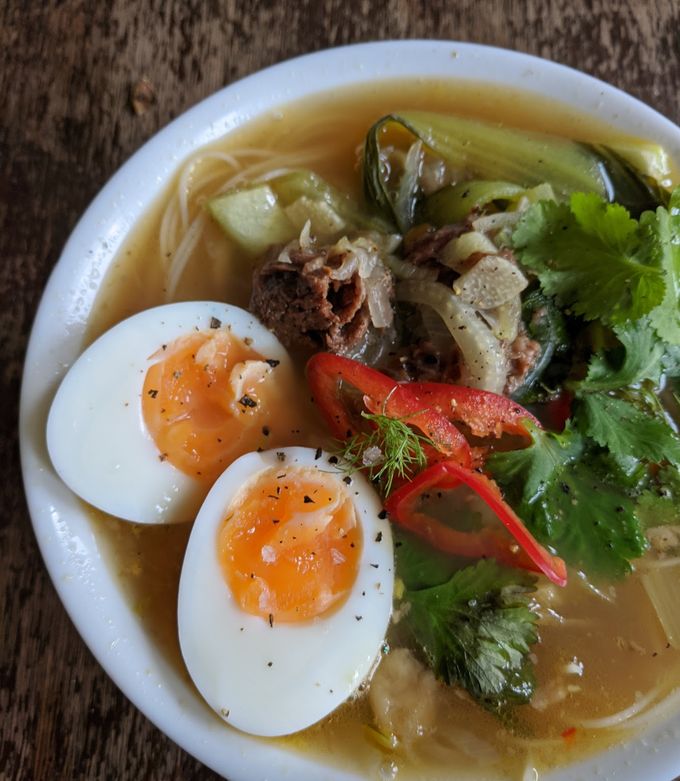
Try mixing bone broth with coconut milk or tomato juice to create unique flavors in stews or curries. These variations keep your meals interesting and open the door to new taste experiences.
Credit: cookpad.com
Frequently Asked Questions
What Are The Best Recipes To Use Bone Broth?
Bone broth works well in soups, stews, and sauces. It enhances flavor and adds nutrients. Try chicken soup, beef stew, or risotto for rich taste and health benefits.
How Can Bone Broth Improve My Cooking?
Bone broth adds depth and richness to dishes. It boosts flavor naturally and makes meals more nutritious. Use it instead of water in recipes for better texture and taste.
Can I Use Bone Broth In Vegetarian Recipes?
Bone broth is animal-based, so it’s not vegetarian. However, you can substitute with vegetable broth for similar flavor in vegetarian dishes. Use bone broth primarily in meat-based recipes for best results.
How Long Should I Cook Recipes With Bone Broth?
Simmer recipes with bone broth for at least 30 minutes. This allows flavors to blend well and nutrients to infuse. Longer cooking times, like in stews, enhance taste and texture.
Conclusion
Bone broth adds rich flavor and nutrients to many dishes. You can use it in soups, stews, and sauces. It helps make meals warm and comforting. Cooking with bone broth is easy and healthy. Try different recipes to find what you like best.
Enjoy the taste and benefits it brings to your food. Bone broth can make simple meals feel special. Keep experimenting and have fun in the kitchen!

Hi, I’m Daniel Brooks—a food lover and kitchen gear enthusiast. I enjoy testing cookware, utensils, and gadgets to see what really works in everyday cooking. At PlugChef.com, I share honest reviews, comparisons, and simple guides to help you choose the best tools for a safer, smarter, and more enjoyable kitchen.
Related posts:
 What Type of Cooking Utensils are Safe: Expert Picks
 What Innovations Could Blenders Make: Unleashing Future Tech
 Smart Strategies to Organize a Small Kitchen: Maximize Space
 How to Organize a Kitchen Cabinet: Expert Tips & Tricks
 How to Organize Kitchen Drawers: Expert Tips and Tricks
 How to Organize a Corner Kitchen Cupboard: Expert Tips