

If you’re looking to add more flavor and nutrition to your meals, bone broth is a game-changer you don’t want to miss. Imagine meals that not only taste amazing but also support your health with every bite.
Whether you’re new to bone broth or already a fan, these recipes will show you how easy and delicious it is to use bone broth in your cooking. Ready to transform your dishes and nourish your body at the same time?
Keep reading and discover recipes that make the most of bone broth’s rich taste and powerful benefits.

Credit: www.platingsandpairings.com
Benefits Of Bone Broth
Bone broth offers many benefits beyond just taste. It is a versatile ingredient that boosts nutrition and supports health. Using bone broth in recipes can improve both flavor and wellness.
Nutritional Value
Bone broth contains important nutrients like collagen, amino acids, and minerals. It is rich in calcium, magnesium, and phosphorus, which help strengthen bones. The gelatin in bone broth supports joint and skin health. It also provides protein that aids muscle repair and growth.
Health Advantages
Bone broth supports digestion by healing the gut lining. It may reduce inflammation and promote immune system function. Drinking bone broth can help with hydration due to its electrolytes. It also helps improve sleep and reduces joint pain for some people.
Flavor Enhancements
Bone broth adds depth and richness to soups and stews. It gives sauces a savory, full-bodied taste. Using bone broth instead of water boosts the overall flavor of many dishes. It creates a warm and comforting base for meals.

Credit: food52.com
Soups And Stews
Soups and stews are perfect dishes to showcase the rich flavors and health benefits of bone broth. Using bone broth instead of regular stock adds depth and nutrition to your meal. You’ll notice a fuller taste and a comforting warmth that makes these recipes stand out.
Classic Chicken Soup
Chicken soup feels like a hug in a bowl, especially when made with bone broth. The broth brings a silky texture and extra nutrients that store-bought versions often lack. Add tender chicken pieces, fresh vegetables, and herbs for a simple meal that supports your immune system.
Think about the last time you felt under the weather—did a homemade chicken soup help? Using bone broth here elevates the healing power beyond just comfort.
Hearty Beef Stew
Beef stew becomes incredibly rich and satisfying when you swap water or regular stock for bone broth. The broth’s collagen breaks down slowly during cooking, giving the stew a luscious mouthfeel. Combine chunks of beef, carrots, potatoes, and onions, and let the flavors meld for hours.
Have you tried slow-cooking stew with bone broth? You’ll notice the difference in both taste and how filling it feels, making it a great meal after a long day.
Vegetable Broth Soup
Vegetable soups gain a savory depth when cooked with bone broth instead of plain water. This makes the soup more nourishing without overpowering the natural flavors of your veggies. Toss in seasonal vegetables, garlic, and spices for a vibrant and wholesome dish.
Wondering how to make your vegetable soup more exciting? Bone broth offers a subtle boost that keeps each spoonful interesting and satisfying.
Main Dishes
Bone broth adds flavor and nutrition to main dishes. It’s rich in minerals and protein, enhancing meals significantly. Let’s explore how you can use it in various recipes.
Bone Broth Risotto
Bone broth makes risotto creamy and flavorful. Use it instead of water or stock. Stir in the broth gradually while cooking. Add your favorite vegetables or seafood for a complete meal.
Braised Meats
Braising meats with bone broth gives a rich taste. It tenderizes the meat while cooking. Simply brown the meat, then simmer it in broth. Add herbs and spices for extra flavor.
Savory Grain Bowls
Cook grains like quinoa or rice in bone broth. It infuses them with deep flavor. Top with roasted veggies or grilled chicken. Drizzle with a simple dressing.
Sauces And Gravies
Bone broth adds depth and richness to sauces and gravies. Its natural gelatin and minerals create smooth textures and bold flavors. Using bone broth instead of water or plain stock transforms ordinary sauces into savory delights. These sauces enhance meats, vegetables, and even mashed potatoes.
Rich Pan Sauces
After cooking meat, use the drippings and bone broth for pan sauces. The broth loosens caramelized bits stuck to the pan. Simmer gently to blend flavors. Add herbs, garlic, or wine for extra taste. The result is a glossy, thick sauce that complements steaks, chicken, or pork.
Creamy Gravies
Bone broth forms a perfect base for creamy gravies. Start with a roux of butter and flour, then stir in warm broth. The gelatin in bone broth thickens the gravy naturally. This gravy pairs well with mashed potatoes, biscuits, and roasted dishes. It offers a smooth, velvety texture and hearty flavor.
Flavorful Reduction Sauces
Reduce bone broth by simmering it slowly to concentrate flavors. This process intensifies its natural taste and thickens the liquid. Combine with wine, vinegar, or soy sauce for depth. Use reductions to glaze vegetables or drizzle over grilled meats. These sauces bring a rich, savory punch to any meal.
Healthy Snacks And Sides
Healthy snacks and sides keep your energy steady and support good nutrition. Bone broth adds flavor and nutrients without extra calories. These recipes are easy to make and fit well into any diet. They help you enjoy tasty food while staying healthy.
Bone Broth Smoothies
Bone broth boosts smoothies with protein and minerals. Use it as a liquid base instead of water or juice. It blends well with fruits and vegetables for a savory twist. Try mixing bone broth with spinach, cucumber, and a bit of ginger for a refreshing drink. The broth adds depth and makes the smoothie more filling.
Nutritious Vegetables
Cook vegetables in bone broth to enhance flavor and nutrition. Steam or roast carrots, broccoli, or green beans with broth instead of water. The broth enriches vegetables with collagen and vitamins. This method keeps veggies tasty and soft without losing nutrients. Sprinkle herbs or a little garlic for extra taste.
Hearty Rice And Quinoa
Use bone broth to cook rice or quinoa for a rich flavor. The broth adds warmth and a subtle meaty taste. This makes simple grains more exciting and nutritious. Combine cooked grains with herbs, nuts, or roasted veggies for a complete side dish. Bone broth helps grains stay moist and tender.
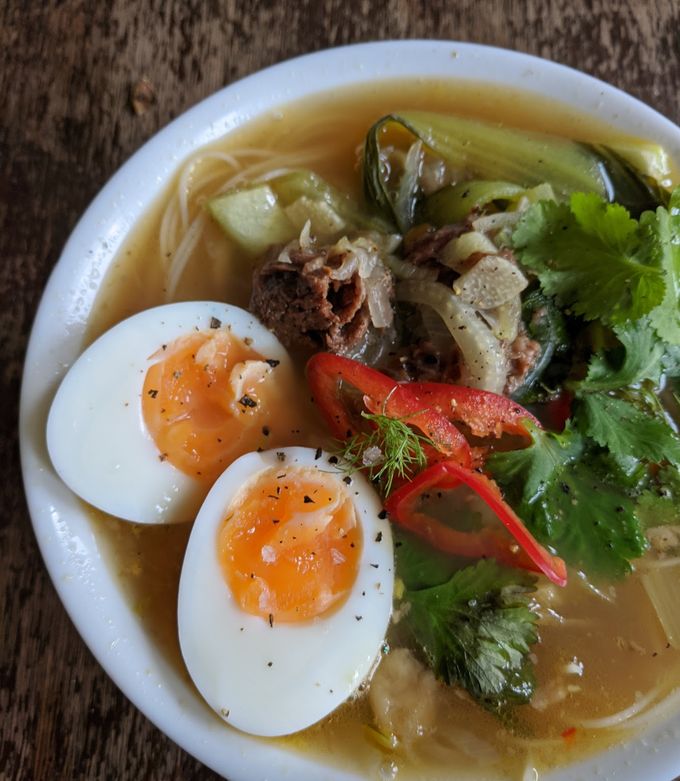
Credit: cookpad.com
Tips For Cooking With Bone Broth
Cooking with bone broth can elevate your meals with rich flavor and nourishing benefits. However, handling it correctly is key to getting the best results. Here are some practical tips to help you make the most of bone broth in your kitchen.
Storage And Preparation
Always cool bone broth quickly after cooking to keep it fresh and safe. Store it in airtight containers in the fridge for up to five days or freeze it for longer use.
When reheating, do it gently over low heat to preserve the broth’s delicate flavors and nutrients. Avoid boiling it again, as this can make the broth taste bitter or cloudy.
Flavor Pairings
Bone broth has a deep, savory taste that pairs well with many ingredients. Try adding fresh herbs like thyme or rosemary to enhance its aroma.
Vegetables such as carrots, celery, and garlic complement the broth’s natural richness and add layers of flavor. Experiment with spices like ginger or turmeric to introduce warmth and complexity.
Boosting Nutritional Value
Add nutrient-rich ingredients during cooking, such as leafy greens or mushrooms, to increase vitamins and minerals. You can also stir in a spoonful of miso or a dash of apple cider vinegar to help extract more nutrients from the broth.
Think about the balance in your recipes—combining bone broth with protein and fresh veggies creates meals that truly nourish your body. What simple addition could you make today to turn your bone broth into a supercharged meal?
Frequently Asked Questions
What Are The Health Benefits Of Using Bone Broth?
Bone broth is rich in collagen, amino acids, and minerals. It supports joint health, improves digestion, and boosts immunity. Using bone broth in recipes adds nutrition and flavor. It’s a natural source of protein and helps maintain healthy skin and gut.
How Can Bone Broth Enhance Soup Recipes?
Bone broth adds depth and richness to soups. It provides a savory base with essential nutrients. Using bone broth instead of water boosts flavor and nutritional value. It makes soups heartier and more satisfying, perfect for any season or diet.
Which Dishes Benefit Most From Bone Broth?
Bone broth works well in soups, stews, and sauces. It enhances grains like rice or quinoa when cooked in it. It’s great in slow-cooked meals and even as a warm beverage. Bone broth adds flavor and nutrition across many savory dishes.
Can Bone Broth Be Used In Vegetarian Recipes?
Bone broth is typically made from animal bones, so it’s not vegetarian. However, vegetable broths can be used as alternatives in vegetarian recipes. Some recipes may combine bone broth for flavor, but pure vegetarian dishes require plant-based broths instead.
Conclusion
Bone broth adds rich flavor and good nutrients to many dishes. It works well in soups, stews, and sauces. Using bone broth can make meals taste better and feel healthier. Try adding it to your favorite recipes for a warm, comforting touch.
Cooking with bone broth is simple and rewarding. Enjoy the taste and benefits in every bite. Keep experimenting and find your favorite way to use bone broth.

Hi, I’m Daniel Brooks—a food lover and kitchen gear enthusiast. I enjoy testing cookware, utensils, and gadgets to see what really works in everyday cooking. At PlugChef.com, I share honest reviews, comparisons, and simple guides to help you choose the best tools for a safer, smarter, and more enjoyable kitchen.
Related posts:
 What Type of Cooking Utensils are Safe: Expert Picks
 What Innovations Could Blenders Make: Unleashing Future Tech
 Smart Strategies to Organize a Small Kitchen: Maximize Space
 How to Organize a Kitchen Cabinet: Expert Tips & Tricks
 How to Organize Kitchen Drawers: Expert Tips and Tricks
 How to Organize a Corner Kitchen Cupboard: Expert Tips

