
Are you ready to unlock the true power of your pestle and mortar? This simple kitchen tool can transform your cooking by releasing flavors and aromas like no blender or food processor can.
Imagine crushing fresh herbs, grinding spices, and making pastes that bring your dishes to life with rich, vibrant taste. You’ll discover easy and delicious recipes designed specifically for your pestle and mortar. Get ready to elevate your meals and impress everyone at your table with just a few simple steps.
Keep reading, and let’s make your cooking more flavorful and fun!

Credit: krokcraft.com
Choosing The Right Ingredients
Choosing the right ingredients is key to great results with a pestle and mortar. The tool works best with fresh, natural components. These bring out strong flavors and aromas. Picking the right items helps create vibrant, tasty dishes. It also makes grinding or crushing easier and more effective.
Fresh Herbs And Spices
Fresh herbs and spices add bright flavors and rich scents. Leaves like basil, mint, and cilantro grind well and release oils. Whole spices such as peppercorns, cumin seeds, and coriander are perfect for crushing. Use fresh ingredients for a lively, authentic taste. Avoid dried or old spices, as they lose aroma and strength.
Essential Oils And Pastes
Essential oils and pastes bring concentrated flavor and moisture. Garlic paste, ginger paste, or chili paste blends well with dry ingredients. These help form smooth, balanced mixtures. A few drops of essential oils like lemon or mint lift the flavor. Use small amounts to avoid overpowering the dish.
Balancing Flavors
Balancing flavors is vital when using a pestle and mortar. Combine salty, sweet, sour, bitter, and spicy tastes carefully. Start with mild ingredients and add stronger ones slowly. Taste often to check flavor progress. Well-balanced blends make dishes more enjoyable and exciting.
Credit: thevibrantcook.com
Basic Techniques For Pestle And Mortar
The pestle and mortar is a timeless kitchen tool. It helps prepare spices, herbs, and pastes with ease. Understanding basic techniques improves your results. It also makes the process faster and more enjoyable.
Grinding Vs. Crushing
Grinding breaks ingredients into fine powder. Use a circular motion with steady pressure. It works well for spices like peppercorns or cumin seeds.
Crushing is forceful and breaks food into larger pieces. Press down hard, then twist or pound. This technique suits garlic, nuts, or herbs.
Choose grinding for smooth textures and crushing for chunky results. Both techniques add unique flavors to your dishes.
Achieving The Perfect Texture
Start with small amounts to control the texture. Use slow, even movements to avoid over-processing. Check your progress often to stop at the right point.
For coarse textures, use short, sharp presses. For fine pastes, apply steady grinding with more pressure. Balance is key to match your recipe’s needs.
Cleaning And Maintenance Tips
- Rinse the mortar and pestle with warm water immediately after use.
- Avoid soap on porous stones; it can leave residue.
- Use a brush to remove stuck particles.
- Dry thoroughly to prevent cracks or mold.
- Season new stone mortars by grinding rice to remove dust.
Classic Recipes To Try
Classic recipes for pestle and mortar bring fresh flavors by crushing herbs and spices. Grinding ingredients this way releases rich aromas and enhances taste naturally. Simple dishes become more vibrant with traditional preparation techniques.
When you think of a pestle and mortar, classic recipes often come to mind—those that have been passed down through generations, each with their unique twist. These recipes allow you to explore the rich flavors and textures that this timeless kitchen tool can bring out. Whether you are a seasoned chef or a cooking novice, these classic recipes can elevate your culinary game.Traditional Pesto Sauce
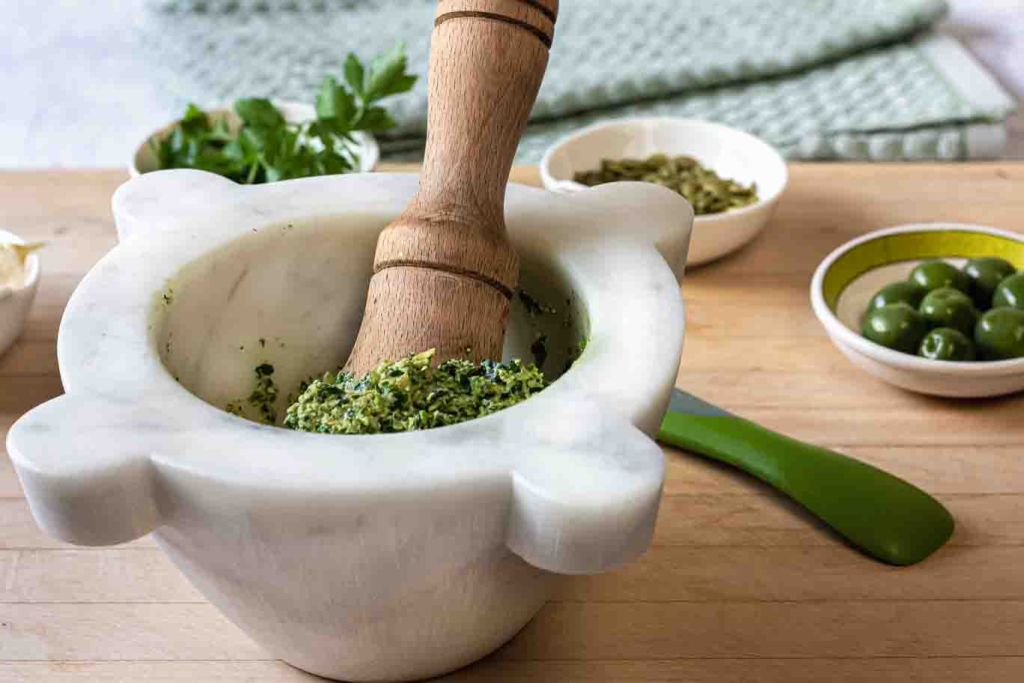
Pesto is all about freshness. Start with a handful of fresh basil leaves, and add them to your mortar. Gently crush them with the pestle until they release their vibrant aroma. Next, toss in a couple of garlic cloves and a small handful of pine nuts. Keep grinding until you achieve a smooth paste. Gradually add grated Parmesan cheese while mixing. Drizzle in olive oil slowly, stirring continuously to achieve the perfect creamy consistency. Wouldn’t you agree that freshly made pesto tastes worlds apart from store-bought versions?Spicy Thai Curry Paste
Thai curry paste is a beautiful blend of spices and heat. Begin by adding dried red chilies to your mortar. Grind them until they become a coarse powder. Add in lemongrass, garlic, galangal, and kaffir lime leaves. These ingredients create an aromatic base that defines the paste’s character. For the final touch, add shrimp paste and coriander seeds. Mix everything thoroughly until you get a consistent paste. Your taste buds will thank you for the burst of authentic Thai flavors!Zesty Chimichurri
Chimichurri offers a zesty punch that pairs perfectly with grilled meats. To start, place fresh parsley and cilantro in your mortar. Crush them until they release their juices. Add minced garlic and a splash of red wine vinegar. The acidity balances the herbs beautifully. Finally, blend in olive oil and a pinch of red pepper flakes. Keep mixing until all ingredients are well-combined. Have you ever tried chimichurri as a marinade? It’s a game-changer for barbecue nights! These classic recipes are perfect examples of how a simple pestle and mortar can transform your cooking experience. Which one will you try first?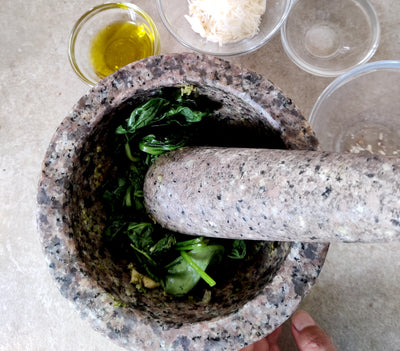
Credit: krokcraft.com
Regional Flavors Around The World
Using a pestle and mortar connects you directly to the heart of global cooking traditions. Different regions use this simple tool to unlock bold, fresh flavors that define their cuisine. Let’s take a flavorful journey to see how you can create authentic tastes from around the world right in your kitchen.
Mediterranean Blends
Imagine crushing fresh basil, garlic, pine nuts, and Parmesan to make a vibrant pesto. The pestle and mortar release essential oils and aromas that blenders often miss.
Try mixing rosemary, thyme, garlic, and olive oil for a fragrant marinade. Your grilled meats and vegetables will thank you for the depth of flavor.
Have you ever noticed how freshly ground herbs taste brighter? Grinding them by hand allows you to control texture and intensity perfectly.
Southeast Asian Pastes
Crushing lemongrass, galangal, chili, and kaffir lime leaves creates aromatic pastes that form the base of many curries and soups. The mortar helps blend the fibers and spices into a smooth, fragrant paste.
Don’t rush—slowly pounding these ingredients releases layers of flavor you can’t get from pre-made pastes.
Next time you cook Thai or Malaysian dishes, try making your own paste. You’ll notice the difference in taste and freshness immediately.
Latin American Salsas
Grinding fresh chilies, tomatoes, onions, and cilantro in a mortar brings out bold, smoky flavors perfect for salsa or guacamole.
The texture you get by hand-pounding keeps the salsa chunky and lively, unlike the uniform puree from a blender.
Have you tried a molcajete (traditional Mexican mortar)? It adds a rustic touch and even enhances the flavor with each use.
Creative Twists On Old Favorites
Adding a creative twist to your favorite recipes using a pestle and mortar can bring new life to dishes you thought you knew well. This simple kitchen tool allows you to blend flavors and textures in ways a blender or food processor can’t. Have you ever noticed how freshly ground ingredients can instantly transform a meal?
Herb And Nut Variations
Try mixing fresh herbs like basil, cilantro, or mint with different nuts such as almonds, walnuts, or pine nuts. This combination creates a vibrant, textured base for sauces, pestos, and dressings.
For example, swapping traditional pine nuts with toasted walnuts adds a rich, earthy flavor that complements the bright taste of basil perfectly. Crushing these together in a pestle and mortar releases essential oils, enhancing the aroma and depth of your dish.
Incorporating Uncommon Spices
Instead of sticking to the usual pepper and salt, experiment with spices like sumac, fenugreek, or smoked paprika. Grinding these spices fresh unlocks a more intense and complex flavor profile.
Have you tried adding a pinch of ground cardamom or star anise to your spice blends? These spices can surprise your palate and add warmth to both savory and sweet recipes. Using the pestle and mortar lets you control the coarseness, perfect for tailoring the spice impact.
Using Citrus And Zests
Adding citrus zest or freshly squeezed juice to your pestle and mortar mixes can brighten and balance bold flavors. Lemon, lime, or orange zest grated and crushed alongside herbs or spices create refreshing, aromatic notes.
Imagine combining lime zest with chili flakes and garlic to make a lively marinade. The oils from the zest release as you grind, providing a fresh burst that bottled extracts just can’t match. Have you ever tried blending lemon zest with fresh rosemary for a unique seasoning rub?
Tips For Enhancing Flavor
Enhancing flavor using a pestle and mortar involves more than just crushing ingredients. It requires attention to how ingredients combine and the process of grinding. Small changes can create big differences in taste. These tips will help you get the best flavors from your recipes.
Layering Ingredients
Start with harder ingredients to release their oils and aromas. Add softer herbs and spices later to keep their freshness. Layering creates a balanced mix of flavors. It prevents any one ingredient from overpowering the others.
Timing And Order Of Grinding
Grind ingredients in stages. Begin with whole spices or seeds until they break down. Add fresh herbs or garlic last to avoid losing their bright taste. This order preserves the flavor and texture of each ingredient.
Pairing With Dishes
Choose spices and herbs that match the dish’s main flavors. For example, use cumin and coriander for Indian meals. Use basil and oregano for Italian dishes. Proper pairing enhances the overall taste and aroma of your food.
Frequently Asked Questions
What Are The Best Recipes For A Pestle And Mortar?
The best recipes include spice blends, pesto, guacamole, and curry pastes. These dishes benefit from grinding fresh ingredients for intense flavors.
How Do I Properly Use A Pestle And Mortar For Recipes?
Use a firm, circular motion to crush ingredients. Apply consistent pressure to release essential oils and flavors effectively.
Can I Make Spice Blends Using A Pestle And Mortar?
Yes, grinding spices manually preserves aroma and taste. Freshly ground spices add depth and complexity to any dish.
What Ingredients Work Best In A Pestle And Mortar?
Herbs, garlic, seeds, nuts, and whole spices work best. Avoid very hard or large items to prevent damage.
Conclusion
Using a pestle and mortar brings fresh flavors to your kitchen. It helps crush herbs and spices easily. This tool makes simple, tasty recipes better. You can try many dishes using it. It adds a personal touch to cooking. Enjoy the process and the rich taste.
Keep practicing to improve your skills. Your meals will feel more natural and healthy. Give these recipes a try today. Cooking can be fun and rewarding.

Hi, I’m Daniel Brooks—a food lover and kitchen gear enthusiast. I enjoy testing cookware, utensils, and gadgets to see what really works in everyday cooking. At PlugChef.com, I share honest reviews, comparisons, and simple guides to help you choose the best tools for a safer, smarter, and more enjoyable kitchen.
Related posts:
 What Type of Cooking Utensils are Safe: Expert Picks
 What Innovations Could Blenders Make: Unleashing Future Tech
 Smart Strategies to Organize a Small Kitchen: Maximize Space
 How to Organize a Kitchen Cabinet: Expert Tips & Tricks
 How to Organize Kitchen Drawers: Expert Tips and Tricks
 How to Organize a Corner Kitchen Cupboard: Expert Tips