

Craving a pizza that’s crispy, light, and bursting with flavor? Your search ends here.
This recipe for thin crust pizza dough is exactly what you need to create a perfect base for your favorite toppings. Whether you want a quick weeknight dinner or a weekend treat, mastering this dough will change the way you enjoy pizza forever.
Keep reading, and you’ll discover simple steps that anyone can follow to make pizza just like your favorite pizzeria—right in your own kitchen. Ready to impress your taste buds and your friends? Let’s get started!

Credit: www.food.com
Ingredients For Thin Crust Dough
Getting your thin crust pizza dough just right starts with choosing the right ingredients. Each component plays a key role in creating that perfect balance of crispiness and chewiness. Understanding these ingredients helps you control texture and flavor every time you make dough.
Flour Types And Choices
The type of flour you pick affects the dough’s texture and stretchiness. Bread flour is popular because its high protein content creates a strong gluten network, giving your crust that ideal chew. All-purpose flour works well too if you want a slightly lighter crust.
Have you tried mixing flours? Combining bread flour with a bit of semolina or whole wheat can add flavor and a subtle crunch. Experimenting here can make your dough uniquely yours.
Yeast Selection
Yeast is what makes your dough rise and develop flavor. Active dry yeast and instant yeast are the most common options. Instant yeast works faster and can be mixed directly with dry ingredients, saving you time.
If you’ve ever let your dough rise slowly overnight in the fridge, you know how the flavor deepens with time. That’s because yeast activity changes with temperature and time, so choosing the right yeast and how you use it matters.
Water Temperature Tips
Water temperature controls how quickly yeast activates. Lukewarm water, around 100°F (38°C), wakes up the yeast without killing it. Too hot, and you risk killing your yeast; too cold, and the dough takes forever to rise.
Try using a kitchen thermometer to get it just right. You might be surprised how much difference precise water temperature makes to your dough’s rise and texture.
Salt And Sugar Roles
Salt isn’t just about flavor; it strengthens the gluten network, helping your dough hold its shape. Sugar feeds the yeast, speeding up fermentation and adding a slight sweetness to balance the crust’s flavor.
Too much salt can slow yeast activity, so balance is key. Have you noticed how a pinch of sugar can make your dough rise faster? It’s a simple trick that can improve your baking time and flavor.
Oil Options
Oil adds moisture and tenderness to your dough. Olive oil is a classic choice, lending a subtle richness and enhancing the crust’s texture. You can also use vegetable or canola oil if you want a neutral flavor.
Adding oil helps prevent the dough from drying out and makes it easier to stretch. What oil you choose can subtly change your crust’s taste and feel, so pick one that suits your flavor preference.

Credit: nourishedbynic.com
Step-by-step Dough Preparation
Preparing thin crust pizza dough requires attention to detail at every stage. Each step affects the texture and flavor of the crust, so understanding the right techniques makes a big difference. Let’s break down the key actions you need to master for perfect dough.
Mixing Ingredients Correctly
Start with fresh, high-quality flour and yeast. Use warm water—not too hot—to activate the yeast without killing it. Add salt and a little olive oil to enhance flavor and elasticity.
Mix the ingredients gently at first to combine, then stir more vigorously until you get a shaggy dough. Don’t rush this process; a well-mixed dough sets the foundation for a smooth texture.
Kneading Techniques
Kneading develops gluten, which gives your dough strength and stretchiness. Use the heel of your hand to push the dough away, then fold it back over itself.
Repeat this motion for about 8 to 10 minutes. If the dough feels sticky, sprinkle a little flour—but avoid adding too much, or the dough will become tough.
Dough Resting Periods
Resting the dough allows the gluten to relax and the yeast to ferment, improving flavor and pliability. Cover the dough with a damp cloth or plastic wrap to keep it from drying out.
Let it rise at room temperature for at least one hour, or until it doubles in size. Have you noticed how the dough becomes softer and easier to shape after resting?
Shaping The Dough Thinly
Flour your surface lightly to prevent sticking, then press the dough ball down gently. Use your fingers to stretch it outward, keeping the edges slightly thicker to hold toppings.
A rolling pin can help, but be careful not to press too hard and lose the air bubbles inside. Aim for an even thickness, about 1/8 inch, for that perfect crispy base.
Achieving Crispy Texture
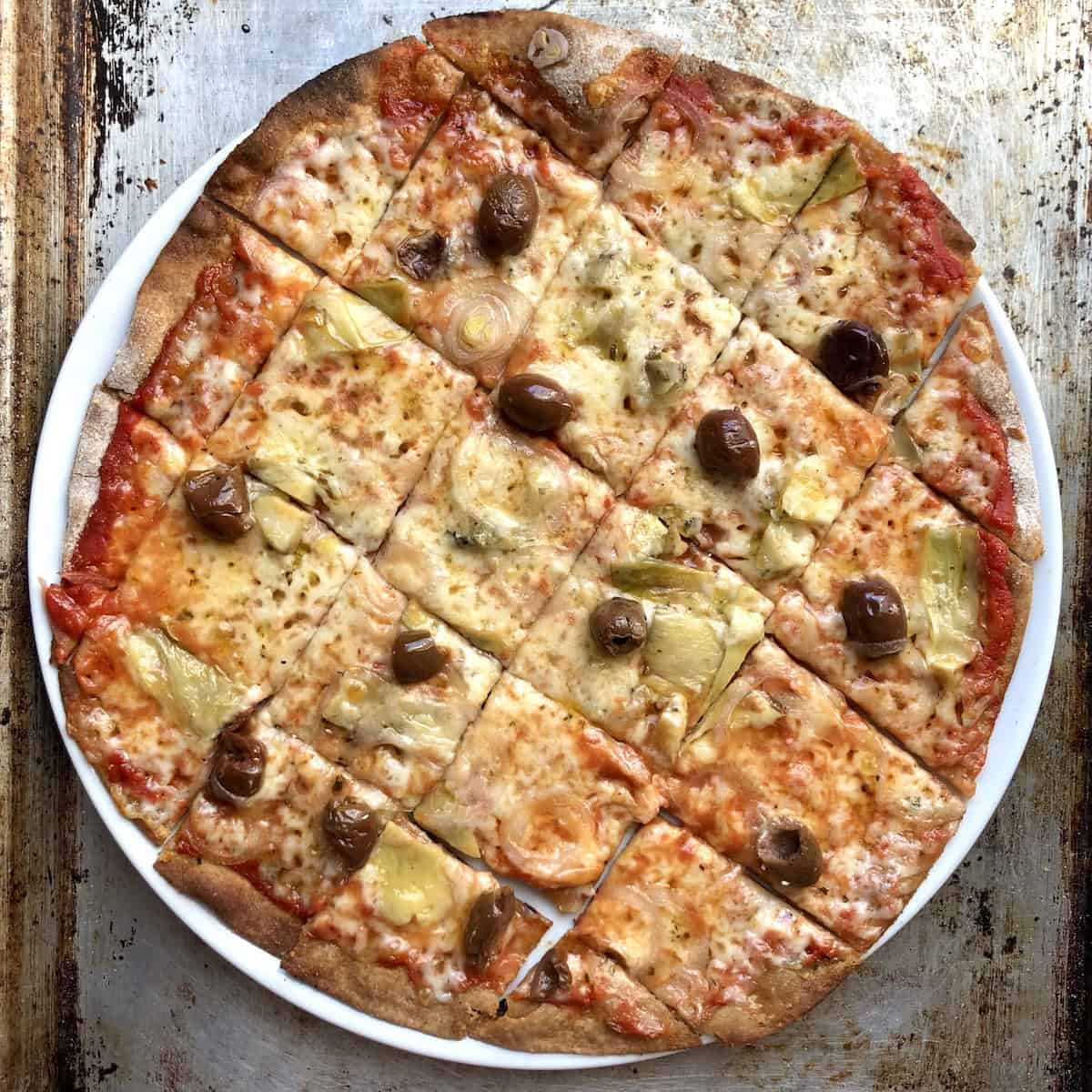
Thin crust pizza dough crisps best with a hot oven and a quick bake time. Stretch dough thinly and avoid heavy toppings for a crunchy bite. Using a pizza stone or steel helps create an even, crispy base.
To achieve a crispy thin crust pizza, focus on specific techniques. The right approach ensures delightful texture. Here, we explore essential methods.Ideal Oven Temperatures
High heat is key for crispy crust. Preheat your oven to 475°F (245°C). This temperature crisps the dough quickly. It also prevents sogginess. Monitor the oven’s heat with a thermometer. Consistent temperature matters for even baking.Baking Surface Options
Choose the right surface for your pizza. A baking sheet can work. But, it may not provide the best crisp. Consider a pizza stone or steel. They conduct heat better. These surfaces create a crunchier crust.Use Of Pizza Stones And Steel
Pizza stones and steel absorb heat well. They transfer heat to the dough efficiently. Preheat them in the oven for 45 minutes. This ensures they reach the desired temperature. Place the pizza on the hot stone or steel directly. This method helps achieve a golden, crispy texture.Baking Time Insights
Monitor baking time for perfect results. Bake the pizza for 8-12 minutes. The edges should turn golden brown. Watch closely to avoid burning. Each oven may vary, so adjust as needed. Enjoy a perfectly crispy thin crust!Troubleshooting Common Issues
Making thin crust pizza dough can be tricky. Some common problems may appear during preparation or baking. Knowing how to fix these issues helps create the perfect pizza every time.
Dough Too Sticky Or Dry
Dough that sticks too much can be hard to shape. This usually means there is too much water or not enough flour. Sprinkle flour little by little and knead gently. Avoid adding too much flour; it makes dough dry and tough.
Dry dough cracks and feels rough. It lacks enough water or was kneaded too long. Add small amounts of water while kneading to soften the dough. Cover the dough with a damp cloth to keep it moist.
Soggy Crust Causes
A soggy crust spoils the pizza’s texture. Too much sauce or wet toppings cause this. Use less sauce and pat dry toppings before placing them on dough. Pre-bake the crust for a few minutes to make it firmer.
Oven temperature is important too. Baking at too low heat keeps crust soft. Heat the oven well before baking. A hot oven makes crust crisp quickly.
Uneven Baking Problems
Uneven baking leads to burnt edges or raw center. This happens when heat is not spread evenly. Use a pizza stone or baking steel to distribute heat better. Place the pizza in the middle of the oven.
Rotate the pizza halfway through baking for even color. Avoid opening the oven door too often; it causes heat loss. Check the pizza often to prevent burning or undercooking.
Tips For Flavor Enhancements
Enhancing the flavor of thin crust pizza dough makes each bite more delicious. Simple changes to the dough can add depth and aroma. Small tweaks in ingredients bring big taste differences. Experimenting with herbs, oils, and flours can improve the dough’s character. These tips help create a dough that stands out.
Adding Herbs And Spices
Mix dried herbs like oregano, basil, or thyme into the flour. Garlic powder or onion powder adds a subtle savory note. Use fresh herbs for a bright, fresh flavor but add them sparingly. A pinch of chili flakes can give the dough a gentle heat. These spices blend well without overpowering the pizza’s toppings.
Incorporating Olive Oil
Olive oil softens the dough and adds a fruity flavor. Replace some water with olive oil for a richer taste. Brush the dough with olive oil before baking for a golden crust. Choose extra virgin olive oil for the best aroma. Olive oil also helps the crust stay crisp longer after baking.
Alternative Flours For Taste
Try blending all-purpose flour with whole wheat for a nutty flavor. Rye or spelt flour adds an earthy taste and chewy texture. Use semolina flour to give the crust a slightly crunchy bite. These flours change the flavor profile without affecting dough rise. Mixing flours lets you customize taste and texture easily.
Credit: bitingatthebits.com
Storing And Reusing Dough
Storing and reusing thin crust pizza dough saves time and reduces waste. Proper storage keeps the dough fresh and ready for your next pizza night. It also helps maintain the dough’s texture and flavor. Knowing the right steps ensures your dough performs well after storage.
Refrigeration Guidelines
Wrap the dough tightly in plastic wrap or place it in an airtight container. Store it in the refrigerator for up to 3 days. Keep the dough cold but avoid freezing it here. Before using, let it rest at room temperature for 30 minutes. This helps the dough relax and stretch easily.
Freezing Dough Properly
Divide the dough into portions for single use. Wrap each portion tightly in plastic wrap and then in aluminum foil. Label with the date to track freshness. Place the wrapped dough in a freezer-safe bag. Freeze for up to 3 months for best quality. Avoid freezing dough with toppings or sauce.
Thawing And Reproofing
Move frozen dough from freezer to refrigerator the night before use. Let it thaw slowly to keep texture intact. After thawing, allow the dough to sit at room temperature for 30 to 60 minutes. Cover it with a damp cloth to prevent drying. This step reactivates the yeast and improves stretchiness.
Frequently Asked Questions
What Ingredients Are Needed For Thin Crust Pizza Dough?
Thin crust pizza dough requires flour, water, yeast, salt, sugar, and olive oil. These ingredients create a crispy, flavorful base.
How Long Should Thin Crust Pizza Dough Rest?
Let the dough rest for at least 1 to 2 hours. This helps the gluten develop and improves texture.
Can I Make Thin Crust Pizza Dough Ahead?
Yes, you can refrigerate the dough for up to 24 hours. This enhances flavor and makes it easier to handle.
How To Roll Thin Crust Pizza Dough Evenly?
Use a rolling pin on a lightly floured surface. Roll from the center outward to maintain an even thickness.
Conclusion
This thin crust pizza dough recipe is simple and tasty. You can make it at home with few ingredients. It bakes quickly and stays crispy. Try different toppings to match your taste. Fresh dough makes pizza more enjoyable. Baking your own pizza saves money and is fun.
Give this recipe a try today. Enjoy fresh, homemade pizza anytime you want!

I’m Abby Lu, a passionate home cook who loves simplifying everyday meals. At PlugChef.com, I share product reviews and cooking guides to help you find the best tools for your kitchen.
Related posts:
 What Type of Cooking Utensils are Safe: Expert Picks
 What Innovations Could Blenders Make: Unleashing Future Tech
 Smart Strategies to Organize a Small Kitchen: Maximize Space
 How to Organize a Kitchen Cabinet: Expert Tips & Tricks
 How to Organize Kitchen Drawers: Expert Tips and Tricks
 How to Organize a Corner Kitchen Cupboard: Expert Tips

