
Are you looking for a simple way to enjoy butternut squash all year round? Frozen butternut squash can be your secret kitchen weapon.
It saves you time, cuts down on waste, and still delivers that sweet, nutty flavor you love. You’ll discover an easy recipe that turns frozen butternut squash into a delicious, healthy dish. Ready to make your meals tastier and easier?
Keep reading—you won’t want to miss these tips and tricks!
Credit: www.thekitchn.com
Benefits Of Using Frozen Butternut Squash
Frozen butternut squash offers many benefits that make it a smart choice for cooking. It keeps the rich flavors and nutrition intact. Using frozen squash saves time and reduces food waste. It fits well into busy lifestyles and helps maintain a healthy diet.
Nutritional Advantages
Freezing butternut squash locks in important vitamins and minerals. It preserves vitamin A, vitamin C, and fiber. These nutrients support eye health, immune function, and digestion. The squash stays fresh without losing its natural goodness. Frozen squash is a healthy option year-round.
Convenience And Storage
Frozen butternut squash is ready to use anytime. No peeling or chopping needed. It comes pre-cut, making meal prep faster. Store it in the freezer for months without spoiling. This reduces trips to the grocery store. It also helps prevent food waste by lasting longer.
Cost-effectiveness
Frozen butternut squash is often cheaper than fresh. It reduces waste because you only use what you need. Buying in bulk saves money over time. No need to worry about spoilage or quick cooking. It offers great value without compromising quality or taste.
Credit: www.wellplated.com
How To Choose And Store Frozen Butternut Squash
Choosing and storing frozen butternut squash properly can make a huge difference in your cooking experience. The quality you pick affects both flavor and texture after cooking. Knowing how to handle frozen squash at home ensures you always have a convenient, delicious ingredient ready to use.
What To Look For In Frozen Packs
Check the packaging carefully. Look for packs that are airtight without any signs of frost or ice crystals inside. These indicate the squash has been kept at a consistent temperature and hasn’t thawed and refrozen.
Choose packs with vibrant orange pieces—dull colors can mean the squash is old or has lost nutrients. Also, check the ingredient list; pure butternut squash without added preservatives or sauces gives you more flexibility in recipes.
Have you ever bought frozen veggies only to find them mushy after cooking? Avoid that by picking smaller, evenly cut pieces. They thaw and cook more evenly, saving you from unpleasant surprises.
Best Practices For Freezing At Home
If you grow your own squash or buy fresh in bulk, freezing it yourself can save money. Start by peeling and cutting the squash into uniform cubes to help with even freezing. Blanch the pieces briefly in boiling water for about 3 minutes, then cool them quickly in ice water to preserve color and texture.
Drain thoroughly and spread the cubes on a baking sheet to freeze individually before transferring them to airtight containers or freezer bags. This prevents clumping, so you can grab just the amount you need without defrosting the whole batch.
Label your containers with the freezing date. While frozen squash can last up to 12 months, using it within 6 months ensures the best flavor.
Proper Thawing Techniques
Thawing frozen butternut squash slowly in the refrigerator overnight is the safest way to maintain texture. Avoid thawing at room temperature, which can cause uneven softening and potential bacterial growth.
If you’re in a hurry, add frozen squash directly to soups or stews without thawing. The cooking liquid will thaw and cook the squash evenly. For recipes like casseroles, thawing in the fridge first prevents excess water from making your dish soggy.
Have you noticed how some frozen veggies turn watery after thawing? Pat the thawed squash dry with a paper towel to remove excess moisture before cooking. This simple step improves texture, especially when roasting or sautéing.
Simple Preparation Tips
Frozen butternut squash cooks quickly and keeps its flavor well. Simply roast or sauté it without thawing for best results. Season lightly to enhance its natural sweetness.
Preparing frozen butternut squash can seem intimidating at first, but with a few simple tips, it can be an effortless addition to your meals. Whether you’re in a rush or planning a leisurely weekend brunch, knowing how to handle frozen squash can save you time and enhance your culinary skills. Let’s dive into some straightforward preparation tips that will make your cooking experience enjoyable and efficient.Quick Thawing Methods
To quickly thaw your frozen butternut squash, consider using your microwave. Place the squash in a microwave-safe bowl and use the defrost setting for a few minutes. Check frequently to ensure it doesn’t start cooking. Alternatively, you can thaw it by placing the bag in a bowl of cold water. This method is slower but helps maintain the texture and flavor.Basic Cooking Techniques
Roasting brings out the natural sweetness of butternut squash. Preheat your oven to 400°F, spread the thawed squash on a baking sheet, and roast for 25-30 minutes. Sautéing is another quick method. Heat a little olive oil in a pan, add the squash, and cook until it’s golden brown. This technique is perfect for adding to salads or pastas.Seasoning Suggestions
Butternut squash pairs well with a variety of spices. Try sprinkling cinnamon and nutmeg for a warm, sweet flavor. For something savory, toss the squash with olive oil, salt, pepper, and rosemary. A dash of paprika can also add a delightful kick. Do you have a favorite seasoning blend you use with squash? Experimenting with different spices can transform this humble vegetable into a crowd-pleaser.Easy Recipes With Frozen Butternut Squash
Frozen butternut squash is a game-changer in the kitchen. It saves time without sacrificing flavor or nutrition. You can quickly whip up delicious meals that feel fresh and homemade. Let’s look at some easy recipes that make the most of frozen butternut squash and fit perfectly into your busy schedule.
Roasted Butternut Squash
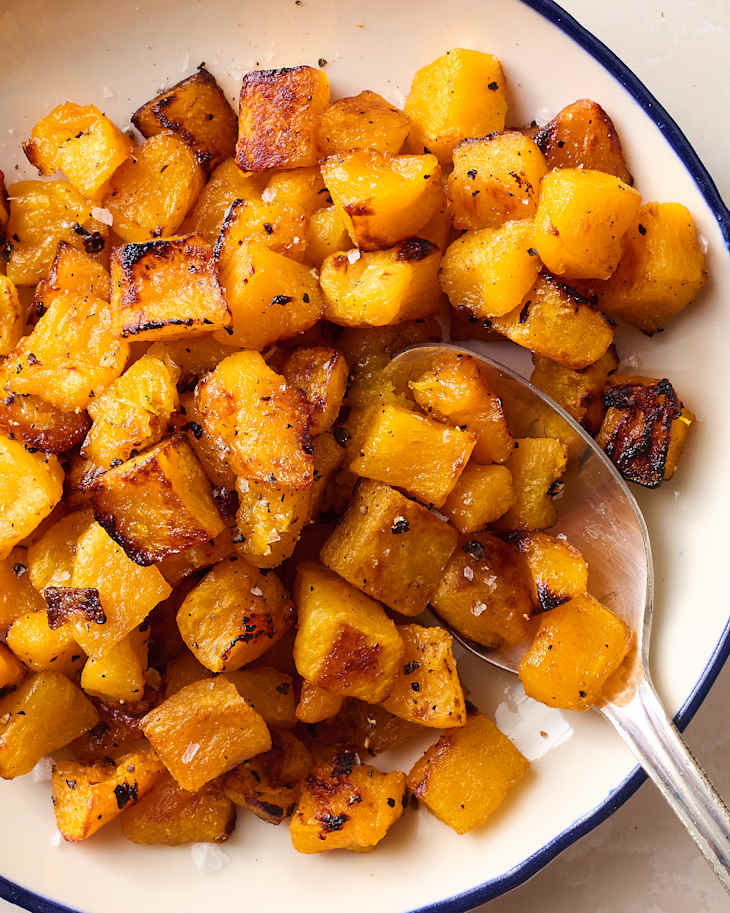
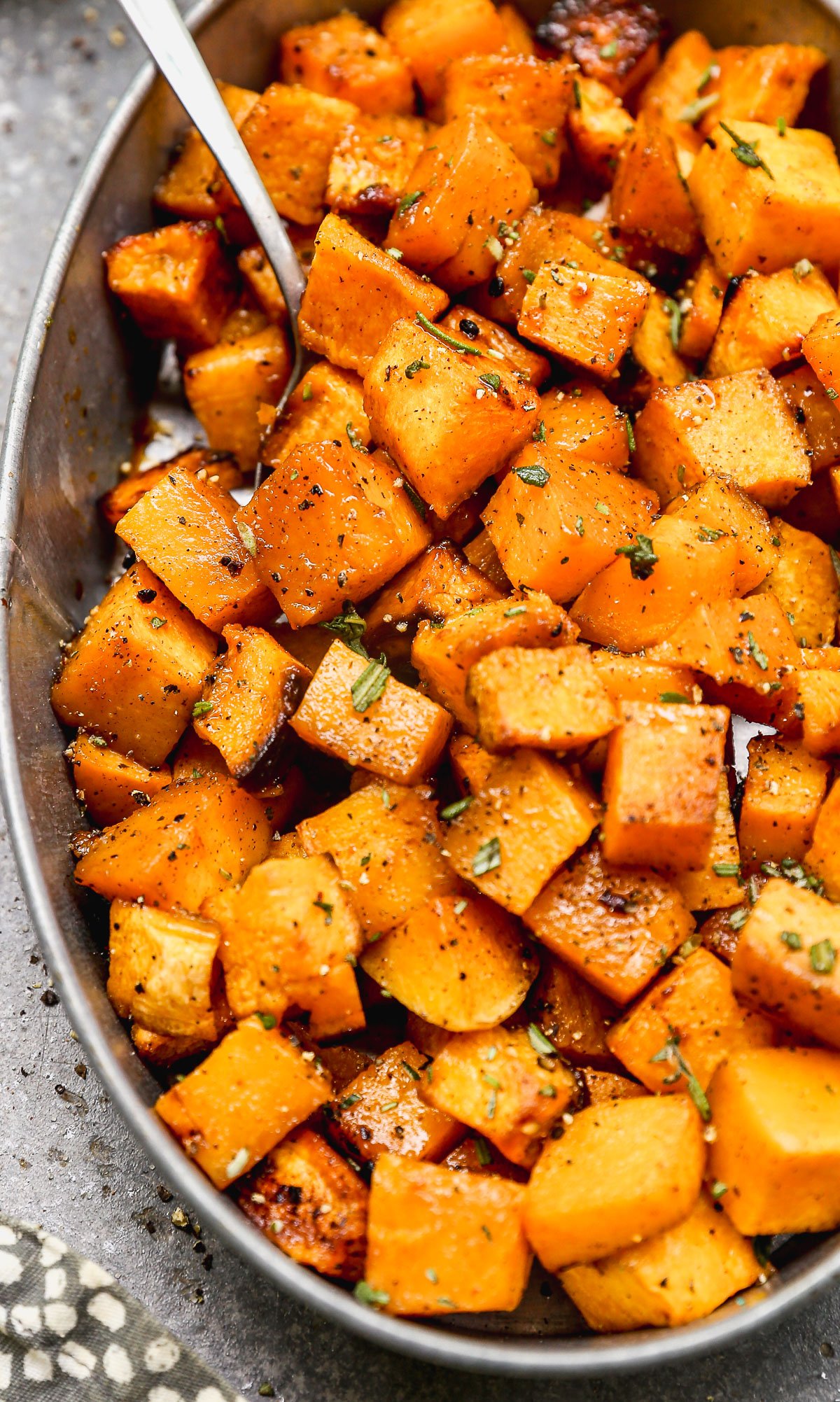
Roasting frozen butternut squash is simple and brings out a natural sweetness. Spread the frozen cubes on a baking sheet, drizzle with olive oil, and sprinkle with salt and pepper. Roast at 400°F (200°C) for about 25-30 minutes until tender and caramelized.
This method adds a crispy texture that’s perfect as a side dish or salad topping. Have you tried adding spices like smoked paprika or cumin for an extra kick? It’s an easy way to customize the flavor without extra effort.
Butternut Squash Soup
Frozen butternut squash blends beautifully into creamy soups. Start by sautéing onions and garlic, then add the squash and vegetable broth. Simmer until everything is soft, and blend until smooth.
A splash of coconut milk or cream can add richness, while a pinch of nutmeg enhances warmth. What’s your favorite soup ingredient to pair with butternut squash? This soup is quick, comforting, and perfect for chilly days.
Butternut Squash Mash
Mashing frozen butternut squash is a fast way to create a comforting side dish. Boil or steam the frozen cubes until tender, then mash with butter, salt, and pepper. You can add a little maple syrup or cinnamon for a sweet twist.
This mash pairs well with roasted meats or as a base for sautéed greens. Have you ever swapped traditional mashed potatoes for butternut squash mash? It’s lighter but just as satisfying.
Butternut Squash Stir-fry
Adding frozen butternut squash to a stir-fry is a smart way to boost color and nutrition. Toss the squash cubes into a hot pan with your favorite veggies, protein, and a splash of soy sauce or teriyaki sauce. Cook until the squash is tender but still holds its shape.
This method keeps your meal quick and packed with flavor. What vegetables do you think complement butternut squash best in a stir-fry? Experimenting with different combinations can keep this dish exciting every time.
Healthy Meal Ideas Featuring Frozen Butternut Squash
Frozen butternut squash is a versatile ingredient that can brighten up your meals while keeping them nutritious. It’s easy to store, quick to cook, and packed with vitamins and fiber. If you want to add more wholesome dishes to your menu, frozen butternut squash is a fantastic choice.
Salads And Bowls
Adding frozen butternut squash to salads or grain bowls gives them a warm, sweet twist. You can roast the squash cubes until tender and toss them with leafy greens, quinoa, and a tangy dressing. The natural sweetness pairs well with ingredients like goat cheese, cranberries, or toasted nuts.
Try mixing it with kale, chickpeas, and a lemon tahini sauce for a filling lunch. Do you prefer crunchy or soft textures in your salads? Roasting frozen squash brings out a nice softness that contrasts well with fresh vegetables.
Vegetarian And Vegan Options
Frozen butternut squash is perfect for vegetarian and vegan meals because it adds body and flavor without extra fat. You can blend it into soups or stews for a creamy texture without cream. It also works great in veggie patties or as a base for vegan mac and cheese.
Cook the squash with spices like cumin and smoked paprika to create a hearty filling for tacos or wraps. Have you ever tried butternut squash as a meat substitute? It’s surprisingly satisfying and keeps dishes light.
Low-calorie Snacks
If you want snacks that won’t weigh you down, frozen butternut squash can help. Simply roast the squash cubes with a sprinkle of cinnamon or chili powder for a flavorful treat. These bites are easy to prepare and perfect for when hunger strikes between meals.
You can also mash cooked squash and spread it on whole-grain toast with a dash of salt and pepper. Would you guess that such simple snacks could be so filling? They prove that healthy doesn’t have to mean boring or bland.

Credit: www.yahoo.com
Tips For Enhancing Flavor And Texture
Enhancing the flavor and texture of frozen butternut squash can turn a simple dish into a delicious treat. Small changes make a big difference. Focus on herbs, spices, ingredient combinations, and cooking times to get the best results.
Using Herbs And Spices
Herbs and spices add depth and aroma to butternut squash. Try fresh rosemary, thyme, or sage for a woodsy touch. Ground cinnamon, nutmeg, or smoked paprika bring warmth and complexity. Use salt and pepper to balance flavors. Sprinkle herbs before roasting or stir spices into mashed squash for even taste.
Combining With Other Ingredients
Pair butternut squash with ingredients that enhance its natural sweetness. Mix in caramelized onions or garlic for savory notes. Add a splash of orange juice or a drizzle of honey for brightness. Combine with creamy elements like coconut milk or cheese to improve texture. Nuts like pecans or walnuts add crunch and contrast.
Cooking Time Adjustments
Adjust cooking time based on the dish and squash size. Roasting at a high temperature crisps edges and deepens flavor. Steaming or boiling requires less time to keep squash tender but firm. Avoid overcooking to prevent mushiness. Check squash texture often to find the perfect balance.
Frequently Asked Questions
How Do I Freeze Butternut Squash Properly?
To freeze butternut squash, peel and cube it first. Blanch the cubes in boiling water for 3 minutes. Then, cool in ice water, drain, and pack into airtight freezer bags. Label and freeze for up to 12 months to maintain freshness.
Can I Freeze Cooked Butternut Squash?
Yes, you can freeze cooked butternut squash. Allow it to cool completely, then place in airtight containers or freezer bags. Freeze for up to 6 months. Thaw in the refrigerator before reheating to maintain texture and flavor.
How Long Does Frozen Butternut Squash Last?
Frozen butternut squash typically lasts 10 to 12 months in the freezer. Proper packaging is essential to avoid freezer burn. Use airtight containers or vacuum-sealed bags for best results. Label with the freezing date for easy tracking.
Do I Need To Blanch Butternut Squash Before Freezing?
Yes, blanching butternut squash before freezing helps preserve color, texture, and nutrients. It stops enzyme actions that cause spoilage. Boil cubes for 3 minutes, then cool quickly in ice water before freezing to ensure quality.
Conclusion
Frozen butternut squash is easy to prepare and delicious to eat. It saves time and reduces waste in your kitchen. You can add it to soups, stews, or roast it for a tasty side dish. This recipe helps you enjoy fresh squash all year long.
Give it a try and enjoy the simple, healthy flavors. Cooking with frozen vegetables can be quick and fun. Healthy meals do not need to be complicated or long to make.

Hi, I’m Daniel Brooks—a food lover and kitchen gear enthusiast. I enjoy testing cookware, utensils, and gadgets to see what really works in everyday cooking. At PlugChef.com, I share honest reviews, comparisons, and simple guides to help you choose the best tools for a safer, smarter, and more enjoyable kitchen.
Related posts:
 What Type of Cooking Utensils are Safe: Expert Picks
 What Innovations Could Blenders Make: Unleashing Future Tech
 Smart Strategies to Organize a Small Kitchen: Maximize Space
 How to Organize a Kitchen Cabinet: Expert Tips & Tricks
 How to Organize Kitchen Drawers: Expert Tips and Tricks
 How to Organize a Corner Kitchen Cupboard: Expert Tips