

If you want to make creamy, delicious almond milk at home, raw almonds are your best friend. Using raw almonds gives your almond milk a fresh, natural taste that store-bought versions often lack.
But there’s more to it than just flavor—raw almonds help you control exactly what goes into your milk, making it healthier and free from unwanted additives. Ready to discover why raw almonds are key to the perfect almond milk and how they can transform your homemade drink?
Keep reading, and you’ll learn simple tips that anyone can follow to enjoy fresh almond milk anytime.
Benefits Of Raw Almonds
Raw almonds are more than just a crunchy snack—they are a powerhouse ingredient for making almond milk that truly stands out. Using raw almonds ensures you retain their natural goodness, which directly influences the quality of your homemade almond milk. Understanding the benefits of raw almonds can help you make better choices for your health and taste buds.
Nutritional Value
Raw almonds are packed with essential nutrients that your body needs daily. They contain healthy fats, protein, fiber, vitamins E and B2, and minerals like magnesium and calcium. These nutrients stay intact when almonds are raw, giving your almond milk a rich nutritional profile.
Ever noticed how store-bought almond milk often lacks that satisfying fullness? It’s usually because processed almonds lose many nutrients during roasting or pasteurization. Using raw almonds means you get a more nutrient-dense milk that supports your energy and overall well-being.
Flavor Impact
Raw almonds offer a naturally sweet and mild flavor that makes your almond milk taste fresh and clean. Roasted almonds can introduce a bitter or overly nutty taste, which might not blend well with other ingredients. You want your almond milk to be smooth and slightly sweet, and raw almonds deliver just that.
Think about the last time you tasted almond milk made from raw almonds versus store-bought varieties. Did you notice the difference in freshness and subtle nuttiness? This simple choice can transform your almond milk from ordinary to delicious.
Health Advantages
Choosing raw almonds for almond milk means you’re avoiding added oils or salt often found in roasted nuts. Raw almonds retain their antioxidants, which help fight inflammation and support heart health. They also promote better digestion thanks to their natural fiber content.
Have you ever felt bloated after drinking commercial almond milk? It might be due to additives or processed almonds. Raw almonds help keep your almond milk clean and gentle on your stomach, making it a healthier option for daily hydration and nutrition.
Choosing Quality Almonds
Choosing quality raw almonds is key to making delicious, creamy almond milk. The type and freshness of almonds you pick directly affect the flavor and texture of your milk. Paying attention to where and how your almonds are sourced can transform your homemade almond milk experience.
Organic Vs. Conventional
Deciding between organic and conventional almonds can impact your health and taste preferences. Organic almonds are grown without synthetic pesticides and fertilizers, which some people find reassuring. Conventional almonds might be cheaper but often come with chemical residues that can alter the flavor of your milk.
Have you ever noticed a slightly bitter aftertaste in your almond milk? That could be from conventional almonds treated with pesticides. Choosing organic almonds can give you a purer, cleaner milk taste.
Freshness And Storage Tips
Fresh almonds make fresher, richer almond milk. Old or stale almonds can produce milk with a flat or rancid flavor. Always check the smell and texture before use; fresh almonds smell nutty and feel firm.
Store almonds in an airtight container in a cool, dark place to keep them fresh longer. Refrigeration or freezing extends their shelf life and preserves their oils. Have you ever tasted almond milk made from almonds that were past their prime? It’s a flavor lesson worth remembering.
Sourcing Locally
Buying almonds from local farmers or markets often means fresher nuts and more transparent sourcing. Local almonds usually travel shorter distances, reducing exposure to heat and humidity that can degrade quality. Supporting local growers also encourages sustainable farming practices.
Ask your local vendor about their harvesting and storage methods. This simple question can help you select almonds that produce the best milk. Wouldn’t you prefer to know exactly where your almonds come from and how they were cared for?
Preparing Almonds For Milk
Preparing almonds for almond milk is a simple yet crucial process. The right preparation ensures smooth, creamy, and delicious almond milk. Let’s explore some effective techniques to get your almonds ready.
Soaking Techniques
Soaking softens almonds and enhances nutrient absorption. Place almonds in a bowl. Cover them with water. Let them soak overnight or for at least 8 hours. For quicker results, use hot water to soak for 1-2 hours. This method speeds up the process. Always drain and rinse the almonds well after soaking.
Peeling Options
Peeling almonds can improve the texture of your milk. After soaking, the skins slip off easily. Pinch each almond to remove the skin. If you prefer a smoother milk, peeling is a good choice. Some people choose to blend with skins for added fiber.
Blending Tips
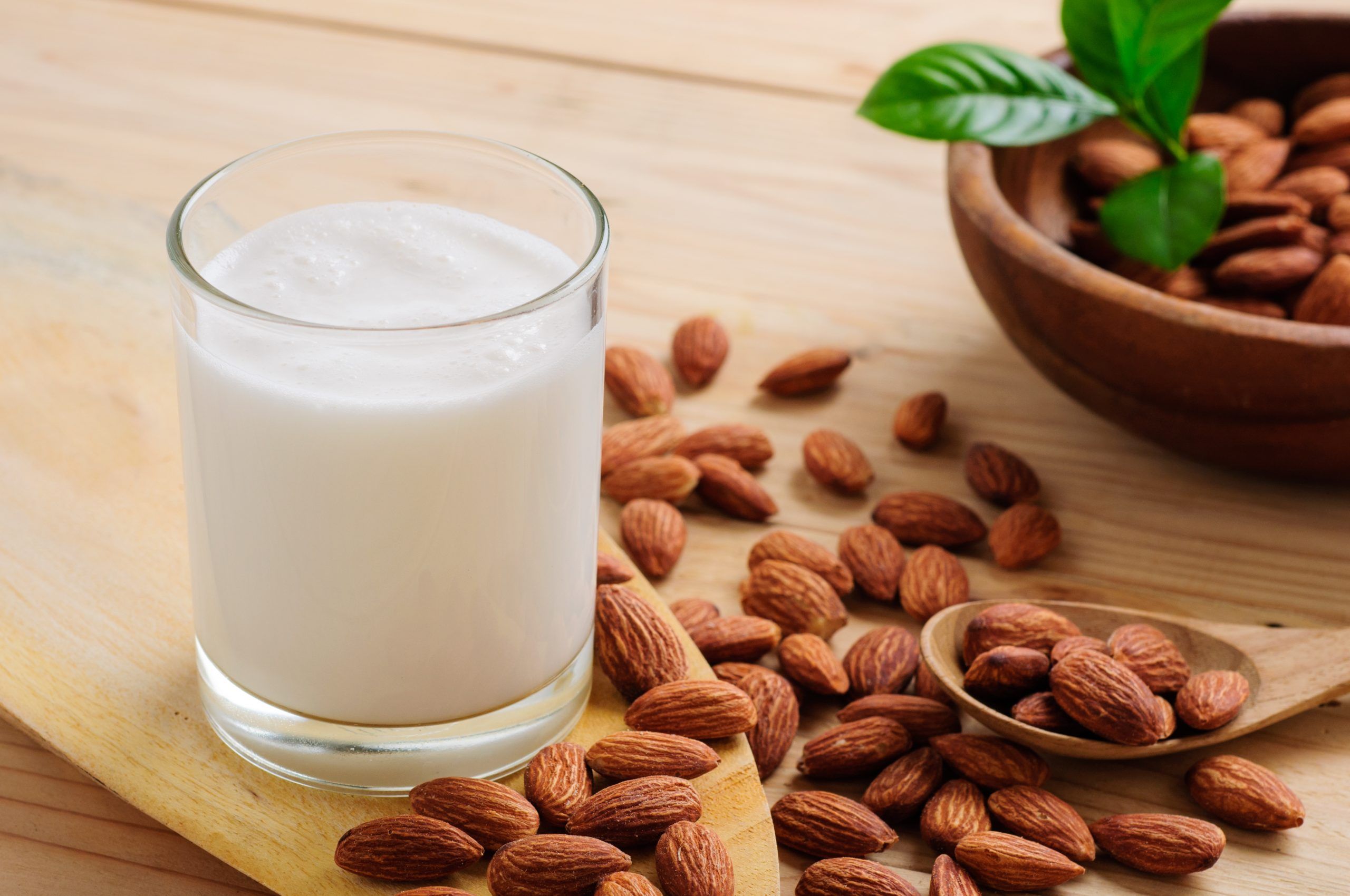
For creamy almond milk, use a high-speed blender. Add soaked almonds and fresh water. The ratio is usually 1 cup almonds to 4 cups water. Blend until smooth and creamy, about 1-2 minutes. Strain the mixture using a nut milk bag or cheesecloth. Squeeze well to extract all the liquid. This step ensures a silky texture.
Credit: www.almondking.in
Step-by-step Almond Milk Recipe
Making almond milk at home using raw almonds is simpler than you might think. It’s a rewarding process that lets you control the ingredients and tailor the taste to your liking. Let’s walk through the steps so you can enjoy fresh, creamy almond milk anytime.
Ingredients Needed
- Raw almonds:1 cup (soaked overnight)
- Water:4 cups for blending plus extra for soaking
- Optional sweeteners:honey, maple syrup, or dates
- Optional flavorings:vanilla extract or a pinch of salt
Using raw almonds is key because they give the milk a fresh, nutty flavor. Soaking softens them, making the blending process much easier and the milk creamier.
Blending Process
Drain and rinse your soaked almonds thoroughly before adding them to the blender. Pour in 4 cups of fresh water and start blending on high speed.
You want to blend for about 2 minutes or until the mixture looks smooth and creamy. If you like, add sweeteners or flavorings at this point and blend again briefly to mix everything well.
Straining Methods
After blending, you need to strain the almond milk to separate the pulp. A nut milk bag works best—just pour the mixture inside, squeeze gently, and watch the milk flow out.
If you don’t have a nut milk bag, use a fine mesh strainer lined with cheesecloth. It might take more effort, but the result is equally satisfying.
Keep the leftover pulp to add to your baking or smoothies—nothing goes to waste!
Customizing Your Almond Milk
Raw almonds provide a fresh base for homemade almond milk. Customizing almond milk lets you suit your taste and needs. You can change sweetness, thickness, and shelf life easily.
Sweeteners And Flavors
Sweetening almond milk enhances its natural nutty taste. Use natural options like:
- Honey
- Maple syrup
- Dates
- Agave nectar
For extra flavor, add vanilla extract or cinnamon. These make your milk more enjoyable without overpowering the almonds.
Thickening Agents
Some prefer thicker almond milk for cooking or drinking. Add these to improve texture:
- Chia seeds (soaked)
- Oats (blended)
- A small amount of soaked cashews
- A pinch of xanthan gum
These thickeners add creaminess and body without changing flavor much.
Storage And Shelf Life
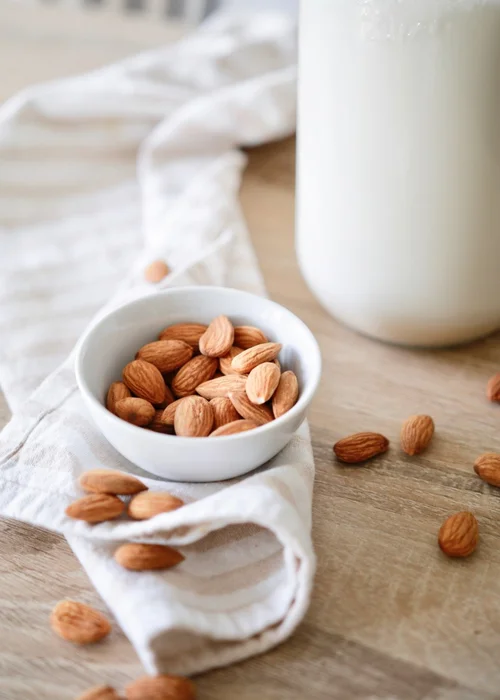
Store almond milk in a clean, airtight container in the fridge. It stays fresh for 3 to 5 days. Shake well before use because natural separation happens.
Freezing almond milk is possible but may change texture. Thaw in the fridge and stir before drinking. Always check smell and taste before use to avoid spoilage.
Credit: www.meghanlivingstone.com
Common Mistakes To Avoid
Making almond milk at home is simple, but there are a few common mistakes that can spoil the taste and texture. Avoiding these errors will help you get smooth, creamy milk every time. Let’s look at some pitfalls you should watch out for when using raw almonds.
Over-blending
It’s easy to think blending longer will make your almond milk smoother, but over-blending can actually cause bitterness. The almonds release more oils and tiny particles, which may create a gritty or chalky texture. Try blending just until the almonds are fully broken down—usually about 1 to 2 minutes is enough.
If you notice your milk tastes slightly bitter or feels grainy, consider reducing your blending time. Does your blender have a pulse function? Use it to control the consistency better.
Improper Soaking
Soaking raw almonds softens them, making it easier to extract creamy milk. Skipping this step or soaking for too short a time results in harder nuts that don’t blend well. On the other hand, soaking for too long can cause a sour taste or fermentation.
Typically, soaking almonds overnight (8-12 hours) in cool water works best. Rinse them well before blending to remove any residue. Have you ever tried soaking almonds in warm water? It speeds up the process, but be careful not to overdo it.
Ignoring Freshness
Freshness is key to good almond milk. Using stale or rancid almonds will give your milk an unpleasant flavor and odor. Always check the smell and look of your almonds before making milk.
Store your raw almonds in an airtight container in a cool, dark place or refrigerator to extend shelf life. If you notice any off smells or discoloration, it’s better to discard them. How often do you refresh your almond supply?
Using Almond Milk In Recipes
Almond milk is a versatile ingredient that enhances many recipes. It adds a mild nutty flavor and creamy texture. Using raw almonds to make almond milk ensures freshness and rich taste. This milk works well in sweet and savory dishes. It is also a great dairy-free alternative.
Baking Tips
Almond milk can replace cow’s milk in most baking recipes. Use it in cakes, muffins, and cookies for a subtle nutty taste. It keeps baked goods moist and tender. Choose unsweetened almond milk to control sugar levels. For best results, add it at room temperature. It blends well with vanilla, cinnamon, and other spices.
Smoothies And Drinks
Almond milk is perfect for smoothies and shakes. It mixes easily with fruits like bananas and berries. Use it to create creamy coffee or hot chocolate. Its light texture makes drinks refreshing, not heavy. Try blending almond milk with cocoa powder and a pinch of cinnamon. It adds flavor without extra calories.
Savory Dishes
Use almond milk to lighten creamy soups and sauces. It works well in pasta dishes and curries. Almond milk can replace cream in mashed potatoes and casseroles. It adds richness without the extra fat. Season with herbs and spices to balance the nutty flavor. It also pairs well with vegetables and grains.
Sustainability And Almond Milk
Almond milk has become popular as a dairy alternative. Many choose it for taste and health. Sustainability plays a key role in almond milk production. Understanding its impact helps make better choices.
Environmental Impact
Growing almonds uses water and land. It requires less water than cow’s milk but more than other plant milks. Farmers work to reduce water use. They also manage soil health to protect nature. Growing almonds near water sources can strain local supplies. Choosing almonds from dry regions affects the environment differently.
Waste Reduction Ideas
Making almond milk creates leftover pulp. This pulp can be reused, not thrown away. Use it in baking or cooking for fiber and flavor. Composting pulp returns nutrients to soil. Store almond milk in glass bottles to reduce plastic waste. Buy almonds in bulk to cut packaging waste.
Supporting Ethical Farms
Ethical farms focus on fair worker treatment and environmental care. They use sustainable farming methods. Supporting these farms helps protect communities and nature. Look for certifications that show ethical practices. Buying direct from farmers or local markets can support them more. Ethical farms often produce higher quality almonds.

Credit: twocityvegans.com
Frequently Asked Questions
What Are The Benefits Of Using Raw Almonds For Almond Milk?
Raw almonds retain natural nutrients like vitamin E and healthy fats. They create a creamier, fresher almond milk taste compared to roasted almonds.
How To Prepare Raw Almonds For Almond Milk?
Soak raw almonds in water for 8-12 hours. This softens them, making it easier to blend and improves milk texture.
Can Raw Almonds Cause Allergic Reactions In Almond Milk?
Yes, raw almonds can trigger allergies for sensitive individuals. Always check for almond allergies before consuming almond milk.
Is Homemade Almond Milk From Raw Almonds Healthier?
Homemade almond milk is fresher and free from additives. It preserves more nutrients than store-bought varieties with preservatives.
Conclusion
Raw almonds make almond milk fresh and healthy. They give a rich, natural taste that store-bought milk lacks. Making almond milk at home lets you control ingredients and avoid additives. It’s simple and saves money over time. Plus, raw almonds provide good nutrients and healthy fats.
Try soaking them overnight for the best texture and flavor. Homemade almond milk suits many diets and tastes great in drinks or recipes. Start with raw almonds for a pure, tasty milk you can enjoy daily.

I’m Abby Lu, a passionate home cook who loves simplifying everyday meals. At PlugChef.com, I share product reviews and cooking guides to help you find the best tools for your kitchen.
Related posts:
 What Type of Cooking Utensils are Safe: Expert Picks
 What Innovations Could Blenders Make: Unleashing Future Tech
 Smart Strategies to Organize a Small Kitchen: Maximize Space
 How to Organize a Kitchen Cabinet: Expert Tips & Tricks
 How to Organize Kitchen Drawers: Expert Tips and Tricks
 How to Organize a Corner Kitchen Cupboard: Expert Tips

