
Are you ready to add a burst of flavor to your meals? A pickle recipe with dill seed is just what you need.
It’s simple, tasty, and perfect for anyone who loves that fresh, tangy crunch. Imagine biting into a crisp pickle that’s perfectly seasoned with the unique aroma of dill seed. This recipe will show you how to make it at home, using easy steps and common ingredients.
By the end, you’ll have a jar full of delicious pickles that will make your snacks and sandwiches unforgettable. Keep reading, and discover the secret to creating your own dill seed pickles today!
Ingredients For Dill Seed Pickles
Choosing the right ingredients is key to making delicious dill seed pickles. The fresh vegetables, spices, and brine all work together to create that perfect tangy crunch you crave. Let’s break down what you need to gather before you start pickling.
Fresh Vegetables Selection
Pickling starts with fresh, crisp vegetables. Cucumbers are the classic choice, but you can also try green beans, carrots, or cauliflower. Look for firm, blemish-free vegetables to ensure your pickles stay crunchy.
Have you noticed how fresh cucumbers snap when you bite into them? That snap translates into a satisfying pickle texture. Avoid soft or overripe veggies—they’ll turn mushy after pickling.
Essential Spices And Herbs
Dill seed is the star here, lending a distinct, slightly bitter flavor that sets these pickles apart. Along with dill seed, you might want to add garlic cloves, mustard seeds, black peppercorns, and bay leaves to deepen the flavor.
Adding a few sprigs of fresh dill enhances the aroma and taste. Don’t underestimate the power of a balanced spice mix—it can turn simple cucumbers into a flavor-packed snack. What’s your favorite spice to add to pickles?
Brine Components
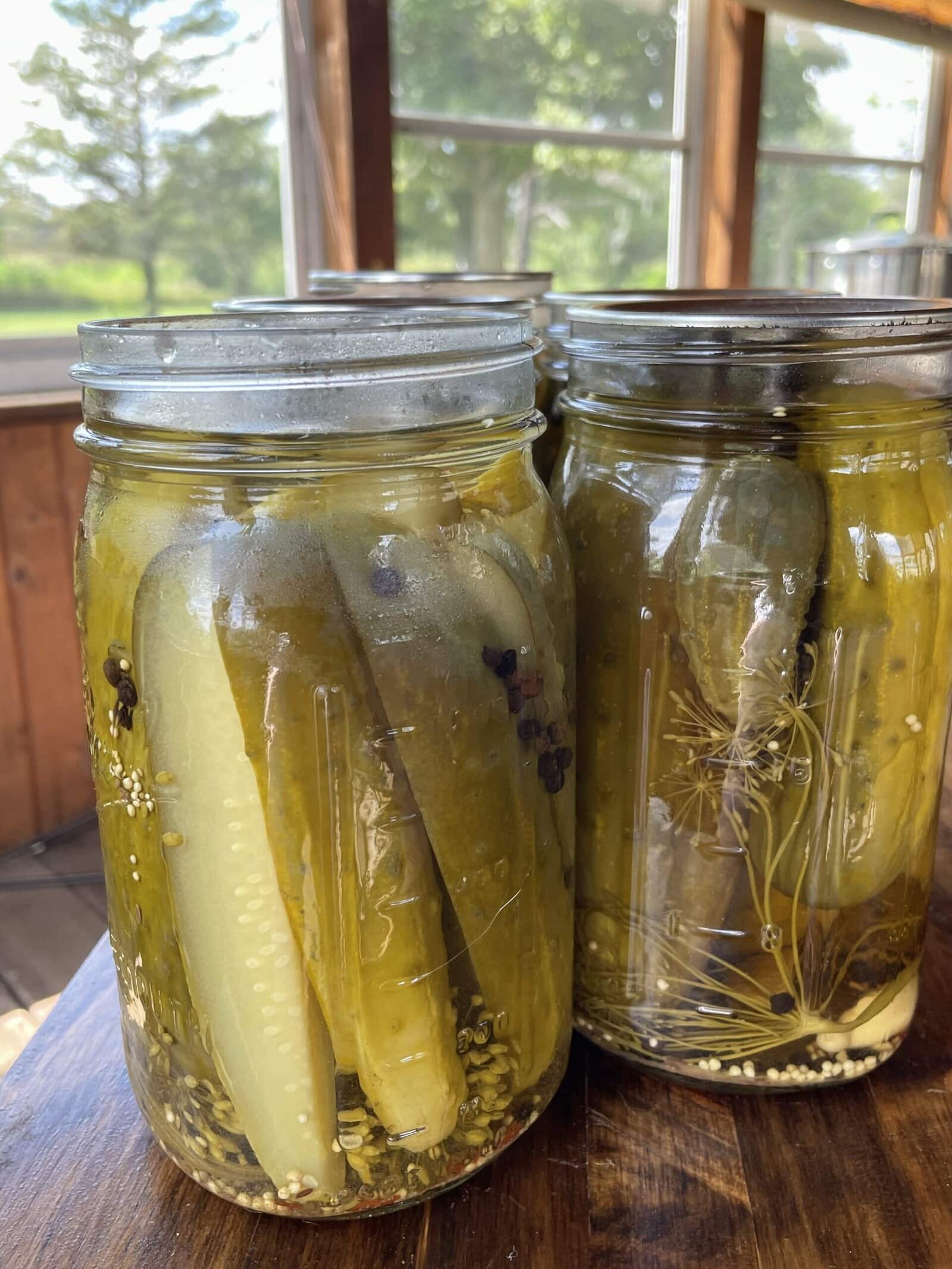
The brine is the liquid that preserves and flavors your pickles. You’ll need water, vinegar, and salt as the base. White vinegar is common, but apple cider vinegar adds a fruity twist.
Use pickling salt or kosher salt to avoid cloudiness in your brine. Sugar is optional but can balance the acidity if you prefer a slightly sweeter pickle. Have you experimented with different vinegar types in your pickling?
Credit: homelyhens.com
Preparing Vegetables For Pickling
Preparing vegetables properly is key to making the perfect dill seed pickles. The right washing and cutting techniques help keep the vegetables fresh and flavorful. Plus, maintaining their crunchiness ensures every bite is satisfying.
Washing And Cutting Techniques
Start by rinsing your vegetables under cold running water. This removes dirt and any unwanted residues without damaging the skin. Use a soft brush for tougher vegetables like cucumbers to get rid of stubborn dirt.
Cut your vegetables evenly to ensure they pickle uniformly. If you’re making spears, slice cucumbers into quarters lengthwise. For slices, keep them about ¼ inch thick—thin enough to absorb flavors, but thick enough to stay firm.
Have you ever noticed how uneven cuts can cause some pieces to get soggy while others stay hard? Consistency is important here to balance texture and taste.
Maintaining Crunchiness
To keep your pickles crunchy, start with the freshest vegetables you can find. Freshness directly affects texture after pickling.
Adding a pinch of calcium chloride or grape leaves to your jar can help retain crunch. These natural firming agents prevent your vegetables from turning mushy.
Another trick is to avoid over-soaking the vegetables before pickling. Soaking draws out water but can also lead to limp veggies. Instead, dry them well after washing and proceed quickly to the pickling step.
Have you tried chilling your jars before filling them? Cooler temperatures help snap in the crunch right from the start.
Making The Dill Seed Brine
Creating the perfect dill seed brine is key for tasty pickles. This brine brings out the crisp and tangy flavors everyone loves. Let’s explore how to make it step by step.
Balancing Vinegar And Water
The right balance between vinegar and water is crucial. Use equal parts for a strong base. This ratio ensures your pickles are tangy and flavorful. White vinegar works best for clarity. It keeps the brine clear and appealing.
Adding Dill Seeds And Flavorings
Dill seeds are the star ingredient. They give the brine its signature taste. Add a tablespoon of dill seeds per cup of liquid. For extra flavor, consider garlic cloves or mustard seeds. They enhance the brine’s complexity. Peppercorns add a subtle spice, if desired. Mix the ingredients well to distribute flavors evenly.
Pickling Process Step-by-step
The pickling process brings fresh cucumbers to vibrant, tangy pickles. Each step is important to ensure crispness and flavor. This guide breaks down the process clearly. Follow these steps for perfect pickles with dill seed every time.
Sterilizing Jars
Clean jars prevent bacteria growth. Wash jars and lids with hot, soapy water. Rinse well to remove soap. Place jars in boiling water for 10 minutes. Let them dry on a clean towel. Use sterilized jars to keep pickles safe and fresh.
Packing Vegetables
Choose fresh cucumbers that are firm and small. Cut if needed, or keep whole for crunch. Add fresh dill seed for aroma and taste. Pack vegetables tightly but without crushing. Leave some space at the top for brine. Proper packing keeps pickles crunchy and tasty.
Pouring Brine
Prepare brine with water, vinegar, salt, and dill seed. Heat brine until salt dissolves completely. Pour hot brine over packed vegetables in jars. Fill to cover all vegetables fully. Remove air bubbles by gently tapping jars. Seal jars with lids to lock in flavor.
Tips For Achieving Tangy Flavor
Getting the perfect tangy flavor in your pickle recipe with dill seed can truly elevate your homemade pickles. The balance of sourness is key to making your pickles pop with flavor without overwhelming your palate. Small tweaks to ingredients like vinegar and spices can make a big difference in that zingy taste you’re aiming for.
Adjusting Vinegar Levels
Vinegar is the heart of any pickle’s tang. If your pickles taste too sharp, try reducing the vinegar slightly and compensating with water to mellow the acidity.
On the flip side, if you want more punch, increase the vinegar but do it gradually. Start with small changes—adding just a tablespoon more per batch can shift the flavor noticeably.
Have you ever tasted a pickle that felt too sour? That’s often a vinegar imbalance. Finding the right ratio for your taste is a simple but powerful way to control tanginess.
Adding Garlic And Mustard Seeds
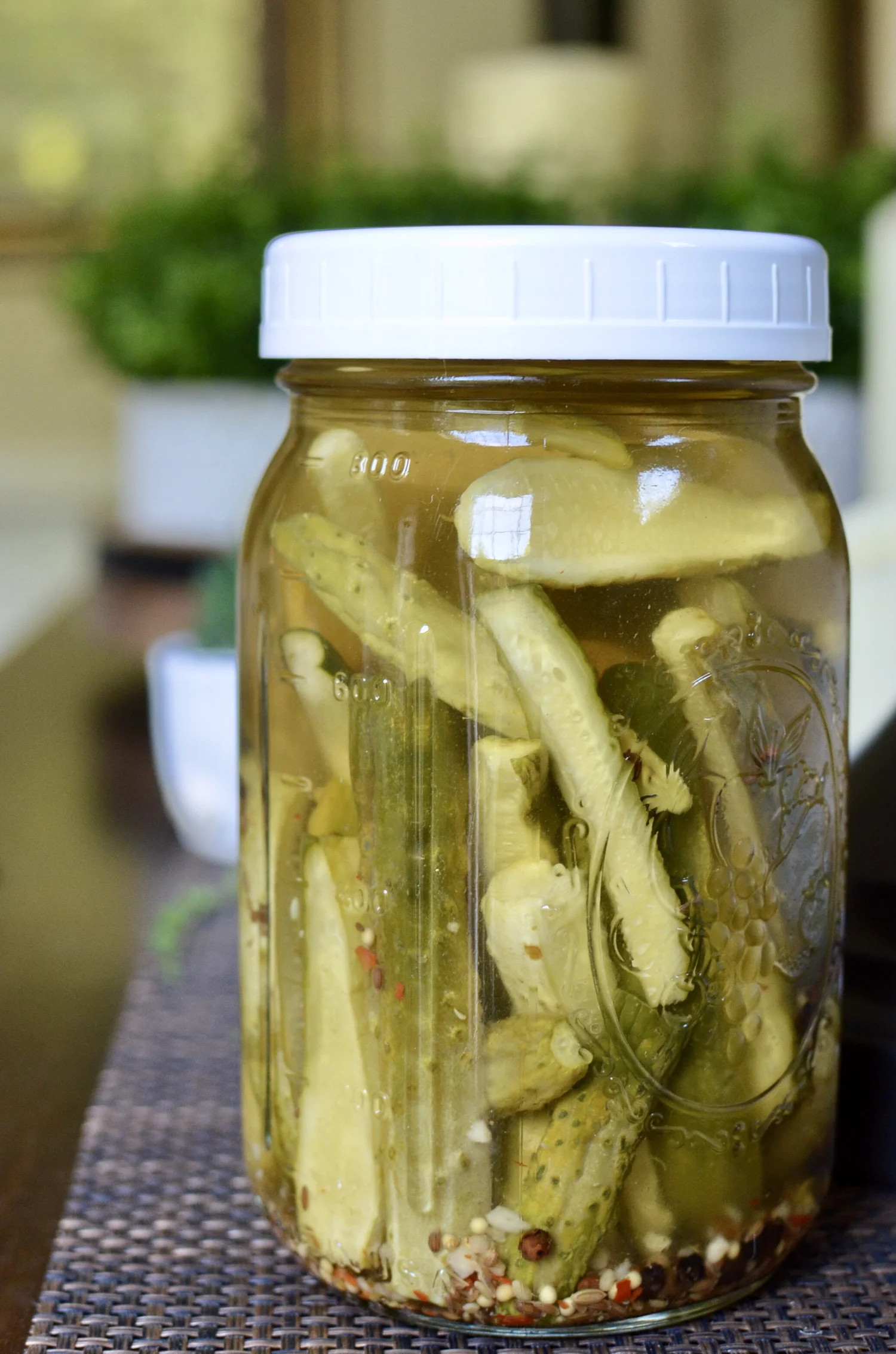
Garlic and mustard seeds are secret weapons for adding depth and complexity to the tangy profile. Garlic adds a subtle bite that complements the vinegar’s sharpness, while mustard seeds bring a slight spicy warmth.
I once added a few extra cloves of garlic and a teaspoon of mustard seeds to my dill seed pickle recipe and the result was a tangy, aromatic punch that kept everyone asking for more.
Try toasting the mustard seeds lightly before adding them—this unlocks their flavor and adds a nutty note. Do you think your pickles could use a little extra zing? These spices might be the answer.
Credit: www.butteryum.org
Storing And Aging Pickles
Storing and aging your pickles properly can make all the difference in flavor and texture. The right conditions allow the dill seeds and other spices to fully infuse the cucumbers, creating that perfect tangy crunch you crave. Understanding how to store and when to enjoy your pickles will help you get the most out of your homemade batch.
Optimal Storage Conditions
Keep your pickles in a cool, dark place like a pantry or cellar. Avoid direct sunlight, which can degrade the quality and flavor over time.
Use airtight glass jars to prevent exposure to air, which can cause spoilage. Plastic containers might absorb odors and affect taste.
Make sure the pickles are fully submerged in brine to stop mold and ensure even fermentation. If you see any bubbles or foam, it’s a sign that fermentation is active and healthy.
Timing For Best Taste
Patience is key. Freshly made pickles can taste good after just a few days, but waiting at least 2 to 4 weeks lets the dill seeds release their full flavor.
Check your pickles every few days to notice how the taste changes. You might prefer a sharper bite or a milder, more mellow flavor depending on your preference.
Have you ever wondered why some pickles taste better over time? The answer lies in the slow breakdown of cucumbers and the gradual blending of spices. Give your batch time to develop; your taste buds will thank you.
Creative Variations And Serving Ideas
Exploring creative variations of dill seed pickles opens a world of flavor possibilities. Small changes to the basic recipe can bring exciting new tastes and textures. These variations keep your pickles fresh and interesting for every meal.
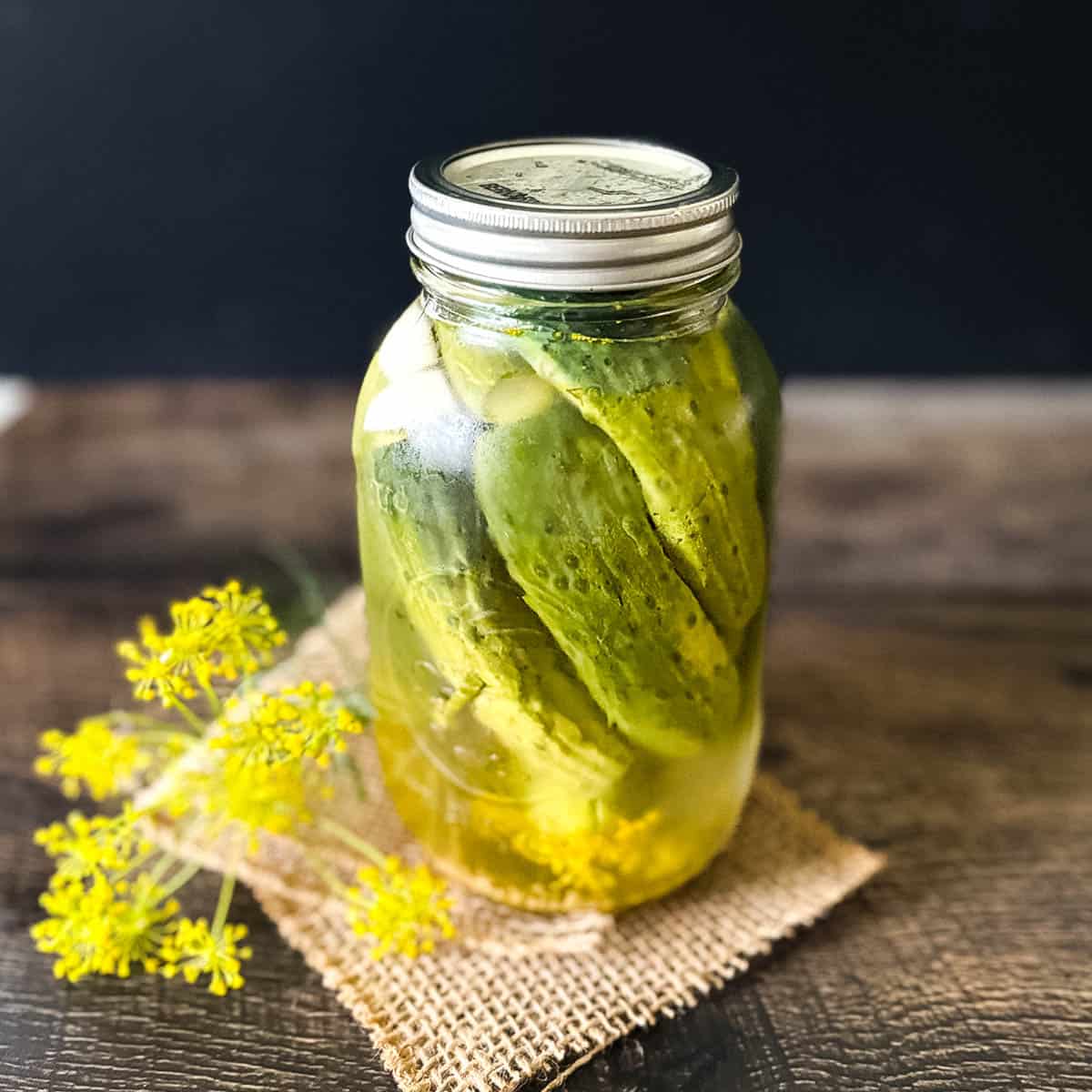
Serving ideas also enhance the pickle experience. Dill seed pickles can complement many dishes and snacks. Simple pairings create a balance of flavors that delight the palate.
Spicy Dill Seed Pickles
To make spicy dill seed pickles, add chili flakes or sliced jalapeños to the brine. The heat blends well with the herbal notes of dill seed. Try these tips:
- Use fresh chili peppers for a sharp, bright spice.
- Add a pinch of black peppercorns for extra warmth.
- Adjust spice levels to suit your taste.
- Let pickles sit longer for deeper flavor infusion.
Spicy pickles pair perfectly with grilled meats or sandwiches. The heat cuts through fatty, rich foods.
Pairing With Meals
Dill seed pickles add crunch and zest to many dishes. They work well with:
- Cheese and charcuterie boards.
- Burgers and hot dogs.
- Salads, especially potato or tuna salad.
- Roasted or grilled vegetables.
- Cold cuts and deli sandwiches.
Serve pickles as a side or garnish to brighten flavors. Their tangy crunch refreshes the palate between bites.
Credit: www.windingcreekranch.org
Frequently Asked Questions
What Makes Dill Seed Ideal For Pickle Recipes?
Dill seed adds a unique, aromatic flavor to pickles. It enhances the tanginess and gives a subtle earthy taste. Its natural oils help preserve the cucumbers. Dill seed also balances the vinegar’s sharpness, creating a well-rounded, delicious pickle.
How Long Should Pickles With Dill Seed Ferment?
Pickles with dill seed typically ferment for 3 to 7 days. The exact time depends on temperature and desired sourness. Cooler temperatures slow fermentation, while warmer conditions speed it up. Taste your pickles daily to find the perfect tang.
Can I Use Dill Seed Instead Of Fresh Dill?
Yes, dill seed can replace fresh dill in pickles. It provides a stronger, more concentrated flavor. Use about half the amount of dill seed compared to fresh dill. This substitution works well for long-lasting storage and consistent taste.
What Type Of Cucumbers Work Best For Dill Seed Pickles?
Pickling cucumbers are best for dill seed pickles. They are smaller, firmer, and have fewer seeds. Their crisp texture holds well during fermentation. English cucumbers are less ideal due to their higher water content.
Conclusion
Dill seed adds a fresh, tangy flavor to your pickles. This simple recipe brings out the best in cucumbers. You can enjoy these pickles as a snack or side dish. Homemade pickles taste better and last longer than store-bought ones.
Try this easy dill seed pickle recipe today. It’s a great way to add taste to any meal. Give your kitchen a delicious and healthy twist. Enjoy the crisp, zesty crunch with every bite.

Hi, I’m Daniel Brooks—a food lover and kitchen gear enthusiast. I enjoy testing cookware, utensils, and gadgets to see what really works in everyday cooking. At PlugChef.com, I share honest reviews, comparisons, and simple guides to help you choose the best tools for a safer, smarter, and more enjoyable kitchen.
Related posts:
 What Type of Cooking Utensils are Safe: Expert Picks
 What Innovations Could Blenders Make: Unleashing Future Tech
 Smart Strategies to Organize a Small Kitchen: Maximize Space
 How to Organize a Kitchen Cabinet: Expert Tips & Tricks
 How to Organize Kitchen Drawers: Expert Tips and Tricks
 How to Organize a Corner Kitchen Cupboard: Expert Tips