

Have you ever wondered what makes peanut butter so delicious and satisfying? What if you could make your own, starting with raw peanuts?
Imagine the rich, fresh taste and the control you’d have over every ingredient. Making peanut butter from raw peanuts isn’t just easy—it’s a way to enjoy a healthier, more natural snack. You’ll discover simple steps to create creamy, fresh peanut butter right in your kitchen.
Ready to transform your peanut butter experience? Let’s dive in!
Choosing Raw Peanuts
Choosing the right raw peanuts is key to making fresh, tasty peanut butter. Peanuts vary in size, taste, and texture. Picking the best type ensures good flavor and smoothness. Quality raw peanuts also affect how long your peanut butter lasts.
Types Of Raw Peanuts
Raw peanuts come in several types. Runner peanuts are common and have a uniform size. They roast evenly and give smooth peanut butter.
Virginia peanuts are larger and have a stronger taste. They work well for chunky peanut butter.
Spanish peanuts have a reddish skin and a rich flavor. They contain more oil, which makes creamy butter.
Where To Buy Quality Peanuts
Buy raw peanuts from trusted suppliers or local farmers. Check for fresh smell and no signs of mold or damage. Organic peanuts have fewer chemicals and better taste.
Farmers markets and health food stores often sell high-quality raw peanuts. Online stores also offer a wide variety with customer reviews.
Storage Tips For Freshness
- Store raw peanuts in airtight containers to keep moisture out.
- Keep them in a cool, dry place away from sunlight.
- Refrigerate or freeze peanuts for longer freshness and to prevent rancidity.
- Use peanuts within a few months for the best flavor.

Credit: food52.com
Preparing Peanuts For Butter
Preparing peanuts for butter is the first crucial step in making delicious peanut butter. The process ensures the peanuts have the best taste and texture. It starts with cleaning and sorting, then moves to roasting. Finally, cooling and peeling prepare the nuts for grinding.
Cleaning And Sorting Peanuts
Raw peanuts often contain dirt, stones, and damaged nuts. Cleaning removes these unwanted parts. Sorting helps separate good peanuts from bad ones. Only whole, healthy peanuts go forward. This step improves the flavor and texture of the peanut butter.
Roasting Techniques
Roasting develops the peanut’s rich, nutty flavor. It also softens peanuts for easier grinding. Peanuts can be roasted in an oven or on a stovetop. The temperature usually stays between 300°F and 350°F. Roasting time varies from 10 to 20 minutes. Stirring occasionally helps even roasting and prevents burning.
Cooling And Peeling
After roasting, peanuts need to cool down. Cooling stops the cooking process and firms up the peanuts. Peeling removes the thin skin covering each peanut. Skinless peanuts make smoother butter and better taste. Peeling can be done by rubbing peanuts between hands or using a clean cloth.
Making Peanut Butter At Home
Raw peanuts can be roasted and blended to create fresh, homemade peanut butter. This simple process brings out rich flavors and natural oils for creamy texture. Making peanut butter at home allows control over ingredients and freshness.
Making peanut butter at home is both fun and rewarding. You control the ingredients and customize flavors. Plus, it’s fresher and often healthier than store-bought versions. Let’s dive into how you can make your own creamy or crunchy delight.Essential Equipment
To start, gather some basic tools. You need a food processor or a powerful blender. A spatula helps scrape down the sides. Have an airtight container ready for storage. That’s it—simple and straightforward.Step-by-step Blending Process
Roast your raw peanuts for a richer flavor. Spread them on a baking sheet. Bake at 350°F for about 10 minutes. Let them cool a bit. Place peanuts in the food processor. Blend until smooth. Pause to scrape sides with a spatula. Continue until you achieve a creamy consistency. This may take 3-5 minutes.Adjusting Texture And Flavor
Want it creamier? Add a bit of oil. Peanut or vegetable oil works well. For sweetness, consider a touch of honey or sugar. A pinch of salt enhances the taste. Blend again to mix your additions. Taste and adjust as needed. Store your peanut butter in the airtight container. Keep it in the fridge for freshness. Enjoy your homemade spread!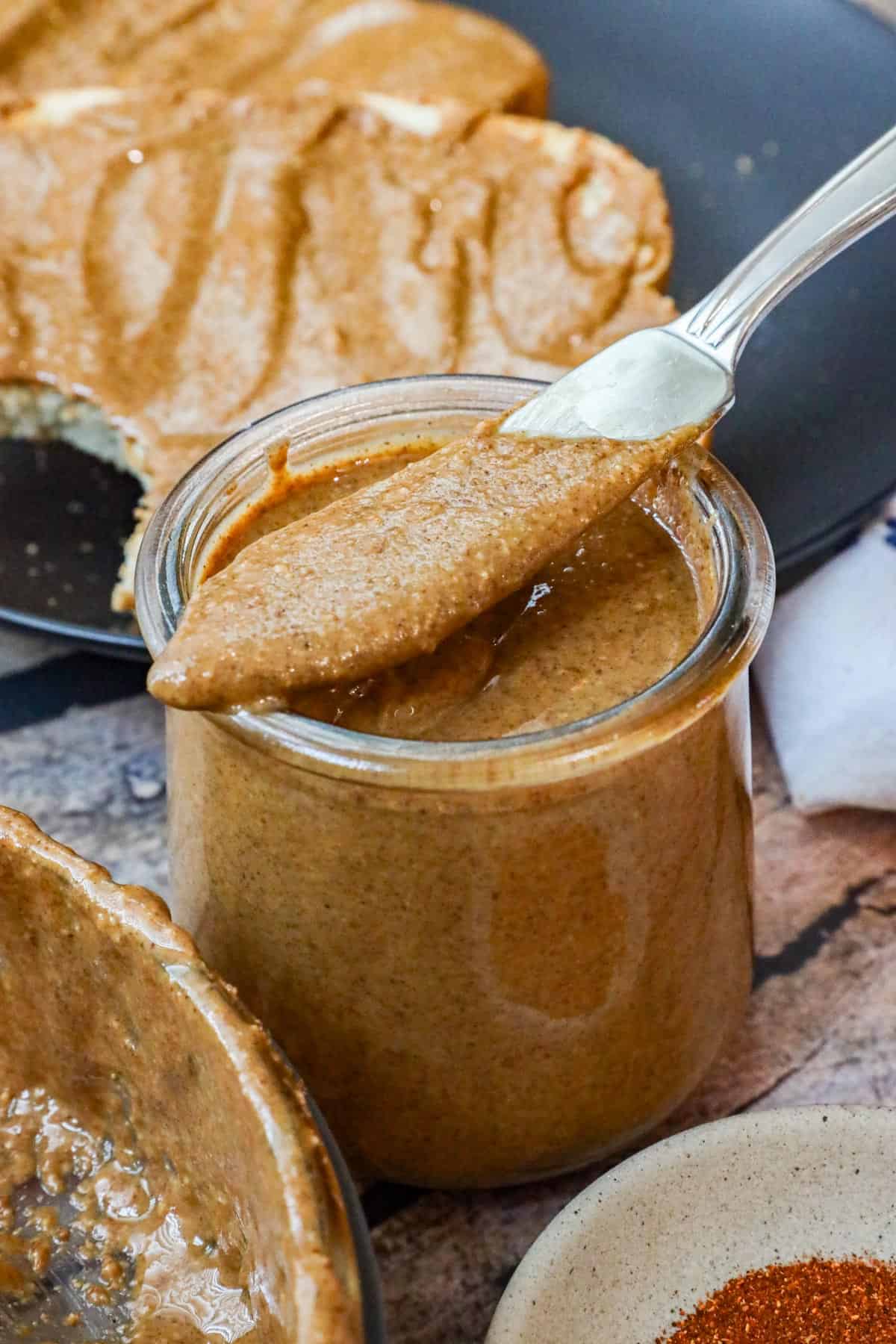
Credit: www.savorythoughts.com
Health Benefits Of Homemade Peanut Butter
Making peanut butter from raw peanuts offers more than just a tasty treat—it brings a range of health benefits that store-bought options often lack. When you prepare it yourself, you control every ingredient and step, ensuring a fresher, more nutritious product. Have you ever wondered how much better your homemade peanut butter can be for your body compared to commercial brands?
Nutritional Advantages
Homemade peanut butter retains more of the natural nutrients found in raw peanuts. These include healthy fats, protein, fiber, vitamins like E and B3, and minerals such as magnesium and potassium. Since you skip the roasting process that sometimes depletes nutrients, your peanut butter ends up richer in antioxidants and essential nutrients.
Plus, the natural oils remain intact, which can help improve heart health and provide sustained energy. You get a wholesome, nutrient-dense spread that supports your daily dietary needs without empty calories.
Avoiding Additives And Preservatives
Store-bought peanut butter often contains added sugar, hydrogenated oils, and preservatives to extend shelf life and enhance taste. These ingredients can negatively impact your health if consumed regularly. By making your own, you avoid these unwanted additives completely.
Your peanut butter stays pure—just peanuts and maybe a pinch of salt. This simplicity means fewer chemicals in your diet and a cleaner, more natural product that supports better digestion and overall wellness.
Customizing For Dietary Needs
When you make peanut butter at home, you can tailor it to fit your specific dietary preferences. Want it extra crunchy or smooth? You decide. Need to reduce sodium or keep it sugar-free? Easily done.
You can also add natural boosts like chia seeds, flaxseeds, or a touch of cinnamon for extra flavor and health benefits. How might customizing your peanut butter help you stick to your health goals more effectively?
Creative Variations And Add-ins
Peanut butter made from raw peanuts offers a fresh, natural taste. It also opens many doors for creative variations and add-ins. Experimenting with different flavors and textures can make your peanut butter unique and exciting. Small changes can turn a simple spread into a delightful treat.
Sweet And Savory Options
Sweetening peanut butter brings out its natural richness. Try adding honey, maple syrup, or agave nectar. These sweeteners blend smoothly and add gentle sweetness. For a savory twist, mix in a pinch of sea salt or smoked paprika. A touch of chili powder can create a spicy kick. These options enhance flavor without overpowering peanuts.
Incorporating Seeds And Spices
Seeds add crunch and nutrition to peanut butter. Chia seeds, flaxseeds, or sesame seeds work well. They boost fiber and healthy fats. Spices like cinnamon, nutmeg, or cardamom add warmth and aroma. Mix small amounts into your peanut butter for subtle flavors. These add-ins create a more complex and enjoyable taste.
Making Nut And Seed Butter Blends
Combine raw peanut butter with other nut or seed butters for variety. Almond, cashew, or sunflower seed butter blend nicely. Mixing different butters balances flavors and textures. It also increases nutrient diversity. Try equal parts of peanut and almond butter for a smooth, rich spread. Customize blends based on your taste preferences.
Storage And Shelf Life
Proper storage extends the freshness and flavor of peanut butter made from raw peanuts. Knowing how to store it correctly helps keep it safe to eat for longer. Shelf life depends on storage conditions and container types. Let’s explore the best ways to store homemade peanut butter and spot when it goes bad.
Best Containers For Freshness
Use airtight containers to keep peanut butter fresh. Glass jars work well because they do not absorb odors or stains. Plastic containers with tight lids are a good option too. Avoid metal containers as they can react with oils and affect taste.
- Choose containers with secure lids
- Prefer glass or BPA-free plastic
- Keep containers clean and dry before use
Refrigeration Vs. Room Temperature
Store peanut butter at room temperature if you plan to use it within two weeks. Keep it in a cool, dark place away from sunlight and heat. For longer storage, refrigeration is best. Refrigeration slows down oil separation and prevents spoilage. Note that chilled peanut butter may thicken and need stirring before use.
Signs Of Spoilage
Watch for changes in smell, taste, and appearance. Spoiled peanut butter smells sour or rancid. A bitter or off taste signals it is no longer safe. Look for mold or dark spots on the surface. If oil turns cloudy or the texture becomes very dry, discard it. These signs mean the peanut butter has gone bad.
Uses And Serving Ideas
Peanut butter made from raw peanuts offers versatile uses and serving ideas. Its rich, natural flavor fits many dishes and snacks. This spread adds a creamy texture and a nutty taste to meals. It can be simple or part of creative recipes.
Breakfast And Snack Recipes
Start your day with peanut butter on toast or bagels. Spread it on whole grain bread for a quick energy boost. Mix peanut butter into oatmeal or yogurt for extra protein and flavor. Use it as a dip for apple slices, celery, or carrot sticks. Peanut butter pairs well with bananas for a healthy snack.
Incorporating Into Meals
Stir peanut butter into sauces for a creamy texture. It works well in Asian dishes like satay or peanut noodles. Add a spoonful to soups for richness and depth. Use it in salad dressings for a nutty twist. Peanut butter can also thicken stews and add flavor to marinades.
Creative Dessert Ideas
Peanut butter blends beautifully into desserts. Make peanut butter cookies or brownies for a classic treat. Swirl it into ice cream or frozen yogurt for extra creaminess. Use it in no-bake bars with oats and honey. Drizzle warm peanut butter over pancakes or waffles for a sweet touch.

Credit: makeitdairyfree.com
Frequently Asked Questions
How Do You Make Peanut Butter From Raw Peanuts?
To make peanut butter from raw peanuts, roast them first for better flavor. Then blend until smooth. Add salt or oil if desired. It’s simple, healthy, and fresh compared to store-bought options.
What Equipment Is Needed To Make Peanut Butter?
You need a food processor or high-speed blender to make peanut butter. This equipment grinds peanuts into a creamy spread quickly and efficiently.
Are Raw Peanuts Safe For Making Peanut Butter?
Raw peanuts should be roasted before making peanut butter. Roasting kills bacteria and enhances taste. Using raw peanuts without roasting may cause digestive issues.
Can Homemade Peanut Butter Be Stored Long?
Yes, homemade peanut butter lasts 2 to 3 weeks in the refrigerator. Keep it in an airtight container to maintain freshness and prevent spoilage.
Conclusion
Making peanut butter from raw peanuts is simple and rewarding. Fresh peanut butter tastes better and has no added chemicals. You control the ingredients and can adjust the texture. It saves money and reduces packaging waste. Homemade peanut butter also offers a fresh, natural flavor you can enjoy daily.
Try it once, and you might never buy store brands again. Give it a shot and enjoy the wholesome taste of your own peanut butter.

Hi, I’m Daniel Brooks—a food lover and kitchen gear enthusiast. I enjoy testing cookware, utensils, and gadgets to see what really works in everyday cooking. At PlugChef.com, I share honest reviews, comparisons, and simple guides to help you choose the best tools for a safer, smarter, and more enjoyable kitchen.
Related posts:
 What Type of Cooking Utensils are Safe: Expert Picks
 What Innovations Could Blenders Make: Unleashing Future Tech
 Smart Strategies to Organize a Small Kitchen: Maximize Space
 How to Organize a Kitchen Cabinet: Expert Tips & Tricks
 How to Organize Kitchen Drawers: Expert Tips and Tricks
 How to Organize a Corner Kitchen Cupboard: Expert Tips

