
Are you looking for a quick, delicious snack that brings back childhood memories? Peanut Butter and Jelly Pockets are exactly what you need.
These tasty treats combine the classic flavors you love in a fun, easy-to-eat form. Whether you’re rushing through a busy day or packing lunch for your kids, these pockets make mealtime simple and satisfying. Keep reading to discover how you can make these irresistible pockets at home, and why they might just become your new favorite snack.

Credit: www.yahoo.com
Ingredients Needed
Gathering the right ingredients is key to making perfect Peanut Butter and Jelly Pockets. The flavors should balance well, and the textures must complement each other. Let’s break down what you need to create a delicious and satisfying snack.
Choosing The Right Peanut Butter
Not all peanut butters are the same. Creamy peanut butter offers a smooth texture that melts easily in your pockets, while chunky varieties add a delightful crunch. Think about your preference and how it will affect the overall bite.
Look for natural peanut butter with minimal added sugar and oils for a healthier option. If you like a sweeter taste, you can go for classic or honey-roasted types. Have you tried almond or cashew butter as a substitute? They can add a fresh twist.
Selecting The Best Jelly
The jelly you choose sets the sweetness and fruitiness of your pockets. Opt for jellies with real fruit pieces or preserves for a richer taste. Grape and strawberry remain favorites, but don’t be afraid to experiment with raspberry, blueberry, or even peach.
Check the label for sugar content and additives. A jelly with less sugar and natural ingredients will keep your pockets from becoming overly sweet. What’s your favorite jelly flavor that pairs perfectly with peanut butter?
Additional Fillings And Toppings
Adding extra fillings can take your pockets to the next level. Think sliced bananas, chopped nuts, or even a sprinkle of cinnamon for extra flavor. These additions bring more texture and nutrition to your snack.
You can also top your pockets with a drizzle of honey or a dusting of powdered sugar. These little touches can surprise your taste buds and make the experience more enjoyable. What creative filling would you add to make your pockets unique?
Step-by-step Preparation
Making Peanut Butter and Jelly Pockets is a fun and rewarding kitchen activity. It’s all about creating that perfect handheld treat where creamy peanut butter meets sweet jelly inside a soft, warm pocket. Let’s break down the process to help you craft these delicious pockets with ease.
Preparing The Dough Or Bread
You can use store-bought bread or make your own dough. If you opt for dough, choose a soft, slightly sweet recipe—something like a basic white or milk bread dough works great.
Roll the dough out evenly on a floured surface. Aim for a thickness that’s thin enough to fold but thick enough to hold the fillings without tearing. Have you noticed how dough thickness changes the final texture? It’s worth experimenting.
Assembling The Pockets
Start by spooning peanut butter onto one half of your dough or bread slice. Then add jelly right on top, but keep the amount moderate to avoid leaks.
Think about layering: spreading peanut butter first creates a barrier, which helps prevent the jelly from soaking through. This trick keeps your pockets neat and less sticky.
Sealing Techniques
Sealing your pockets well is key. Use your fingers or a fork to press the edges together firmly.
- If you’re using dough, a little water around the edges can help the seal stick better.
- For bread, gently pressing with a fork crimping pattern helps lock in the filling.
Have you ever had a pocket burst open while eating? Proper sealing stops that, so take a moment here—it pays off.
Cooking Methods
Peanut butter and jelly pockets are a tasty treat that anyone can enjoy. Different cooking methods give these pockets unique textures and flavors. Choosing the right method depends on the tools you have and how much time you want to spend. Each method offers a simple way to make a delicious snack.
Baking Tips
Baking peanut butter and jelly pockets makes the crust golden and crispy. Use an oven preheated to 350°F (175°C) for even cooking. Place pockets on a baking sheet lined with parchment paper. Brush the tops with a little melted butter or egg wash for a shiny finish. Bake for about 12-15 minutes or until the crust turns light brown. Let them cool briefly before serving to avoid burning your mouth.
Pan-frying Options
Pan-frying adds a crunchy outside and warm filling. Heat a non-stick skillet over medium heat and add a small amount of butter or oil. Place the pockets carefully in the pan. Cook each side for 3-4 minutes until golden brown. Flip gently to keep the filling inside. This method is fast and gives a nice crispy texture without using an oven.
No-cook Alternatives
No-cook peanut butter and jelly pockets work well for quick snacks. Use soft flatbread or tortillas as a base. Spread peanut butter and jelly evenly, then fold or roll tightly. Cut into smaller pieces for easy eating. Wrap in plastic or foil to keep fresh. These pockets need no heat but still taste great, especially on warm days or for lunchboxes.
Creative Variations
Creative variations can transform your peanut butter and jelly pockets from a simple snack into an exciting treat. Trying new ingredients not only keeps things fresh but also lets you tailor flavors to your personal taste. Have you ever thought about what happens when you mix different nut butters or unexpected jams in your pockets?
Using Different Nut Butters
Peanut butter is classic, but almond, cashew, or sunflower seed butter can add a unique twist. Each nut butter has a different flavor profile and texture, which changes the overall experience. Almond butter, for example, offers a slightly sweeter, creamier taste that pairs beautifully with tart fruit fillings.
Try swapping out peanut butter for one of these options and see how the flavor shifts. You might discover a new favorite that makes your pockets stand out. Have you considered how a nut butter’s thickness affects the pocket’s texture?
Fruit And Jam Combinations
Mixing up your fruit and jam choices can take your pockets to another level. Strawberry and grape are popular, but what about fig jam with sliced fresh apples? Or raspberry jam with banana slices?
Experimenting with combinations can balance sweetness and tartness in interesting ways. Think about what fruits you enjoy fresh—could they work as fillings? Adding fresh fruit alongside jam creates a fresher, less sugary bite that keeps things exciting.
Adding Crunch And Texture
Crunch adds a satisfying contrast to the soft filling and pastry. Consider adding chopped nuts, granola, or even crispy cereal inside your pockets. These additions give an unexpected texture that makes each bite more enjoyable.
Have you tried adding a sprinkle of toasted coconut or crushed pretzels? These ingredients bring a new dimension to your pockets. Don’t be afraid to mix textures—you might find that the crunch is what takes your snack from good to unforgettable.
Serving Suggestions
Serving Peanut Butter and Jelly Pockets can be as fun and creative as making them. How you serve them can enhance the eating experience and even turn a simple snack into a delightful treat. Let’s look at some ways to enjoy these pockets that fit your lifestyle and taste.
Pairing With Drinks
Choosing the right drink can lift the flavors of your Peanut Butter and Jelly Pockets. A cold glass of milk balances the sweetness and adds a creamy touch. If you prefer something lighter, try iced tea or a fresh fruit smoothie.
For a grown-up twist, a cup of hot coffee or chai tea brings warmth and a hint of spice. What drink do you find makes your pockets taste even better?
Packing For On-the-go
Peanut Butter and Jelly Pockets are perfect for busy days. Wrap them tightly in parchment paper or place them in a reusable container to keep them fresh. Adding a small ice pack can help if you’re carrying them in warm weather.
Try packing a few pockets with different jelly flavors to keep lunchtime exciting. How do you make sure your snacks stay tasty when you’re out and about?
Presentation Ideas
Simple presentation can make a big difference. Cut the pockets into smaller bite-sized pieces and arrange them on a plate for easy sharing. Garnish with fresh berries or a sprinkle of powdered sugar for a pop of color.
Serving them alongside a small bowl of extra jelly or peanut butter invites everyone to customize their bites. How would you style your Peanut Butter and Jelly Pockets to impress your guests?
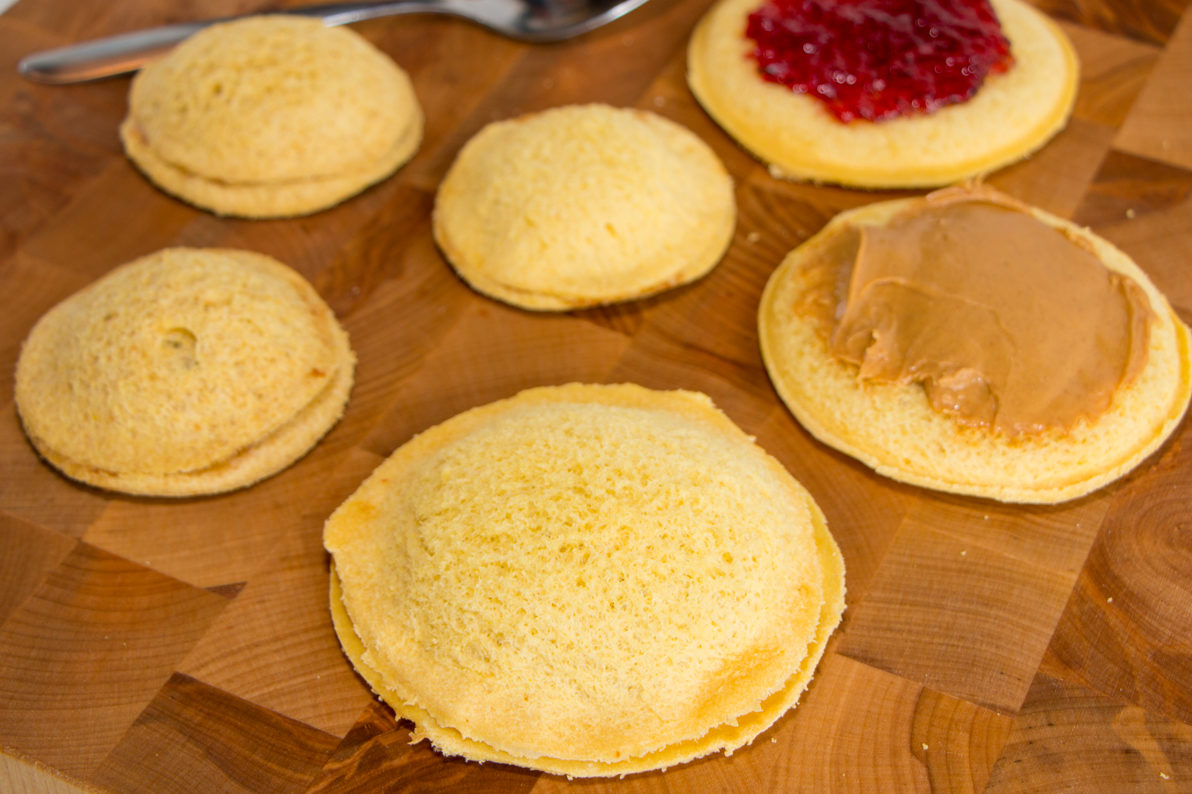
Credit: potatorolls.com
Healthier Alternatives
Peanut Butter and Jelly Pockets are a beloved snack. But many seek healthier alternatives. This ensures a tasty treat that’s also good for you. Let’s explore some options that enhance nutrition without sacrificing flavor.
Low-sugar Jellies
Choose jellies with less sugar. They reduce calorie intake. Look for brands that use natural sweeteners. Ingredients like stevia or monk fruit are ideal. These jellies taste sweet but are better for health. Always check the label for sugar content.
Whole Grain Options
Whole grain bread provides more fiber. It aids digestion and keeps you full longer. Whole grain options often have more nutrients. They include vitamins and minerals. Try whole wheat, rye, or multigrain varieties. These breads add a nutty flavor to your pockets.
Allergy-friendly Choices
Peanut allergies are common. Consider alternatives like almond or sunflower butter. These spreads offer similar textures. They also bring unique flavors. For jelly, check for ingredients that might cause allergies. Always ensure the product is safe for everyone.
Troubleshooting Tips
Troubleshooting common issues in making Peanut Butter and Jelly Pockets helps improve your results. Simple fixes can stop leaks, improve texture, and keep pockets fresh longer. Follow these tips for better pockets every time.
Preventing Leakage
Seal edges tightly to keep fillings inside. Use a fork or your fingers to press down the pocket edges firmly. Avoid overfilling pockets with too much peanut butter or jelly. Spread the filling evenly but leave space at the edges. Use thicker jelly or jam to reduce runniness. Chill pockets before baking or toasting to help fillings set.
Achieving Perfect Texture
Use fresh bread that is soft but not too thin. Slightly toast or warm the bread for better pliability. Choose smooth peanut butter for easy spreading. Avoid watery jams; thicker jams work better. Bake pockets just until golden brown to keep them soft inside. Let pockets cool a bit before eating for better texture.
Storage And Freshness
Store pockets in an airtight container to keep them fresh. Refrigerate if you plan to eat them later. Wrap pockets in plastic wrap or foil to prevent drying. Reheat pockets gently in a toaster oven or microwave. Consume pockets within 1-2 days for best taste and texture. Avoid freezing as it can change the bread’s texture.

Credit: www.foodservicerewards.com
Frequently Asked Questions
What Ingredients Are Needed For Peanut Butter And Jelly Pockets?
You need bread, peanut butter, and jelly. Optionally, add honey or bananas. These simple ingredients make a tasty, easy snack.
How Do You Make Peanut Butter And Jelly Pockets?
Spread peanut butter and jelly on bread. Fold or roll it into pockets. Bake or toast until golden for a warm treat.
Can Peanut Butter And Jelly Pockets Be Stored?
Yes, store them in an airtight container. Keep at room temperature for a day or refrigerate up to three days.
Are Peanut Butter And Jelly Pockets Kid-friendly?
Absolutely! They are easy to eat, nutritious, and loved by kids. Perfect for lunchboxes or quick snacks.
Conclusion
Peanut butter and jelly pockets make a quick and tasty snack. They are easy to prepare and fun to eat. Kids and adults both enjoy their sweet and nutty flavors. You can take them anywhere for a simple meal or treat.
Try making them at home to enjoy fresh and warm pockets. They bring comfort and smiles with every bite. Give these pockets a try today and enjoy a classic favorite. Simple, delicious, and satisfying every time.

Hi, I’m Daniel Brooks—a food lover and kitchen gear enthusiast. I enjoy testing cookware, utensils, and gadgets to see what really works in everyday cooking. At PlugChef.com, I share honest reviews, comparisons, and simple guides to help you choose the best tools for a safer, smarter, and more enjoyable kitchen.
Related posts:
 What Type of Cooking Utensils are Safe: Expert Picks
 What Innovations Could Blenders Make: Unleashing Future Tech
 Smart Strategies to Organize a Small Kitchen: Maximize Space
 How to Organize a Kitchen Cabinet: Expert Tips & Tricks
 How to Organize Kitchen Drawers: Expert Tips and Tricks
 How to Organize a Corner Kitchen Cupboard: Expert Tips