

When you’re baking, the type of flour you choose can make or break your recipe. Have you ever wondered why some cakes turn out light and fluffy, while others feel dense or crumbly?
The secret often lies in the difference between pastry flour and cake flour. Understanding these two flours can change the way your baked goods taste and feel. Keep reading, and you’ll discover how to pick the perfect flour for your next baking masterpiece—making your treats not just good, but unforgettable.
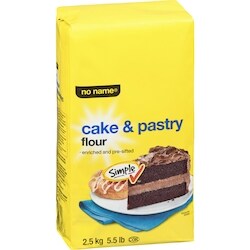
Credit: www.nofrills.ca
Flour Basics
Understanding the basics of flour can change how you bake. Flour isn’t just flour; different types serve different purposes. Knowing which one to pick can make your cakes and pastries turn out just right.
What Is Pastry Flour
Pastry flour falls between all-purpose and cake flour in terms of protein content, usually around 8-9%. This gives it a balance that creates tender yet slightly sturdy baked goods. It’s perfect for pie crusts, tarts, and cookies where you want a delicate but not crumbly texture.
I once swapped all-purpose flour with pastry flour in a pie crust recipe. The crust was noticeably flakier and softer, yet held together well when sliced. This shows how pastry flour’s moderate protein helps develop just enough gluten for structure without toughness.
What Is Cake Flour
Cake flour has the lowest protein content, typically 7-8%, making it the softest flour you can find. It’s finely milled and often bleached, which helps cakes rise better and have a lighter, airier crumb. Use it when you want a delicate crumb in cupcakes, sponge cakes, or other soft desserts.
Trying cake flour instead of all-purpose changed my chocolate cake’s texture completely. It turned out moist and fluffy rather than dense. Have you ever noticed how some cakes seem to melt in your mouth? Cake flour is usually the secret behind that feeling.
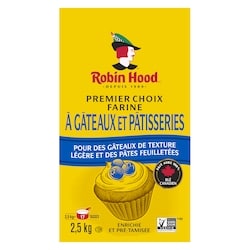
Credit: www.provigo.ca
Protein Content
Protein content plays a key role in choosing the right flour for baking. It affects the texture and structure of baked goods. Different flours have varying protein levels, which influence how much gluten develops during mixing. Gluten gives dough strength and elasticity. Lower protein flours create tender and soft results, while higher protein flours produce chewier textures.
Protein Levels In Pastry Flour
Pastry flour has a moderate protein content. It usually contains between 8% and 9.5% protein. This level strikes a balance between tenderness and structure. Pastry flour is ideal for recipes like pie crusts, tarts, and cookies. It creates a soft crumb without being too delicate. The gluten formed is enough to hold the shape but still keeps baked goods light.
Protein Levels In Cake Flour
Cake flour has the lowest protein content among common flours. It typically contains about 7% to 8% protein. This low level means less gluten development. The result is a very soft and fine crumb. Cake flour produces delicate, airy cakes with a smooth texture. It is perfect for light cakes like sponge or chiffon. Using cake flour helps avoid toughness in cakes.
Texture And Gluten
Understanding the texture of baked goods helps create perfect pastries and cakes. The texture largely depends on the type of flour used. Pastry flour and cake flour play distinct roles. Their gluten content is key in defining texture. Let’s explore how gluten forms in these two types of flour.
Gluten Formation In Pastry Flour
Pastry flour has a moderate protein content. This leads to less gluten formation. It results in a tender, flaky texture. Ideal for pies and tarts. The gluten structure is soft, not stretchy. It gives a delicate crumb to pastries. Bakers prefer it for light and airy treats.
Gluten Formation In Cake Flour
Cake flour contains even less protein. This means minimal gluten development. The result is a very soft and fine texture. Cakes made with this flour are fluffy and moist. It’s perfect for sponges and angel food cakes. The reduced gluten ensures a smooth, tender bite. Cake flour makes desserts feel light and melt-in-the-mouth.

Credit: eatsdelightful.com
Baking Results
Baking results can vary dramatically depending on the type of flour you use. Pastry flour and cake flour may look similar, but their protein content and texture create very different outcomes in your baked goods. Understanding how each flour performs will help you decide which one to choose for your recipe and what results you can expect.
Pastry Flour Uses And Outcomes
Pastry flour has a moderate protein content, usually around 8-9%, which gives your baked items a tender yet slightly chewy texture. It’s perfect for pie crusts, tarts, and some cookies where you want flakiness without sacrificing structure.
When you use pastry flour, your crusts hold together well and don’t crumble too easily. The texture is delicate but resilient enough to support fillings without falling apart. Have you noticed how store-bought pie crusts can be either too tough or too crumbly? Using pastry flour can help you get the balance just right.
Pastry flour also works well in muffins and scones. Your baked goods rise nicely but maintain a soft crumb rather than becoming dense or tough. If you want a tender crumb that still has some bite, pastry flour is your go-to.
Cake Flour Uses And Outcomes
Cake flour has the lowest protein content, around 7-8%, which creates a very fine, soft, and fluffy texture. It’s ideal for light cakes like sponge cakes, chiffon cakes, and cupcakes where a delicate crumb is key.
Using cake flour results in baked goods that feel almost melt-in-your-mouth. The low protein means less gluten forms, so your cakes won’t be chewy or dense. Instead, they’re airy and tender, perfect for celebrations or any time you want a soft, elegant dessert.
Have you ever had a cake that felt heavy or dry? Switching to cake flour can fix that problem. It absorbs liquids differently, so your batter will be smoother and your final product lighter.
Substitution Tips
Substituting pastry flour and cake flour can be tricky because each has a specific protein content that affects texture and crumb. Knowing when and how to swap one for the other can save your recipe from turning out dense or crumbly. Let’s dive into practical tips that help you make smart flour swaps without sacrificing the quality of your baked goods.
When To Swap Pastry Flour
Pastry flour has a moderate protein level, making it perfect for tender, flaky pastries and pie crusts. You can swap pastry flour when you want a bit more structure than cake flour offers but less toughness than all-purpose flour brings.
If your recipe calls for all-purpose flour but you want a lighter result, try using pastry flour instead. It works well in recipes like biscuits, muffins, and some cookies where a soft yet slightly chewy texture is ideal.
When To Swap Cake Flour
Cake flour has the lowest protein content, which gives cakes a delicate and soft crumb. Use cake flour as a substitute when you want a very tender texture, especially in recipes like sponge cakes, angel food cakes, and cupcakes.
Swapping cake flour for pastry flour is a good idea if you want to lighten the texture of your baked goods, but keep in mind that this may reduce the structure slightly. Think about whether your recipe can handle a softer crumb before making this swap.
Adjustments For Best Results
When swapping flours, adjust liquid amounts carefully. Cake flour absorbs less liquid than pastry flour, so you might need to reduce liquids slightly to avoid a batter that’s too runny.
Try sifting the flour before measuring. This lightens the flour and helps you avoid using too much, which can make baked goods dense.
Here are some quick tips to keep in mind:
- Use 1 cup cake flour + 2 tablespoons cornstarchto mimic pastry flour’s texture.
- When swapping pastry flour for cake flour, consider adding a tablespoon of all-purpose flour to boost structure.
- Measure flours by weightwhen possible to get the most accurate substitution.
Have you ever tried swapping these flours mid-recipe? What differences did you notice in texture? Experimenting can teach you a lot about how flour impacts your baking outcomes.
Storage And Shelf Life
Proper storage of pastry and cake flour keeps them fresh longer. Both types have similar shelf lives but need careful handling. Moisture, heat, and air cause flour to spoil faster. Storing flour right protects its flavor and baking quality.
How To Store Pastry And Cake Flour
Keep flour in a cool, dry place away from sunlight. Use airtight containers to block moisture and bugs. Original packaging can be used if sealed tightly. Avoid storing flour near strong smells like spices or chemicals.
Recommended Shelf Life For Flour
| Flour Type | Unopened Shelf Life | Opened Shelf Life |
|---|---|---|
| Pastry Flour | 6-8 months | 4-6 months |
| Cake Flour | 6-8 months | 4-6 months |
Signs Of Flour Going Bad
- Off or sour smell
- Discoloration or dark spots
- Clumping or moisture presence
- Insect infestation
Check flour regularly for these signs. Discard flour immediately if any appear. Fresh flour ensures the best texture and taste in baking.
Frequently Asked Questions
What Is The Difference Between Pastry Flour And Cake Flour?
Pastry flour has moderate protein content (8-9%), ideal for tender pastries. Cake flour has lower protein (6-8%), perfect for soft, delicate cakes. Both create light textures but suit different baked goods due to protein variations.
Can I Substitute Cake Flour For Pastry Flour?
Yes, you can substitute cake flour for pastry flour. However, cake flour is softer, so the texture might be lighter and more delicate. Adjust recipes accordingly for best results when swapping these flours.
Why Is Protein Content Important In Pastry And Cake Flour?
Protein content affects gluten formation, impacting texture. Lower protein in cake and pastry flours creates tender, soft baked goods. Higher protein flours produce chewier textures, which are less desirable for cakes and pastries.
Which Flour Is Best For Flaky Pie Crusts?
Pastry flour is best for flaky pie crusts. Its moderate protein content offers the right balance for tenderness and flakiness. Cake flour is too soft and may result in a crumbly crust.
Conclusion
Pastry flour and cake flour serve different baking needs. Pastry flour makes tender, flaky pastries. Cake flour creates soft, light cakes. Choosing the right flour changes your recipe’s texture. Baking becomes easier with the correct flour type. Remember this tip for better baking results.
Try both flours to see the difference yourself. Simple swaps can improve your baked goods. Keep your kitchen stocked with both flours. Happy baking starts with the right ingredients!

I’m Abby Lu, a passionate home cook who loves simplifying everyday meals. At PlugChef.com, I share product reviews and cooking guides to help you find the best tools for your kitchen.
Related posts:
 What Type of Cooking Utensils are Safe: Expert Picks
 What Innovations Could Blenders Make: Unleashing Future Tech
 Smart Strategies to Organize a Small Kitchen: Maximize Space
 How to Organize a Kitchen Cabinet: Expert Tips & Tricks
 How to Organize Kitchen Drawers: Expert Tips and Tricks
 How to Organize a Corner Kitchen Cupboard: Expert Tips

