
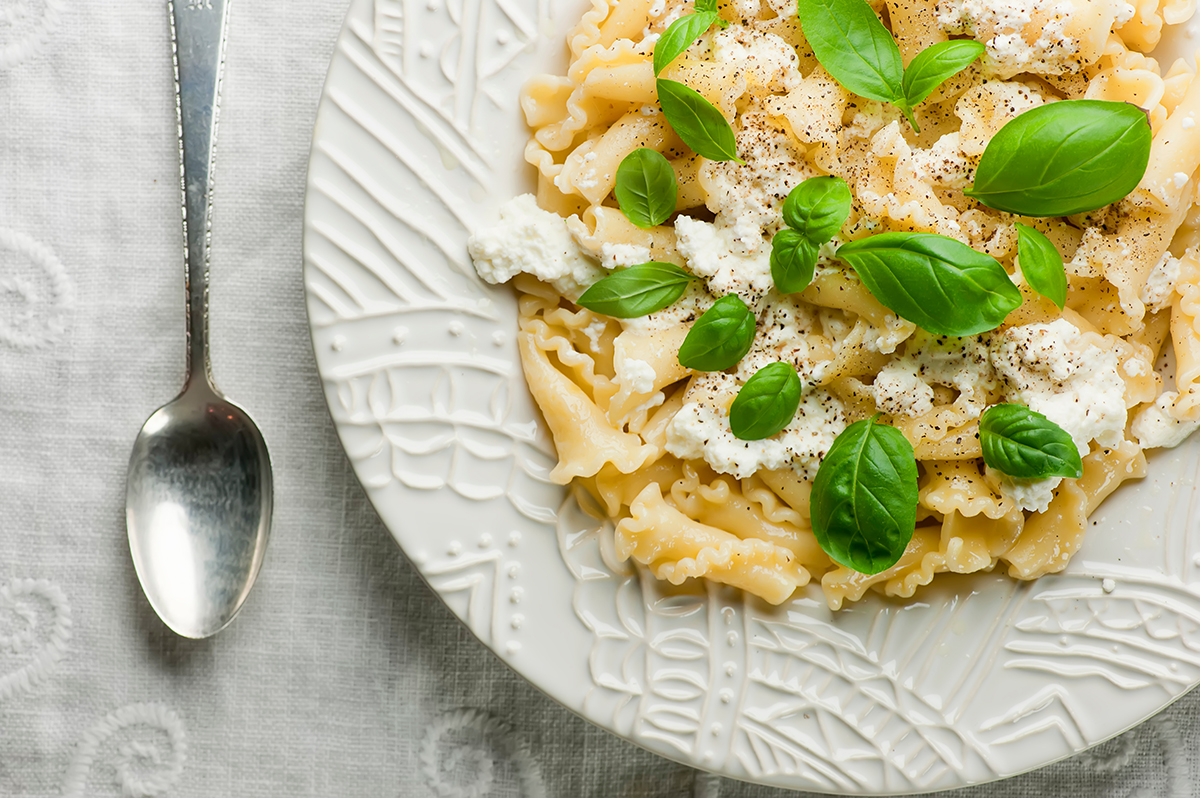
Imagine a dish that’s creamy, fresh, and bursting with flavor—all in just a few simple ingredients. Pasta with ricotta and basil is exactly that.
If you’re looking for a meal that’s quick to make yet feels special, this recipe is for you. You’ll love how the smooth ricotta melts into every bite, while the basil adds a bright, fragrant touch. Keep reading, and you’ll discover how easy it is to create this delicious, comforting pasta that will soon become your go-to favorite.
Credit: www.framedcooks.com
Choosing The Right Pasta
Choosing the right pasta can make or break your dish, especially when working with delicate flavors like ricotta and fresh basil. The texture and shape of the pasta influence how the creamy sauce clings and how each bite feels. Have you ever noticed how some pastas hold sauce better than others? Let’s dive into what works best for this luscious combination.
Best Pasta Shapes For Creamy Sauces
For a creamy sauce like ricotta with basil, pasta shapes that trap sauce are your best friends. Think about ridges, grooves, and hollow spaces that hold every bit of that rich, velvety sauce.
- Fettuccine:Its flat, wide surface lets the creamy sauce coat every strand evenly.
- Trofie:This twisted shape curls around the sauce, making sure you get a burst of flavor in every bite.
- Penne:The tubes catch the sauce inside, creating a satisfying texture contrast.
- Orecchiette:These small, ear-shaped pasta pieces scoop up dollops of ricotta and basil perfectly.
Have you ever tried pairing ricotta sauce with spaghetti? It tends to slide off, leaving you with a less satisfying meal. Choosing the right shape ensures your effort pays off with every mouthful.
Fresh Vs. Dried Pasta Options
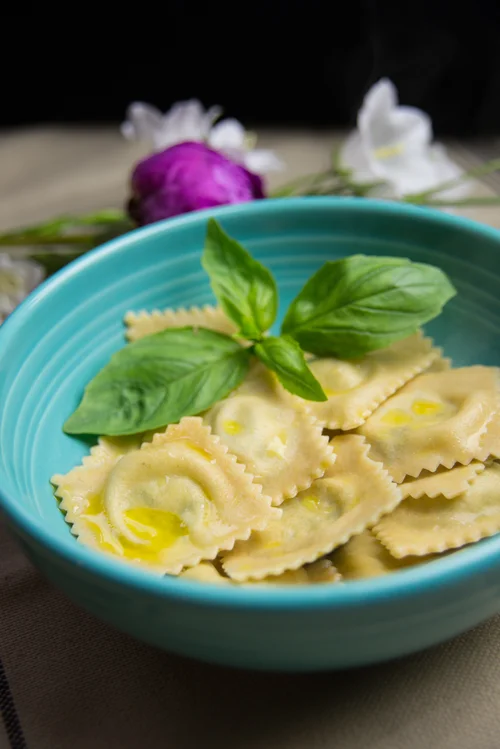
Deciding between fresh and dried pasta can change your dish’s texture and overall experience. Fresh pasta is tender and cooks quickly, which can complement the softness of ricotta.
On the other hand, dried pasta offers a firmer bite and a slightly nuttier flavor after cooking. It’s also more convenient if you want to prepare ahead or keep pasta on hand at all times.
| Aspect | Fresh Pasta | Dried Pasta |
|---|---|---|
| Texture | Soft and delicate | Firm and chewy |
| Cooking Time | 1-3 minutes | 8-12 minutes |
| Storage | Short shelf life, refrigerate | Long shelf life, pantry storage |
| Flavor | Subtle, fresh wheat taste | More intense, nutty |
Ask yourself: do you want a quick, tender bite or a firm texture that stands up to the sauce? Both have their place, but knowing what you want guides your choice.
Credit: www.tootsweetness.com
Ricotta Cheese Essentials
Ricotta cheese is the creamy star of Pasta With Ricotta And Basil. Its mild flavor and smooth texture can transform a simple pasta dish into something extraordinary. Understanding the essentials of ricotta can elevate your cooking and delight your taste buds.
Selecting Quality Ricotta
Choosing the right ricotta is crucial. Look for ricotta that is fresh and has a creamy consistency. Avoid any that appear too watery or crumbly, as this can affect the overall texture of your dish.
Check the ingredients list; the best ricotta should contain just milk, an acid like lemon juice or vinegar, and a pinch of salt. If possible, opt for organic or locally-produced ricotta to ensure quality and taste.
Have you ever noticed how ricotta can vary in flavor between brands? Conduct a taste test to find your favorite. This small step can make a big difference in your pasta dishes.
Homemade Ricotta Tips
Making ricotta at home is surprisingly simple. It allows you to control the texture and flavor, ensuring a perfect match for your pasta. All you need is milk, an acid like lemon juice, and salt.
Heat the milk gently, stirring occasionally, and add the acid. You’ll see curds forming—this is your ricotta! Strain through a cheesecloth to reach your desired consistency.
Have you tried making ricotta at home before? The freshness and creamy texture might just convince you to ditch store-bought varieties for good. Plus, it’s a fun and rewarding kitchen experiment.
Basil’s Role In Flavor
Basil is more than just a garnish in your pasta with ricotta and basil; it’s the heart of the dish’s flavor profile. Its sweet, slightly peppery notes lift the creamy ricotta, creating a fresh and vibrant balance. Understanding how to pick, store, and prepare basil can make a noticeable difference in your pasta experience.
Picking Fresh Basil
Look for bright green leaves without dark spots or wilting. Fresh basil should smell fragrant and lively, almost like a burst of summer in your hands. Avoid bunches with yellowing stems, as they indicate older herbs that won’t deliver the same punch.
Have you ever tasted pasta where the basil seemed dull or lifeless? That’s usually because the herb wasn’t fresh. When shopping, gently squeeze the leaves—if they feel firm and not slimy, you’ve got good basil.
Storing And Preparing Basil
Once you bring basil home, keep it fresh by trimming the stems and placing them in a glass of water like a bouquet. Cover the leaves loosely with a plastic bag and store them on the counter, not in the fridge, to prevent browning.
Before adding basil to your pasta, tear it by hand instead of chopping with a knife. This helps preserve its essential oils and aroma. Have you noticed how chopped basil sometimes turns dark and loses flavor? Tearing avoids that and keeps your dish vibrant.
Crafting The Creamy Sauce
Crafting a creamy sauce for pasta with ricotta and basil is an art. It requires the right balance of ingredients and gentle cooking. The sauce should feel smooth and rich without overpowering the fresh basil.
Focus on combining the mild tang of ricotta with other elements to create a luscious texture. Each step builds flavor and creaminess that clings perfectly to pasta strands.
Balancing Ricotta And Cream
Ricotta alone can be thick and slightly grainy. Mixing it with cream softens the texture and adds silkiness. Use fresh ricotta and light cream for best results.
Start by blending ricotta and cream in a bowl. Stir gently until the mixture is smooth and even. This balance creates a sauce that is creamy but not too heavy.
Adjust the cream amount to your taste. More cream makes the sauce looser. Less cream keeps it thick and rich.
Incorporating Garlic And Olive Oil
Garlic and olive oil add depth and aroma to the sauce. Lightly sauté minced garlic in good olive oil until fragrant. Avoid browning the garlic to keep its delicate flavor.
Pour the garlic-infused oil into the ricotta-cream mix. Stir well to combine. This step infuses the sauce with a subtle, savory note.
Use extra virgin olive oil for a fruity, fresh taste. Garlic and olive oil together lift the simple ricotta sauce to new levels.
Step-by-step Cooking Process
Cooking pasta with ricotta and basil is simple and rewarding. Follow this clear process to create a delicious meal. Each step focuses on getting the perfect texture and flavor. Fresh ingredients shine best when prepared carefully.
Boiling Pasta Perfectly
Fill a large pot with water and bring it to a boil. Add a pinch of salt to enhance the pasta’s taste. Use enough water so the pasta can move freely. Drop the pasta into the boiling water and stir gently. Cook according to the package instructions until al dente. Taste a piece to check if it is tender but firm. Drain the pasta and save a cup of pasta water for later use.
Mixing Pasta With Sauce
Place the drained pasta back into the pot or a large bowl. Add ricotta cheese and fresh basil leaves. Pour a little reserved pasta water to loosen the sauce. Stir gently to coat the pasta evenly. Adjust the texture with more pasta water if needed. Season with salt and pepper to taste. Serve immediately for the best flavor and freshness.
Adding Extra Flavor Boosts
Adding extra flavor boosts to your pasta with ricotta and basil can transform a simple dish into something truly memorable. These little touches highlight the freshness of the ingredients while bringing new layers to every bite. Have you ever tasted a dish and felt it was missing just a hint of something more? That’s exactly where these flavor enhancers come in.
Using Lemon Zest And Juice
Lemon zest brings a bright, citrusy aroma that cuts through the creaminess of the ricotta. Just a teaspoon grated over the pasta can awaken your senses and add a refreshing twist. Adding a splash of lemon juice right before serving lifts the entire dish, giving it a tangy edge that balances richness perfectly.
Don’t be afraid to experiment with the amount—too little won’t make a difference, and too much can overpower the basil’s delicate flavor. I once added lemon zest on a whim and found it made the dish feel lighter, like it was made for warm summer evenings. What unexpected ingredient have you added to brighten your meals?
Adding Parmesan And Cracked Pepper
Parmesan cheese adds a salty, nutty depth that complements the mild ricotta beautifully. Grate it fresh over your pasta to maximize flavor and texture. Cracked black pepper, on the other hand, introduces a gentle heat and complexity that wakes up your taste buds.
Try combining generous amounts of Parmesan with a few twists of cracked pepper. This duo enhances the dish without overshadowing the basil’s freshness. Next time you serve this pasta, notice how these simple additions create a satisfying contrast that keeps you coming back for more.
Serving Suggestions
Serving Pasta With Ricotta And Basil offers a chance to enjoy a simple yet elegant meal. This dish is creamy, fresh, and full of flavor. Choosing the right sides and drinks can lift the entire dining experience. Think about colors, textures, and tastes that complement the pasta.
Pairing With Side Dishes
Light salads balance the richness of ricotta. Try a mixed green salad with a lemon vinaigrette. Roasted vegetables add warmth and depth. Asparagus or cherry tomatoes work well. Garlic bread or focaccia brings a crunchy contrast. Keep sides simple to highlight the pasta’s fresh flavors.
Ideal Wine Choices
White wines with crisp acidity match the creamy ricotta. Sauvignon Blanc and Pinot Grigio are great picks. They refresh the palate between bites. For red wine lovers, a light-bodied Pinot Noir fits nicely. Avoid heavy reds that overpower the dish. Serve wine slightly chilled for the best taste.

Credit: food52.com
Tips For Meal Prep And Storage
Meal prepping Pasta With Ricotta And Basil saves time and keeps flavors fresh. Proper storage helps maintain the creamy texture and bright basil notes. Following simple steps ensures the dish stays delicious for your next meal.
Storing Leftovers Safely
Cool the pasta to room temperature before storing. Place it in an airtight container to prevent moisture loss. Store in the refrigerator for up to 3 days. Avoid leaving the pasta out for more than 2 hours. For longer storage, freeze in a sealed container. Label the container with the date to track freshness.
Reheating Without Losing Creaminess
Reheat gently to keep the ricotta creamy and smooth. Use a low heat setting on the stove or microwave. Add a splash of water or milk to loosen the sauce. Stir frequently to avoid sticking or drying out. Avoid overheating, which can make the ricotta grainy. Serve immediately after reheating for the best taste and texture.
Frequently Asked Questions
What Type Of Pasta Works Best With Ricotta And Basil?
Fresh pasta like fettuccine or linguine pairs well with ricotta and basil. Their texture holds the creamy sauce nicely, enhancing flavors and providing a smooth, satisfying bite.
How Do I Make Creamy Ricotta Sauce For Pasta?
Combine ricotta cheese with olive oil, garlic, lemon zest, and salt. Stir until smooth, then toss with hot pasta. Fresh basil adds a fragrant, fresh finish.
Can I Use Dried Basil Instead Of Fresh In This Recipe?
Fresh basil is preferred for its vibrant flavor. Dried basil is less aromatic and may alter the dish’s freshness. Use fresh for best results.
Is Pasta With Ricotta And Basil Suitable For Vegetarians?
Yes, this dish is vegetarian-friendly. It contains no meat or animal-derived ingredients except dairy, making it perfect for a vegetarian diet.
Conclusion
Pasta with ricotta and basil offers a fresh and creamy taste. This dish is simple to make and full of flavor. The combination of soft cheese and fragrant herbs is delightful. It suits quick meals or special dinners alike. You can easily add your favorite veggies or proteins.
Enjoy this recipe as a light, satisfying option anytime. Give it a try and savor every bite. Cooking at home has never felt so easy and delicious.

Hi, I’m Daniel Brooks—a food lover and kitchen gear enthusiast. I enjoy testing cookware, utensils, and gadgets to see what really works in everyday cooking. At PlugChef.com, I share honest reviews, comparisons, and simple guides to help you choose the best tools for a safer, smarter, and more enjoyable kitchen.
Related posts:
 What Type of Cooking Utensils are Safe: Expert Picks
 What Innovations Could Blenders Make: Unleashing Future Tech
 Smart Strategies to Organize a Small Kitchen: Maximize Space
 How to Organize a Kitchen Cabinet: Expert Tips & Tricks
 How to Organize Kitchen Drawers: Expert Tips and Tricks
 How to Organize a Corner Kitchen Cupboard: Expert Tips