
Are your grill grates looking grimy and tough to clean? You’re not alone.
Grease, burnt food, and stubborn residue can make your grill a real challenge to maintain. But what if there was a simple way to bring those grates back to life without scrubbing endlessly? Using oven cleaner on grill grates might be the secret trick you haven’t tried yet.
Keep reading to discover how this easy method can save you time and effort, so your next barbecue is ready to impress.

Credit: www.yahoo.com
Why Clean Grill Grates Matters
Cleaning grill grates is more than just a chore. It affects the taste of your food and keeps your grill safe to use. Grease and food leftovers can build up, causing smoke and flare-ups. Regular cleaning makes grilling better and safer.
Impact On Flavor And Safety
Old food and grease change the taste of your grilled meals. Burnt bits can make food bitter and unpleasant. Cleaning stops this from happening. It also reduces smoke and flare-ups that can cause burns or fires. A clean grill means safer cooking.
Extending Grill Lifespan
Grill grates can rust and wear out if not cleaned. Grease and food scraps cause damage over time. Cleaning removes these harmful layers and protects the metal. This care helps your grill last longer and work better every time.
Choosing The Right Oven Cleaner
Choosing the right oven cleaner for your grill grates can make a huge difference in both cleaning effectiveness and the safety of your cooking surface. Not every cleaner is suitable for the tough, burnt-on grease found on grill grates. You want a product that cuts through grime without damaging the metal or leaving harmful residues behind.
Types Of Oven Cleaners
Oven cleaners generally fall into three main categories: chemical-based, natural, and abrasive.
- Chemical-based cleanersuse strong solvents to break down grease quickly. They work fast but require careful handling and thorough rinsing.
- Natural cleanersoften include ingredients like baking soda, vinegar, or lemon juice. They are gentler on the surface but might need more elbow grease and time.
- Abrasive cleanerscome in the form of powders or scrubbing pads designed to physically remove grime. They can be effective but risk scratching delicate grill surfaces if used aggressively.
Think about how often you grill and how dirty your grates typically get. If you clean regularly, a natural cleaner might be enough. But heavy, baked-on grease might call for a stronger chemical option.
Safety Considerations
Your safety and the health of anyone eating from your grill must come first. Many oven cleaners contain harsh chemicals like sodium hydroxide, which can irritate skin and eyes.
- Always wear gloves and ensure good ventilation when using chemical cleaners.
- Never apply cleaners when the grates are hot—this can cause fumes or burns.
- Rinse thoroughly with water after cleaning to remove any residue before cooking.
Have you checked the label for any warnings or instructions specific to grill grates? Using a cleaner not designed for grills can leave toxic traces that affect your food’s taste and safety.
Preparing Grill Grates For Cleaning
Cleaning grill grates can seem daunting. But preparation makes it manageable. Start by gathering essential cleaning tools. This ensures a smooth process. Proper preparation extends the grill’s life. It also enhances cooking efficiency.
Removing Loose Debris
First, remove any loose debris from the grill grates. A stiff brush works well for this task. Brush both sides of each grate. Ensure all charred bits and residue are cleared away. This step prevents buildup during the cleaning process. A clean surface allows the oven cleaner to work effectively.
Protecting Surrounding Areas
Next, protect the areas around the grill. Use old newspapers or plastic sheets. Cover surfaces to catch any drips or splatters. This prevents damage or staining. Ensure the surrounding area is well-ventilated. Proper ventilation helps disperse any cleaning fumes. Now, your grill grates are ready for a thorough cleaning.
Step-by-step Cleaning Process
Cleaning grill grates with oven cleaner requires care and attention. This step-by-step process helps remove tough grease and grime effectively. Follow the guide to make your grill grates spotless and ready for the next barbecue.
Applying Oven Cleaner Safely
Choose a well-ventilated area to work in. Wear gloves to protect your skin from chemicals. Spray or apply the oven cleaner evenly on the grill grates. Avoid applying too much to prevent dripping. Let the cleaner sit for the time stated on the product label. This allows the cleaner to break down grease and burnt food.
Scrubbing Techniques
Use a stiff brush or scrub pad made for grills. Scrub each grate thoroughly to remove loosened dirt. Focus on areas with heavy buildup. Use circular motions to lift grease without damaging the metal. For stubborn spots, apply more cleaner and scrub again. Avoid using metal brushes that can scratch or damage the grates.
Rinsing And Drying
Rinse the grill grates thoroughly with warm water. Make sure all cleaner residue is removed to avoid taste issues. Use a sponge or cloth to wipe down the grates after rinsing. Dry the grates completely with a clean towel or air dry. This prevents rust and keeps your grill ready for use.
Alternative Cleaning Methods
Oven cleaner is a powerful choice for tackling grill grates, but it’s not the only way to get them spotless. Alternative cleaning methods can be gentler on your equipment and better for your health and the environment. They also offer a chance to customize your cleaning routine to fit your schedule and preferences.
Natural And Homemade Solutions
Natural ingredients like baking soda, vinegar, and lemon juice work wonders on grill grates. Mixing baking soda with water creates a paste that breaks down grease without harsh chemicals. Spray vinegar over the paste, and you’ll see a fizzy reaction that helps lift stubborn grime.
Try soaking your grill grates in a basin filled with hot water and vinegar for 30 minutes. This softens burnt-on food, making it easier to scrub away. Adding lemon juice not only boosts cleaning power but leaves a fresh scent behind.
Have you ever noticed how a sprinkle of salt can help remove grease? Use coarse salt as a mild abrasive with a damp cloth to scrub your grates. It’s simple, affordable, and safe to use regularly without worrying about residue.
Using Grill Brushes And Tools
A good grill brush is your best friend for maintaining clean grates. Choose brushes with stainless steel or brass bristles, designed specifically for grills. They quickly scrape off charred bits without damaging the metal surface underneath.
Wire brushes are handy, but don’t overlook other tools like scrapers and grill stones. Scrapers can reach tight corners and edges where food particles hide. Grill stones, made from pumice, offer gentle abrasive power for delicate cleaning.
Always check your tools for wear before each use to avoid loose bristles ending up in your food. Have you ever found a stray bristle in a burger? It’s unpleasant and avoidable with proper tool care. Rotate your cleaning tools to keep your grill grates spotless and safe.
Avoiding Common Mistakes
Cleaning grill grates with oven cleaner can be a game-changer, but it’s easy to slip into habits that do more harm than good. Avoiding common mistakes not only protects your grill but also keeps your cooking safe and enjoyable. Let’s look at two key errors you should watch out for to get the best results.
Overusing Chemicals
More isn’t always better when it comes to oven cleaner. Applying too much can leave a sticky residue that’s tough to rinse off and may affect the taste of your food.
Once, I sprayed a heavy coat on my grill grates, thinking it would speed up the cleaning. Instead, I had to scrub for twice as long to remove the leftover cleaner. A light, even spray followed by a good rinse is far more effective.
Ask yourself: Are you really getting your grill cleaner by adding more product, or just creating more work?
Ignoring Safety Instructions
Oven cleaners contain strong chemicals that can irritate your skin and eyes or release harmful fumes. Skipping the safety gear or using the product in a poorly ventilated area can lead to serious health problems.
I once neglected to wear gloves and ended up with itchy, burning hands that took days to heal. Now, I always wear gloves and work outside or near an open window.
Don’t risk your health—read the label and follow every safety instruction carefully before you start cleaning.
Maintaining Sparkling Grates Between Uses
Keeping your grill grates sparkling between uses doesn’t have to be a chore. A little attention after each cookout can save you from tough scrubbing sessions later. You’ll enjoy better-tasting food and a longer-lasting grill.
Regular Cleaning Tips
After every grilling session, let the grates cool down just enough to handle safely. Use a grill brush with stiff bristles to scrape off leftover food and grease while the grates are still warm. This simple step prevents buildup that’s harder to remove later.
For stubborn spots, spray a bit of warm, soapy water and scrub gently with a sponge or cloth. Avoid harsh chemicals that might leave residues affecting your food’s flavor. Rinse thoroughly and dry the grates to prevent rust.
- Clean the grates after each use to avoid grease buildup.
- Use a grill brush or scraper for quick removal of residue.
- Wipe down with warm soapy water when needed.
- Dry completely to prevent rusting.
Seasoning Your Grill Grates
Seasoning your grill grates creates a natural non-stick surface and protects them from rust. After cleaning, apply a thin layer of cooking oil—like vegetable or canola oil—using a cloth or paper towel. Heat the grill for 15 minutes to let the oil bond with the metal.
This practice not only keeps food from sticking but also extends the life of your grill. Have you noticed how a well-seasoned pan makes cooking easier? Your grill grates can benefit the same way.
- Apply a thin coat of cooking oil after cleaning.
- Heat grill for 15 minutes to set the oil.
- Repeat seasoning regularly for best results.
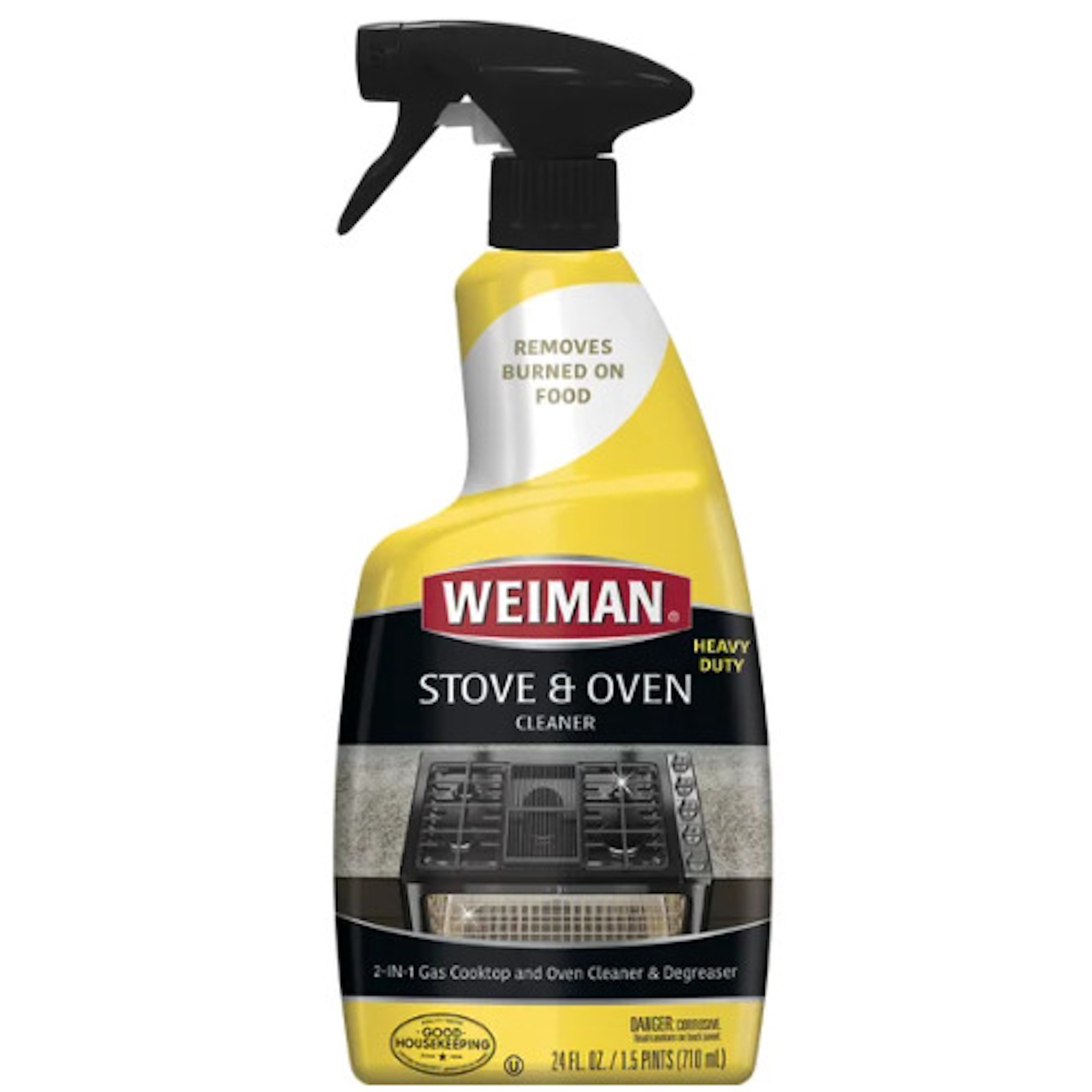
Credit: www.heb.com
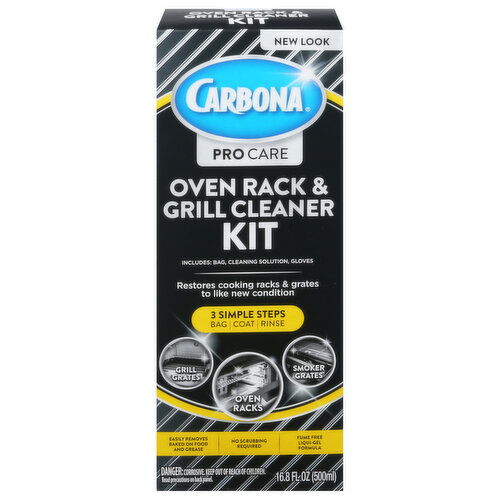
Credit: www.cub.com
Frequently Asked Questions
Can Oven Cleaner Damage Grill Grates?
Yes, oven cleaner can damage certain grill grates. It may corrode or discolor metal surfaces. Always check your grate’s material and test a small area first to avoid permanent damage.
Is Oven Cleaner Safe For Cleaning Grill Grates?
Oven cleaner is effective but not always safe for grill grates. It contains harsh chemicals that may leave residues. Use gloves, ensure proper ventilation, and rinse thoroughly to avoid health risks.
How Long Should Oven Cleaner Sit On Grill Grates?
Typically, oven cleaner should sit for 10 to 15 minutes. This allows it to break down grease and grime effectively. Avoid leaving it longer to prevent damage to the grill surface.
Can I Use Oven Cleaner On Cast Iron Grill Grates?
It’s not recommended to use oven cleaner on cast iron grates. The chemicals can strip seasoning and cause rust. Instead, use a wire brush and mild soap for cleaning.
Conclusion
Cleaning grill grates with oven cleaner can save you time. It breaks down tough grease and burnt food easily. Always follow safety steps to protect your hands and grill. Rinse the grates well after cleaning to avoid taste changes. Regular cleaning keeps your grill ready for the next cookout.
A clean grill means better flavor and longer grill life. Try this method and enjoy hassle-free grill maintenance.

Hi, I’m Daniel Brooks—a food lover and kitchen gear enthusiast. I enjoy testing cookware, utensils, and gadgets to see what really works in everyday cooking. At PlugChef.com, I share honest reviews, comparisons, and simple guides to help you choose the best tools for a safer, smarter, and more enjoyable kitchen.
Related posts:
 What Type of Cooking Utensils are Safe: Expert Picks
 What Innovations Could Blenders Make: Unleashing Future Tech
 Smart Strategies to Organize a Small Kitchen: Maximize Space
 How to Organize a Kitchen Cabinet: Expert Tips & Tricks
 How to Organize Kitchen Drawers: Expert Tips and Tricks
 How to Organize a Corner Kitchen Cupboard: Expert Tips