

When it comes to keeping your workplace safe, having the right first aid kit is more important than you might think. You might wonder, what exactly should be inside?
How do you know if your kit meets the legal requirements? Understanding OSHA standards for first aid kits is the key to making sure you’re prepared for emergencies and compliant with the law. You’ll discover everything you need to know to protect yourself, your team, and your business effectively.
Keep reading—your safety depends on it.
Osha’s Role In Workplace Safety
OSHA plays a key role in making workplaces safer. It sets clear rules for first aid kits to ensure quick response during injuries. These rules help employers provide essential supplies for emergencies. Proper first aid kits reduce risks and protect workers’ health.
Importance Of Osha Standards
OSHA standards for first aid kits ensure readiness for many types of injuries. Employers must keep kits stocked with approved items. This preparation helps handle cuts, burns, and other common workplace injuries. The rules create a baseline for safety across all industries.
Regular checks and updates to first aid kits are required. This keeps supplies fresh and effective. OSHA’s standards also guide training on how to use the kits properly. Workers gain confidence knowing help is available instantly.
Impact On Employee Well-being
OSHA’s first aid rules protect workers’ health and boost morale. Quick treatment of injuries reduces pain and prevents infections. Employees feel safer and more valued in workplaces following these standards.
Proper first aid care can reduce time off work and speed recovery. This benefits both workers and employers. A safe workplace lowers stress and encourages productivity.
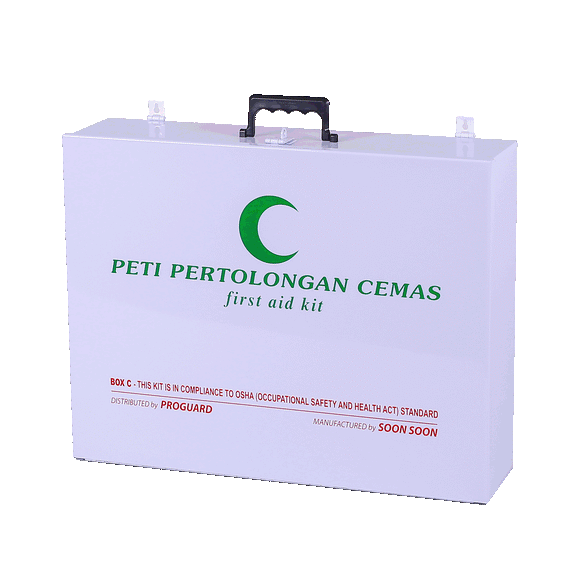
Credit: www.proguardsafety.my
Key Components Of First Aid Kits
Understanding the key components of first aid kits is essential for workplace safety. OSHA standards ensure these kits contain items for basic care and emergency response. Properly stocked kits help manage injuries until professional help arrives. Contents vary by workplace hazards and industry needs.
Basic Supplies Required
OSHA mandates essential items for every first aid kit. These supplies address common injuries like cuts, burns, and scrapes. A well-stocked kit typically includes:
- Adhesive bandages in various sizes
- Sterile gauze pads and dressings
- Adhesive tape rolls
- Antiseptic wipes or solution
- Scissors and tweezers
- Disposable gloves
- Burn treatment supplies
- CPR face shield or mask
- Eye wash solution
- Resuscitation equipment
These items provide immediate care for minor injuries and prevent infection. Regular checks ensure supplies are fresh and ready to use.
Specialized Equipment For Specific Industries
Some workplaces need extra first aid items due to unique risks. OSHA recognizes these differences and recommends adding specialized tools.
For example, construction sites might include:
- Heavy-duty burn dressings
- Splints for fractures
- Eye irrigation kits
Chemical plants require:
- Neutralizing agents for chemical burns
- Emergency shower and eye wash stations
Food processing facilities often add:
- Bandages that resist contamination
- Antimicrobial ointments
Customizing kits to industry hazards improves safety and response effectiveness.
Compliance Requirements
Meeting OSHA standards for first aid kits goes beyond just having supplies on hand. Compliance requirements ensure your workplace is truly prepared for emergencies. Understanding what OSHA expects helps you avoid fines and keeps your team safe.
Documentation And Recordkeeping
OSHA requires you to keep clear records of your first aid supplies and their maintenance. This means regularly checking expiration dates and replacing used or outdated items. Keeping a log of inspections shows that you’re proactive about safety.
Have you ever found a first aid kit with expired bandages or empty antiseptic bottles? Documenting each check prevents these costly oversights. It also provides proof during OSHA inspections that you’re meeting standards consistently.
- Maintain a written inventory of first aid kit contents.
- Record dates of inspections and supply replacements.
- Keep records accessible for OSHA audits.
Training For First Aid Providers
Having a stocked kit isn’t enough if no one knows how to use it properly. OSHA expects designated first aid providers to be trained and ready to respond. Training ensures quick, effective action during emergencies.
Think about a situation where every second counts—would your team know how to handle it? Regular, up-to-date training sessions empower your employees to act confidently and correctly.
- Provide certified first aid training to selected staff.
- Schedule refresher courses at least every two years.
- Keep training records as part of your compliance documentation.
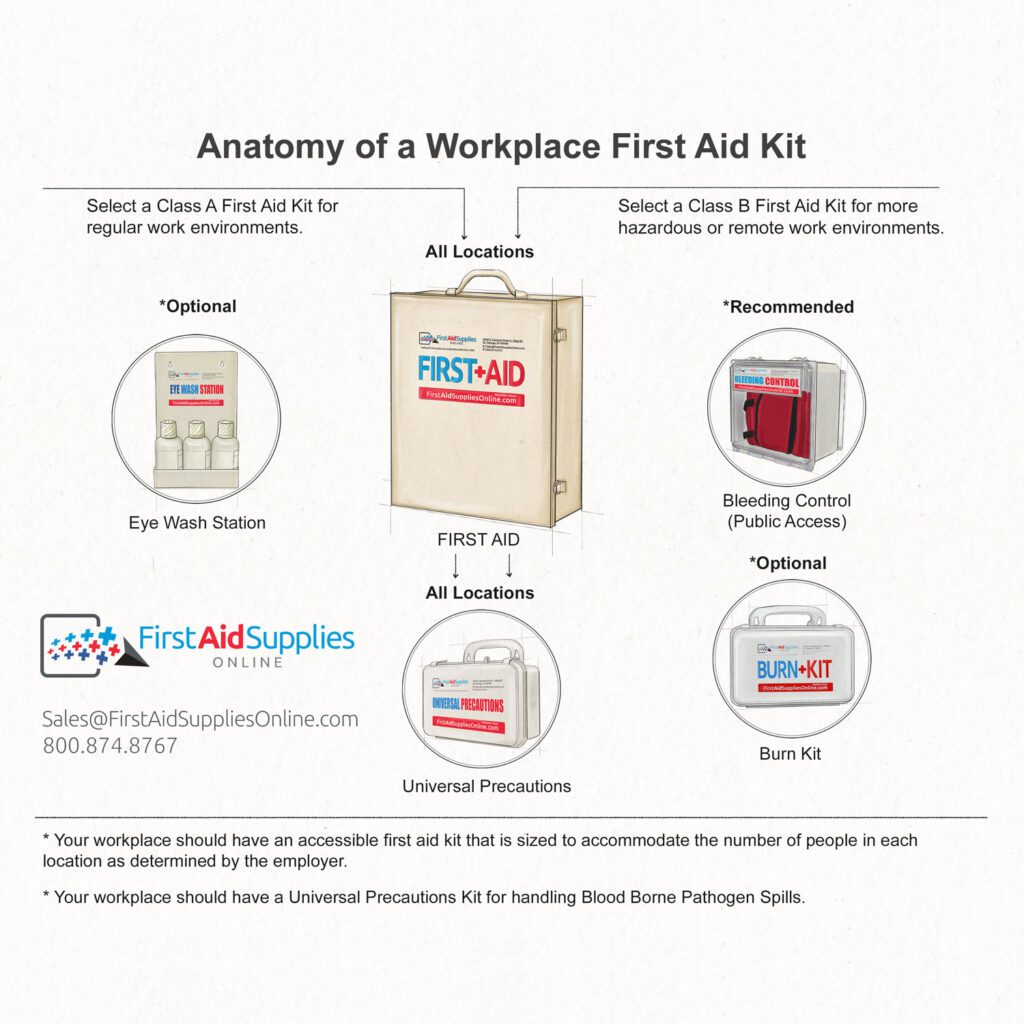
Credit: firstaidsuppliesonline.com
Common Compliance Challenges
Staying compliant with OSHA standards for first aid kits presents many challenges. Many workplaces struggle to understand and follow the rules. Compliance requires careful attention to detail and regular updates. Ignoring these challenges can lead to safety risks and penalties.
Misinterpretation Of Regulations
Many employers find OSHA’s first aid requirements confusing. The rules vary based on workplace hazards and size. Some think only basic kits are enough, while others overstock unnecessary items. Misreading guidelines can cause kits to miss essential supplies. Clear understanding of OSHA’s standards ensures proper kit assembly.
Maintaining Up-to-date Kits
First aid kits need constant checking and restocking. Supplies expire or get used quickly. Forgetting to replace items leads to incomplete kits during emergencies. Regular inspections prevent shortages and keep kits ready. Assigning responsibility for kit maintenance helps maintain compliance and safety.
Tips For Ensuring Compliance
Keeping your first aid kits up to OSHA standards is more than just a one-time task. It requires ongoing attention and practical steps to maintain compliance. Without proper care, your kits might lack essential items or contain expired supplies, putting everyone’s safety at risk.
Regular Audits And Inspections
Schedule frequent checks of your first aid kits to ensure all items are present and not expired. This simple habit can prevent surprises during emergencies when every second counts.
Use a checklist to verify contents systematically. Note any missing or outdated supplies and replace them immediately.
Have you ever found your first aid kit empty or outdated during a critical moment? Regular inspections can eliminate this problem and boost your confidence in workplace safety.
Effective Communication And Training
Make sure your team knows where the first aid kits are located and how to use the supplies correctly. Clear communication reduces confusion when an injury happens.
Offer hands-on training sessions so everyone feels comfortable handling common first aid tasks. This knowledge can empower your staff and reduce workplace injuries.
Consider posting simple instructions near each kit. This small step helps even those without training provide immediate help.

Credit: www.amazon.com
Benefits Of Compliance
Meeting OSHA standards for first aid kits does more than check a regulatory box. It actively shapes how safety is viewed and handled in your workplace. Compliance brings clear, practical benefits that go beyond just having the right supplies.
Enhanced Safety Culture
When you maintain OSHA-compliant first aid kits, you send a strong message that safety matters. Employees notice when their well-being is prioritized, which encourages them to be more cautious and proactive.
This can lead to fewer accidents and faster responses when injuries do happen. Imagine a team where everyone feels prepared and confident to handle emergencies—how would that change your daily work environment?
Reduced Liability Risks
Failing to comply with OSHA standards can expose your business to hefty fines and legal trouble. Having the right first aid kits ready helps you avoid these risks by meeting essential safety requirements.
Beyond fines, it protects your reputation and builds trust with employees and clients alike. Are you prepared to face the consequences if an injury occurs and your kit falls short?
Frequently Asked Questions
What Are Osha Requirements For First Aid Kits?
OSHA mandates employers provide readily accessible first aid kits. Kits must suit the workplace hazards and be fully stocked. Regular inspections ensure supplies are complete and not expired. Compliance helps manage minor injuries promptly and reduce workplace risks.
How Often Should Osha First Aid Kits Be Inspected?
OSHA recommends inspecting first aid kits monthly. Frequent checks ensure supplies are available and not expired. Prompt replacement of used or outdated items maintains kit readiness. Regular inspections support workplace safety and compliance with OSHA standards.
What Items Must Osha First Aid Kits Contain?
OSHA requires kits to include antiseptics, bandages, burn treatment, and gloves. Contents should match the workplace’s specific injury risks. Employers must ensure kits are stocked with necessary, approved supplies. Properly equipped kits provide effective immediate care for injuries.
Who Is Responsible For Maintaining Osha First Aid Kits?
Employers are responsible for maintaining OSHA first aid kits. They must ensure kits are stocked, accessible, and inspected regularly. Proper maintenance supports employee safety and OSHA compliance. Assigning a trained individual helps manage kit upkeep efficiently.
Conclusion
OSHA standards keep workplaces safe with proper first aid kits. Every kit must have the right supplies, easy to find. Employers must check kits often to replace used or expired items. Training workers on kit use saves lives and cuts injuries.
Clear rules help everyone respond quickly during emergencies. Following OSHA rules shows care for worker health and safety. Keep your first aid kits ready and stocked at all times. Safety starts with being prepared.

I’m Abby Lu, a passionate home cook who loves simplifying everyday meals. At PlugChef.com, I share product reviews and cooking guides to help you find the best tools for your kitchen.
Related posts:
 What Type of Cooking Utensils are Safe: Expert Picks
 What Innovations Could Blenders Make: Unleashing Future Tech
 Smart Strategies to Organize a Small Kitchen: Maximize Space
 How to Organize a Kitchen Cabinet: Expert Tips & Tricks
 How to Organize Kitchen Drawers: Expert Tips and Tricks
 How to Organize a Corner Kitchen Cupboard: Expert Tips

