

When it comes to keeping your workplace safe, having the right first aid kit is not just a good idea—it’s the law. You might wonder, what exactly does OSHA require for a first aid kit?
Knowing these requirements can protect you, your team, and your business from serious risks and costly penalties. You’ll discover everything you need to know about OSHA’s first aid kit standards, so you can be fully prepared for any emergency. Don’t leave safety to chance—read on and make sure your first aid supplies meet the rules and keep everyone protected.
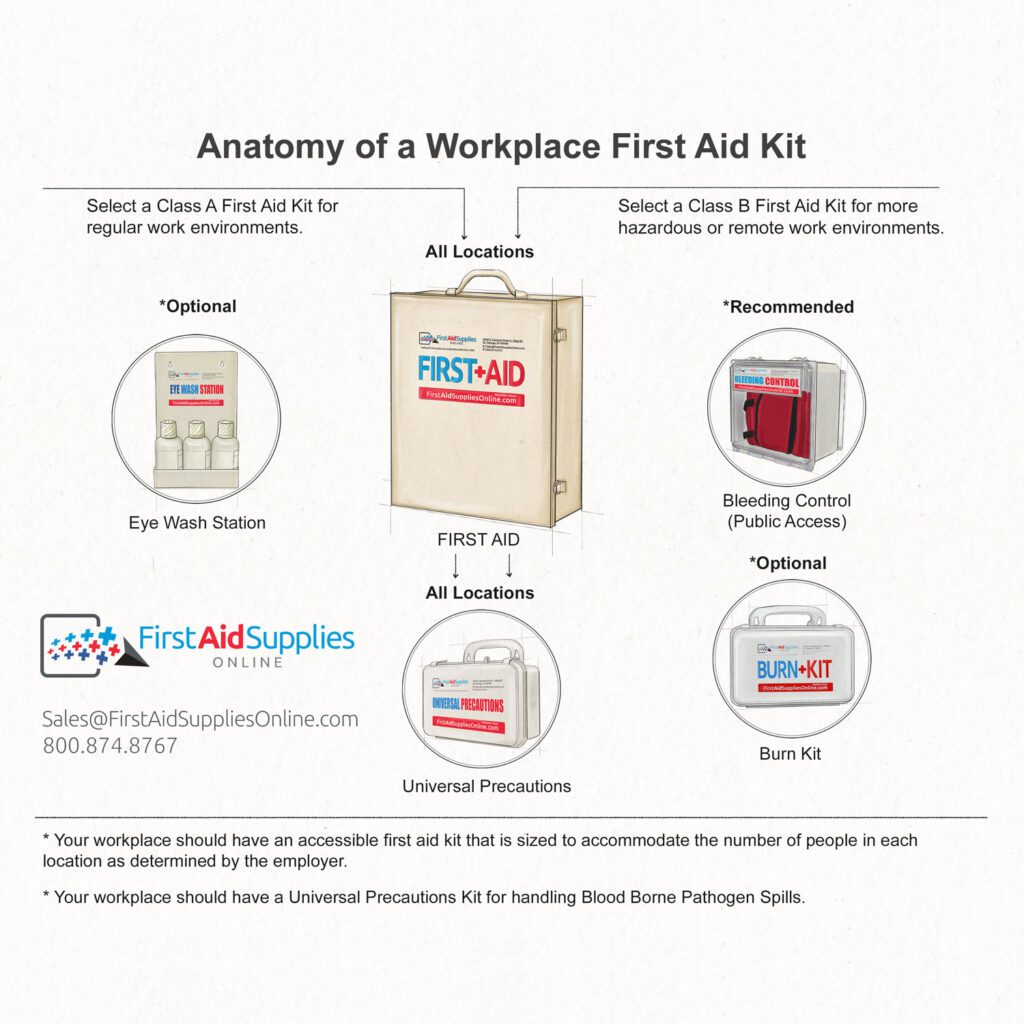
Credit: firstaidsuppliesonline.com
Osha First Aid Kit Basics
Understanding the basics of OSHA first aid kit requirements is crucial for ensuring workplace safety. These kits aren’t just a box filled with bandages and antiseptic wipes; they’re a lifeline in emergencies. They represent your commitment to protecting employees and complying with regulations.
Purpose Of First Aid Kits
First aid kits serve as an immediate response tool for minor injuries and illnesses. They provide essential supplies for treating common workplace incidents like cuts, burns, or sprains. Imagine having a colleague injured and realizing your kit is missing crucial items—such a scenario underscores the importance of maintaining a well-stocked kit.
Moreover, these kits foster a sense of security among employees. Knowing that help is readily available can boost morale and productivity. Have you ever considered how a simple bandage can transform a stressful situation into a manageable one? It’s all about being prepared.
Osha Standards For Workplaces
OSHA standards for first aid kits vary depending on the specific workplace environment. Factors such as the nature of the job, number of employees, and proximity to medical facilities influence the contents of the kit. For example, a construction site might need more robust supplies than an office setting.
OSHA doesn’t prescribe a specific list of items but recommends consulting with medical professionals to tailor kits to workplace needs. This flexibility allows you to adapt to unique risks. Have you reviewed your first aid kit recently to ensure it meets these standards? Regular checks can prevent non-compliance and ensure readiness in emergencies.
Required Kit Contents
OSHA requires specific contents in first aid kits to ensure immediate and effective response to workplace injuries. Knowing exactly what to include helps you meet safety standards and prepares you for common emergencies. Your kit should be stocked with essential items that cover a wide range of injuries, from minor cuts to more serious incidents.
Basic Supplies
Your first aid kit must contain a core set of supplies that address typical workplace injuries. These include:
- Adhesive bandages:Various sizes for small cuts and scrapes.
- Sterile gauze pads:To cover and protect wounds.
- Adhesive tape:To secure dressings.
- Antiseptic wipes or solution:For cleaning wounds and preventing infection.
- Scissors and tweezers:Useful for cutting tape or removing debris.
- Disposable gloves:Protect yourself and the injured person from contamination.
- CPR face shield:Enables safe rescue breathing.
- Burn dressings:Designed to cool and protect burns.
Having these supplies ready can make a big difference in how quickly and effectively you respond to injuries. Think about your workplace’s common risks—do you have the right sizes and quantities?
Additional Items For Specific Hazards
Some workplaces face unique risks that require extra first aid supplies. For instance, chemical plants need items to treat chemical burns or eye exposure. If your environment includes these hazards, your kit should reflect that.
- Eye wash solution:Essential for flushing out harmful substances.
- Cold packs:To reduce swelling from injuries like sprains or bruises.
- Emergency burn kits:With specialized gels or dressings for severe burns.
- Snake bite kits:If you work in areas where venomous snakes are common.
- Tourniquets:For controlling severe bleeding in high-risk environments.
Have you evaluated your workplace’s unique dangers? Tailoring your first aid kit to these risks not only meets OSHA’s requirements but also protects your team more effectively.
Kit Maintenance And Inspection
Maintaining and inspecting your OSHA first aid kit is crucial to ensure it serves its purpose when an emergency strikes. A well-kept kit means you won’t waste precious time searching for supplies or discovering that crucial items are missing or expired. Regular attention to your first aid kit guarantees readiness and compliance with OSHA requirements.
Regular Checks
Check your first aid kit at least once a month. Look for any damaged or expired items, such as bandages, antiseptics, or medications. Make a habit of inspecting the kit’s container as well, ensuring it remains clean, dry, and properly sealed.
Keep a checklist handy to mark off each item during inspection. This simple routine saves you from unpleasant surprises during an emergency. Have you ever opened a first aid kit only to find it missing essential supplies? Regular checks prevent that frustration.
Restocking Procedures
After every use, immediately restock the items used. Don’t wait until your monthly check to replace what’s missing. Designate someone responsible for restocking to avoid gaps in availability.
Consider labeling your kit with an expiration tracking sheet. This makes it easy to spot when supplies need replacing before they become unusable. Use clear packaging and organize items so you can quickly spot what’s running low.
- Keep extra supplies stored nearby for quick replacement.
- Train your team on how to report missing or damaged items.
- Use a simple logbook or digital app to track inspections and restocking dates.
Would you be confident handling a workplace injury if your first aid kit was missing key supplies? Taking responsibility for ongoing maintenance is the best way to be prepared and OSHA-compliant.

Credit: www.amazon.com
First Aid Training Importance
First aid training is essential for workplace safety. It ensures employees know how to react quickly during accidents. Proper training reduces injury severity and saves lives. Understanding first aid helps maintain a safer work environment for everyone.
Employee Training Requirements
OSHA requires employers to provide first aid training to employees. Training must cover basic first aid procedures and emergency care. Employees should learn how to recognize common injuries and illnesses. Training sessions must be easy to understand and practical. Regular refreshers help keep skills sharp and up to date.
Emergency Response Skills
First aid training teaches vital emergency response skills. Employees learn to act calmly and effectively in crises. Skills include CPR, wound care, and choking relief. Knowing these skills helps control the situation before medical help arrives. Quick and correct responses can prevent complications and save lives.
Customizing Kits For Different Workplaces
OSHA first aid kit requirements vary by workplace type. Each setting has unique risks and needs. Customizing kits ensures proper supplies for quick response. Tailored kits help handle common injuries effectively and reduce downtime.
Office Settings
Offices usually have low injury risk but need basic first aid items. Kits should include:
- Adhesive bandages for small cuts
- Antiseptic wipes to clean wounds
- Disposable gloves for hygiene
- Burn cream for minor burns
- CPR face shield for emergencies
Keep kits in accessible, visible areas. Regular checks keep supplies fresh and ready.
Industrial Environments
Industries face higher injury risks like cuts, burns, or chemical exposure. Kits need extra items such as:
- Heavy-duty bandages and gauze pads
- Eye wash solution for chemical splashes
- Burn dressings for severe burns
- Rescue masks for CPR
- Instant cold packs for swelling
Place kits near workstations and hazardous zones. Train workers to use supplies correctly.
Outdoor And Remote Locations
Outdoor jobs face weather, distance, and environment challenges. Kits should include:
- Extra water for cleaning wounds
- Snake bite kits if applicable
- Thermal blankets for shock or cold
- Insect bite relief items
- Flashlight and whistle for signaling
Ensure kits are weatherproof and portable. Plan for longer emergency response times.
Common Osha Violations And Penalties
OSHA requires workplaces to maintain proper first aid kits. Many employers face violations for not meeting these standards. Penalties can be costly and impact workplace safety. Understanding common violations helps prevent fines and protect employees.
Kit Accessibility Issues
First aid kits must be easy to find and reach. Kits stored in locked rooms or far areas violate OSHA rules. Employees need quick access during emergencies. Poor placement delays treatment and increases risks. OSHA may issue citations for blocked or hidden kits.
Incomplete Or Outdated Supplies
First aid kits must contain all required items. Missing or expired supplies fail OSHA inspections. Items like bandages, antiseptics, and gloves need regular checks. Using old supplies can harm injured workers. Employers must replace used or outdated materials promptly to avoid penalties.
Enhancing Workplace Safety Culture
Enhancing workplace safety culture is essential for protecting employees and reducing accidents. A strong safety culture means everyone cares about health and safety. It helps create a safer work environment where risks are minimized and emergencies are handled quickly.
OSHA first aid kit requirements support this culture by ensuring proper supplies are always ready. These kits help workers respond immediately to injuries. This readiness encourages safety awareness and builds trust among team members.
Promoting First Aid Awareness
First aid awareness teaches employees how to use kits correctly. Training sessions make workers confident in handling injuries. Knowing where kits are located saves critical time during emergencies. Awareness also reduces panic and confusion at the workplace.
- Regular training on first aid procedures
- Clear labeling of first aid kit locations
- Visible signs to guide employees
- Encouraging questions and discussions about safety
Encouraging Prompt Reporting
Prompt reporting means telling supervisors about injuries right away. This allows quick medical help and proper documentation. Reporting helps identify hazards and prevent future accidents. A culture that supports open communication improves overall safety.
- Create simple reporting procedures
- Assure workers they will be supported
- Reward timely injury reports
- Use reports to improve safety measures

Credit: www.safetycompany.com
Frequently Asked Questions
What Are Osha First Aid Kit Requirements?
OSHA requires workplaces to have accessible first aid kits. Kits must contain supplies to treat minor injuries. Contents depend on workplace hazards and size. Employers must regularly inspect and restock kits. Proper labeling and employee training are also necessary.
How Often Should Osha First Aid Kits Be Inspected?
OSHA recommends inspecting first aid kits at least monthly. Inspections ensure supplies are complete and unexpired. Damaged or used items must be replaced immediately. Regular checks help maintain readiness for emergencies. Documentation of inspections is also advised.
What Items Must Osha First Aid Kits Include?
Required items typically include bandages, antiseptics, scissors, gloves, and burn treatment. Additional supplies depend on workplace risks. Kits must be adequate for the number of employees. Employers should consult OSHA guidelines for specific contents. Customization ensures appropriate emergency response.
Are Osha First Aid Kits Mandatory In All Workplaces?
Yes, OSHA mandates first aid kits in most workplaces. Exceptions may apply for very low-risk environments. Kits must be easily accessible during work hours. Compliance helps prevent minor injuries from becoming serious. Employers are responsible for providing proper first aid resources.
Conclusion
OSHA first aid kit requirements help keep workplaces safe. Every business must have the right supplies ready. Kits need regular checks and updates to stay useful. A well-stocked first aid kit can save lives. Training workers on its use is also important.
Follow OSHA rules to avoid fines and injuries. Safety starts with being prepared for emergencies. Keep your first aid kit easy to reach and use. Simple steps make a big difference in workplace safety. Stay safe, stay ready.

I’m Abby Lu, a passionate home cook who loves simplifying everyday meals. At PlugChef.com, I share product reviews and cooking guides to help you find the best tools for your kitchen.
Related posts:
 What Type of Cooking Utensils are Safe: Expert Picks
 What Innovations Could Blenders Make: Unleashing Future Tech
 Smart Strategies to Organize a Small Kitchen: Maximize Space
 How to Organize a Kitchen Cabinet: Expert Tips & Tricks
 How to Organize Kitchen Drawers: Expert Tips and Tricks
 How to Organize a Corner Kitchen Cupboard: Expert Tips

