
Do you ever open your pantry and feel overwhelmed by the chaos? If deep shelves are turning your kitchen storage into a mystery zone where you lose track of items, you’re not alone.
Organizing a pantry with deep shelves can feel like a daunting task, but it doesn’t have to be. Imagine transforming your pantry into a space where every item has its place, and you can find what you need in seconds.
This isn’t just about tidiness; it’s about creating a kitchen that works for you, where meal prep is a breeze and grocery shopping becomes more efficient. Let’s dive into practical, easy-to-implement strategies that will revolutionize your pantry and make your daily routine smoother. Your perfectly organized pantry is just a few steps away!
Benefits Of Deep Shelves
Deep shelves maximize pantry storage space, allowing for neat organization of food items. They provide easy access and visibility, reducing clutter and making meal preparation more efficient.
Deep shelves in your pantry offer numerous benefits. They maximize space, providing a more organized and efficient storage system. With deep shelves, finding items becomes easier, saving time during meal prep. These shelves can accommodate larger items and bulk purchases, making them ideal for stocking up. They help reduce clutter and enhance the overall aesthetics of your pantry.Increased Storage Capacity
Deep shelves allow more storage space. You can fit more items in less area. This is perfect for families needing ample pantry supplies. Store everything from canned goods to bulk items without worry.Efficient Organization
Deep shelves enhance organization. Arrange items in neat rows for easy access. Group similar items together for quick retrieval. This system reduces time spent searching for ingredients.Space For Bulk Purchases
Bulk shopping becomes easier with deep shelves. Store larger quantities without crowding. Enjoy buying in bulk for savings. Keep extra items on hand for busy times.Reduced Clutter
Clutter decreases with deep shelving. Items have designated spots, minimizing mess. Clear pathways make navigation simple. A tidy pantry is a stress-free pantry.Improved Visibility
Deep shelves improve item visibility. Spot what you need quickly. No more digging through cluttered shelves. Visual access simplifies inventory management.Aesthetic Appeal
Deep shelves enhance pantry aesthetics. They create a clean, organized look. A well-arranged pantry feels inviting. Enjoy a space that complements your kitchen style.Easy Access To Items
Access items easily with deep shelves. Reach everything with minimal effort. This setup makes meal prep efficient. Enjoy a streamlined cooking process.Versatile Storage Options
Versatile storage solutions come with deep shelves. Store varied items from small to large. Adjust shelf heights to fit different needs. Customize your pantry for optimal use.Assessing Pantry Inventory
Deep shelves offer ample storage space but can lead to clutter. Assess pantry inventory regularly to maintain order. Organize items by category and prioritize accessibility to ensure efficient use of space.
Organizing a pantry with deep shelves can feel like a daunting task, but it all starts with understanding what you have. Assessing your pantry inventory is a critical step in making sure everything is stored efficiently and remains accessible. This process not only helps in reducing waste but also ensures you can quickly find what you need during your cooking adventures.Understanding What You Have
Begin by taking everything out of your pantry. Yes, everything! This might seem overwhelming, but it’s the only way to truly see what you own. Group similar items together as you remove them—cans with cans, spices with spices, etc. This will help you understand your stock levels and identify duplicates.Checking Expiration Dates
As you sort through your items, check the expiration dates. It’s easy to lose track of what’s about to expire when things are hidden in deep shelves. Arrange items in a way that the soon-to-expire products are front and center. This not only saves money but also ensures you’re using ingredients at their peak quality.Identifying Frequently Used Items
Think about your cooking habits and identify items you reach for often. These should be easily accessible. Perhaps you love baking and frequently use flour, sugar, and baking powder. Ensure these staples are within arm’s reach to make your baking sessions more efficient and enjoyable.Recognizing Unused Or Forgotten Items
During your assessment, you’ll likely find items you forgot you had or never use. Ask yourself if these products are worth keeping. If not, consider donating them if they’re still good. Freeing up this space can make room for items you truly need and use regularly.Creating A Pantry Inventory List
Once you’ve sorted through everything, create a list of what you have. This list can be a simple handwritten note or a digital spreadsheet. Keep it updated to avoid overbuying and ensure you always know what’s in stock. This practice can be a game-changer, especially for deep shelves where items tend to disappear. Assessing your pantry inventory is not just about organizing; it’s about creating a system that works for you. What will you discover in your pantry today?Choosing The Right Containers
Deep shelves need smart container choices for effective pantry organization. Opt for stackable containers to maximize space. Transparent containers help you see contents easily, reducing clutter and simplifying access.
Choosing the right containers for your deep pantry shelves can be a game-changer in maintaining an organized and functional space. Selecting the perfect mix of storage solutions not only maximizes the available space but also makes it easier to find what you need quickly. With a wide variety of containers on the market, you can tailor your pantry organization to your personal style and preferences.Clear Storage Options
Using clear storage containers is a great way to see exactly what you have without opening each container. Imagine reaching for a bag of flour only to realize it’s sugar after you’ve already poured it. Clear containers eliminate this guesswork. They also allow you to monitor the quantity of your pantry items, helping you to know when it’s time to restock. Consider using clear bins for snacks, cereals, and baking ingredients, ensuring everything is visible and accessible.Stackable Solutions
Stackable containers are perfect for deep shelves, as they allow you to make the most of the vertical space. By stacking, you can store more items without overcrowding the shelves. Look for containers with interlocking lids to ensure stability when stacked. Stackable options are ideal for items like pasta, rice, and canned goods, which often take up more space if left in their original packaging.Airtight Containers
Airtight containers are essential for keeping your pantry items fresh and free from pests. They are particularly useful for items like flour, sugar, and coffee, which can easily absorb moisture and odors. Opting for airtight containers can extend the shelf life of your pantry staples, ensuring that you waste less food. Plus, they often come in various shapes and sizes, allowing you to fit them into any nook or cranny available on your deep shelves. As you organize your pantry, reflect on what works best for your lifestyle. Do you need quick access to snacks for your kids, or are you more focused on storing baking essentials? Choosing the right containers can transform your pantry from chaotic to calm, making meal prep and snacking a breeze.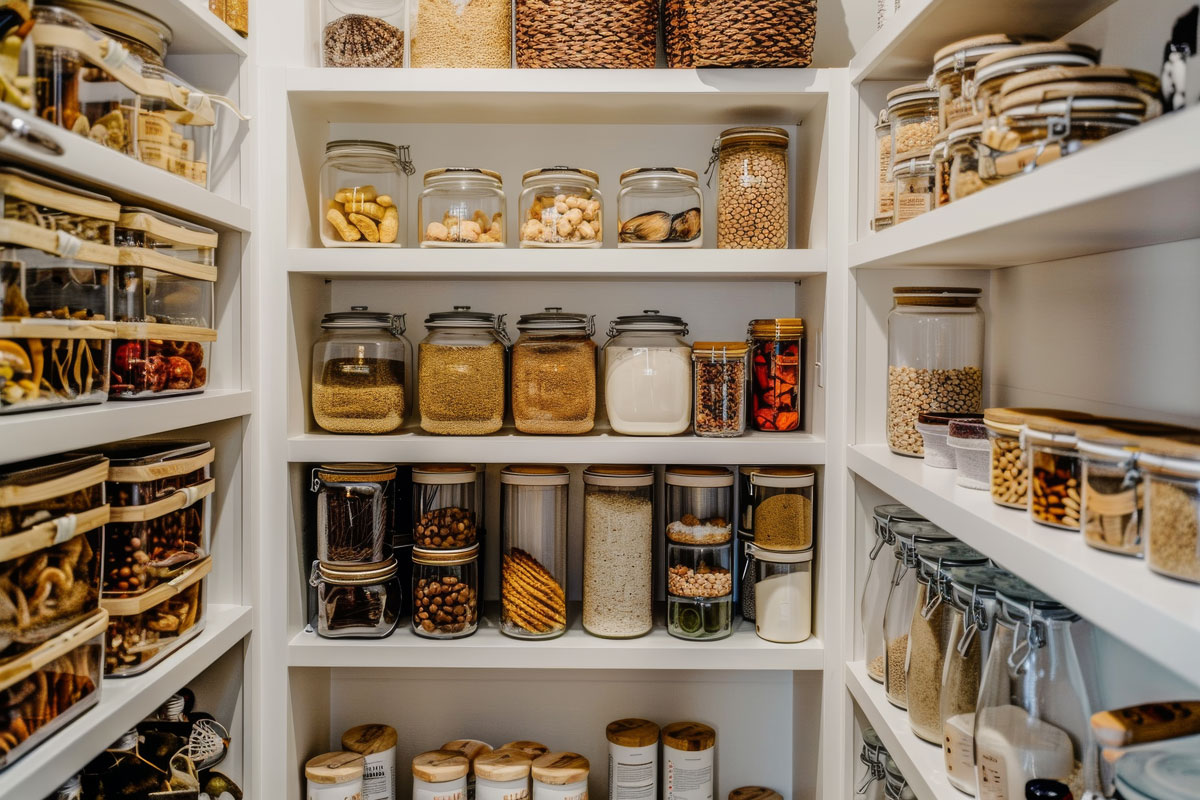
Credit: www.afreshspace.com
Labeling For Easy Access
Labeling items on deep pantry shelves ensures easy access and organization. Clearly marked labels help quickly identify stored goods, saving time during meal prep.
Organizing a pantry with deep shelves can sometimes feel like a daunting task. But with the right strategy, it becomes a breeze. One of the most effective ways to maintain order and achieve easy access is by using labels. Labels help you quickly identify what’s stored where, saving time and reducing frustration. They also ensure that everyone in the household knows exactly where to find and return items.Why Labels Matter
Labels create a visual inventory of your pantry. They make it easy to spot when an item is running low. Imagine reaching for pasta and realizing it’s all gone because it was hidden behind canned goods. With clear labels, you prevent such mishaps.Choosing The Right Labeling Materials
Invest in durable and easy-to-read labels. Consider waterproof options if you’re storing items that might leak. Chalkboard labels can be a fun, reusable choice for those who love flexibility.Consistent Labeling Techniques
Consistency is key to a well-organized pantry. Use the same font size and style for all labels. This uniformity makes it easier to scan the shelves quickly. You can even color-code labels by category, such as green for grains and red for sauces.Placement Of Labels
Place labels where they are most visible. For deep shelves, it might mean labeling the front edge of shelves or bins. This ensures you can see what’s stored without moving everything around.Personal Story On Labeling Success
A few months ago, I spent an entire afternoon labeling my pantry. Initially skeptical, I was amazed by the results. Now, even my kids can find their snacks without turning the pantry upside down. It’s a simple change that brought significant ease to our daily routine.Engaging Others In The Labeling Process
Involve your family or roommates in the labeling process. This not only speeds up the task but also helps everyone feel invested in maintaining the system. It might even spark some creative ideas on how best to organize your space. Labeling your pantry is a small effort that can greatly enhance functionality and aesthetics. Consider taking the plunge today—your future self will thank you!Implementing Shelf Dividers
Organizing a pantry with deep shelves can be challenging. Items often get lost in the back. Implementing shelf dividers can transform your pantry. These dividers help categorize and separate different items. They keep everything visible and within reach. This creates a neat and efficient storage space.
Understanding Shelf Dividers
Shelf dividers come in various materials and sizes. Choose ones that suit your pantry’s needs. They help in segmenting large spaces. This prevents items from toppling over. Dividers can be adjusted or fixed, based on preference.
Selecting The Right Dividers
Consider the weight and size of items. Choose sturdy dividers for heavier items. For lighter items, simple plastic dividers work. Measure your shelves before buying. This ensures a perfect fit.
Placement And Positioning
Start by sorting items into categories. Place dividers between different categories. Ensure that frequently used items are at the front. Adjust the dividers as needed. This allows easy access to all items.
Maintaining Order
Regularly check your pantry for expired items. Reorganize the items as needed. This ensures everything stays in its place. Keep a list of pantry items. This helps in maintaining an organized space.

Credit: www.thinkoutsidetheclosethouston.com
Utilizing Vertical Space
Deep shelves in pantries can be maximized by utilizing vertical space with stackable bins and tiered organizers. This arrangement helps keep items visible and accessible, reducing clutter. Adjust shelf heights to accommodate taller containers for efficient storage.
Utilizing vertical space in your pantry can transform those deep, cavernous shelves into an organized oasis. Instead of losing items to the back, think upwards. By maximizing the height of your shelves, you can increase storage efficiency without adding clutter.Hanging Baskets
Hanging baskets are a game-changer for deep pantry shelves. They allow you to use every inch of vertical space above your existing items. Consider using wire baskets or fabric options that can hook onto the front of a shelf. These baskets are perfect for holding smaller items like snacks or spices. This way, you can grab what you need without disrupting the order below. You’ll find it surprisingly satisfying to see everything hanging neatly within reach.Overhead Storage
Overhead storage can be your secret weapon for bulky or seldom-used items. Think about those oversized cereal boxes or extra bags of flour. Placing them on top of your shelves keeps them visible yet out of the way. Use clear bins or labeled baskets to keep things organized. This strategy not only saves space but also ensures easy access whenever you need to restock. Have you ever considered a lazy Susan for the topmost shelf? It can make reaching items stored high up a breeze. By rotating the turntable, you can quickly find what you need without a step stool.Arranging Items By Frequency Of Use
Organizing a pantry with deep shelves can be efficient by placing frequently used items at the front. This approach saves time and ensures easy access to daily essentials. Less used items can be stored toward the back, maximizing shelf space.
Organizing a pantry can transform your kitchen space. Especially with deep shelves, it’s vital to make smart use of every inch. One effective strategy is arranging items by frequency of use. This method ensures that you can easily reach the items you use most often, saving time and effort during meal prep. By placing frequently used items at the front, you streamline your cooking routine. This organization style caters to both efficiency and accessibility. It reduces clutter and enhances overall kitchen functionality.Identify Frequently Used Items
Start by identifying the items you use daily. These might include cereals, spices, or snacks. Keep these items within easy reach. Place them at the front of the shelves. This placement minimizes the time spent searching for essentials.Group Similar Items Together
Grouping similar items can enhance accessibility. Place canned goods together. Store baking supplies in one section. This grouping helps maintain order and makes retrieval easy.Utilize Clear Containers
Use clear containers for better visibility. They allow you to see the contents quickly. This can reduce the time spent rummaging through deep shelves. Transparent containers also add a neat look to your pantry.Adjust Shelf Height
If possible, adjust the shelf height to accommodate taller items. This can help optimize space. It also ensures that every item has a designated spot. Customizing shelf height can prevent wasted space and clutter.Consider Vertical Space
Make use of vertical space with stackable bins. This approach maximizes storage without overcrowding. Stackable bins are especially useful for small items. They keep things organized and easy to find.Label Everything
Labels can make a huge difference in keeping order. Label each container or section clearly. This practice helps everyone in the household find items easily. It also ensures that things return to their designated spots.Regularly Reassess Pantry Layout
Reassess the pantry layout every few months. This ensures that it continues to meet your needs. Seasonal changes might affect the frequency of use. Adjust placements accordingly to maintain efficiency.Incorporating Lazy Susans
Maximize pantry space by using Lazy Susans. Easily access items stored in deep shelves without constant rearranging. Enjoy a clutter-free and organized pantry that saves time and effort.
Incorporating Lazy Susans into your pantry organization can transform deep shelves. These rotating trays make accessing items effortless. They maximize space and bring forgotten items within reach. Lazy Susans add efficiency and convenience to your pantry setup.Finding The Right Size
Measure your shelf depth and width. Choose a Lazy Susan that fits snugly. Avoid overhanging edges to prevent items from falling.Choosing Material And Style
Lazy Susans come in various materials like plastic, wood, or metal. Pick one that matches your pantry’s aesthetic. Consider durability and ease of cleaning.Organizing By Category
Group similar items together. Use separate Lazy Susans for spices, canned goods, or snacks. This arrangement helps locate items quickly.Labeling For Easy Identification
Attach labels to each Lazy Susan. Clearly mark categories or specific items. This simple step saves time during meal prep.Regular Maintenance And Cleaning
Regularly check and clean your Lazy Susans. Remove expired products and wipe surfaces. Keep your pantry tidy and organized.Maintaining Organization
Organizing a pantry with deep shelves requires strategic placement of items. Place frequently used items in front for easy access. Use bins or baskets to group similar items together, maximizing vertical space.
Maintaining an organized pantry with deep shelves can be a rewarding yet challenging task. Deep shelves offer ample space, but without proper organization, they can quickly become a black hole for forgotten items. By maintaining organization, you ensure that your pantry remains a functional and efficient space where you can easily find what you need.Regular Decluttering
Regular decluttering is crucial to keep your pantry from becoming overwhelming. Set a schedule to review the contents of your pantry every few months. Check expiration dates and remove any stale or expired items. Consider donating unopened items that you no longer need. This not only helps others but also frees up valuable space. Think about what you truly use and what tends to linger on those deep shelves.Seasonal Adjustments
As seasons change, so do your cooking habits. Adjust your pantry organization to reflect the seasonal ingredients you use. In winter, you might prioritize soups and baking supplies, while summer might call for grilling essentials. Reorganize your pantry to keep seasonal items at the forefront. This makes them easier to access and reduces the time spent searching through deep shelves. Are there certain items you use only at specific times of the year? Move them to the back when they’re not in use. By staying on top of decluttering and making seasonal adjustments, you can maintain a pantry that’s not only organized but also a joy to use.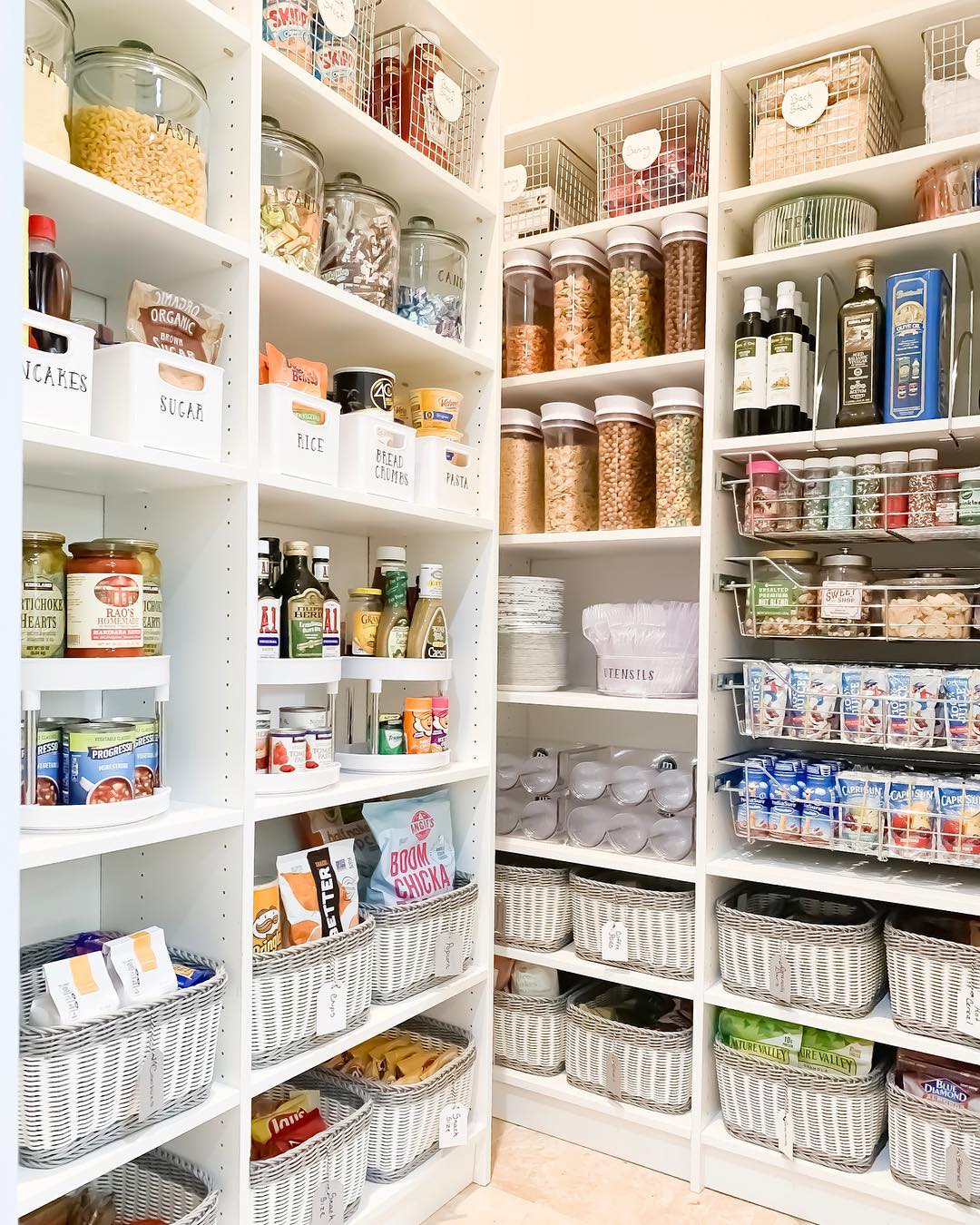
Credit: www.extraspace.com
Frequently Asked Questions
How To Organize A Pantry With Deep Shelves?
Use clear bins to categorize items and place frequently used items at the front. Label each bin for easy identification. Utilize risers or tiered shelves for visibility. Store heavy items on lower shelves. Regularly declutter and rearrange to maintain organization.
How Deep Can Pantry Shelves Be?
Pantry shelves typically range from 12 to 16 inches deep. This depth allows easy access and efficient storage. Choose the depth that suits your space and items. Consider adjustable shelves for added flexibility and organization. Proper planning ensures optimal usage and accessibility, making your pantry functional and convenient.
What To Do With Cabinets That Are Too Deep?
Install pull-out shelves or baskets for better accessibility. Use organizers to maximize storage. Add lighting inside cabinets.
How To Use Deep Shelves For Storage?
Organize items by frequency of use, placing less-used items at the back. Use labeled bins for easier access. Install pull-out drawers or sliding shelves for convenience. Maximize vertical space with stackable containers. Ensure proper lighting to improve visibility.
Conclusion
Organizing deep pantry shelves doesn’t have to be difficult. Start with simple steps. Use baskets to group similar items together. Label each basket clearly. This helps find things quickly. Store items based on frequency of use. Keep everyday items within easy reach.
Less used items can go at the back. Regularly clean and check for expired goods. This keeps your pantry fresh. A well-organized pantry saves time and reduces stress. Enjoy cooking with ease. Try these tips and watch your pantry transform into a functional space.
Happy organizing!

Hi, I’m Daniel Brooks—a food lover and kitchen gear enthusiast. I enjoy testing cookware, utensils, and gadgets to see what really works in everyday cooking. At PlugChef.com, I share honest reviews, comparisons, and simple guides to help you choose the best tools for a safer, smarter, and more enjoyable kitchen.
Related posts:
 What Type of Cooking Utensils are Safe: Expert Picks
 What Innovations Could Blenders Make: Unleashing Future Tech
 Smart Strategies to Organize a Small Kitchen: Maximize Space
 How to Organize a Kitchen Cabinet: Expert Tips & Tricks
 How to Organize Kitchen Drawers: Expert Tips and Tricks
 How to Organize a Corner Kitchen Cupboard: Expert Tips