
Are your pantry shelves a chaotic jumble of canned goods? You’re not alone.
Many of us struggle to keep our pantry organized, leading to wasted time and frustration when we can’t find what we need. Imagine opening your pantry to see neatly arranged rows of cans, each label facing forward, making it easy to grab exactly what you’re looking for.
This isn’t just a dream – it’s a reality you can achieve. By organizing your canned goods effectively, you not only create a visually pleasing space but also enhance your cooking efficiency and reduce food waste. You’ll discover simple yet powerful strategies to transform your pantry into a well-organized haven. Get ready to reclaim your kitchen space, reduce stress, and make meal prep a breeze. Keep reading to unlock the secrets of mastering pantry organization with ease!

Credit: food52.com
Benefits Of Organized Pantry
Organizing canned goods in the pantry saves time during meal prep. It helps in easily finding items and avoiding unnecessary purchases. A tidy pantry enhances kitchen efficiency and makes cooking a more enjoyable experience.
An organized pantry can transform your kitchen experience. By arranging your canned goods, you not only enhance the aesthetics of your space but also improve functionality. Imagine opening your pantry and finding exactly what you need without digging through a cluttered mess. This level of organization offers more than just visual appeal; it provides tangible benefits that simplify your daily life.Improved Efficiency
When your pantry is organized, finding ingredients becomes a breeze. You save time searching for that elusive can of tomatoes or jar of beans. With everything in its designated spot, meal prep turns into a streamlined process. Efficiency in the kitchen means more time spent enjoying your meals and less time hunting for missing items.Reduced Food Waste
How often have you discovered expired cans buried deep in your pantry? An organized system helps prevent this. By clearly labeling and rotating your stock, you can ensure older items are used first. This approach minimizes food waste and saves money, helping you make the most of every purchase.Enhanced Meal Planning
An orderly pantry aids in meal planning, offering a clear view of what you have on hand. With a quick glance, you can identify staple items and plan meals accordingly. This visibility encourages creativity in your cooking and helps you avoid unnecessary shopping trips.Increased Storage Space
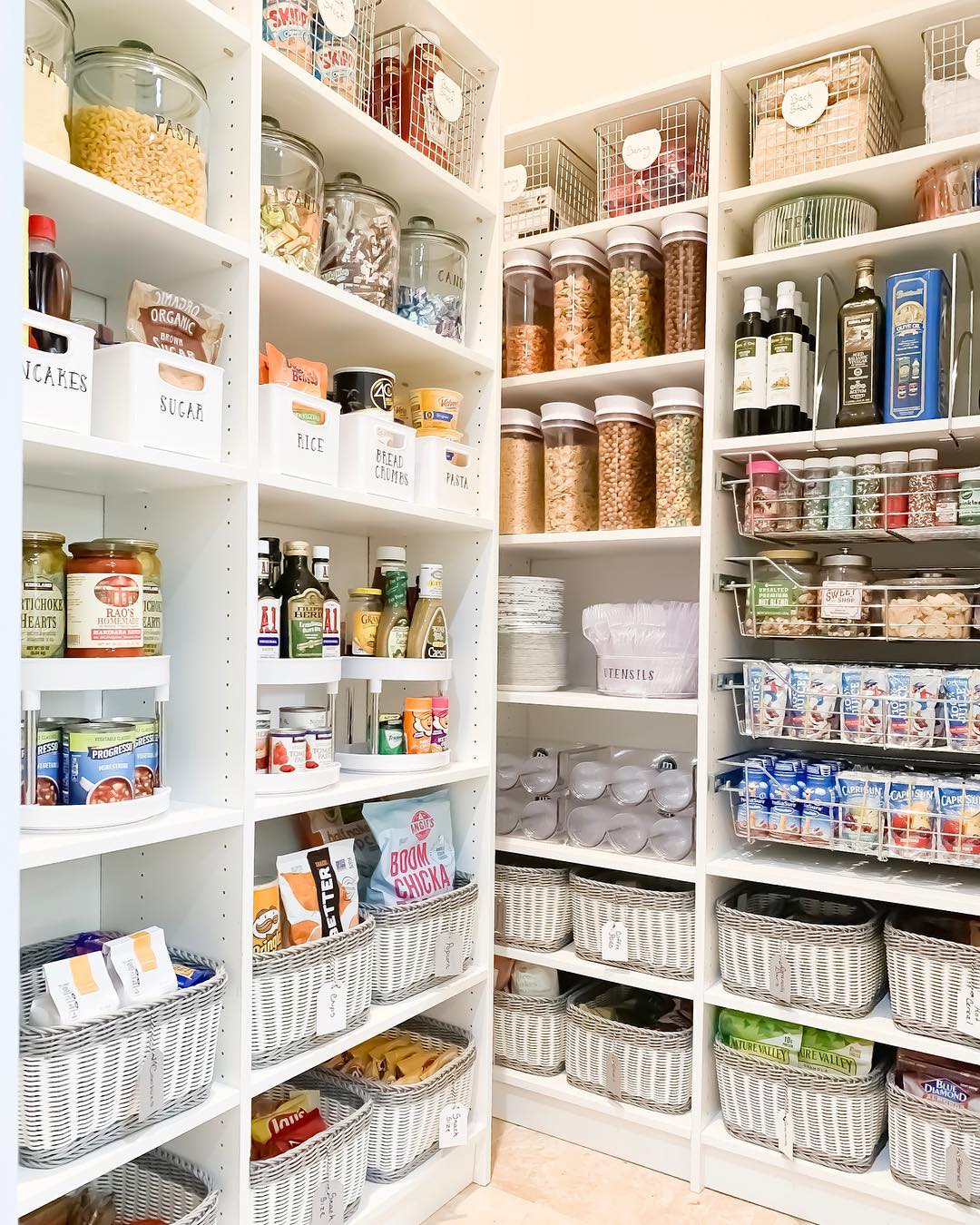
Organizing your canned goods can surprisingly free up more space. By using shelving, baskets, or stackable containers, you maximize your pantry’s capacity. This efficient use of space allows you to store more items neatly, making your pantry look less cluttered and more inviting.Stress Reduction
A chaotic pantry can lead to stress, especially during busy days when you need to cook quickly. An organized space reduces this stress, providing a sense of control and peace. You can focus on the joy of cooking rather than the frustration of searching for ingredients. Is your pantry organization enhancing your life as much as it could? Consider these benefits as motivation to rethink your setup. A few tweaks can transform your pantry into a powerful ally in your culinary adventures.Assessing Pantry Space
Maximize pantry space by stacking canned goods efficiently. Arrange cans by size and category for easy access. Use shelf organizers to keep everything visible and orderly.
Assessing pantry space is the first step to organizing canned goods. A well-organized pantry saves time and reduces food waste. It also makes cooking more enjoyable. Begin with assessing the available space.Measuring Dimensions
Start by measuring the dimensions of your pantry. Use a tape measure for accuracy. Record the width, depth, and height. These dimensions help determine shelving and storage solutions. Knowing the exact size prevents buying unsuitable organizers. It’s important to measure twice to ensure accuracy.Identifying Storage Zones
Divide your pantry into storage zones. Group similar items together for easy access. Create zones for canned vegetables, fruits, soups, and meats. Place frequently used items within easy reach. Use the top shelves for items used less often. This organization helps maintain order and avoids clutter. Zoning maximizes space and improves functionality.Choosing Storage Solutions
Choosing the right storage solutions for your pantry can transform chaos into order, making meal prep a breeze. The goal is to maximize space while keeping your canned goods accessible. Let’s dive into some practical options that can make your pantry a model of efficiency.
Utilizing Shelving Units
Shelving units are the backbone of any organized pantry. They provide a framework to neatly arrange your canned goods, allowing you to see everything at a glance. Adjustable shelves are particularly useful as they can be tailored to fit cans of different sizes. Consider installing wire racks or wooden shelves to accommodate your specific needs. Remember, visibility is key; place frequently used items at eye level.
Incorporating Stackable Bins
Stackable bins are a game changer for anyone looking to save space. They allow you to make the most of vertical storage, a feature often overlooked. Opt for clear bins to easily identify their contents without rummaging through. This method not only saves time but also reduces the chances of overlooking items that might expire soon. Think about how much easier meal planning could be with this simple addition.
Adding Pull-out Drawers
Pull-out drawers bring the contents of your pantry to you, reducing the need to reach into deep, dark corners. They are perfect for storing a variety of canned goods, ensuring that nothing gets lost or forgotten. Imagine the ease of finding that can of tomatoes right when you need it. Additionally, these drawers can be installed at different heights, making them accessible for everyone in the family. Ask yourself, could this be the solution to your pantry woes?
Categorizing Canned Goods
Organizing canned goods in the pantry helps maximize space and improve accessibility. Group items by type or expiration date for easy tracking. Maintain order by regularly checking stock and rotating older cans to the front.
Categorizing Canned Goods Having a well-organized pantry can make meal preparation smoother and more enjoyable. When it comes to canned goods, categorizing them effectively is a game-changer. By thoughtfully arranging your canned items, you ensure ease of access and prevent food waste. Let’s explore some practical ways to categorize your canned goods.Grouping By Type
Start by sorting your canned goods into categories such as vegetables, fruits, soups, beans, and meats. This method helps you quickly find the type of canned food you’re looking for without rummaging through the entire pantry. Consider using clear labels or dividers to keep these categories distinct. When you have guests over, they’ll be amazed at how effortlessly you find what you need.Arranging By Expiry Date
Once you’ve grouped your cans by type, it’s crucial to organize them by expiry date. Place the cans with the earliest expiration dates at the front, so they are used first. This practice minimizes the risk of cans expiring unnoticed at the back of your pantry. It’s a simple habit that can save you money and reduce food waste in the long run. Have you ever wondered how much food you might have wasted by not checking expiry dates? Being mindful of this can transform your pantry into a more efficient space.Labeling And Inventory
Organizing canned goods in your pantry can save time and space. Proper labeling and inventory management make finding what you need easy. It also helps avoid wasting food. These techniques ensure you know what you have and what’s running low.
Using Clear Labels
Clear labels are essential for a tidy pantry. Use large, readable fonts. Include the name and expiration date on each can. This helps in quickly identifying the contents. Consider color-coding labels for different categories. For instance, green for vegetables, red for sauces, and yellow for fruits. This simple system speeds up finding items during busy meal times.
Maintaining An Inventory List
Keeping an inventory list is crucial for stock management. Create a digital list on your phone or a paper one. Update it whenever you add or remove items. This keeps track of what’s in the pantry. You can organize the list by categories like soups, beans, or meats. Regular checks prevent surprise shortages. They also help in planning shopping trips effectively.
Implementing Rotation System
Implementing a rotation system for your canned goods can streamline your pantry. It helps in keeping your stock fresh. This system prevents food waste. It ensures you use items before they expire. Let’s dive into some effective strategies for organizing your canned goods.
First In, First Out Method
The First In, First Out (FIFO) method is simple. Place new cans behind older ones. This encourages using older items first. It reduces spoilage. It’s an effective way to keep your pantry organized. This method is especially useful for canned goods with long shelf lives.
Labeling can also help. Write the date of purchase on cans. This makes it easy to identify older items. A label maker or marker works well for this task.
Tracking Usage Patterns
Tracking usage patterns helps in maintaining a balanced stock. Keep note of which items are used most. This ensures you buy enough of what you need. It prevents overbuying less-used items.
A simple list can track usage. Note down each time you use a can. Reviewing this list helps in planning future purchases. It also aids in identifying any changes in your eating habits.
Utilizing Vertical Space
Maximizing vertical space can transform your pantry. It helps in organizing canned goods efficiently. With clever solutions, every inch becomes useful. This approach not only saves space but also keeps everything accessible. Let’s explore some practical ideas.
Installing Overhead Racks
Overhead racks are perfect for unused ceiling space. They provide extra storage without crowding the shelves. You can easily install them above existing cabinets. This keeps canned goods within reach yet out of the way. Ensure the racks are sturdy enough for the weight.
Hanging Storage Solutions
Hanging storage solutions offer flexibility. Use hooks or wire baskets on pantry doors. This creates a spot for lighter canned goods. It’s a smart way to utilize door space. Consider magnetic strips for metal cans. They keep items visible and organized. Always check that these solutions are secure.
Tips For Maintenance
Maintaining an organized pantry requires regular care. With the right tips, you can keep your canned goods tidy. This ensures easy access and minimizes waste. Let’s explore some effective maintenance tips.
Regular Clean-up Routine
Start by scheduling a regular clean-up. A monthly check works well. Remove expired cans and reorganize the shelves. This keeps your pantry fresh and clutter-free. Wipe down the shelves with a damp cloth. This prevents dust and sticky spills.
Labeling cans can help. Use bold markers or printed labels. This makes finding items quicker and easier. Keep similar items together. Group soups, beans, or vegetables on separate shelves. This speeds up meal prep and shopping.
Seasonal Reassessment
Each season brings different needs. Reassess your canned goods accordingly. In winter, stock up on soups and stews. In summer, focus on light fruits and veggies. Rotate your stock as seasons change.
Check for any forgotten cans. Donate those you won’t use. Keep your pantry aligned with current needs. This habit saves money and reduces waste. It also ensures you have fresh ingredients year-round.
Eco-friendly Storage Options
Embracing eco-friendly storage options in your pantry can be a rewarding venture. Not only do these choices help the environment, but they also enhance the organization and aesthetic appeal of your space. With a few mindful adjustments, you can create a pantry that reflects your commitment to sustainability while keeping your canned goods neatly arranged.
Choosing Reusable Containers
Reusable containers are a fantastic way to store your canned goods. Glass jars, stainless steel bins, and durable plastic tubs can be repurposed over and over. They help minimize waste and provide a clean, uniform look.
Consider swapping out single-use plastics for containers that have a longer lifespan. This small change can significantly reduce your environmental footprint.
Think about the sizes and shapes that best fit your pantry shelves. A well-chosen container can optimize space and make items easier to find.
Reducing Packaging Waste
Reducing packaging waste starts with mindful shopping. Choose canned goods with minimal packaging or opt for bulk purchases when possible.
After bringing your cans home, transfer them into your reusable containers. This not only reduces waste but also adds a layer of organization.
Have you considered making a list of brands that prioritize eco-friendly packaging? Supporting these companies can inspire broader change in packaging practices.
- Use labels to identify contents and expiration dates.
- Stack containers to maximize vertical space.
- Encourage family members to participate in the organization process.
Taking these steps not only helps the planet but also creates a pantry that is easy to navigate and pleasing to the eye. What changes can you make today to embrace eco-friendly storage in your pantry?
Credit: www.extraspace.com

Credit: www.instagram.com
Frequently Asked Questions
How To Make Cans Look Good In The Pantry?
Arrange cans by size and label for easy access. Use shelf organizers for a neat look. Group similar items together. Keep frequently used cans at eye level. Ensure labels face forward for quick identification. Consider adding decorative baskets or bins for a stylish touch.
What Are The 7 Pantry Zones?
Pantry zones consist of canned goods, dry goods, spices, baking supplies, snacks, breakfast items, and beverages. Organize each category for easy access and efficient storage. Properly zoning helps in maintaining inventory and preventing waste. Use clear containers and labels to streamline your pantry organization.
How Long Can You Keep Canned Goods In Your Pantry?
Canned goods can last 1-5 years in your pantry, depending on the type. Check expiration dates for safety. Store in a cool, dry place to maintain quality. Rotate cans regularly to use older items first. Discard cans that are leaking, rusting, or bulging to avoid health risks.
What Is The Best Canned Food To Stockpile?
The best canned foods to stockpile include beans, vegetables, fruits, soups, and meats. These provide nutrition and long shelf life. Choose low-sodium options for healthier choices. Ensure variety to meet dietary needs and preferences. Always check expiration dates and store in a cool, dry place for longevity.
Conclusion
Organizing canned goods in your pantry brings peace and efficiency. It saves time and reduces stress during meal prep. Labels help find items quickly. Use shelves to maximize space. Group similar items together for easy access. Rotate cans to keep them fresh.
A tidy pantry makes cooking enjoyable. You know what you have and what you need. Start small and make organizing a routine. Enjoy the benefits of a well-arranged pantry. Your kitchen becomes a pleasant place to work. Happy organizing!

I’m Abby Lu, a passionate home cook who loves simplifying everyday meals. At PlugChef.com, I share product reviews and cooking guides to help you find the best tools for your kitchen.
Related posts:
 What Type of Cooking Utensils are Safe: Expert Picks
 What Innovations Could Blenders Make: Unleashing Future Tech
 Smart Strategies to Organize a Small Kitchen: Maximize Space
 How to Organize a Kitchen Cabinet: Expert Tips & Tricks
 How to Organize Kitchen Drawers: Expert Tips and Tricks
 How to Organize a Corner Kitchen Cupboard: Expert Tips