
Imagine opening your pantry and finding everything neatly organized, making it easy to grab what you need for tonight’s dinner. Organizing canned goods in your pantry is not just about tidiness; it’s about creating a space that works for you and reduces stress.
You might be surprised at how a little organization can transform your cooking routine and even save you money. By keeping track of what you have, you can avoid unnecessary purchases and make sure nothing goes to waste. This article will guide you through simple steps to get your pantry in order, making your life easier and your kitchen more efficient.
Dive in and discover how a few changes can lead to a more organized, stress-free home.
Decluttering The Pantry
Organizing canned goods in your pantry creates more space and makes items easy to find. Group cans by type or expiration date for better organization. Use clear containers or labels for quick identification, keeping the pantry tidy and efficient.
Decluttering the pantry can transform chaos into calm. Imagine reaching for a can of soup and finding it instantly, without rifling through piles of mismatched tins. A well-organized pantry not only saves time but also reduces food waste. Let’s dive into some practical steps to get your pantry in tip-top shape.Assess Your Inventory
Start by pulling everything out of the pantry. Lay it all on the counter, and take stock of what you have. You might discover cans of beans you forgot about or expired goods lurking in the back.Sort Items By Category
Group similar items together. Place soups, beans, and vegetables in separate piles. This helps visualize what you have and makes it easier to find what you need later.Check Expiration Dates
Examine each can for its expiration date. Dispose of anything that’s past its prime. This is a crucial step in preventing food waste and ensuring that your pantry is stocked with fresh items.Consider Accessibility
Think about how you use your pantry. What items do you reach for the most? Arrange these towards the front for easy access. Lesser-used items can go towards the back.Label For Clarity
Use labels or markers to identify categories. It’s amazing how much time a simple label can save. This is especially useful if you share your pantry with family members who might not know where to find things.Utilize Vertical Space
Don’t forget the high shelves. Use risers or stackable bins to maximize vertical space. This can help you fit more items without cluttering the front shelves.Maintain Regularly
Set aside time each month to tidy up and reassess your inventory. This keeps your pantry organized and prevents the clutter from sneaking back in. By decluttering your pantry, you create a space that’s functional and inviting. Why not start today and enjoy a more harmonious kitchen space?Categorizing Can Goods
Organize your pantry by grouping canned goods by type. Store similar items together for easy access and visibility. Label shelves or containers to quickly find what you need.
Categorizing can goods in your pantry is an essential step towards maintaining an organized and efficient kitchen. It makes cooking easier, saves time, and prevents waste. Imagine opening your pantry and immediately finding what you need without rummaging through endless cans. This process not only streamlines meal preparation but also ensures that you utilize your stock effectively.Organize By Food Type
Start by grouping your canned goods based on their food type. Store vegetables together, fruits in another section, and soups in yet another. This method helps you quickly locate items when preparing meals. You’ll find it convenient to have all your tomato-based products in one place when making a pasta sauce.Sort By Usage Frequency
Arrange your cans based on how often you use them. Place frequently used items at the front and rarely used ones at the back. This setup ensures easy access to your everyday staples, reducing the time spent searching for them. Think about those busy weeknight dinners when grabbing a can of beans swiftly makes all the difference.Consider Expiration Dates
Keep an eye on expiration dates. Organizing cans by their shelf life can prevent food waste. Place cans with nearer expiration dates towards the front to remind you to use them first. You might discover a long-forgotten can that needs to be consumed soon, saving you from unnecessary waste.Use Labels And Containers
Labels and containers can be your best friends in pantry organization. Use clear containers to store similar items together and label them accordingly. This not only keeps things tidy but also makes it easy for anyone in the household to find what they need. Have you ever thought of using small bins for certain categories like soup cans or fruit cans? It’s a simple trick that can transform your pantry.Embrace Seasonal Organization
Seasonal organization can be a fun approach. As seasons change, so do your cooking habits. Consider rearranging your cans based on seasonal recipes. It keeps your pantry fresh and relevant to your current cooking style. Are you stocking up on pumpkin puree for fall recipes? Keep them front and center as the season approaches. By categorizing your canned goods with these strategies, you create a pantry that is not only organized but also a joy to use. How will you start organizing your cans today?Utilizing Vertical Space
Maximize pantry storage by stacking canned goods vertically. This simple method saves space and keeps items visible. Use shelves or organizers to maintain order.
When organizing canned goods in your pantry, utilizing vertical space can transform a cluttered shelf into a well-organized storage haven. This strategy is particularly useful if you have limited horizontal space but plenty of vertical room. By stacking cans and using tiered shelving, you can maximize your storage capacity and make every item easily accessible.Use Adjustable Shelving
Adjustable shelving units allow you to customize the height between shelves according to your needs. This flexibility means you can accommodate taller cans or jars without wasting vertical space. When I first adjusted my pantry shelves, I was amazed at how much more I could store simply by tweaking the height.Stacking Cans Safely
Stacking cans is a simple yet effective way to utilize vertical space. Ensure that heavier cans are placed at the bottom to prevent toppling. You can even use stacking racks designed for cans to make the process more stable and organized. Have you ever found a forgotten can at the back of your pantry? This method reduces that risk significantly.Install Tiered Shelves
Tiered shelves are a game changer for canned goods organization. They allow you to see all your cans at a glance, without having to dig through layers. These shelves create a stair-like effect, providing visibility and easy access. Imagine the convenience of knowing exactly where your favorite soup is without having to rummage through the pantry.Consider Hanging Options
If your pantry has doors, you can hang racks on the inside to store lighter cans or jars. These hanging racks are perfect for items you reach for frequently, keeping them at eye level. It’s an innovative way to make use of every inch of available space, and it might just surprise you how much it can hold.Use Clear Containers
Clear containers can be stacked to utilize vertical space while keeping everything visible. Group similar items together and label the containers for quick access. This method not only saves space but also adds a neat, organized look to your pantry. Plus, it’s incredibly satisfying to open a pantry door and see everything perfectly arranged and easy to reach. By thoughtfully utilizing vertical space, you can significantly enhance your pantry’s capacity and functionality. Which method will you try first?
Credit: www.amazon.com
Labeling For Easy Access
Labeling shelves in the pantry ensures quick access to canned goods. It simplifies meal planning and reduces clutter. Clear labels help everyone find items easily.
Labeling your canned goods is an essential step towards achieving a well-organized pantry. It not only enhances accessibility but also minimizes the time spent searching for specific items. With clear and consistent labeling, you can transform a chaotic pantry into an efficient space that caters to your daily needs effortlessly.Use Clear And Large Fonts
Selecting the right font size and style is crucial. Labels with clear and large fonts are easy to read, even from a distance. This ensures that anyone in your household can quickly find what they need without squinting or shuffling through cans.Color-coding For Categories
Color-coding is a game-changer in pantry organization. Assign different colors for categories like vegetables, fruits, and soups. This visual cue helps you locate items at a glance, saving precious time during meal prep.Include Expiration Dates
Adding expiration dates to your labels is a smart move. It helps in managing your pantry inventory effectively, ensuring you use items before they go bad. This practice reduces food waste and keeps your pantry stocked with fresh goods.Utilize Printable Labels
Printable labels offer a uniform look and can be easily customized. Download templates online and print them at home to maintain a cohesive aesthetic. This is particularly helpful if you’re not confident in your handwriting.Invest In A Label Maker
A label maker can be a worthy investment for long-term organization. It provides professional-looking labels that are durable and easy to apply. This tool is especially useful if you frequently update your pantry stock.Consider Waterproof Options
Waterproof labels ensure longevity and cleanliness in your pantry. They withstand spills and moisture, maintaining their readability over time. This feature is especially valuable in a busy household with young kids or pets.Personalize Your System
Tailor your labeling system to suit your lifestyle and preferences. Whether you prefer minimalist designs or vibrant patterns, personalization makes the process enjoyable. It also ensures that your pantry reflects your unique taste and needs. By implementing these labeling strategies, you can transform your pantry into a space of order and efficiency. Which strategy will you try first?Rotating Stock For Freshness
Rotating stock in your pantry ensures canned goods stay fresh. Place newer cans behind older ones for easy access. This simple method helps prevent expired food and saves money.
Rotating stock in your pantry ensures you use the freshest cans first. This practice saves money by reducing waste from expired goods. It also keeps your meals tasting their best with fresh ingredients. Let’s explore some simple strategies for rotating stock effectively.Understanding Expiration Dates
Check expiration dates before placing new cans in the pantry. Place cans with the earliest dates at the front. This simple habit helps you grab the oldest cans first. It also keeps your pantry neat and organized.Implementing The First In, First Out (fifo) Method
This method is crucial for maintaining freshness. Store newly purchased cans behind older ones. This way, you naturally use older cans first. It requires a bit of effort but pays off with less waste.Creating A Systematic Layout
Arrange cans in categories like soups, vegetables, and fruits. Keep them in rows with the oldest in front. This system helps you quickly find what you need. It saves time during meal prep and keeps everything visible.Regular Inventory Checks
Schedule regular checks to review your pantry stock. Look for cans nearing their expiration date. Plan meals around these items to use them up. This habit prevents surprises and keeps your pantry efficient.Labeling For Quick Access
Use labels to mark expiration dates on can tops. It helps you see the date without moving everything. This quick tip speeds up the process of choosing which can to use. It also adds an extra layer of organization.
Credit: thecrownedgoat.com
Creative Storage Solutions
Organizing canned goods in the pantry can transform storage efficiency. Utilize stackable shelves or baskets for easy access and visibility. Label each section to quickly locate items and ensure older cans are used first.
Organizing canned goods in your pantry can transform a chaotic space into a functional and aesthetically pleasing area. With creative storage solutions, you can maximize your pantry’s potential and make every item easily accessible. These solutions not only save space but also add a touch of ingenuity to your kitchen organization.Using Stackable Shelves
Stackable shelves are a game-changer for pantry organization. They allow you to utilize vertical space, which is often overlooked. By stacking your cans, you create additional levels, making it easier to see and reach everything. Imagine opening your pantry and immediately spotting the can of beans you need for dinner. Stackable shelves enable you to group similar items together, such as soups, vegetables, or sauces. This method also prevents cans from toppling over, maintaining a neat and orderly space. Stackable shelves are available in various sizes, so you can customize them to fit your pantry’s dimensions. If you’re short on space, consider adjustable shelves that can be tailored to your specific needs. This flexibility ensures that no space is wasted.Incorporating Lazy Susans
Lazy Susans are a clever way to keep your canned goods easily accessible. They allow you to spin items around, making it easy to find what you need without rummaging through stacks. This is particularly useful for deep or corner pantry shelves. Picture this: you’re in the middle of cooking, and you need tomato paste from the back of the shelf. With a Lazy Susan, a simple spin brings it to the front. This saves you time and reduces the risk of knocking over other items. Lazy Susans come in different sizes and materials, allowing you to choose one that suits your pantry style. Consider using two—one for canned vegetables and another for fruits—to create designated zones. This not only organizes your pantry but also makes meal preparation more efficient. Incorporating these creative storage solutions can revolutionize how you use your pantry. How might these ideas change your daily kitchen experience? Give them a try and enjoy a more organized, functional space.Maintaining An Organized Pantry
Maintaining an organized pantry begins with sorting canned goods by type and expiration date. Arrange cans in rows for easy access. Label shelves to quickly find what you need.
Maintaining an organized pantry is crucial for efficient meal prep and reducing food waste. When your pantry is clutter-free and items are easy to find, it saves time and stress during busy weekdays. A well-ordered pantry also helps you keep track of what you have, ensuring that you don’t buy unnecessary duplicates or let items expire.Regularly Rotate And Check Expiry Dates
A key habit for maintaining an organized pantry is to regularly rotate your canned goods. Place newer items at the back and move older ones to the front. This simple step ensures nothing goes past its expiry date unnoticed. Set a reminder to check dates once a month. It’s a small task that keeps your pantry fresh and safe.Use Clear Containers And Labels
Invest in clear storage containers for your dry goods. This not only makes it easy to see what you have but also keeps everything neat and tidy. Label each container with its contents and the expiry date for quick reference. You’ll be surprised how much easier meal planning becomes when you can see everything at a glance.Group Similar Items Together
Organize your pantry by grouping similar items together. Store all canned vegetables on one shelf and canned fruits on another. This method helps you quickly find what you’re looking for and keeps your pantry from becoming chaotic. Consider using baskets or bins to contain smaller items.Maximize Vertical Space
Don’t overlook the vertical space in your pantry. Use stackable shelves or risers to make use of every inch. Hanging racks on the inside of pantry doors can also provide extra storage for spices or smaller cans. By taking advantage of vertical space, you can create a more spacious and accessible pantry.Maintain A Regular Cleaning Schedule
Set a regular schedule to clean your pantry. Wipe down shelves and sweep the floor to keep it free from crumbs and spills. A clean pantry is not only more pleasant to use but also helps prevent pests. Establishing a routine cleaning schedule ensures your pantry remains in top condition year-round. Is there a system that works best for your pantry organization? The key is finding a method that suits your lifestyle and sticking with it. Your pantry can be both functional and inviting with just a little effort and creativity.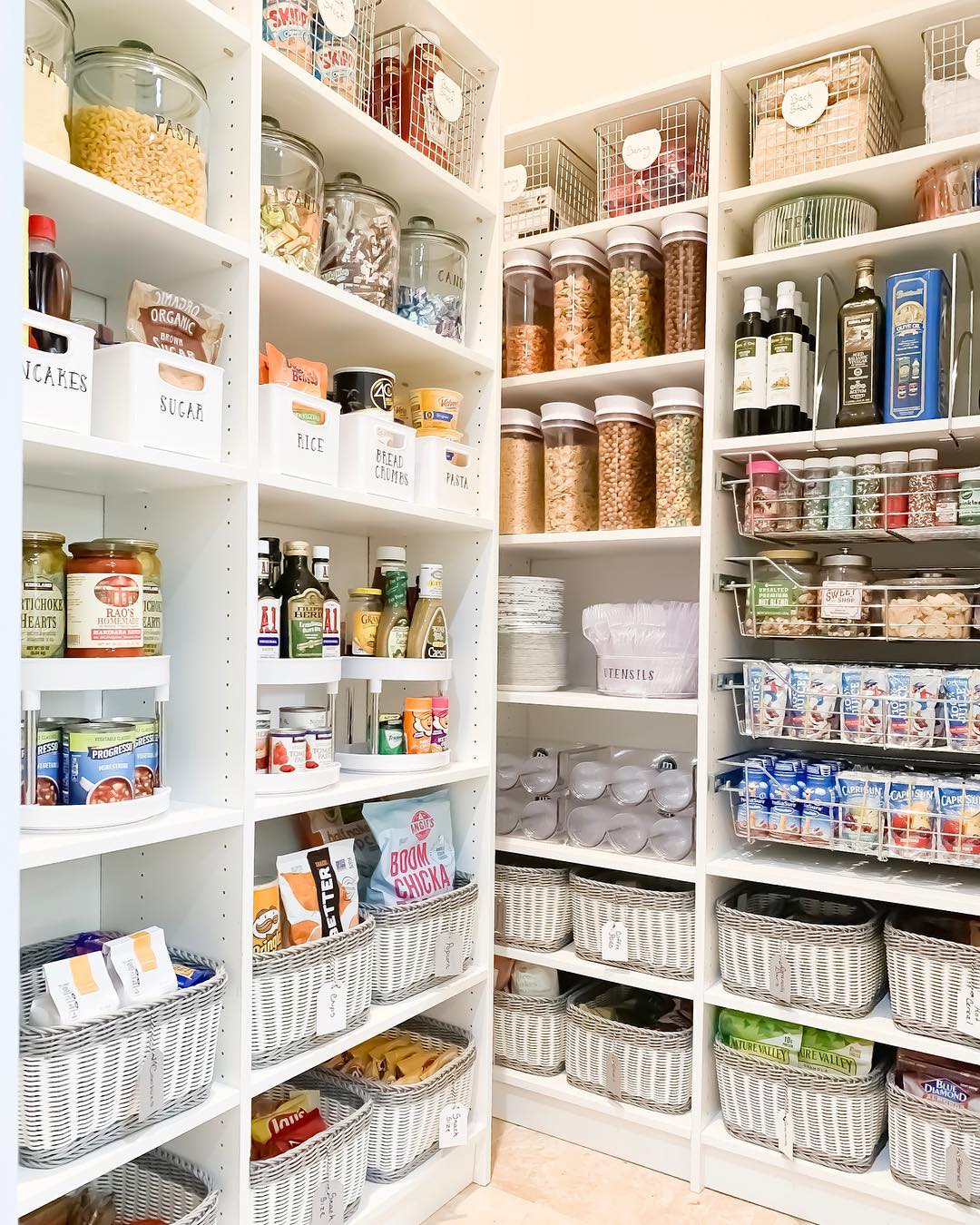
Credit: www.extraspace.com
Frequently Asked Questions
How To Make Cans Look Good In The Pantry?
Arrange cans by size and type for a neat look. Use labels for easy identification. Employ shelf organizers or baskets to maximize space. Stack cans to utilize vertical space efficiently. Regularly rotate stock to ensure freshness and maintain order.
What Are The 7 Pantry Zones?
The 7 pantry zones are baking supplies, grains and pasta, breakfast items, canned goods, snacks, spices, and condiments. Each zone helps organize items for easy access and efficient storage. Properly categorizing these zones can streamline meal preparation and maintain a tidy pantry.
How Long Can You Keep Canned Goods In Your Pantry?
Canned goods typically last 1-5 years in your pantry. Check expiration dates for best quality. Keep them in a cool, dry place to extend their shelf life. Regularly inspect for damage or rust. Rotate stock to use older cans first.
What Is The Best Canned Food To Stockpile?
The best canned foods for stockpiling include beans, vegetables, fruits, tuna, and chicken. They offer essential nutrients and long shelf life. Choose low-sodium options for better health. Ensure you rotate your stock to maintain freshness and avoid waste.
Conclusion
Organizing canned goods in your pantry is simple and rewarding. It saves time during meal prep. Finding items becomes easier. Plus, it maximizes space efficiently. Group similar cans together for easy access. Label shelves for quick identification. This method reduces clutter effectively.
You’ll enjoy a tidy, functional pantry. A well-organized pantry also helps with grocery shopping. You quickly see what you need to buy. This system enhances your kitchen routine. Start organizing today and enjoy the benefits tomorrow. A little effort now brings lasting convenience.
Your pantry can be a space of order and ease.

Hi, I’m Daniel Brooks—a food lover and kitchen gear enthusiast. I enjoy testing cookware, utensils, and gadgets to see what really works in everyday cooking. At PlugChef.com, I share honest reviews, comparisons, and simple guides to help you choose the best tools for a safer, smarter, and more enjoyable kitchen.
Related posts:
 What Type of Cooking Utensils are Safe: Expert Picks
 What Innovations Could Blenders Make: Unleashing Future Tech
 Smart Strategies to Organize a Small Kitchen: Maximize Space
 How to Organize a Kitchen Cabinet: Expert Tips & Tricks
 How to Organize Kitchen Drawers: Expert Tips and Tricks
 How to Organize a Corner Kitchen Cupboard: Expert Tips