
When you’re out on your mountain bike, the last thing you want is to be caught off guard by a scrape, cut, or injury. Having a well-packed mountain biking first aid kit can make all the difference between a quick fix and a trip back home in pain.
You never know when a fall or accident might happen, so being prepared is key to staying safe and confident on the trails. You’ll discover exactly what your first aid kit needs to have and why each item matters. Keep reading to make sure you’re ready for whatever the trail throws at you.
Importance Of First Aid Kits
Having a first aid kit on your mountain biking trips isn’t just a good idea—it can be a game changer. Accidents happen even on the easiest trails, and being prepared can make a real difference in how you handle injuries. Imagine being miles away from help with a deep cut or a sprain; your first aid kit becomes your lifeline.
Immediate Response To Injuries
Speed is crucial when dealing with injuries. A well-stocked first aid kit allows you to quickly clean wounds, stop bleeding, and reduce pain. This rapid response can prevent infections and complications that might otherwise ruin your ride or even your health.
Think about a time you or someone you know got hurt on a ride. Did you have what you needed to act fast? If not, how much worse did the situation get because of the delay?
Boosting Confidence On The Trail
Carrying a first aid kit boosts your confidence as a rider. Knowing you have the tools to manage common injuries means you can focus more on the trail and less on what could go wrong. This mindset often leads to better decision-making and safer riding habits.
Essential Items Tailored For Mountain Biking
Your first aid kit should include items that match the unique risks of mountain biking. Consider:
- Antiseptic wipes and ointment for cuts and scrapes
- Elastic bandages for sprains and strains
- Pain relievers and allergy medication
- Blister treatment supplies
- A compact emergency blanket for shock or cold
Having these supplies ready helps you handle injuries effectively without carrying unnecessary weight.
Helping Others On The Trail
Mountain biking is often a shared adventure. Your first aid kit could be vital not just for you but for fellow riders. Being prepared means you can assist others, which builds trust and camaraderie within your riding group.
Have you ever been the one to help a friend in need? How did it change your perspective on carrying first aid supplies?
Basic First Aid Items
Having a well-prepared first aid kit is essential for every mountain biker. Basic first aid items can turn a potentially serious injury into a manageable situation. They help you respond quickly and confidently when accidents happen on the trail.
Bandages And Dressings
Bandages and dressings are your frontline defense against cuts, scrapes, and blisters. Carry a variety of sizes, including adhesive strips and larger gauze pads, to cover wounds of different sizes. I once underestimated the need for larger dressings during a long ride, and it made handling a deep scrape much harder than it should have been.
Remember to include waterproof options. Trails can be muddy or wet, and keeping wounds clean and dry speeds up healing. How often do you check the condition of your bandages before heading out?
Antiseptic Wipes And Creams
Cleaning a wound properly is the first step in preventing infection. Antiseptic wipes are compact and easy to use for quick cleansing right after injury. You don’t want dirt and germs to settle in before you get home.
Adding antiseptic creams or ointments helps keep the wound moist, promoting faster healing and reducing scarring. These small items can make a big difference, especially when you’re far from medical help. What’s your go-to antiseptic product on the trail?
Pain Relievers
Pain relief isn’t just about comfort; it can help you think clearly and make better decisions during an emergency. Over-the-counter pain relievers like ibuprofen or acetaminophen are lightweight and effective. They reduce inflammation and manage pain, which is crucial if you need to finish your ride or get to safety.
Keep your pain relievers in a sealed container to protect them from moisture and damage. Have you ever had to pause a ride because of pain that could have been managed with a simple pill?
Specialized Gear For Biking
Specialized gear enhances safety and comfort during mountain biking. It addresses specific risks and challenges riders face outdoors. Proper equipment supports quick first aid and helps prevent injuries.
Mountain bikers need gear designed for rough terrain and changing weather. Compact, durable items fit easily in a backpack or bike bag. This gear ensures readiness without slowing the ride.
Hydration Solutions
Hydration is crucial during long rides. Dehydration lowers focus and energy, increasing accident risk. Water bottles and hydration packs keep fluids accessible.
- Hydration packs with a drinking tube allow hands-free sipping.
- Insulated bottles keep water cool for hours.
- Electrolyte tablets help replace lost minerals fast.
- Compact water filters enable safe refills from natural sources.
Stay hydrated to maintain strength and alertness on trails.
Sun And Bug Protection
Sun and insect exposure can cause discomfort and health issues. Sunscreen and bug spray protect skin effectively. Choose products that resist sweat and water.
- Sunscreen with high SPF blocks harmful UV rays.
- Lightweight, breathable clothing shields skin from sunburn.
- Insect repellent prevents bites and potential infections.
- Head nets protect the face during heavy bug seasons.
Proper protection keeps riders focused and injury-free during outdoor adventures.
Credit: medium.com
Emergency Tools
Emergency tools are essential for mountain biking safety. They help fix bike issues and navigate tough trails. Carrying the right tools prevents small problems from turning into big ones. Always prepare for unexpected situations during your ride. A well-stocked first aid kit must include these key emergency tools.
Multi-tools And Repair Kits
Multi-tools combine many functions in one compact device. They often include screwdrivers, wrenches, and tire levers. Repair kits add patches, glue, and spare tubes. These tools fix flat tires, loose bolts, and chain problems quickly. Carrying a multi-tool and repair kit saves time and effort on the trail.
Maps And Gps Devices
Maps show the trail layout and important landmarks. GPS devices provide real-time location and route tracking. Both tools help prevent getting lost in remote areas. They also assist in finding the fastest way back. Digital GPS devices often include emergency SOS features for extra safety.
Personalized Additions
Personalized additions to a mountain biking first aid kit make all the difference during an emergency. Basic supplies handle common injuries, but personal needs require special attention. Tailoring your kit ensures readiness for unique health conditions. This custom approach boosts safety and confidence on every ride.
Medication And Prescriptions
Include any daily medications in your kit. Pack enough for the entire trip plus extra in case of delays. Store pills in waterproof containers to prevent damage. Label each container clearly with the medication name and dosage instructions. Carry a list of all prescriptions with your doctor’s contact information. This helps emergency responders know your medical history quickly.
Allergy Treatments
Allergy sufferers should add specific treatments to their kit. Include antihistamines for mild reactions. Carry an epinephrine auto-injector if prescribed. Make sure it is within its expiration date. Keep allergy medications accessible and easy to find. Inform your riding partners about your allergies and treatment plan. This quick action can prevent serious complications after a bite or sting.

Credit: www.peaksecourisme.com
Packing Tips
Packing the right first aid kit for mountain biking can make a huge difference in handling unexpected injuries quickly and efficiently. Your kit should be easy to carry yet fully equipped for common trail mishaps. The goal is to balance preparedness with convenience, so your pack doesn’t weigh you down or slow you during rides.
Compact And Lightweight Options
Choose items designed specifically for outdoor activities—small, multipurpose, and lightweight. For example, instead of bulky gauze pads, opt for compressed gauze that expands when needed. Compact antiseptic wipes and mini bandage rolls save space but don’t compromise on care.
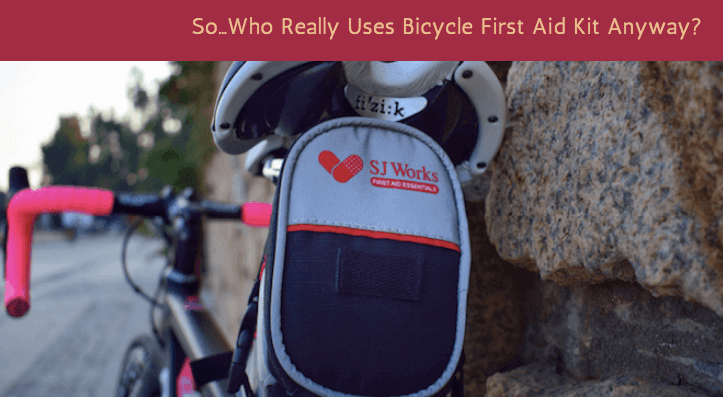
Think about the weight on your back; every extra ounce counts when climbing steep trails. A tiny first aid kit that fits into a jersey pocket or hydration pack makes it easier to carry without hassle. Have you tried swapping out traditional scissors for trauma shears that fold flat? They take up less room and are safer to pack.
Organizing Your Kit
Keep your supplies visible and sorted to avoid fumbling during emergencies. Use clear, resealable bags or small compartments to separate items like bandages, medications, and tools. This simple step cuts down on stress when you need to find something quickly.
Labeling each section or bag can save precious seconds. For example, you might have one pouch for wound care and another for pain relief. Ask yourself—how quickly can you grab what you need if your hands are shaky or dirty?
Credit: medium.com
Frequently Asked Questions
What Essential Items Are In A Mountain Biking First Aid Kit?
A mountain biking first aid kit should include bandages, antiseptic wipes, pain relievers, tweezers, adhesive tape, and gloves. These items help treat cuts, scrapes, and minor injuries quickly while on the trail, ensuring safety and prompt care during rides.
How Do I Choose A Compact First Aid Kit For Biking?
Choose a compact first aid kit that is lightweight, durable, and waterproof. It should fit easily in your backpack or bike bag. Prioritize essential items and avoid bulky supplies to keep your kit practical and convenient for mountain biking adventures.
How Often Should I Update My Mountain Biking First Aid Kit?
Update your mountain biking first aid kit every six months or after use. Check expiration dates on medications and replace used or damaged items. Regular updates ensure your kit remains effective and ready for emergencies during rides.
Can A First Aid Kit Prevent Serious Mountain Biking Injuries?
A first aid kit helps manage minor injuries promptly, reducing infection risk and complications. While it can’t prevent serious injuries, quick treatment can stabilize wounds until professional help is available. Always combine a kit with safe riding practices.
Conclusion
A good first aid kit keeps you safe on mountain trails. It helps treat cuts, scrapes, and small injuries fast. Carry essential items like bandages, antiseptic wipes, and pain relief. Knowing how to use your kit is just as important.
Staying prepared means you can enjoy biking with less worry. Safety should always come first, no matter the ride. Pack smart and ride confident. Your health matters most out there.

I’m Abby Lu, a passionate home cook who loves simplifying everyday meals. At PlugChef.com, I share product reviews and cooking guides to help you find the best tools for your kitchen.
Related posts:
 What Type of Cooking Utensils are Safe: Expert Picks
 What Innovations Could Blenders Make: Unleashing Future Tech
 Smart Strategies to Organize a Small Kitchen: Maximize Space
 How to Organize a Kitchen Cabinet: Expert Tips & Tricks
 How to Organize Kitchen Drawers: Expert Tips and Tricks
 How to Organize a Corner Kitchen Cupboard: Expert Tips