
When it comes to being prepared for emergencies, having the right first aid kit can make all the difference. You want something reliable, sturdy, and packed with essentials that can handle any situation.
That’s where a Military Surplus First Aid Kit comes in. Designed for tough conditions and built to last, these kits offer more than your average first aid pack. If you care about your safety and want peace of mind whether you’re hiking, camping, or just ready for the unexpected, keep reading.
This guide will show you why a military surplus first aid kit might be the smartest choice you make today.
Benefits Of Military Surplus Kits
Military surplus first aid kits offer more than just basic emergency supplies. Their design and contents reflect the real needs of soldiers in tough environments. This makes them a smart choice for anyone wanting reliable, ready-to-use medical support.
Durability And Quality
These kits are built to withstand harsh conditions. The materials used are tough and often water-resistant, protecting the contents from damage. You won’t have to worry about your supplies getting ruined if the kit gets dropped or exposed to rain.
Military-grade packaging means the kit stays intact even during rough handling. This durability can be a lifesaver when you need quick access to your medical tools in stressful situations.
Comprehensive Contents
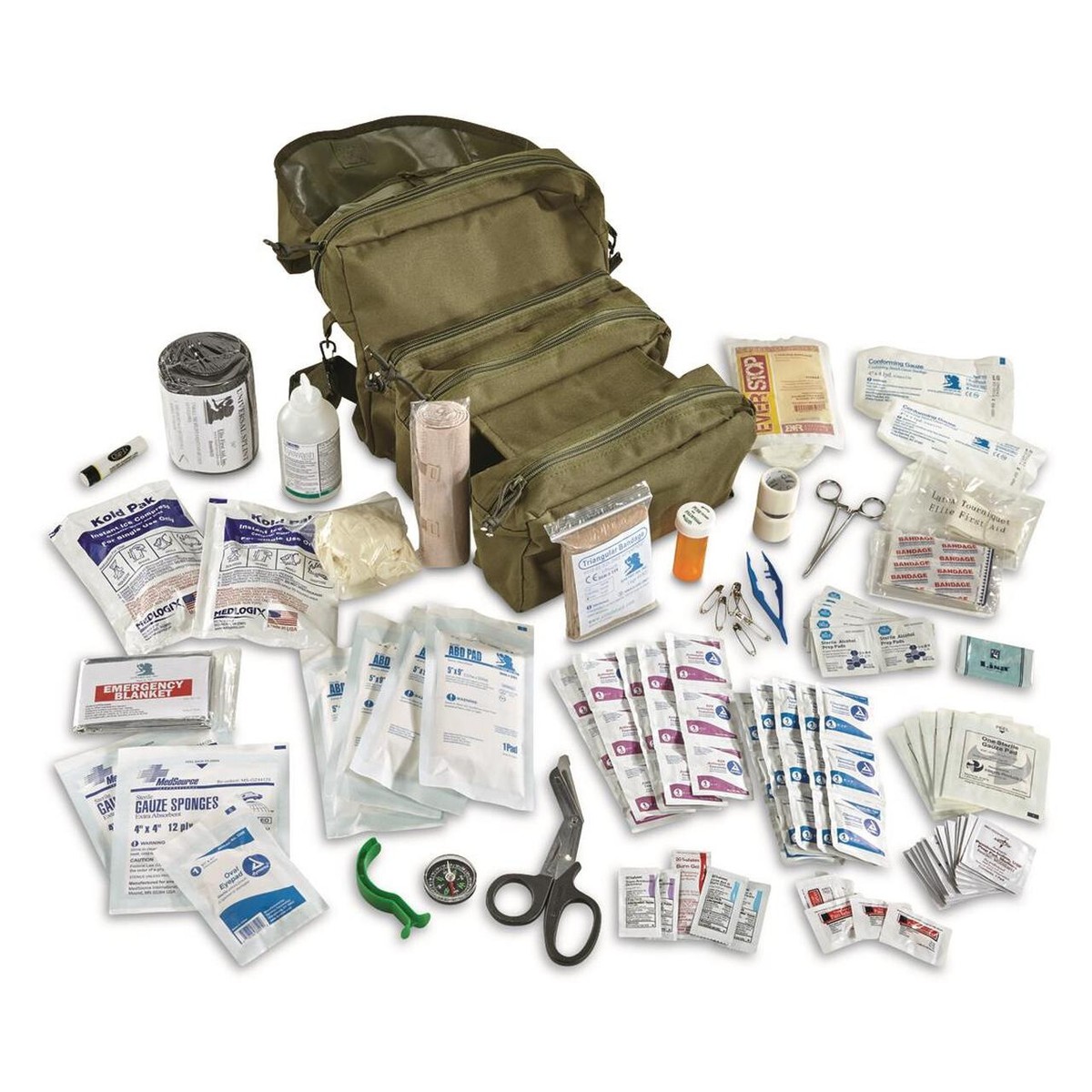
Military surplus kits usually include a wider range of items than typical first aid kits. They cover everything from bandages and antiseptics to more advanced tools like tourniquets and trauma shears. This variety prepares you for many types of injuries, not just minor cuts or scrapes.
Having these supplies on hand means you can address emergencies more effectively. Think about how much easier it is to treat a wound when you have the right gear immediately available.
Cost-effectiveness
Buying a military surplus kit often costs less than assembling a similar kit from scratch. You get high-quality, durable items bundled together at a reasonable price. This makes it an economical choice for those who want reliable first aid supplies without overspending.
Plus, you save time and effort by not having to research and purchase individual components. Wouldn’t it be great to have a ready-made kit that’s both affordable and dependable?
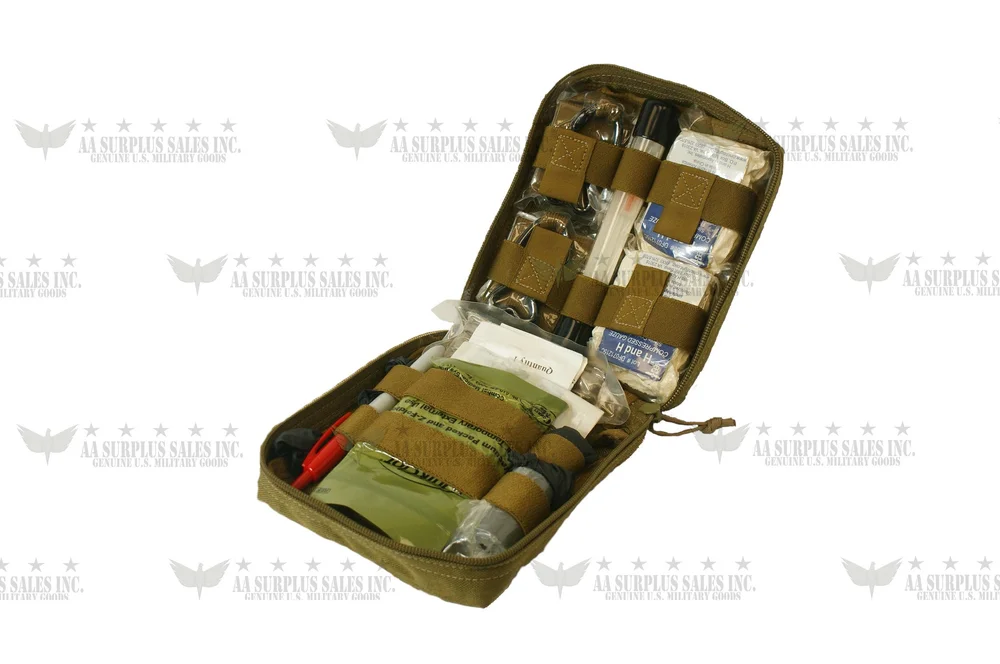
Credit: aamilitarysurplus.com
Essential Components
A Military Surplus First Aid Kit is more than just a collection of supplies—it’s a carefully assembled toolkit designed to handle emergencies efficiently. The essential components inside are selected to cover a wide range of injuries and situations you might face in the field or everyday life. Understanding what each component does can help you use your kit effectively when every second counts.
Bandages And Dressings
Bandages and dressings are the backbone of any first aid kit. They control bleeding, protect wounds from infection, and help speed up healing.
- Gauze pads:Ideal for covering deep cuts and absorbing blood.
- Elastic bandages:Provide support for sprains and hold dressings in place.
- Adhesive bandages:Perfect for small cuts and scrapes.
Have you ever struggled to stop bleeding with just a piece of cloth? Proper bandages can make that difference. You want to ensure your kit has a variety of sizes and types to adapt to different injuries.
Antiseptics And Disinfectants
Cleaning wounds properly can prevent infections that complicate recovery. Military surplus kits usually include antiseptic wipes, iodine swabs, or alcohol pads.
- Antiseptic wipes:Quick and easy for cleaning small wounds on the go.
- Iodine swabs:Stronger disinfectant for deeper wounds.
- Antibiotic ointments:Help keep wounds moist and reduce bacterial growth.
Do you have a plan for wound cleaning if you’re outdoors with limited water? These antiseptics ensure you can act quickly and reduce infection risks, which can be crucial in remote areas.
Medical Tools And Instruments
Having the right tools can make treatment faster and more effective. Military surplus kits often include:
- Scissors:For cutting bandages and clothing.
- Tweezers:To remove splinters or debris from wounds.
- Safety pins:Useful for securing bandages or slings.
- Thermometer:To monitor for fever or shock symptoms.
Imagine needing to cut away a sleeve quickly to treat a bleeding arm—without scissors, that could become a struggle. Do you keep these basic but essential tools within easy reach in your kit?
Choosing The Right Kit
Choosing the right military surplus first aid kit can make all the difference in an emergency. Not every kit suits every situation, so understanding what you need is key. Let’s look at some important factors to help you pick the best kit for your needs.
Size And Portability
Think about where you’ll carry your kit. If you’re hiking or camping, a compact, lightweight kit is essential. Bulky kits may hold more supplies but can be a burden on your gear.
On the other hand, if your kit stays in your car or home, size matters less. You can afford a larger kit with more items. What’s the balance between convenience and preparedness for you?
Specific Needs And Uses
Consider the types of injuries you’re most likely to face. Are you in a high-risk area for cuts and scrapes, or do you need supplies for more serious trauma? Some kits include items like tourniquets, while others focus on basic wound care.
Also, think about the users. Kits for families should include child-specific items, while solo adventurers might need fewer supplies but more versatile tools. Tailoring your kit to your environment and group makes it truly effective.
Expiration Dates
Check the expiration dates on all supplies before you buy or use a kit. Medical items like antiseptics, ointments, and medications lose effectiveness over time. Using expired supplies could worsen a wound or delay healing.
Military surplus kits often have older items, so inspect carefully. Set a reminder to replace expired components regularly. How often do you review your first aid kit’s contents?
How To Use Your Kit
Knowing how to use your Military Surplus First Aid Kit effectively can make a real difference in an emergency. This kit is designed to handle a variety of injuries and situations, but understanding each item’s purpose and how to apply it quickly is key. Let’s break down how to get the most out of your kit, whether you’re treating minor cuts or more serious emergencies.
Basic First Aid Techniques
Start by learning how to clean and dress wounds to prevent infection. Use antiseptic wipes or solutions from your kit to gently clean the area. Then, apply sterile gauze pads or bandages to stop bleeding and protect the wound.
Knowing how to perform CPR or use a tourniquet can save lives in critical moments. Your kit may include instructions or tools for these procedures—familiarize yourself with them before an emergency occurs. Practice makes perfect; consider attending a first aid class to build confidence.
Emergency Situations
In a sudden injury, stay calm and assess the scene for safety. Use gloves from your kit to protect yourself and the injured person. Prioritize stopping heavy bleeding and ensuring the airway is clear.
For burns or fractures, use specialized dressings and splints included in your kit. Recognize when professional medical help is needed and call emergency services promptly. Your quick actions can stabilize the injured until help arrives.
Maintenance And Replenishment
Regularly check your kit to ensure nothing is expired or used up. Replace items like bandages, antiseptics, and medications before they run out. A well-maintained kit is ready when you need it most.
Store your kit in a dry, accessible place and inform family or team members about its location. Have you ever opened a first aid kit only to find crucial items missing? Avoid that frustration by scheduling monthly inspections.
Comparing Civilian And Military Kits
Military surplus first aid kits and civilian kits serve the same basic purpose: treating injuries quickly. Yet, their design and contents reflect different needs and environments. Understanding these differences helps you choose the right kit for your situation.
Content Differences
Military kits include items for severe wounds and trauma. They often contain:
- Tourniquets
- Pressure dressings
- Chest seals
- Burn treatments
- Trauma shears
Civilian kits focus on minor injuries like cuts, scrapes, and sprains. They usually have:
- Bandages
- Antiseptic wipes
- Pain relievers
- Adhesive tape
- Simple scissors
Price And Availability
Military surplus kits are often more expensive due to specialized gear. They may be harder to find in regular stores.
Civilian kits are widely available at low cost. Many stores and online shops sell them.
Military kits may require ordering from specialty suppliers or surplus stores.
Suitability For Various Scenarios
Military kits suit extreme conditions and serious injuries. Useful for outdoor adventures, survival, and emergency preparedness.
Civilian kits work well for everyday accidents and minor injuries. Ideal for home, office, and travel use.
Choosing depends on your activity, risk level, and medical knowledge.
Legal Considerations
Military surplus first aid kits come with specific legal rules. Understanding these rules helps avoid trouble and ensures safe use. Laws vary by country, state, and even city. Knowing the legal side protects you and others.
Regulations And Restrictions
Many places have rules about what items a first aid kit can contain. Some medications or tools may need special licenses. Local laws might ban certain items found in military kits. Always check your area’s laws before buying or using these kits.
Some common restrictions include:
- Controlled medicines like strong painkillers
- Sharp tools such as certain knives or scalpels
- Items requiring medical training to use
- Expired or unapproved medical supplies
Ignoring these rules can lead to fines or legal action.
Import And Export Laws
Bringing military surplus first aid kits across borders involves strict rules. Each country sets its own import and export laws. Some items may be banned or need permits. Customs officials often inspect these kits closely.
Key points to remember:
- Declare all medical supplies at customs
- Check if your country allows the kit’s contents
- Obtain necessary permits before shipping
- Follow packaging and labeling requirements
Failure to follow these laws can cause delays or confiscation.
Storage Tips
Proper storage of your military surplus first aid kit can make a significant difference in emergencies. Keeping it in the right conditions ensures all supplies stay effective and ready when you need them most. Let’s look at how you can store your kit smartly to get the best from it.
Temperature Control
Extreme temperatures can damage the contents of your first aid kit. Medicines and bandages often lose their effectiveness if exposed to heat or freezing cold.
Store your kit in a cool, dry place away from direct sunlight. Avoid leaving it in your car during hot summer days or freezing winter nights. Have you checked your kit’s location lately to ensure it’s not near heaters or windows?
Accessibility And Organization
Your first aid kit should be easy to find and quick to open. In an emergency, every second counts, so organization is key.
Use compartments or small zippered bags inside the kit to separate items like bandages, antiseptics, and tools. Labeling these sections can save precious time. Think about where you spend most of your time—do you have the kit within reach there?
- Keep the kit at eye level or in a clearly marked box.
- Regularly check and restock items to avoid surprises.
- Consider a waterproof container if you expect wet conditions.

Credit: www.ebay.com
Credit: www.ebay.com
Frequently Asked Questions
What Is Included In A Military Surplus First Aid Kit?
A military surplus first aid kit contains bandages, antiseptic wipes, gauze, scissors, and pain relievers. It also includes trauma dressings and emergency medical tools for field use. These kits are designed to handle serious injuries in tough environments efficiently.
How Durable Is A Military Surplus First Aid Kit?
Military surplus first aid kits are highly durable. They are made to withstand rough conditions and harsh environments. The materials used are water-resistant and tear-proof, ensuring contents stay protected during outdoor or combat situations.
Can I Use A Military Surplus First Aid Kit For Everyday Emergencies?
Yes, military surplus first aid kits are suitable for everyday emergencies. They offer comprehensive medical supplies ideal for home, car, or travel use. Their robust contents cover common injuries and can be a reliable backup to standard first aid kits.
Where Can I Buy A Reliable Military Surplus First Aid Kit?
Reliable military surplus first aid kits can be purchased from outdoor stores, surplus stores, and online retailers. Look for kits with positive reviews and complete medical supplies. Trusted sellers often provide detailed product descriptions and customer feedback.
Conclusion
A military surplus first aid kit offers reliable care in tough situations. It contains essential supplies to treat injuries quickly and effectively. These kits are built to last and handle rough conditions. Having one nearby can make a big difference during emergencies.
They are compact and easy to carry anywhere. Choosing a kit with quality items ensures you stay prepared. Remember, safety starts with being ready. Keep your military surplus first aid kit stocked and accessible at all times. Stay safe and confident wherever you go.

I’m Abby Lu, a passionate home cook who loves simplifying everyday meals. At PlugChef.com, I share product reviews and cooking guides to help you find the best tools for your kitchen.
Related posts:
 What Type of Cooking Utensils are Safe: Expert Picks
 What Innovations Could Blenders Make: Unleashing Future Tech
 Smart Strategies to Organize a Small Kitchen: Maximize Space
 How to Organize a Kitchen Cabinet: Expert Tips & Tricks
 How to Organize Kitchen Drawers: Expert Tips and Tricks
 How to Organize a Corner Kitchen Cupboard: Expert Tips