
When it comes to emergencies, having the right tools can make all the difference. Your military first aid kit is more than just a box of supplies—it’s your lifeline when every second counts.
But do you know exactly what should be inside to handle any situation? Whether you’re preparing for duty, adventure, or just want to be ready, understanding the essential contents can empower you to act quickly and confidently. Keep reading to discover what your military first aid kit must include to keep you and those around you safe.
Key Components Of Military First Aid Kits
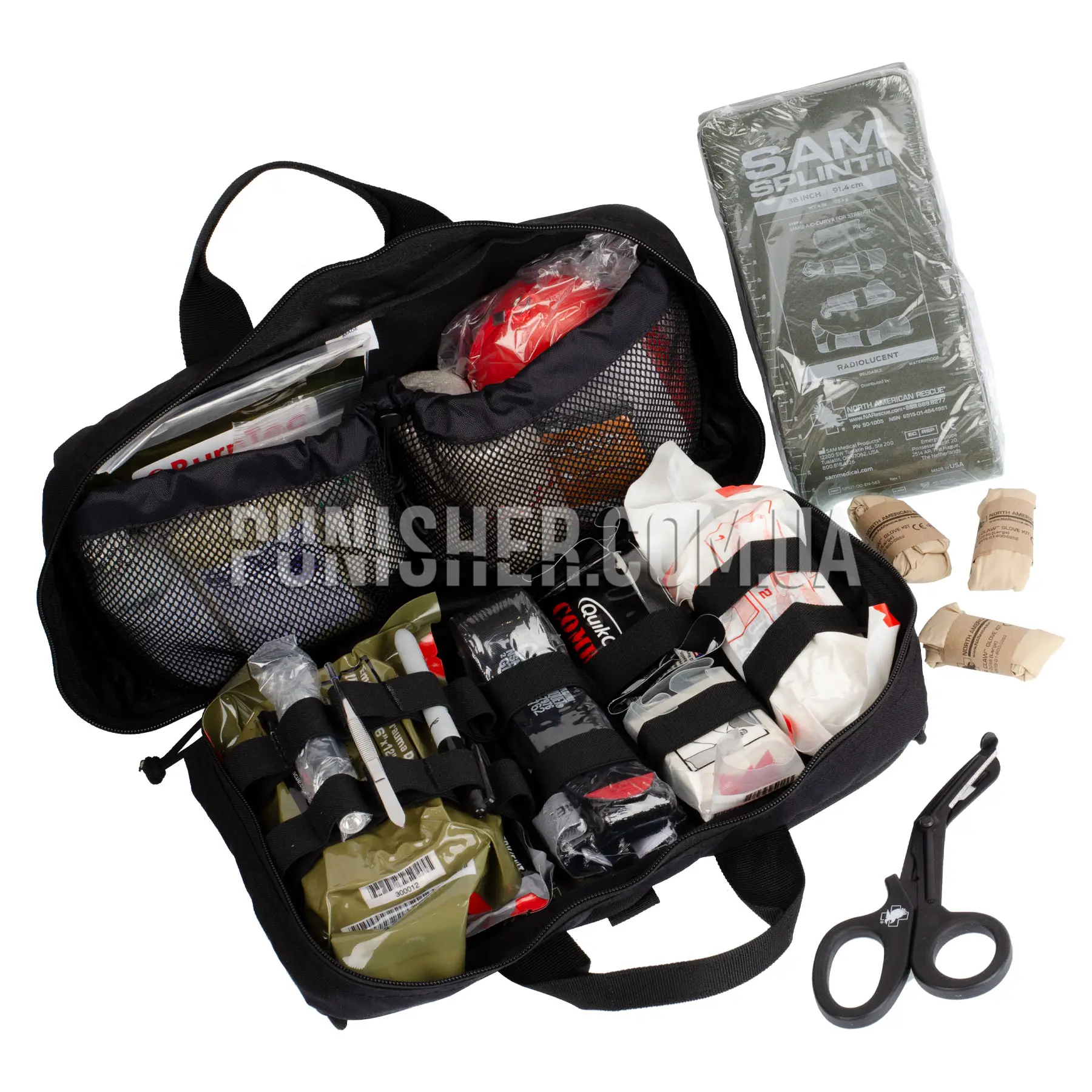
Knowing what goes into a military first aid kit can make a huge difference in an emergency. These kits are designed to handle serious injuries under tough conditions, so every item is chosen carefully. Understanding the key components helps you prepare better and act faster when seconds count.
Wound Care EssentialsStopping bleeding quickly is crucial. Military kits include sterile gauze pads, bandages, and adhesive tape to control wounds and prevent infection.
Tourniquets are often part of these kits, used to stop severe bleeding from limbs. Do you know how to apply one correctly? Practicing this skill can save lives.
Respiratory Support ToolsAirway management is vital when someone can’t breathe properly. Kits often contain nasopharyngeal airways or face shields for safe mouth-to-mouth resuscitation.
These tools help keep the airway open and protect both the patient and the responder during CPR. Have you checked if your kit includes these life-saving items?
Medications and Pain ReliefMilitary first aid kits carry essential medicines like painkillers, antiseptic wipes, and sometimes antibiotics. These help reduce pain and fight infections before professional help arrives.
Knowing the purpose of each medication and when to use it can improve your response in the field. Are you confident about the contents in your kit?
Emergency Tools and AccessoriesBeyond medical supplies, kits often feature tools like scissors, tweezers, and gloves. These help with cutting clothing, removing debris, and protecting yourself from bloodborne pathogens.
Including a thermal blanket or emergency foil can prevent shock and hypothermia. What unexpected tool have you found most useful in a first aid situation?
Credit: punisher.com.ua
Bandages And Dressings
Bandages and dressings are essential components of any military first aid kit. They help control bleeding, protect wounds from infection, and support injured limbs. Having the right types on hand can make a crucial difference in emergency situations.
Types Of Bandages
Bandages come in various forms, each designed for specific uses. Elastic bandages provide compression and support for sprains or strains. Triangular bandages are versatile and can serve as slings or wraps.
Gauze rolls and strips are great for holding dressings in place or applying pressure to wounds. Adhesive bandages, often called “plasters,” cover small cuts and abrasions quickly. Knowing which bandage to use can speed up treatment and improve outcomes.
Uses Of Dressings
Dressings protect wounds from dirt and bacteria, reducing the risk of infection. They also absorb blood and fluids, helping to keep the injury clean. Some dressings have special properties, like being sterile or containing antiseptics.
For example, hydrogel dressings can soothe burns, while alginate dressings are excellent for heavy bleeding. When you treat a wound, ask yourself: what type of injury am I dealing with, and which dressing will best support healing? Proper use of dressings can prevent complications and speed recovery.
Tourniquets And Hemostatic Agents
Tourniquets and hemostatic agents are lifesaving tools in any military first aid kit. They control severe bleeding quickly, which is crucial during combat or emergency situations. Understanding their role helps you act fast and effectively when every second counts.
Importance Of Tourniquets
A tourniquet stops heavy bleeding by tightening around a limb to cut off blood flow. This can prevent a casualty from bleeding out before professional medical help arrives. You might think tourniquets are only for extreme cases, but they are often the first line of defense in traumatic injuries.
Using a tourniquet properly is vital. Applying it too loosely won’t stop the bleeding, while too tight can cause nerve damage. Practice makes perfect—knowing how to quickly place one can save your life or a comrade’s in the field.
Role Of Hemostatic Agents
Hemostatic agents are substances that promote rapid blood clotting when applied to wounds. They work alongside tourniquets or on their own for injuries where a tourniquet can’t be applied, like neck or torso wounds. Having these agents in your kit means you can tackle bleeding in difficult spots.
These agents come in various forms such as powders, gauze, or sponges. They often contain materials like kaolin or chitosan that encourage clotting. Knowing which type works best for different injuries can increase your effectiveness in emergency care.
Have you ever wondered how quickly you could stop severe bleeding if you had the right tools at hand? Training with both tourniquets and hemostatic agents can give you the confidence to act decisively when it matters most.

Credit: rescue-essentials.com
Splints And Immobilization Tools
Splints and immobilization tools are vital components of a military first aid kit. They help stabilize broken bones and injured joints. Proper use reduces pain and prevents further damage during evacuation. These tools support the injured limb, making transport safer and easier.
Varieties Of Splints
- Rigid splints: Made from plastic, metal, or wood. Provide firm support.
- Soft splints: Use inflatable or padded materials. Offer gentle immobilization.
- Traction splints: Designed to pull and align fractured bones.
- Vacuum splints: Mold around the injury and harden when air is removed.
- Finger splints: Small and lightweight for finger injuries.
Application Techniques
Check the injury site for swelling or bleeding before splinting. Avoid moving the injured area too much. Place the splint along the injured limb, covering joints above and below the injury. Secure the splint with bandages or straps, but not too tight. Check circulation after applying the splint. Loosen if fingers or toes become cold or blue. Keep the injured person calm and still during splinting. Reassure them to reduce shock and pain.
Antiseptics And Disinfectants
Antiseptics and disinfectants are vital in any military first aid kit. They help prevent infections in wounds and keep the area clean. Using the right antiseptic or disinfectant can stop bacteria from spreading. This protection is crucial in harsh, outdoor environments where medical help might be delayed.
Common Antiseptic Solutions
Antiseptic solutions kill or slow down germs on the skin. Here are some common ones found in military first aid kits:
- Alcohol wipes:Quickly clean and disinfect small cuts or scrapes.
- Iodine solution:Effective against a wide range of bacteria and fungi.
- Hydrogen peroxide:Helps remove dirt and debris from wounds.
- Chlorhexidine:Long-lasting antiseptic used for serious wounds.
Disinfectant Uses
Disinfectants target germs on surfaces and equipment. They reduce the risk of infection by sterilizing tools and the environment. Military kits include disinfectants for cleaning:
- Medical instruments before and after use.
- Hands when soap and water are unavailable.
- Wound dressings and bandages.
- Surfaces where medical care is provided.
Medications And Pain Relief
Medications and pain relief play a crucial role in a military first aid kit. They not only help manage injuries but also keep morale high in tough situations. Having the right medicines on hand can make a real difference in how quickly a soldier recovers and stays focused.
Essential Medications
Every military first aid kit should include a selection of key medications. Antibiotic ointments prevent infection in cuts and wounds. Antihistamines are vital for allergic reactions, which can happen unexpectedly in the field.
Carrying antiseptic wipes and tablets for water purification also adds a layer of safety. Don’t forget anti-diarrheal pills, which can keep a soldier functioning despite stomach issues. These medications help you handle common health problems without needing immediate hospital care.
Pain Management
Pain can slow down any mission, so managing it is a priority. Over-the-counter pain relievers like ibuprofen or acetaminophen are staples in a military first aid kit. They reduce inflammation and ease discomfort, helping you stay alert and mobile.
For more serious pain, consider including topical analgesics or quick-acting sprays. These options can provide fast relief without the need for injections or prescription drugs. How would you respond if pain started to affect your decision-making during a critical moment?
Breathing And Airway Management
Breathing and airway management are crucial in any military first aid kit. They help keep the airway open and ensure oxygen reaches the lungs. Without proper tools, breathing problems can quickly become life-threatening. Soldiers must act fast to clear blockages or support breathing.
Airway Tools
Airway tools keep the breathing passage open. They help clear blockages and prevent the tongue from blocking the airway. Common tools include:
- Oropharyngeal airways (OPA) – inserted into the mouth to keep the airway open.
- Nasal airways (NPA) – inserted through the nose, useful if the mouth is injured.
- Manual suction devices – remove mucus, blood, or vomit that blocks breathing.
- Head-tilt chin-lift or jaw-thrust maneuvers – simple methods to open the airway.
Breathing Aids
Breathing aids support or improve breathing. They help deliver oxygen and assist when breathing is weak. Common breathing aids include:
- Bag-valve masks (BVM) – provide positive pressure to help the patient breathe.
- Oxygen masks and nasal cannulas – deliver oxygen directly to the patient.
- Chest seals – used for open chest wounds to prevent air leaks and improve breathing.
- Portable oxygen tanks – supply oxygen for extended care in the field.

Credit: www.amazon.com
Burn Treatment Supplies
Burn treatment supplies are essential in any military first aid kit. Burns can happen unexpectedly, and having the right materials can make a big difference in managing pain and preventing infection. Knowing what to use and how to use it ensures you act quickly and confidently in critical moments.
Types Of Burn Dressings
Burn dressings protect the injured area while keeping it clean and moist. Hydrogel dressings are a top choice because they provide cooling relief and help prevent tissue damage. These dressings stick gently to the skin, reducing pain during changes.
Another option is non-adherent dressings, which are designed not to stick to the wound. They allow air to circulate and reduce the risk of reopening the burn when removed. You might also find silver-impregnated dressings in military kits, which fight infection actively.
Think about the size and depth of the burn when choosing a dressing. A small burn may only need a simple sterile gauze, while deeper burns require specialized dressings that promote healing. Do you know which type is best for different burn severities?
Coolants And Ointments
Coolants, such as burn gels or water-based sprays, are vital to reduce heat and soothe pain immediately after a burn. These supplies help lower skin temperature and prevent the burn from worsening. Applying coolants right away can limit the injury’s depth.
Ointments provide a protective barrier that locks in moisture and prevents infection. Aloe vera gel is a common natural option that also soothes irritated skin. Medicated ointments containing antibiotics are crucial if the skin breaks or blistering occurs, as they guard against bacteria.
Have you ever wondered why some ointments recommend avoiding tight bandages afterward? It’s because the skin needs to breathe to heal properly. Including the right coolants and ointments in your kit means you’re prepared to treat burns effectively on the field.
Emergency Survival Tools
Emergency survival tools are essential in a military first aid kit, designed to help you manage unexpected situations and stay alive under pressure. These tools go beyond basic medical supplies, offering practical support for navigation, shelter, and self-defense. Having the right gear on hand can make a critical difference when every second counts.
Survival Gear
Survival gear in a military first aid kit includes items that help you signal for help, build shelter, and secure clean water. A compact emergency blanket is a must-have; it keeps you warm and protects against hypothermia. Adding a whistle can save your life by attracting attention in noisy or remote environments.
Think about how a small, lightweight flashlight can illuminate your path and assist with nighttime first aid. Water purification tablets or a small filter can prevent dehydration, which is often overlooked but deadly. Including fire-starting materials like waterproof matches or a magnesium fire starter enables you to cook, stay warm, and deter wild animals.
Multi-purpose Tools
Multi-purpose tools are the backbone of any military first aid kit. A sturdy folding knife or multitool combines several useful functions, such as cutting bandages, opening cans, or tightening screws. These tools reduce the need to carry bulky equipment, saving valuable space in your kit.
Consider a multitool with pliers, screwdrivers, and a wire cutter—it prepares you for a range of challenges beyond medical emergencies. Many soldiers find that having a reliable tool at hand helps them stay calm and focused, knowing they can handle unforeseen issues. What multi-purpose tool would you trust most when your survival depends on it?
Training And Usage Guidelines
Knowing what’s inside your military first aid kit is just the beginning. Training and proper usage are what truly make these supplies life-saving tools. Without hands-on practice and clear guidelines, even the best kit can fall short when seconds count.
Training Importance
Training transforms your kit from a box of items into a lifesaver. Regular drills help you understand how to use bandages, tourniquets, and other supplies correctly under pressure.
Think about the last time you practiced applying a tourniquet. Did you feel confident? If not, you’re not alone—many skip training until an emergency occurs, which is the worst time to learn.
Effective training includes:
- Hands-on practice with all kit components
- Simulated emergency scenarios
- Learning to stay calm and focused
These exercises build muscle memory. When faced with real injuries, your actions become automatic, increasing the chance of saving lives.
Usage Tips
Using your military first aid kit effectively means knowing the right tool for each injury. Don’t rush; assess the situation calmly before applying any aid.
Keep these tips in mind:
- Always check for safety before approaching the injured person.
- Prioritize stopping heavy bleeding first — it’s the most immediate threat.
- Keep the injured person as still and comfortable as possible.
- Replace used items promptly after treatment to maintain readiness.
Have you ever tried to use a dressing without knowing how tight it needs to be? Practice helps you avoid mistakes like overtightening or leaving wounds exposed.
Remember, your kit is only as good as your ability to use it. Training regularly and following clear guidelines turn your first aid kit into a powerful tool for survival.
Frequently Asked Questions
What Are Essential Items In A Military First Aid Kit?
A military first aid kit includes bandages, tourniquets, antiseptics, gauze, pain relievers, gloves, and scissors. These items help treat wounds, control bleeding, and prevent infection quickly in emergencies.
How Does A Military First Aid Kit Differ From Civilian Kits?
Military kits are compact, durable, and include specialized items like tourniquets and hemostatic agents. They focus on trauma care for combat injuries, unlike civilian kits that cover general minor injuries.
Why Is A Tourniquet Important In Military First Aid Kits?
Tourniquets stop severe bleeding from limb injuries, saving lives in critical situations. They are vital in combat zones where immediate medical help may be delayed.
How Often Should Military First Aid Kits Be Checked Or Updated?
Military first aid kits should be inspected monthly to replace expired or used supplies. Regular checks ensure readiness during emergencies and maintain kit effectiveness.
Conclusion
A military first aid kit saves lives in urgent situations. It holds essential tools for quick treatment. Knowing its contents helps you stay ready and safe. Keep your kit stocked with reliable supplies. Regular checks ensure nothing is missing or expired.
Being prepared boosts confidence during emergencies. Everyone in the field should carry one. Small items can make a big difference. Remember, quick action often means better outcomes. Stay alert, stay equipped, and stay protected.

I’m Abby Lu, a passionate home cook who loves simplifying everyday meals. At PlugChef.com, I share product reviews and cooking guides to help you find the best tools for your kitchen.
Related posts:
 What Type of Cooking Utensils are Safe: Expert Picks
 What Innovations Could Blenders Make: Unleashing Future Tech
 Smart Strategies to Organize a Small Kitchen: Maximize Space
 How to Organize a Kitchen Cabinet: Expert Tips & Tricks
 How to Organize Kitchen Drawers: Expert Tips and Tricks
 How to Organize a Corner Kitchen Cupboard: Expert Tips