

If you’ve ever struggled with eggs sticking to your pan or uneven cooking, it’s time to try making eggs in cast iron. This simple switch can change the way your eggs turn out—crispy edges, soft centers, and no mess to clean up.
Imagine flipping your eggs perfectly every time, with just the right texture and flavor. You’ll discover easy tips and tricks to master eggs in cast iron, making your breakfast routine smoother and more delicious. Ready to cook eggs like a pro?
Let’s dive in.

Credit: littlespoonfarm.com
Choosing The Right Cast Iron Skillet
Choosing the right cast iron skillet is key for cooking perfect eggs. The right pan affects heat control, cooking time, and cleanup. Cast iron skillets come in many sizes and types. Picking one that fits your needs helps make cooking easier and more enjoyable.
Size And Weight Considerations
Skillets come in sizes from 6 to 12 inches. A smaller skillet is easier to handle and heats quickly. A larger pan can cook more eggs at once but may be heavy. Weight matters for comfort and control while cooking. Choose a size you can lift and move easily.
Seasoned Vs. Unseasoned Pans
Seasoned pans have a natural non-stick layer from oil baked into the surface. They cook eggs without sticking and need less oil. Unseasoned pans require seasoning before use. Seasoning improves the pan’s surface and protects it from rust. A pre-seasoned pan is ready to use right away.
Maintaining Your Skillet
Proper care extends your skillet’s life and performance. Avoid soap and harsh scrubbing. Clean with hot water and a soft brush or cloth. Dry the pan completely to stop rust. Apply a thin layer of oil after each use to keep the seasoning strong. Store in a dry place with good air flow.

Credit: jawnsicooked.com
Preparing Your Skillet For Cooking
Preparing your cast iron skillet properly sets the stage for perfect eggs. A well-prepared pan prevents sticking and ensures even cooking. It also protects your skillet and keeps it seasoned for future use.
Proper Heating Techniques
Heat the skillet slowly over medium heat. Avoid high heat that can burn your eggs or damage the seasoning. Let the skillet warm for a few minutes until it feels evenly hot. Test the heat by sprinkling a few drops of water; they should dance and evaporate quickly.
Using The Right Cooking Fat
Choose fats with a high smoke point like vegetable oil, clarified butter, or bacon grease. Add enough fat to coat the bottom of the skillet. This layer helps eggs slide easily and prevents sticking. Let the fat warm before adding eggs for better cooking results.
Avoiding Common Mistakes
- Do not add eggs to a cold skillet; they stick more.
- Do not use too little fat; eggs may burn or stick.
- Avoid overheating; it can ruin the skillet’s seasoning.
- Never use soap to clean; it removes seasoning.
Techniques For Crispy Eggs
Cast iron pans hold heat well, helping eggs crisp evenly. Use medium heat and a little oil to prevent sticking. Cooking slowly lets edges turn golden and crunchy without burning.
Eggs cooked in cast iron have a unique charm. Achieving the perfect crispy texture requires some skill. This guide will explore techniques to create crispy eggs in a cast iron skillet. Each method provides delicious results that will elevate your breakfast experience.Frying Sunny Side Up
Sunny side up eggs are a breakfast classic. Heat your cast iron skillet over medium heat. Add a small amount of oil or butter. Wait until it shimmers or melts. Crack the egg gently into the pan. Avoid breaking the yolk. Cook until the whites set and edges turn golden. This usually takes 3 to 4 minutes. You can cover the pan briefly to cook the whites faster.Over Easy And Over Hard Methods
For over easy eggs, start with the sunny side up method. When whites are nearly set, flip the egg gently. Cook for 10 to 15 seconds. The yolk remains runny. For over hard, cook longer after flipping. Wait until yolk sets completely. Use a spatula to avoid breaking the yolk during the flip. Perfectly cooked eggs have crispy edges and desired yolk consistency.Scrambled Eggs Tips
Scrambled eggs can also be crispy. Preheat the skillet on medium heat. Add butter or oil, then pour in beaten eggs. Let them sit undisturbed for a few seconds. Stir gently with a spatula. Allow the eggs to cook and set slightly before stirring again. For extra texture, let some parts cook longer. This creates a mix of soft and crispy bits. Always serve immediately for best taste.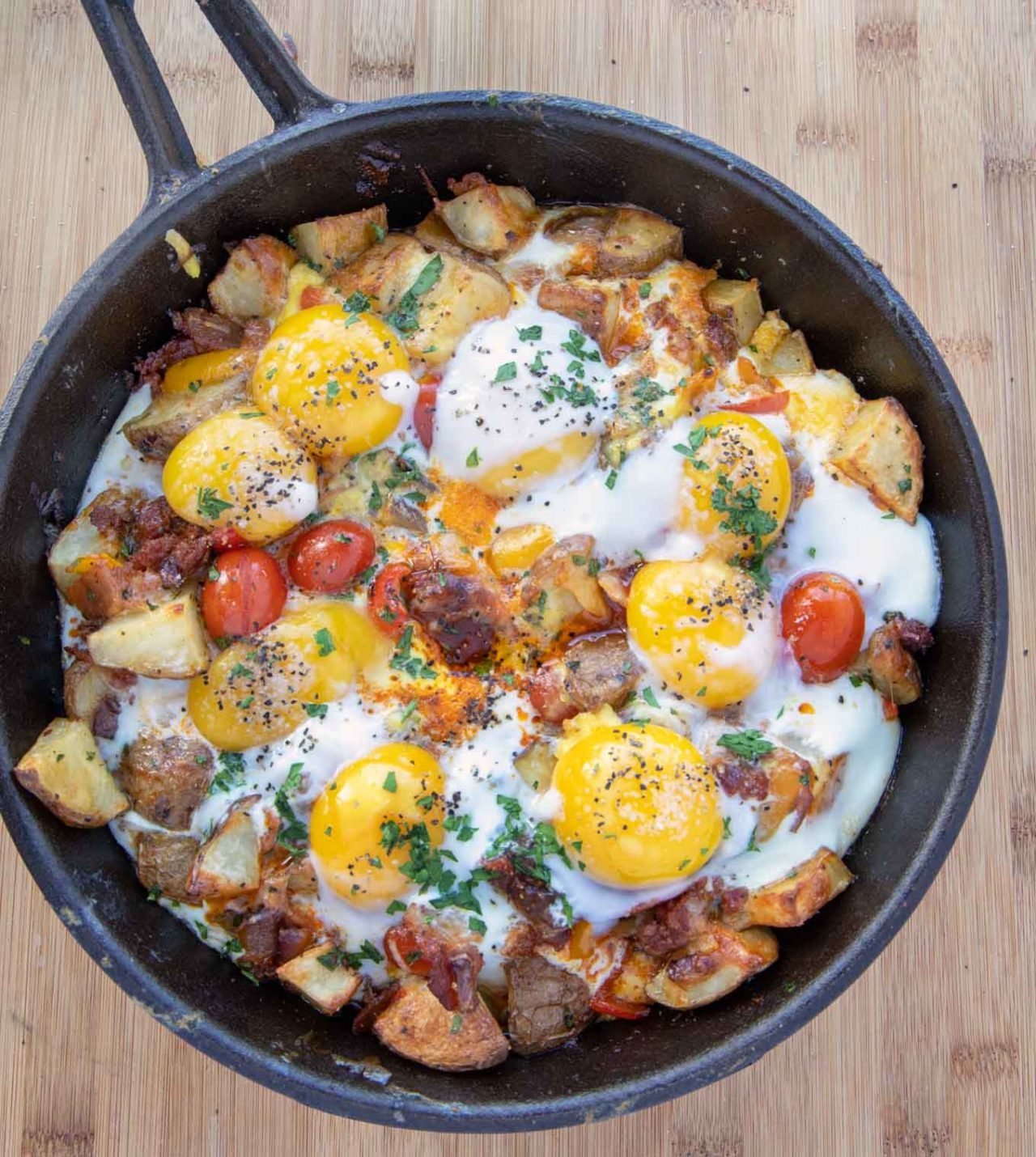
Credit: www.askchefdennis.com
Temperature Control For Best Results
Controlling temperature is key to cooking eggs perfectly in a cast iron skillet. Too hot, and the eggs burn or stick. Too low, and they cook unevenly or take too long. Understanding how heat affects your skillet helps you get fluffy, tender eggs every time.
Cast iron holds heat well but takes time to adjust. Learning when to use low or high heat ensures your eggs cook just right. Watching your skillet’s signs tells you when it’s ready. Adjusting heat during cooking keeps the eggs from overcooking or sticking.
Low And Slow Vs. High Heat
Cooking eggs low and slow gives gentle, even heat. This method helps eggs stay soft and creamy. It prevents browning or burning. High heat cooks eggs quickly but can cause tough edges and sticking. Use high heat only if you want crispy edges or fast cooking. Most cooks prefer low heat for smooth, tender eggs.
Signs Your Skillet Is Ready
Check if your cast iron skillet is hot enough before adding eggs. Sprinkle a few drops of water on the surface:
- If water sizzles and dances, the pan is ready.
- If water evaporates immediately, the pan is too hot.
- If water just sits, the pan is not hot enough.
Also, the skillet should feel warm to the touch but not smoking. This balance helps eggs cook evenly and prevents sticking.
Adjusting Heat During Cooking
Start with medium-low heat to warm the skillet. Add butter or oil, then pour in eggs. Watch the eggs closely. If edges start browning quickly, lower the heat. If eggs take too long to set, raise heat slightly.
Keep the temperature steady and avoid sudden changes. Stir gently or tilt the pan to cook eggs evenly. Adjust heat to control how fast or slow the eggs cook. This control gives you perfect texture every time.
Serving And Enhancing Flavor
Serving eggs cooked in a cast iron skillet opens up a world of delicious possibilities. The way you season, pair, and present your eggs can turn a simple meal into a memorable experience. Let’s dive into how you can make your eggs not just tasty but truly irresistible.
Seasoning Your Eggs
Salt and pepper are classics, but don’t stop there. Try adding fresh herbs like chives, parsley, or dill right after cooking for a burst of freshness.
Sprinkle a bit of smoked paprika or chili flakes if you want a subtle kick. A touch of grated cheese—cheddar, parmesan, or feta—melts beautifully on warm eggs, enhancing flavor without overpowering.
Have you experimented with flavored salts or a dash of truffle oil? These small touches can elevate your eggs in surprising ways.
Pairing With Sides
Think beyond toast. Crisp roasted potatoes or sautéed mushrooms add texture and depth to your plate. Avocado slices bring creaminess and healthy fats that balance the eggs.
Fresh tomatoes or a light salad with lemon vinaigrette brighten the meal and add color. If you want something heartier, grilled sausage or smoked salmon complement cast iron eggs perfectly.
Which side would you choose to make your breakfast feel like a complete, satisfying meal?
Presentation Tips
Serving eggs straight from the cast iron can be rustic and charming, but plating thoughtfully makes a difference. Use a clean spatula to slide eggs gently onto warm plates to keep them intact.
Garnish with fresh herbs or a sprinkle of coarse sea salt for a professional touch. Arrange sides neatly, creating a balance of colors and shapes that invite you to dig in.
Remember, you eat with your eyes first—how does your plate make you feel before your first bite?
Frequently Asked Questions
How Do I Prevent Eggs From Sticking To Cast Iron?
To prevent sticking, always preheat and season your cast iron skillet well. Use enough oil or butter. Cook eggs on low to medium heat for even cooking and easy release.
Can I Cook Scrambled Eggs In Cast Iron?
Yes, you can cook scrambled eggs in cast iron. Use medium-low heat and stir frequently. Add butter or oil for smooth texture and to avoid sticking.
How Do I Clean Cast Iron After Cooking Eggs?
Clean cast iron with hot water and a soft brush immediately after cooking. Avoid soap and soaking. Dry thoroughly and apply a thin oil layer to maintain seasoning.
Is Cast Iron Safe For Cooking Eggs Daily?
Yes, cast iron is safe for daily egg cooking. It adds iron to your diet and improves with use. Proper care prevents rust and maintains non-stick properties.
Conclusion
Cooking eggs in cast iron brings out great flavor and texture. The pan heats evenly and keeps the eggs from sticking. With some practice, you can cook eggs just the way you like. Clean and care for your cast iron to keep it working well.
This simple method works for scrambled, fried, or even omelets. Enjoy fresh eggs cooked perfectly every time with your cast iron skillet. Give it a try and taste the difference yourself.

Hi, I’m Daniel Brooks—a food lover and kitchen gear enthusiast. I enjoy testing cookware, utensils, and gadgets to see what really works in everyday cooking. At PlugChef.com, I share honest reviews, comparisons, and simple guides to help you choose the best tools for a safer, smarter, and more enjoyable kitchen.
Related posts:
 What Type of Cooking Utensils are Safe: Expert Picks
 What Innovations Could Blenders Make: Unleashing Future Tech
 Smart Strategies to Organize a Small Kitchen: Maximize Space
 How to Organize a Kitchen Cabinet: Expert Tips & Tricks
 How to Organize Kitchen Drawers: Expert Tips and Tricks
 How to Organize a Corner Kitchen Cupboard: Expert Tips

