
Have you ever wondered whether the knife should be placed on the left or right side of your plate? It might seem like a small detail, but where you position your knife can change the entire dining experience.
Knowing the right way to set your table not only shows good manners but also makes your meals feel more comfortable and enjoyable. Keep reading, and you’ll discover the simple rule that clears up all the confusion—and why it matters for every meal you share.
Knife Placement Basics
Knife placement at the dining table might seem simple, but it holds more meaning than you think. It’s about etiquette, safety, and sometimes even cultural expression. Knowing where to place your knife can help you feel more confident and respectful in any dining setting.
Standard Table Setting Rules
In most Western dining traditions, the knife is placed to the right of the plate. The blade faces inward, toward the plate, which is a subtle safety measure to prevent accidental cuts. This arrangement also helps diners easily pick up the knife with their right hand, which is common for most people.
Napkins go to the left, forks on the left, and spoons on the right, keeping everything organized and easy to access. Have you ever noticed how a well-set table just feels inviting? That’s because it follows these simple but effective rules.
Cultural Variations In Knife Placement
Not every culture follows the same rules for knife placement. In some European countries, the knife is held in the left hand during eating, and it stays on the left side of the plate. This can be surprising if you’re used to the American or British style.
In Japan, knives are rarely placed on the table since traditional meals use chopsticks. When knives are used, their placement depends on the formality of the setting and local customs. It’s a reminder that table manners are closely tied to cultural practices, and understanding these differences can make you a more thoughtful guest.
Left Side Vs Right Side
Choosing whether to place the knife on the left or right side may seem small. Yet, this choice affects dining etiquette and comfort. Different cultures and settings follow distinct customs. Understanding these differences helps set the table correctly and avoid awkward moments.
Why Knives Belong On The Right
Most people place knives on the right side of the plate. This placement suits right-handed users, who make up the majority. Holding the knife in the right hand feels natural for cutting and spreading.
Placing knives on the right also prevents accidents. The sharp edge faces inward, reducing the risk of cuts. This arrangement keeps the table tidy and safe.
Exceptions To The Rule
Some cultures and situations break the usual rule. Left-handed people may prefer knives on the left side. This change makes cutting easier and more comfortable for them.
In formal dining, knives may move during different courses. For example, dessert knives sometimes appear above the plate. Special events might follow unique table settings too.
Restaurants may also adjust knife placement for style or theme. Such exceptions show flexibility in dining customs.
Knife Positioning Details
Understanding where to place the knife on your dining table is not just about etiquette; it’s about creating an inviting and comfortable dining experience. The subtle art of knife positioning can often spark curiosity—why do we place the knife a certain way? Let’s delve into these details to enhance your dining setup.
Blade Orientation
The direction of the knife blade is more important than you might think. The blade should always face inward towards the plate. This tradition not only enhances safety by minimizing accidental cuts, but it also symbolizes hospitality by showing your guests that you trust them.
Have you ever wondered why the blade faces inwards? This practice is thought to date back to ancient times when turning the blade outward was seen as aggressive. By following this simple rule, you add a touch of elegance and thoughtfulness to your table setting.
Distance From The Plate
Positioning the knife at the correct distance from the plate can make a significant difference. It should be placed about one inch away from the plate. This spacing allows for easy access while ensuring the table remains organized and neat.
Imagine sitting down to a table where the cutlery is perfectly spaced; it creates an atmosphere of care and attention. When you ensure that your knife is positioned correctly, you contribute to a seamless dining experience for everyone at the table.
Next time you set the table, ask yourself: Is the knife close enough to be functional yet distant enough to maintain the table’s aesthetic? Mastering this balance can elevate your hosting skills significantly.

Credit: www.fritzhknives.com
Types Of Knives In Settings
Choosing the right knife for your table setting can change how you enjoy your meal. Different types of knives serve different purposes, and knowing which to use can make dining smoother and more enjoyable. Let’s look at the common knives you’ll find in a typical setting.
Dinner Knives
These are the most versatile knives on your table. Dinner knives have a slightly serrated edge, perfect for cutting softer foods like vegetables and chicken. They usually sit to the right of your plate, making them easy to reach during the main course.
Think about the last time you struggled to cut your food with the wrong knife. A well-chosen dinner knife can prevent that frustration. Next time you set the table, place your dinner knife carefully to the right of the plate, blade facing inward for safety.
Butter Knives
Butter knives are smaller and have a blunt edge, designed specifically for spreading butter or soft spreads. You’ll often find them placed on the bread plate, usually on the left side of the main plate. Their shape helps you spread without tearing your bread.
Have you ever tried to spread butter with a sharp knife? It’s tricky and can ruin the bread. Using a butter knife makes spreading smooth and controlled, enhancing your dining experience.
Steak Knives
Steak knives have a sharp, often serrated blade to cut through tougher meats like steak or pork chops. These knives aren’t always included in every setting but are essential when serving steak. They typically go to the right of the dinner knife.
Imagine cutting a juicy steak with a dull knife—it’s frustrating and messy. Having a dedicated steak knife at the table ensures clean cuts and a better meal. Next time you serve steak, make sure these knives are easy to spot and grab.
Formal Vs Casual Settings
Knife placement on the table changes depending on the setting. Formal and casual settings use different rules for knife etiquette. Knowing these differences helps you fit in at any meal. It also shows respect for the host and other guests.
Fine Dining Etiquette
In formal dining, the knife always goes on the right side of the plate. The blade faces inward, toward the plate. This position signals readiness to eat and follows tradition.
The knife should be placed neatly beside the fork, which is on the left. This arrangement keeps the table tidy and organized.
Formal settings often include multiple knives for different courses. Each knife is placed in the order it will be used, from outside to inside.
Everyday Table Arrangements
Casual meals have simpler knife placement rules. The knife usually stays on the right side of the plate. It might not be as precise as in formal dining.
Sometimes, knives are left on the table after use. This is normal in informal settings.
In quick or casual meals, the knife may even be held in the left hand by some people. This depends on personal habit or culture.
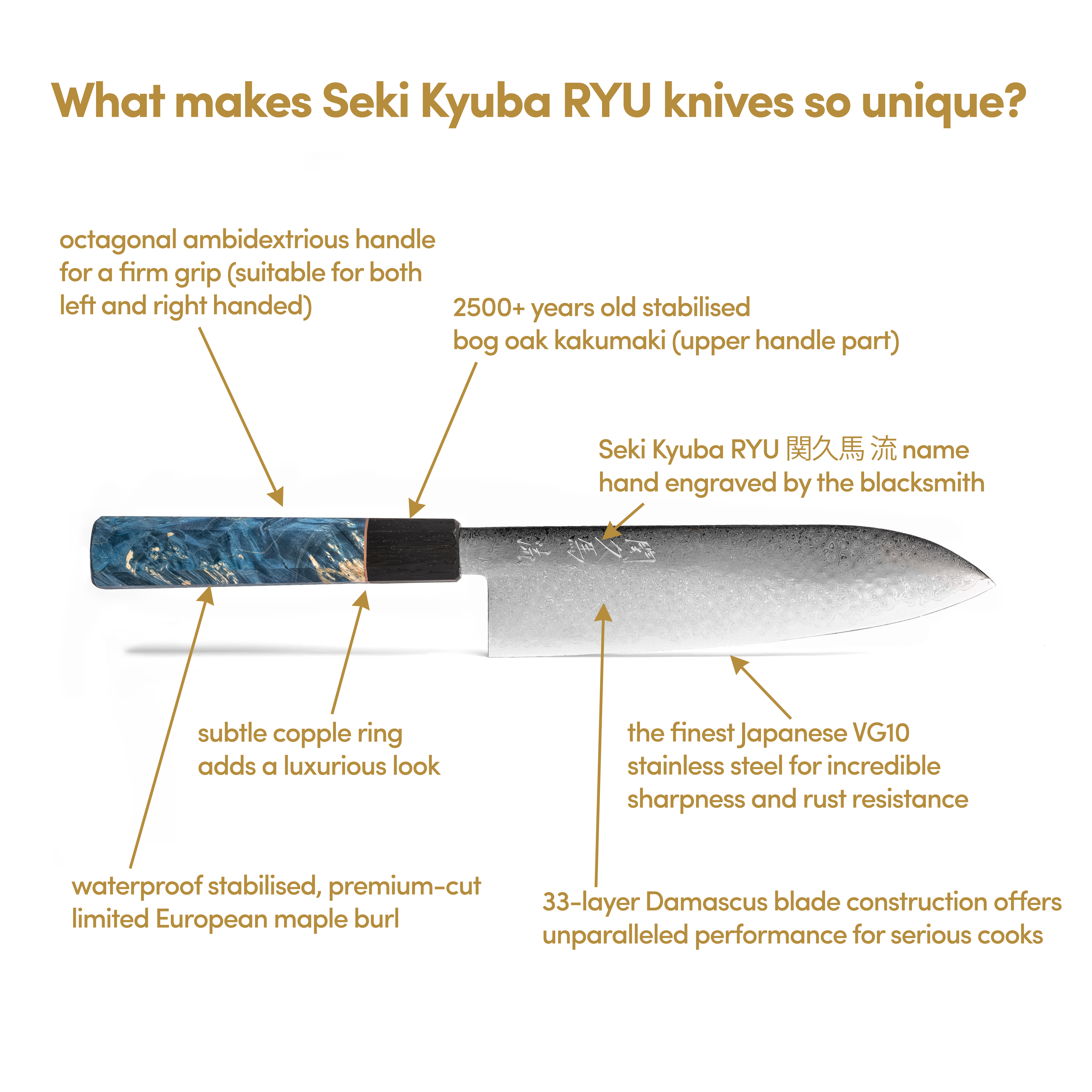
Credit: oishya.com
Common Mistakes To Avoid
Choosing the correct side to place your knife is important for safety and etiquette. Many people make simple mistakes that can cause accidents or look unprofessional. Avoiding these common errors helps maintain a safe and pleasant dining experience.
Misplaced Knives
Placing knives randomly can cause confusion and accidents. Knives should always be placed on the right side of the plate. Putting them on the left can lead to awkward reaching and possible cuts. Keep knives aligned with other utensils for a neat table setting.
Improper Blade Direction
Knives with blades facing outward are dangerous. Always position the blade toward the plate. This reduces the risk of cutting yourself or others. Facing blades outward looks careless and breaks dining etiquette. Blade direction shows attention to detail and respect for guests.
Tips For Hosting
Hosting a meal involves more than just cooking. The table setting creates a welcoming atmosphere. Paying attention to details like knife placement shows care and respect for guests. Proper setup helps guests feel comfortable and enjoy the event.
Setting Multiple Place Settings
Arrange knives with the blade facing the plate. Place them to the right of the fork. For multiple courses, set knives in order of use from outside in. Keep space between utensils for easy handling. Use matching cutlery to maintain a neat look.
- Start with the salad knife on the outer right
- Then place the dinner knife closer to the plate
- Spoons go to the right of knives if needed
Adjusting For Special Occasions
For formal events, add a butter knife on the bread plate. Use polished silverware to create elegance. Adjust knife types depending on the menu, like steak knives for meat dishes. Consider guests’ comfort and ease of use when arranging.
| Occasion | Knife Type | Placement |
|---|---|---|
| Casual Dinner | Standard Dinner Knife | Right of the plate |
| Formal Dinner | Steak Knife, Butter Knife | Steak knife right, butter knife on bread plate |
| Buffet | Disposable Knife | Provide with plates or serving area |

Credit: www.reddit.com
Frequently Asked Questions
Which Side Should The Knife Be Placed, Left Or Right?
The knife is typically placed on the right side of the plate. This placement allows easy access for right-handed people. It aligns with traditional table setting etiquette and promotes comfort during dining.
Why Is The Knife Placed On The Right Side?
Knives are placed on the right side because most people are right-handed. This position makes it easier to cut food without awkward movements. It follows standard dining etiquette used globally in formal and casual settings.
Does Knife Placement Affect Dining Etiquette?
Yes, knife placement reflects proper dining etiquette. Placing the knife on the right shows respect for tradition. It also helps maintain a neat, organized table setting during meals.
Are There Exceptions To Knife Placement Rules?
Exceptions exist for left-handed diners or cultural differences. Some settings place knives on the left for convenience. However, the right side remains the widely accepted norm in most Western cultures.
Conclusion
Choosing to place the knife on the left or right depends on habit and culture. Both ways are correct and widely accepted. The key is to follow the setting style you feel comfortable with. Paying attention to this small detail shows good manners.
It also helps create a pleasant dining experience for everyone. Remember, simple rules make dining easier and more enjoyable. So, pick the side that fits your style and enjoy your meal with confidence.

I’m Abby Lu, a passionate home cook who loves simplifying everyday meals. At PlugChef.com, I share product reviews and cooking guides to help you find the best tools for your kitchen.
Related posts:
 What Type of Cooking Utensils are Safe: Expert Picks
 What Innovations Could Blenders Make: Unleashing Future Tech
 Smart Strategies to Organize a Small Kitchen: Maximize Space
 How to Organize a Kitchen Cabinet: Expert Tips & Tricks
 How to Organize Kitchen Drawers: Expert Tips and Tricks
 How to Organize a Corner Kitchen Cupboard: Expert Tips