

If you’ve ever wanted to make a cheesecake that’s rich, creamy, and just melts in your mouth, you’re in the right place. This Joy of Cooking cheesecake recipe is easy to follow and delivers perfect results every time.
Imagine serving a dessert that impresses your family and friends, made by your own hands. Whether you’re a beginner or a seasoned baker, this recipe will guide you step by step to create a cheesecake you’ll be proud of. Keep reading, and soon you’ll discover the secret to baking a cheesecake that brings pure joy with every bite.

Credit: www.shefinds.com
Choosing The Right Ingredients
Choosing the right ingredients can make or break your Joy of Cooking cheesecake. The quality and type of each component affect texture, flavor, and overall success. Knowing what to pick helps you avoid common pitfalls and elevates your cheesecake from good to unforgettable.
Selecting Cream Cheese
Cream cheese is the heart of any cheesecake. Always choose full-fat cream cheese for a rich, smooth texture. Avoid low-fat or whipped versions—they contain stabilizers that change the consistency and flavor.
Look for brands with fewer additives and a fresh taste. If you’ve ever used cream cheese straight from the fridge and ended up with lumps, try letting it soften at room temperature first. This simple step makes mixing easier and the cheesecake creamier.
Best Sugar Options
Granulated white sugar is the classic choice, offering clean sweetness that balances tangy cream cheese. However, you can experiment with alternatives like superfine sugar, which dissolves faster and creates a smoother batter.
Brown sugar adds a subtle caramel flavor but may darken the cheesecake’s color. Do you want a hint of warmth in your dessert, or prefer a pure, bright taste? Your sugar choice answers that question.
Eggs And Flavor Enhancers
Eggs give structure and moisture, so fresh, large eggs are ideal. They bind the ingredients and help the cheesecake set without cracking. Using room temperature eggs also improves the batter’s consistency.
Vanilla extract is a must-have flavor enhancer. Real vanilla, not imitation, adds depth and richness. Some bakers add a pinch of salt to balance sweetness—have you tried that? It might surprise you how such a small amount lifts the overall flavor.
Crust Variations
Crust variations bring new flavors and textures to cheesecake. Try graham crackers, cookies, or nuts for a tasty twist. Each crust adds a unique touch to the classic Joy of Cooking cheesecake recipe.
When making a cheesecake, the crust is your canvas. It sets the stage for the creamy filling and adds texture to every bite. The Joy of Cooking Cheesecake Recipe offers you a delightful opportunity to experiment with crust variations that can elevate your dessert to new heights. Whether you stick with the classic or dare to try something different, each choice brings a unique flair to your cheesecake experience.Classic Graham Cracker Crust
The classic graham cracker crust is beloved for its simplicity and complementary flavor. To make it, crush graham crackers until fine, mix with melted butter and a bit of sugar, and then press it into your pan. This no-fuss crust offers a sweet and slightly crunchy base that pairs perfectly with the rich, creamy filling.Alternative Crust Ideas
Feeling adventurous? Try using crushed cookies like Oreos or ginger snaps for a twist. Even nuts like pecans or almonds can be ground and mixed with butter for a nutty, gluten-free option. These variations not only add unexpected flavors but also create interesting textures that might just surprise your taste buds.Tips For A Crisp Crust
A soggy crust can ruin your cheesecake dreams, but a few tricks can keep it crisp. Pre-bake your crust for about 10 minutes before adding the filling. This helps to set it and maintain its texture. Also, make sure the crust is well-packed and even to ensure it bakes uniformly. Experimenting with crust variations invites creativity and personal touch into your baking. How will you transform your next cheesecake experience?Perfecting The Filling
Perfecting the filling is key to making a delicious Joy of Cooking cheesecake. The texture and flavor depend on how the filling is prepared. Smoothness, creaminess, and taste come from careful mixing and the right balance of ingredients. Avoiding common mistakes will help create a flawless cheesecake every time.
Mixing Techniques
Use room temperature cream cheese to avoid lumps. Mix slowly to combine ingredients without adding air. Overbeating causes cracks and a dense texture. Beat just until smooth and creamy. Scrape bowl sides often to ensure even mixing. A gentle hand makes a silky filling.
Avoiding Cracks
Cracks happen from too much air or sudden temperature changes. Avoid high-speed beating that traps air. Bake the cheesecake in a water bath to keep moisture steady. Let the cake cool slowly in the oven with the door slightly open. Chill the cheesecake completely before serving to prevent cracks.
Balancing Sweetness And Texture
The filling must taste sweet but not too rich. Use just enough sugar to enhance the cream cheese flavor. Sour cream or heavy cream adds smoothness and lightens texture. Avoid overloading with sugary toppings that mask the filling. Aim for a creamy, balanced filling that melts in your mouth.
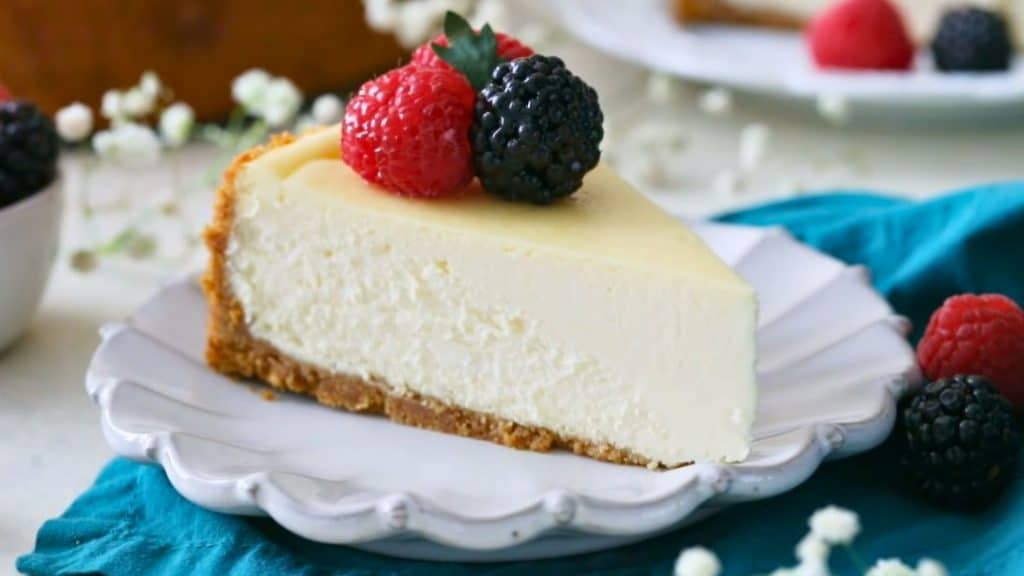
Credit: diyjoy.com
Baking Essentials
Baking a cheesecake like the one in Joy of Cooking is a delicate balance between heat, moisture, and timing. Getting these baking essentials right can make the difference between a creamy, smooth dessert and one that’s cracked or dry. Let’s dive into the key factors that help your cheesecake turn out just right every time.
Optimal Oven Temperature
Setting the right oven temperature is crucial. Too hot, and the cheesecake can crack or brown unevenly; too low, and it may not set properly. A consistent temperature around 325°F (163°C) often works best to ensure gentle, even baking.
Have you noticed how your oven’s temperature can vary? An oven thermometer can be a simple tool to help you avoid surprises and keep your cheesecake baking smoothly.
Water Bath Method
Using a water bath creates a moist environment that prevents the cheesecake from drying out and cracking. You simply place the springform pan inside a larger pan filled with hot water halfway up the sides.
This method might seem like extra work, but it’s worth it. It helps the cheesecake cook evenly and stay creamy, making the texture much more enjoyable. Have you tried wrapping your pan in foil to avoid leaks? It’s a handy trick that keeps your oven clean.
Checking Doneness
Knowing when your cheesecake is done can be tricky. The center should still jiggle slightly when you gently shake the pan, but the edges will look set and firm.
Overbaking can dry out your cheesecake, so rely on this jiggle test instead of just the timer. When was the last time you trusted your eyes and touch over the clock in baking? It can make a big difference.
Cooling And Serving
Cooling and serving your Joy of Cooking cheesecake is just as important as baking it perfectly. How you cool it affects the texture and flavor, while the way you serve it can elevate the entire experience. Let’s dive into some practical tips that will make your cheesecake irresistible every time.
Proper Cooling Techniques
Right after baking, let your cheesecake cool gradually at room temperature for about an hour. This prevents cracks that happen when the cheesecake cools too quickly. Then, wrap it loosely with plastic wrap or foil to keep it from drying out.
Once it reaches room temperature, transfer it to the fridge. Cooling in the fridge for at least 4 hours helps the cheesecake set firmly. I’ve found that rushing this step often results in a crumbly texture, which nobody wants.
Chilling For Best Texture
Chilling isn’t just about firming up the cheesecake; it improves the flavor too. The cold allows the ingredients to blend and mellow, making every bite smoother and richer.
Try to chill your cheesecake overnight if you can. This extra time in the fridge enhances the creamy texture and makes slicing much easier. Ever noticed how a cheesecake tastes different the next day? That’s the chilling magic at work.
Serving Suggestions
When it’s time to serve, consider how you want to present your cheesecake. A simple dusting of powdered sugar or fresh berries adds color and a hint of freshness.
For a special touch, drizzle some homemade fruit sauce or caramel on top. You can also serve it with a dollop of whipped cream or a scoop of vanilla ice cream for extra indulgence.
- Use a hot knife to slice clean pieces—dip the knife in hot water and wipe it before each cut.
- Serve chilled for a refreshing dessert, or let it sit at room temperature for 10 minutes to soften slightly.
- Pair with coffee or a dessert wine for a complete experience.
What’s your favorite way to enjoy cheesecake? Trying different serving ideas can turn a simple dessert into a memorable occasion.
Creative Flavor Twists
Adding creative flavor twists to your Joy of Cooking cheesecake recipe can transform this classic dessert into something uniquely yours. Small changes can make a big impact on taste and presentation. Are you ready to experiment with flavors that excite your palate and impress your guests?
Adding Fruit Layers
Fresh or cooked fruit layers add brightness and texture to your cheesecake. You can spread a thin layer of raspberry jam or swirl in blueberry compote before baking for a burst of natural sweetness. Try topping your cheesecake with slices of fresh strawberries or mangoes just before serving to add color and freshness.
Consider how the tartness of certain fruits balances the richness of the cheesecake. Have you tried layering lemon curd between the crust and filling? It adds a zesty surprise with every bite.
Incorporating Chocolate
Chocolate and cheesecake are a classic duo that never fails to delight. Melted dark chocolate mixed into the batter creates a rich, velvety texture. Alternatively, sprinkle mini chocolate chips throughout the filling for subtle bursts of chocolate in every forkful.
For a decadent twist, pour chocolate ganache over the cooled cheesecake. This simple addition elevates your dessert to a luxurious treat without much extra effort.
Using Extracts And Zests
Extracts and citrus zests add layers of aroma and depth to your cheesecake. Vanilla extract enhances the creamy flavor, but don’t shy away from almond or coconut extracts for a unique touch. Just a teaspoon can change the profile of your cheesecake entirely.
Grated lemon, lime, or orange zest adds fresh, vibrant notes that brighten the dessert. Have you experimented with combining vanilla extract and lemon zest to create a perfectly balanced flavor? It’s a simple trick that makes your cheesecake stand out.
Troubleshooting Common Issues
Troubleshooting common issues in cheesecake baking saves time and improves results. Small mistakes can cause cracks, soggy crusts, or texture problems. Knowing how to fix these keeps your cheesecake smooth and tasty.
Simple changes help repair and avoid these issues. This section covers easy solutions for common cheesecake problems.
Fixing Cracks
Cracks appear when cheesecake cools too fast or is overbaked. To prevent cracks, bake at a low temperature and use a water bath. If cracks form, cover them with whipped cream or fruit topping. Another trick is to gently press the cracks together while the cheesecake is still warm. Cooling the cheesecake slowly, leaving it in the oven with the door slightly open, also helps avoid cracks.
Dealing With Soggy Crust
Soggy crust happens when moisture from the filling soaks the crust. To fix this, bake the crust alone for 8-10 minutes before adding the filling. Brush the crust with melted butter or egg white to create a barrier. Use less liquid in the filling or add a layer of chocolate between crust and filling. Cooling the cheesecake on a wire rack stops moisture build-up.
Adjusting Texture Problems
Texture can be grainy, too dense, or runny. Grainy texture means overmixing or too much heat. Mix ingredients just until smooth and bake gently. Dense cheesecake often needs more eggs or cream cheese. Runny cheesecake may lack enough eggs or baking time. Always use room temperature ingredients for even mixing. Cooling completely before slicing improves texture as well.
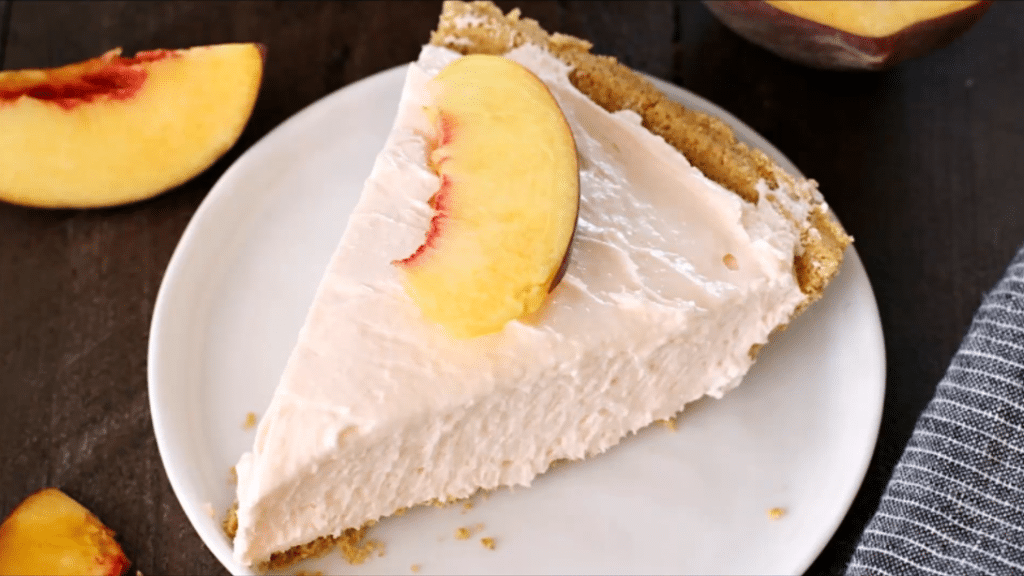
Credit: diyjoy.com
Frequently Asked Questions
What Ingredients Are Needed For Joy Of Cooking Cheesecake?
You need cream cheese, sugar, eggs, vanilla, and a graham cracker crust. Optional ingredients include sour cream and lemon zest. Fresh toppings enhance flavor and presentation.
How To Avoid Cracks In Joy Of Cooking Cheesecake?
Bake the cheesecake in a water bath to maintain moisture. Avoid overbaking and cool gradually. These steps prevent cracks and keep the texture smooth.
Can I Freeze Joy Of Cooking Cheesecake?
Yes, wrap the cheesecake tightly in plastic wrap and foil. Freeze for up to 2 months. Thaw overnight in the refrigerator before serving.
How Long Does Joy Of Cooking Cheesecake Take To Bake?
It usually takes about 1 hour at 325°F (163°C). Allow additional time for cooling and chilling, which enhances flavor and texture.
Conclusion
Baking this cheesecake brings joy to any kitchen. The recipe is simple and fun to follow. Each step adds flavor and comfort to your dessert. Share your cheesecake with friends and family. Watch smiles grow with every delicious bite. Try this recipe often to enjoy sweet moments.
Cooking should always feel this rewarding and easy. Your cheesecake journey starts here—happy baking!

Hi, I’m Daniel Brooks—a food lover and kitchen gear enthusiast. I enjoy testing cookware, utensils, and gadgets to see what really works in everyday cooking. At PlugChef.com, I share honest reviews, comparisons, and simple guides to help you choose the best tools for a safer, smarter, and more enjoyable kitchen.
Related posts:
 What Type of Cooking Utensils are Safe: Expert Picks
 What Innovations Could Blenders Make: Unleashing Future Tech
 Smart Strategies to Organize a Small Kitchen: Maximize Space
 How to Organize a Kitchen Cabinet: Expert Tips & Tricks
 How to Organize Kitchen Drawers: Expert Tips and Tricks
 How to Organize a Corner Kitchen Cupboard: Expert Tips

