

Imagine you’re slicing vegetables for a delicious meal, and your knife glides effortlessly across a beautifully crafted cutting board. You might not think much about it, but the material of your cutting board can make a big difference in your cooking experience.
Have you ever wondered if walnut is a good choice for cutting boards? You’re not alone. Many home cooks and professional chefs alike are curious about the benefits of using walnut. Its rich color and durable nature are appealing, but is it really the best option for your kitchen needs?
We’ll delve into why walnut might just be the perfect match for your cutting board. We’ll explore its advantages, address any concerns, and help you make an informed decision. By the end, you’ll know whether walnut is the right choice for your culinary adventures. Keep reading to discover how the right cutting board can transform your cooking routine and elevate your kitchen’s aesthetics.
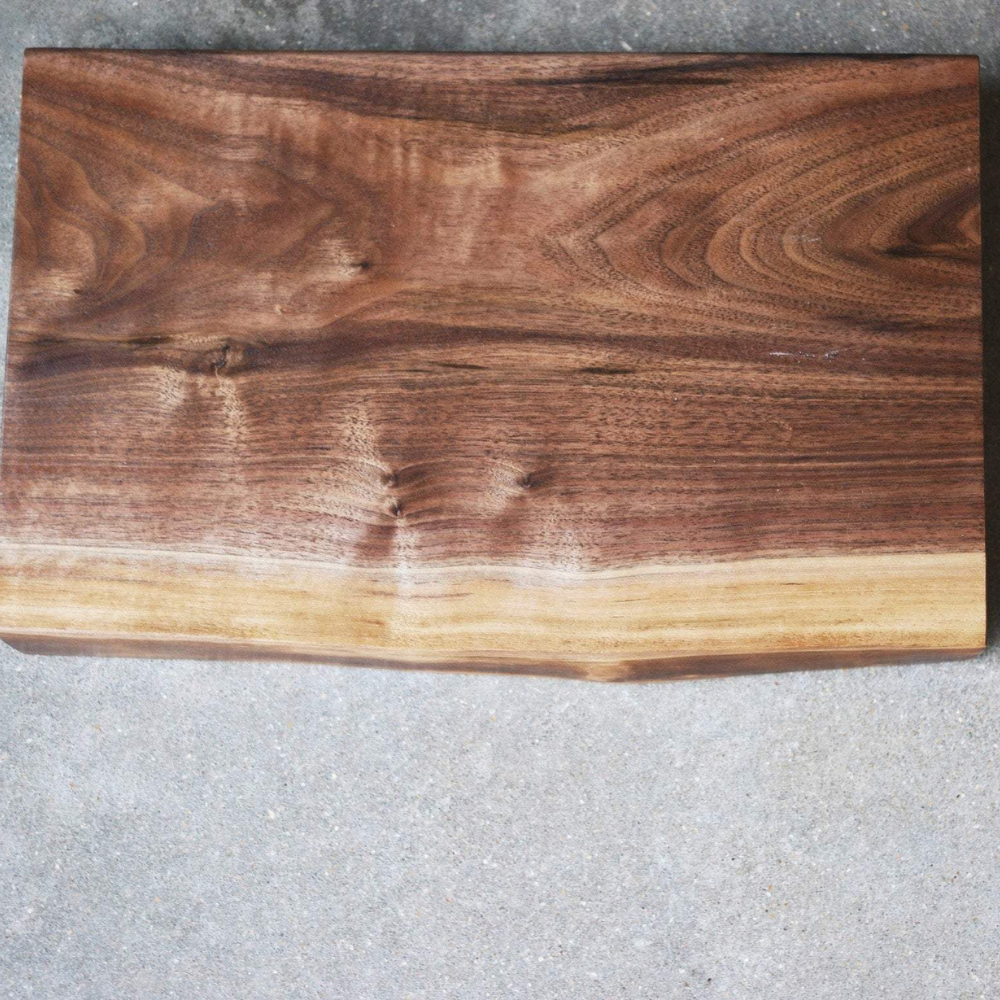
Credit: artisanborn.com
Benefits Of Walnut For Cutting Boards
Walnut makes an excellent choice for cutting boards due to its durability and natural resistance to bacteria. Its dense grain prevents knife marks, maintaining a smooth surface. The rich color and texture also add a touch of elegance to any kitchen setting.
When considering materials for cutting boards, walnut frequently emerges as a top contender. Not only does it bring a sophisticated touch to your kitchen, but it also offers several practical benefits. Let’s dive into why walnut might just be the perfect choice for your cutting board needs.Durability And Strength
Walnut is known for its incredible durability and strength. It’s a dense hardwood, which means it can withstand the sharp edges of your knives without showing excessive wear. This strength ensures that your cutting board remains in great shape for years, even with daily use. Have you ever had a cutting board that looked battered after a few months? Walnut might be your answer to avoiding that disappointment.Natural Antibacterial Properties
One of the lesser-known benefits of walnut is its natural antibacterial properties. Unlike plastic boards, which can harbor bacteria in cuts and grooves, walnut has a tendency to resist microbial growth. This makes it a safer option for preparing food, especially raw meats and veggies. Isn’t it reassuring to know that your cutting board can aid in keeping your kitchen hygienic?Aesthetic Appeal
A walnut cutting board doesn’t just perform well; it looks fantastic too. The rich, dark tones and unique grain patterns add an elegant touch to any kitchen. Imagine hosting a dinner party and using your walnut board as a stunning serving platter—it’s bound to be a conversation starter. Plus, the aesthetic appeal of walnut means it can double as a decorative piece when not in use. Incorporating a walnut cutting board into your kitchen can enhance both functionality and style. Its durability, antibacterial properties, and visual appeal make it a smart choice for anyone looking to upgrade their kitchen tools. Have you considered the impact of switching to walnut for your culinary adventures?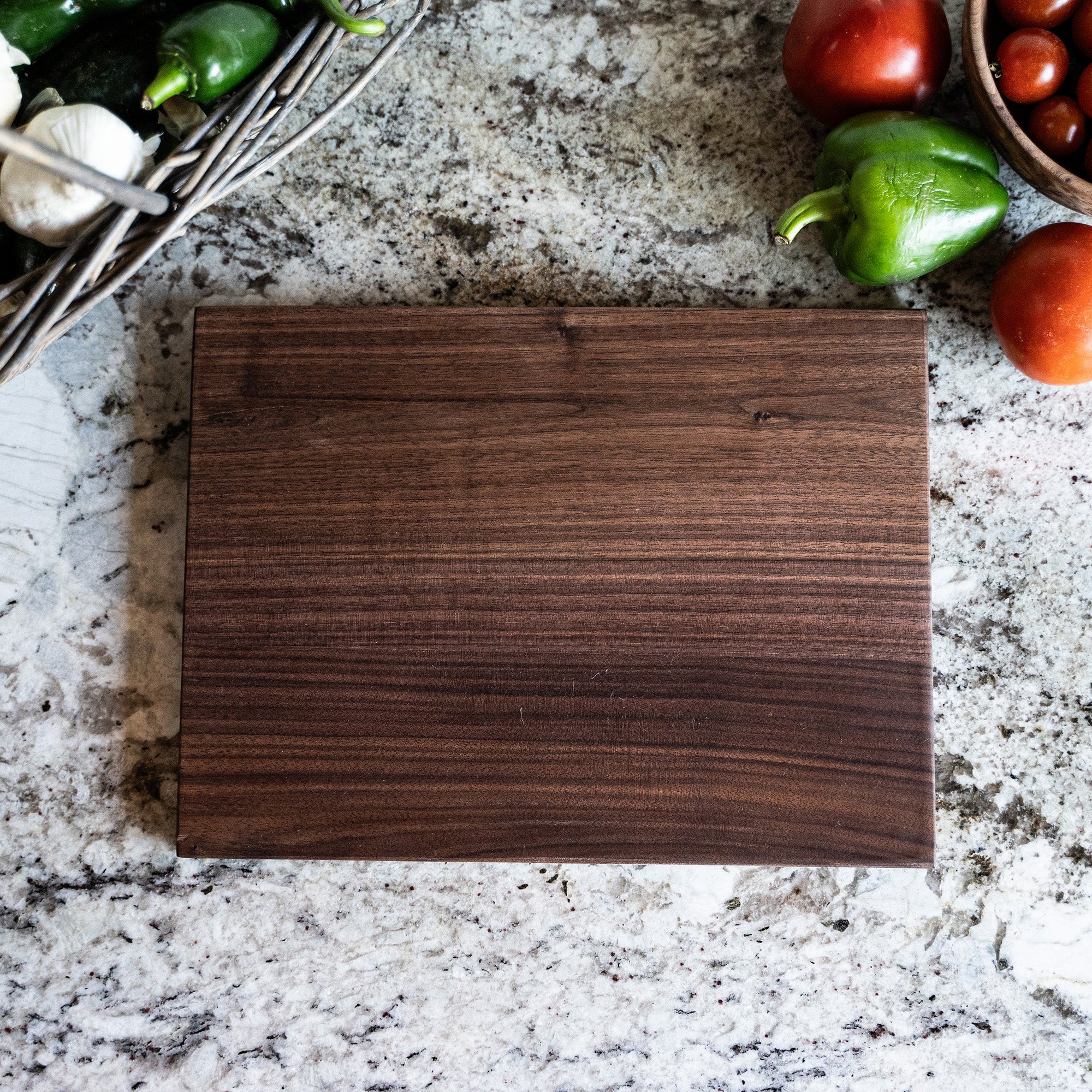
Credit: www.holtzleather.com
Comparing Walnut With Other Woods
Choosing the right wood for a cutting board is essential. Walnut stands out for its beauty and durability. But how does it compare to other popular woods? Let’s explore the differences between walnut and other common choices. This comparison will help you decide which wood suits your needs best.
Walnut Vs. Maple
Maple is a popular choice for cutting boards. It is light in color and very hard. Walnut, on the other hand, offers a darker hue. It provides a rich, elegant look. Maple is slightly harder than walnut. This makes it more resistant to scratches. Walnut is less likely to show stains. It often looks more luxurious on a kitchen counter.
Walnut Vs. Bamboo
Bamboo is eco-friendly and sustainable. It grows quickly, reducing environmental impact. Walnut, however, has a classic appeal. Bamboo is harder than walnut. This makes it durable but can be tough on knives. Walnut is gentler, preserving blade sharpness. Bamboo’s light color offers a modern feel. Walnut’s warmth adds a cozy touch.
Walnut Vs. Cherry
Cherry wood is known for its reddish hue. It can darken beautifully over time. Walnut offers a consistent dark tone. Cherry is softer than walnut. This can make it more prone to dents. Walnut’s hardness provides better protection against damage. Both woods add elegance to any kitchen setting.
Maintaining A Walnut Cutting Board
Walnut cutting boards are durable and resist knife marks well. They offer a smooth surface for chopping. Regular oiling keeps them looking fresh and prevents drying.
Maintaining a Walnut Cutting Board Walnut cutting boards are not just tools; they’re investments in your kitchen. Proper maintenance can extend their life, ensuring they remain functional and beautiful. Let’s dive into some practical tips to keep your walnut cutting board in top shape.Cleaning Tips
Rinse your walnut cutting board with warm water immediately after use. Use a soft sponge and mild dish soap to clean the surface gently. Avoid soaking it in water, as this can cause the wood to warp or crack over time. After washing, dry the board thoroughly with a clean towel. Stand it upright to ensure air circulation around all sides. This simple step can prevent moisture buildup and mold growth.Oil And Seasoning
Regular oiling is crucial to maintaining the board’s integrity. Use food-grade mineral oil or walnut oil to nourish the wood. Apply a generous amount and rub it in with a clean cloth, allowing it to soak overnight. Seasoning your board helps it resist water and prevents it from absorbing unwanted odors. Do you oil your board once a month, or as needed when the wood looks dry or dull? This small habit can make a big difference.Handling Stains And Odors
Stains and odors are inevitable but manageable. To tackle stubborn stains, make a paste of baking soda and water, gently scrubbing the affected area. Rinse thoroughly and dry immediately. Lemon juice and coarse salt can neutralize odors effectively. Sprinkle salt on the board, rub with half a lemon, and rinse. Does your board have lingering smells after chopping onions or garlic? This trick can keep it fresh and ready for your next culinary adventure. Taking a few minutes to care for your walnut cutting board can save you time and money in the long run. Are you ready to give your board the attention it deserves? Let these tips guide you to a well-maintained and enduring kitchen essential.Choosing The Right Walnut Cutting Board
Walnut makes an excellent choice for cutting boards due to its durability and rich appearance. Its dense grain prevents knife marks, ensuring longevity and reliability. The natural oils in walnut help resist bacteria growth, making it a safe option for food preparation.
Choosing the right walnut cutting board can enhance your kitchen experience. Walnut is known for its durability and rich color. It’s a favorite for those who want both function and style. Selecting the best walnut cutting board involves several factors. From size and thickness to quality and budget considerations, each aspect plays a role. Let’s explore how to choose the perfect walnut cutting board.Size And Thickness Considerations
The size of your cutting board matters. Consider how much space you have in your kitchen. A larger board offers more cutting area. It’s great for preparing multiple ingredients at once. Thickness affects stability and durability. Thicker boards are less likely to warp. They provide a solid surface for chopping. Ensure the board fits comfortably on your countertop. It should be easy to handle and store.Checking For Quality And Craftsmanship
Quality is crucial for longevity. Examine the board’s surface closely. It should be smooth and free from defects. Look for boards made from solid walnut pieces. This ensures strength and uniformity. Pay attention to the craftsmanship. Well-made boards often have rounded edges. A polished finish adds to aesthetic appeal. High-quality boards withstand daily use and resist knife marks.Budget And Longevity
Budget influences the type of cutting board you choose. Walnut boards are an investment. They often cost more than other wood types. Consider how long you want your board to last. Spending a bit more can lead to better durability. Think about how often you cook and use the board. A quality walnut board can serve you for years. Find a balance between cost and quality. Choose one that fits your budget and kitchen needs.Environmental Impact Of Walnut Cutting Boards
Choosing the right material for your cutting board can impact not just your kitchen aesthetics but also the environment. Walnut cutting boards stand out as an option that offers both elegance and eco-friendliness. But how exactly do walnut cutting boards contribute to a healthier planet? Let’s dig into the environmental impact they carry.
Sustainability Of Walnut Wood
Walnut wood is renowned for its sustainability. It’s sourced from trees that grow relatively fast, ensuring a consistent supply without risking deforestation. Unlike some exotic woods, walnut can be harvested in managed forests that uphold environmental standards.
Have you ever considered where the wood for your cutting board comes from? Responsible sourcing matters. When walnut trees are cut down, efforts are made to plant new ones, maintaining a balanced ecosystem. This cycle helps preserve biodiversity, making walnut a responsible choice.
Eco-friendly Manufacturing Practices
Manufacturers of walnut cutting boards often prioritize eco-friendly practices. Many use non-toxic glues and finishes, which means fewer chemicals leach into the environment. This approach not only benefits the planet but also ensures safer surfaces for your food preparation.
Think about the energy consumed in production. Walnut cutting boards typically require less energy to manufacture compared to plastic or metal alternatives. Choosing products from companies that use renewable energy sources can further reduce your carbon footprint.
Does the longevity of a product matter to you? Walnut cutting boards are durable, reducing the need for frequent replacements. This longevity means fewer resources are consumed over time, contributing to a more sustainable lifestyle.
In the end, it’s about making informed choices. How does your cutting board align with your environmental values? When you opt for walnut, you invest not only in quality but also in a more sustainable future.

Credit: www.urbandi.com
Common Myths About Walnut Cutting Boards
Many believe walnut cutting boards are fragile. Surprisingly, they are durable and resist knife marks. Their rich color adds elegance to kitchens.
Common Myths About Walnut Cutting Boards Choosing the right cutting board can be a daunting task. With so many options, misinformation often clouds judgment. Among these options, walnut cutting boards stand out—but not without their share of myths. Let’s debunk some common misconceptions that might be holding you back from adding this beautiful and functional tool to your kitchen.Myth: Walnut Boards Are Too Soft
Many believe walnut cutting boards are too soft for rigorous use. However, walnut strikes a perfect balance between hardness and softness. It’s not as hard as maple, but this is actually an advantage. Walnut’s moderate hardness means it’s gentle on your knives, prolonging their sharpness. Have you ever noticed knife marks on your cutting board? A walnut board will show less wear over time compared to some harder woods. It absorbs the impact rather than fighting it, which helps maintain both the board and your knives.Myth: They Require Constant Maintenance
Another misconception is that walnut boards require constant upkeep. Yes, they need some care, but it’s far from a daily chore. A little mineral oil every few weeks is usually enough to keep the board in top condition. This simple step prevents drying and cracking, extending the life of your board. Think about it—do you polish your silverware every day? Of course not. Just like silver, walnut cutting boards need occasional love, not constant attention. A quick wipe-down after use and occasional oiling will keep your board looking and performing beautifully. Why let these myths stop you from enjoying the benefits of a walnut cutting board? Next time you’re in the market for a new board, consider walnut. It offers durability, beauty, and easy maintenance, making it a valuable addition to any kitchen.Frequently Asked Questions
Is Walnut Safe To Use As A Cutting Board?
Yes, walnut is safe for cutting boards. It is durable, resistant to bacteria, and offers a smooth surface. Its natural oils help prevent cracking, making it ideal for kitchen use. Regular cleaning and maintenance ensure longevity and hygiene. Choose walnut for a reliable and stylish cutting board option.
Which Is Better For Cutting Board, Maple Or Walnut?
Maple is durable, light-colored, and less porous, making it ideal for cutting boards. Walnut offers elegance with darker tones but is slightly softer. Both woods are safe for food use and resist bacteria. Choose maple for durability or walnut for aesthetics.
Consider your preference for color and hardness.
What Wood Should You Not Use For A Cutting Board?
Avoid using soft woods like pine and cedar for cutting boards. They are prone to scratches and bacteria. Hardwoods like maple are preferable due to their durability and antibacterial properties. Soft woods may also dull knives quickly, making them less practical for kitchen use.
Choose materials wisely for a safe cooking experience.
Which Is Better, A Walnut Or Bamboo Cutting Board?
Walnut cutting boards are durable and gentle on knives. Bamboo boards are eco-friendly and resist moisture better. Choose walnut for longevity and knife safety, or bamboo for sustainability and affordability. Both options offer unique benefits based on your needs.
Conclusion
Walnut cutting boards offer durability and beauty. They resist scratches and dents. Walnut provides a smooth surface for chopping. It’s easy on knives and looks elegant. Maintenance is simple with regular oiling. These boards last long with proper care. They complement kitchen decor with their rich color.
Walnut is a smart choice for cutting boards. It balances function and style perfectly. A reliable partner for your cooking needs. Consider walnut for quality and charm. Enjoy its benefits in your kitchen routine.

Hi, I’m Daniel Brooks—a food lover and kitchen gear enthusiast. I enjoy testing cookware, utensils, and gadgets to see what really works in everyday cooking. At PlugChef.com, I share honest reviews, comparisons, and simple guides to help you choose the best tools for a safer, smarter, and more enjoyable kitchen.
Related posts:
 What Type of Cooking Utensils are Safe: Expert Picks
 What Innovations Could Blenders Make: Unleashing Future Tech
 Smart Strategies to Organize a Small Kitchen: Maximize Space
 How to Organize a Kitchen Cabinet: Expert Tips & Tricks
 How to Organize Kitchen Drawers: Expert Tips and Tricks
 How to Organize a Corner Kitchen Cupboard: Expert Tips

