
Have you ever wondered about the safety of the materials used in your kitchen? When it comes to cooking utensils, the type of wood you choose matters.
Teak wood is often praised for its durability and beauty, but is it safe for your cooking needs? As you prepare meals for your loved ones, ensuring the safety of your utensils is crucial. You deserve to know if teak wood is up to the task.
Dive into the details and discover the truth about teak wood, so you can make informed decisions and keep your kitchen safe.
Teak Wood Properties
Teak wood offers durability and resistance to moisture, making it ideal for cooking utensils. Its natural oils protect against bacteria, ensuring a safe culinary experience. This hardwood is known for its long-lasting properties, providing a reliable choice for kitchen tools.
When choosing the right material for cooking utensils, teak wood often comes up as a popular option. Its properties make it a sought-after choice for kitchen tools. But what exactly makes teak wood stand out?Durability And Strength
Teak wood is known for its exceptional durability and strength. It can withstand daily wear and tear, which makes it perfect for cooking utensils. Imagine using a spoon that doesn’t break easily or a spatula that stays intact over time. Why settle for less when you can have utensils that last longer? This strength also means your tools won’t easily warp or crack with use. Ever had a spatula snap during a cooking frenzy? With teak, that’s less likely to happen.Natural Oil Content
Another amazing property of teak wood is its natural oil content. These oils give teak its famous resistance to decay and pests. This means your utensils are less likely to harbor harmful bacteria. The oils also enhance the wood’s appearance, giving it a rich, golden hue. You get a spoon that’s not just practical but also aesthetically pleasing. It’s like having a piece of nature in your kitchen.Water Resistance
Teak wood is naturally water-resistant, a crucial feature for cooking utensils. Water can often cause wood to swell or crack, but teak stands strong. This resistance ensures that your utensils maintain their shape and functionality. Have you ever had a wooden spoon that warped after washing? Teak’s water-resistant nature helps prevent such mishaps. It’s reassuring to know that your utensils can handle a splash or two. So, have you considered teak wood for your kitchen? Its unique properties make it an excellent choice for cooking enthusiasts.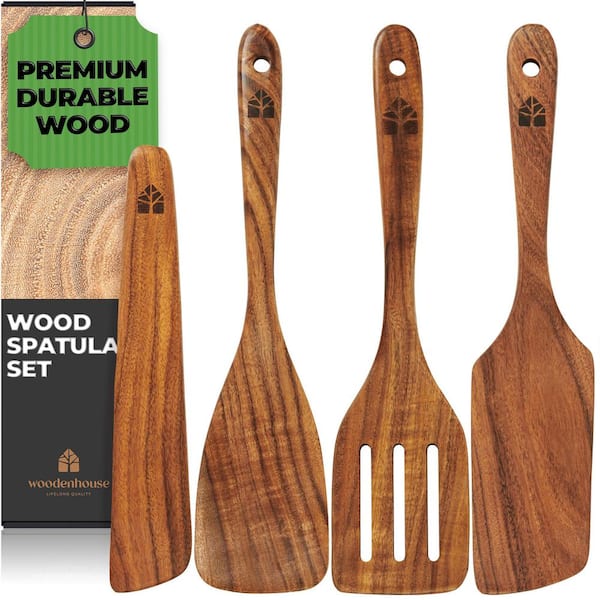
Credit: www.homedepot.com
Benefits Of Teak Wood Utensils
Teak wood utensils have become increasingly popular in kitchens around the world, and for good reason. Known for their durability and elegance, teak wood offers various benefits that make it an excellent choice for cooking tools. From its unique antimicrobial qualities to its low maintenance, and even its sustainability, there are plenty of reasons why you might consider replacing your plastic or metal utensils with those made from teak. But what makes teak wood so special? Let’s delve into the specific advantages that these utensils bring to your kitchen.
Antimicrobial Qualities
One of the standout features of teak wood is its natural antimicrobial properties. Unlike plastic, which can harbor bacteria, teak wood naturally resists germs. This is due to the oil content in the wood, which acts as a barrier against bacteria.
Imagine chopping vegetables on a surface that inherently keeps germs at bay. It’s not just a feature—it’s peace of mind. You can focus on creating your culinary masterpiece without worrying about hidden bacteria.
Low Maintenance
Teak wood utensils are incredibly easy to maintain. They don’t require frequent oiling or special cleaning methods. A simple wash with warm soapy water does the trick.
I’ve found that my teak spoon has lasted years with minimal effort. It doesn’t warp or crack, unlike other wooden utensils I’ve used. It’s perfect for those who want quality without the hassle.
Could less time spent on maintenance mean more time experimenting with recipes? Absolutely.
Sustainability
Teak wood is known for its sustainability. Many teak products are sourced from responsibly managed forests, making it an eco-friendly choice.
Choosing teak not only benefits your kitchen but also supports environmental conservation efforts. It’s a small change that contributes to a bigger cause.
When you opt for teak, are you contributing to a greener planet? Yes, you are.
Teak wood utensils offer practical benefits that align with modern needs—cleanliness, simplicity, and sustainability. As someone who appreciates both functionality and style in the kitchen, I find teak utensils to be a worthwhile investment. What about you? Are you ready to make the switch?
Safety Concerns
Teak wood is a popular choice for cooking utensils due to its durability. It’s naturally resistant to water, which helps prevent bacteria growth. This makes teak wood a safe option for preparing and serving food.
Safety concerns about using teak wood for cooking utensils are important. Many people wonder if teak is safe in the kitchen. Let’s explore the main safety considerations.Toxicity Levels
Teak wood is generally considered non-toxic. It doesn’t release harmful chemicals. This makes it a safe choice for utensils. It contains natural oils that resist decay. These oils don’t harm humans. Teak is used in many household items. Its safety is trusted by many experts.Impact On Food Taste
Teak wood has a neutral flavor. It doesn’t affect the taste of food. This is a big advantage in cooking. Some woods can alter food flavors. Teak keeps your dishes tasting as intended. Its natural oils stay in the wood. They don’t seep into food. This ensures the pure taste of your meals.Allergy Considerations
Teak wood allergies are rare. Few people report allergic reactions. Most can use teak utensils without issues. It’s important to know your own allergies. If sensitive, test teak on a small area. Consult a doctor if you have concerns. Teak is a safe choice for most people.
Credit: www.amazon.com
Comparing With Other Woods
Teak wood is a popular choice for cooking utensils due to its natural durability. Compared to other woods, teak resists water and bacteria, making it safer for kitchen use. Its smooth surface prevents food particles from sticking, ensuring hygiene and easy cleaning.
When considering cooking utensils, wood type matters. Different woods bring distinct qualities. This affects durability, safety, and aesthetics. Let’s explore how teak compares with other popular woods for utensils.Maple
Maple wood is a common choice for kitchen tools. It’s durable and strong. Maple resists scratches and dents. Its light color adds a clean look. Maple is non-porous, reducing bacterial growth. This makes it safe for food contact. But, it needs regular oiling to stay in good condition.Bamboo
Bamboo is not technically wood. It’s a fast-growing grass. Bamboo utensils are eco-friendly. They are lightweight and easy to handle. Bamboo is quite hard and resists staining. It’s naturally anti-microbial. But, bamboo can crack if not cared for. Regular maintenance is necessary.Olive Wood
Olive wood is known for its beautiful grain. It’s harder than many other woods. Olive wood resists odors and stains well. It’s dense, making it durable. Olive wood utensils are unique and stylish. But, they can be more expensive. Regular oiling helps maintain their beauty.Care And Maintenance Tips
Teak wood is safe for cooking utensils due to its durability and resistance to moisture. Regular oiling helps maintain its smooth surface and prevents cracking. Avoid soaking utensils in water to preserve their natural beauty.
Teak wood is celebrated for its durability and aesthetic appeal, making it a popular choice for cooking utensils. However, to keep your teak kitchen tools in top shape, proper care and maintenance are crucial. Neglecting them might lead to damage, reducing their lifespan and effectiveness. Here, you’ll find practical tips to ensure your teak utensils remain safe and functional for years to come.Cleaning Methods
Cleaning teak utensils is straightforward. Use warm water and mild dish soap to wash them after each use. Avoid using harsh detergents or abrasive scrubbers, as they can strip the wood’s natural oils. A gentle scrub with a soft cloth will keep them clean without causing damage. After washing, dry them immediately to prevent water absorption. Excess moisture can lead to warping or cracking. Air drying on a rack is effective, but remember to pat them dry first.Avoiding Damage
To prevent damage, steer clear of soaking your teak utensils in water. Prolonged exposure to water can cause swelling and weaken the wood’s structure. If you’ve ever left a wooden spoon in a pot overnight, you’ve seen firsthand how water can warp it. Also, keep your teak utensils away from extreme heat. High temperatures can dry out the wood, leading to cracks. Avoid placing them near stoves or ovens for extended periods.Regular Oiling
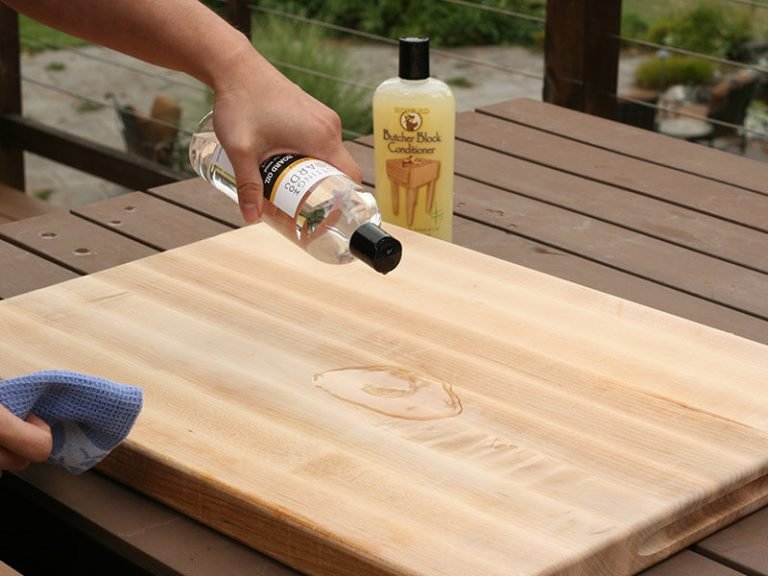
Oiling is essential to maintain teak wood’s natural sheen and moisture. Use food-safe mineral oil or beeswax to nourish the wood. Apply oil evenly with a soft cloth, allowing the wood to soak it in. How often should you oil your utensils? Ideally, every few weeks, especially if they’re used frequently. You’ll notice a richer color and smoother texture when properly oiled. Have you ever handled a dry, splintered wooden spoon? It’s not a pleasant experience. Regular oiling not only preserves the beauty but also ensures a safe cooking experience. Teak wood utensils can be a charming and functional addition to your kitchen. With the right care, they’ll continue to serve you well while adding a touch of natural elegance. Are you ready to make teak wood a staple in your culinary adventures?Environmental Impact
Teak wood is a popular choice for cooking utensils. Its durability and water resistance make it ideal. Yet, the environmental impact of teak wood raises questions. Understanding this impact is crucial for eco-conscious consumers. Let’s delve into the environmental aspects of teak wood.
Sustainable Sourcing
Sourcing teak wood sustainably is vital for the environment. Sustainable practices ensure the forest’s health. They support local communities and protect biodiversity. Certified teak wood comes from responsibly managed forests. This certification ensures minimal harm to ecosystems. It also promotes fair labor practices.
Deforestation Concerns
Deforestation is a major concern with teak wood. Illegal logging threatens forests globally. It leads to habitat destruction and loss of biodiversity. Teak forests face these threats too. Choosing certified teak helps combat illegal logging. It supports efforts to maintain forest cover and ecological balance.
Eco-friendly Alternatives
Some prefer alternatives to teak for cooking utensils. Bamboo is a popular choice. It’s fast-growing and renewable. Bamboo’s cultivation requires fewer resources. Olive wood is another eco-friendly option. It comes from pruned branches, not cut trees. These alternatives offer sustainable choices for conscious consumers.
Consumer Considerations
Choosing the right material for cooking utensils is crucial. Teak wood stands out for its durability and aesthetic appeal. Consumers must consider several factors before making a choice. This section delves into key aspects like price, availability, and brand recommendations.
Price Factors
Teak wood utensils can vary in price. The cost depends on the quality and source of the wood. Premium teak wood is often more expensive. Budget options are available but may not offer the same durability. Consider your budget and the frequency of use.
Availability
Teak wood utensils are widely available in many regions. They can be found in specialty kitchen stores and online. Availability may vary based on local demand. Check local stores or trusted online platforms for options. Shopping online might offer a broader selection.
Brand Recommendations
Several brands offer high-quality teak wood utensils. Oxo and Williams Sonoma are popular choices. They provide durable and well-designed products. Read reviews and compare options before purchasing. Choose a brand known for quality and customer satisfaction.

Credit: www.amazon.com
Frequently Asked Questions
What Is The Safest Wood For Cooking Utensils?
Maple, cherry, and beech woods are the safest for cooking utensils. They are durable and non-toxic. These woods resist bacteria and moisture, making them ideal for kitchen use. Always choose untreated and food-safe woods for safety.
Can You Cook With Teak Utensils?
Yes, you can cook with teak utensils. Teak is durable, water-resistant, and safe for non-stick cookware. It doesn’t absorb flavors, ensuring food tastes great. Always hand wash and dry them to maintain quality. Avoid prolonged soaking or dishwashers to prevent damage.
Is Teak Or Olive Wood Better For Cooking Utensils?
Teak wood is durable and resistant to moisture, making it ideal for cooking utensils. Olive wood offers a unique grain and is slightly softer, which can be gentler on cookware. Choose teak for longevity and olive for aesthetics. Both are excellent, but teak generally performs better for everyday use.
Is Teak Wood Okay To Cook With?
Teak wood is not suitable for cooking. It contains natural oils and silica, which can produce harmful smoke and flavors. For safe cooking, use hardwoods like oak, apple, or hickory instead. These woods provide better flavors and are safer for grilling or smoking food.
Conclusion
Teak wood is a solid choice for cooking utensils. It’s durable, making it ideal for kitchen use. The natural oils protect it from moisture and pests. This means longer-lasting spoons and spatulas. Teak is also gentle on cookware surfaces. No scratches or damage when stirring or flipping.
Plus, it’s easy to clean with warm water. No harsh chemicals needed. Its beautiful grain adds charm to any kitchen. Teak utensils blend function with style. Choose teak for reliable, safe cooking tools. Enjoy cooking with confidence. Your kitchen deserves the best.

Hi, I’m Daniel Brooks—a food lover and kitchen gear enthusiast. I enjoy testing cookware, utensils, and gadgets to see what really works in everyday cooking. At PlugChef.com, I share honest reviews, comparisons, and simple guides to help you choose the best tools for a safer, smarter, and more enjoyable kitchen.
Related posts:
 What Type of Cooking Utensils are Safe: Expert Picks
 What Innovations Could Blenders Make: Unleashing Future Tech
 Smart Strategies to Organize a Small Kitchen: Maximize Space
 How to Organize a Kitchen Cabinet: Expert Tips & Tricks
 How to Organize Kitchen Drawers: Expert Tips and Tricks
 How to Organize a Corner Kitchen Cupboard: Expert Tips